ART: Administrative Review Tribunal Explained
The ART (Administrative Review Tribunal) is Australia's independent tribunal that reviews government decisions, including migration and refugee decisions made by the Department of Home Affairs. It replaced the AAT (Administrative Appeals Tribunal) in October 2024 as part of a major reform of Australia's administrative review system. If your visa application has been refused or your visa has been cancelled, the ART is where you can seek an independent review of that decision. It's not a court — it conducts a fresh examination of the merits of the case.
What Is the ART?
The ART is an independent statutory tribunal that reviews administrative decisions made by the Australian Government. For migration purposes, this means it reviews decisions about visa applications, visa cancellations, nomination refusals, and certain sponsorship decisions.
What the ART does:
- Conducts merits review (looks at the facts afresh, not just whether the law was followed)
- Can affirm, vary, set aside, or remit the original decision
- Hears from applicants, their representatives, and the Department
- Operates independently from the Department of Home Affairs
- Handles both migration and refugee/protection visa decisions
What the ART doesn't do:
- Act as a court (it's a tribunal — different rules of evidence apply)
- Review all types of visa decisions (some are excluded from review)
- Guarantee a different outcome — the ART can and does affirm refusals
- Handle judicial review (that's for the Federal Circuit and Family Court or Federal Court)
AAT to ART: What Changed in October 2024?
The ART replaced the AAT following the Administrative Review Tribunal Act 2024. Why the change? The AAT had faced significant criticism over appointment processes, delays, and inconsistency in decision-making. The government's response was to create a new tribunal with reformed processes.
Key differences from the AAT:
- New appointment process with merit-based selection
- Restructured divisions with clearer specialisation
- Updated procedural rules and case management
- Fresh start for the tribunal's reputation and governance
- Existing AAT cases were transferred to the ART
What stayed the same:
- The types of decisions that can be reviewed
- The basic merits review function
- The right to be represented by a migration agent or lawyer
- The general fee structure (though amounts may change)
If you had a case pending at the AAT when it transitioned, your case was automatically transferred to the ART. You didn't need to refile.
Which Migration Decisions Can Be Reviewed?
Not every visa decision is reviewable. The Migration Act 1958 specifies which decisions attract review rights.
Commonly reviewable decisions:
- Refusal of a visa application (most onshore visa types)
- Cancellation of a visa under section 109 (incorrect information)
- Cancellation of a visa under section 116 (general cancellation power)
- Refusal of employer nomination or sponsorship approval
- Refusal of a SkillSelect related application after invitation
Decisions that are generally NOT reviewable at the ART:
- Ministerial intervention decisions (section 351, 417, 501)
- Some character-based visa cancellations under section 501 (these go directly to the courts or a different review process)
- Certain offshore visa refusals
- Decisions to not exercise discretion
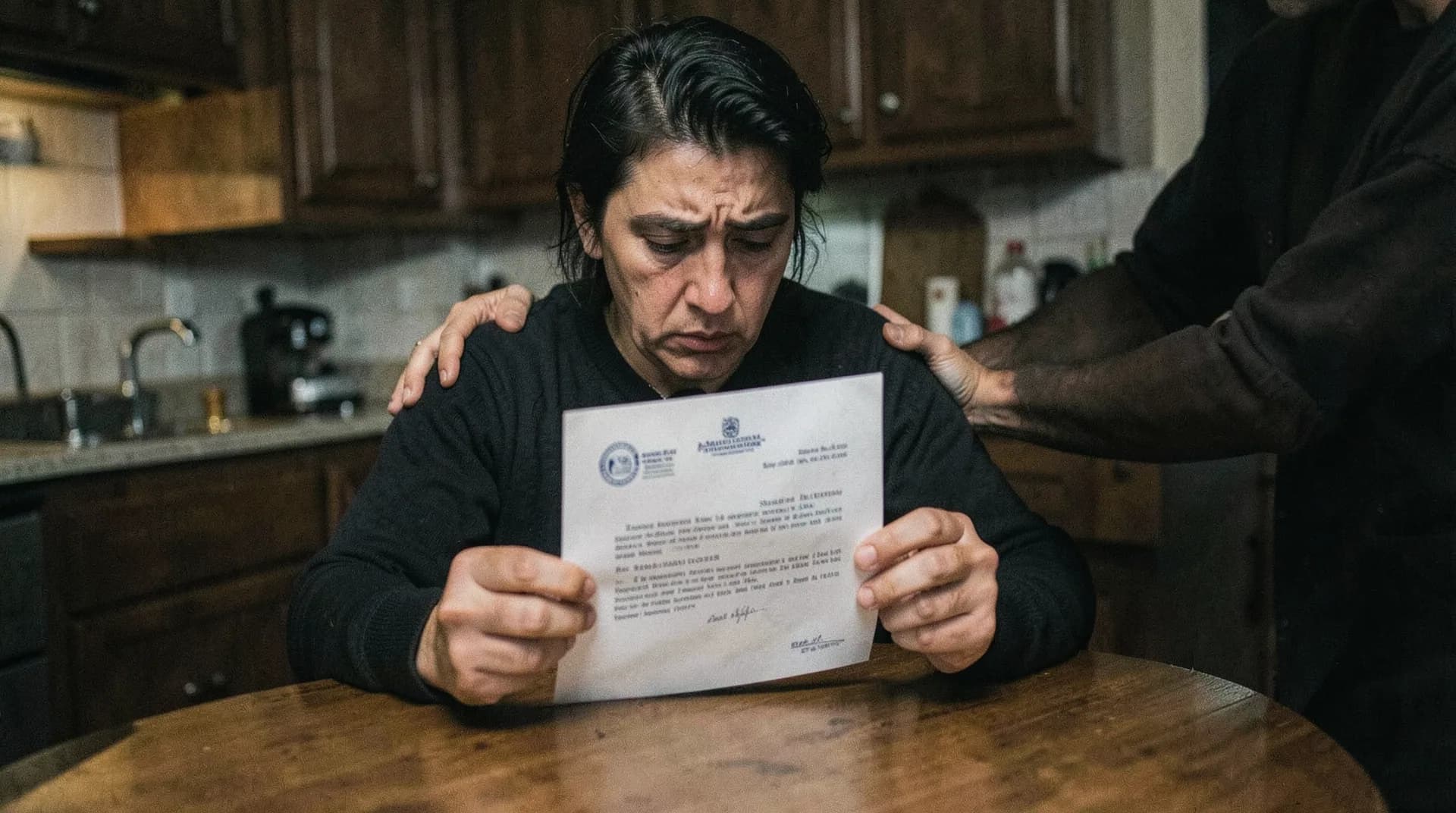
How to know if your decision is reviewable: Your refusal or cancellation letter will state whether review rights exist and the time limit for applying. Read this letter carefully — it's the most important document you'll receive after an adverse decision.
Time Limits for Applying
This is where urgency matters. Miss the deadline, and you lose your review rights entirely. The ART has no general power to extend these time limits.
| Decision Type | Time Limit | Notes |
|---|---|---|
| Migration decisions (most visa refusals) | 28 days | From notification of the decision |
| Bridging visa decisions | 9 days | Very short — act immediately |
| Refugee/protection visa decisions | 28 days | From notification |
| Employer nomination/sponsorship | 28 days | For the nominator/sponsor |
| Character decisions (reviewable ones) | 9 days | From notification |
"From notification" means the date you received the decision, which depends on how it was delivered:
- Email or ImmiAccount: The date it's sent
- By post within Australia: 7 working days after the date of the letter
- By post outside Australia: 21 days after the date of the letter
- In person: The date it was handed to you
Do not wait until the last day. If there's any doubt about dates, apply early. A late application will be rejected regardless of how strong your case is.
How to Apply for ART Review
Step 1: Check your review rights Confirm that your decision is reviewable and note the time limit from your decision letter.
Step 2: Complete the application form The ART has specific forms for migration review. These are available on the ART website. You'll need:
- Your personal details
- Details of the decision being reviewed
- The decision reference number
- Reasons why you disagree with the decision
Step 3: Pay the application fee Fees vary by application type. Migration review fees are typically in the range of $1,000-$3,500 (check the ART's current fee schedule). Some fee concessions exist for protection visa cases and applicants in financial hardship.
Step 4: Lodge the application Applications can be lodged online, by post, or in person at an ART registry. Online lodgement is recommended for speed and to avoid postal delays cutting into your time limit.
Step 5: Wait for listing The ART will acknowledge your application and eventually schedule a hearing or invite further submissions.
The Review Process
Once your application is accepted, the process typically follows this pattern:
- Case allocation — Your case is assigned to an ART member
- Documents from the Department — The ART receives the Department's file, including everything that was before the original decision-maker
- Invitation to comment/provide evidence — You may be invited to submit additional documents or written arguments
- Hearing — Most migration cases involve an oral hearing (in person, by phone, or by video). You'll have the chance to present your case and answer questions
- Decision — The ART member makes a decision and provides written reasons
Hearings are inquisitorial, not adversarial. Unlike a court trial, there's no cross-examination by a government lawyer. The ART member asks questions, and you (or your representative) respond. It's less formal than court, but it's still a legal proceeding — preparation matters.
Representation at the ART
You have the right to be represented at the ART by:
- A registered migration agent (MARA registered)
- An Australian legal practitioner (solicitor or barrister)
- In some cases, another person with the ART's permission
Should you get representation? In most migration cases, yes. The legal issues can be technical, and having someone who understands the Migration Act and relevant case law significantly improves your chances. ART members apply the law — they're sympathetic to genuine cases, but sympathy alone doesn't change legal requirements.
If you can't afford a representative, legal aid may be available for protection visa cases. For other migration matters, some community legal centres offer assistance. You can also represent yourself — the ART is designed to be accessible to unrepresented applicants.
Possible Outcomes
The ART can reach several outcomes:
| Outcome | What It Means |
|---|---|
| Affirm | The original decision stands — your visa remains refused/cancelled |
| Vary | The decision is changed in some way (rare in migration) |
| Set aside and substitute | The ART replaces the Department's decision with its own — often this means your visa is granted |
| Remit | The case is sent back to the Department for a new decision with specific directions |
If the ART affirms the refusal: You may have further options, including judicial review in the Federal Circuit and Family Court (on legal error grounds only, not merits) or requesting Ministerial intervention.
If the ART sets aside the decision: This is generally a win. For visa refusals, it often means the ART has decided the visa should be granted. The Department will then process the grant.
Fees and Costs
ART application fees for migration matters are set by regulation and reviewed periodically. As of the latest schedule:
- Migration review (general): Approximately $3,374
- Migration review (bridging visa): Lower fee applies
- Protection/refugee review: Reduced fee or nil
- Fee concessions: Available in certain circumstances
Fee refund: If the ART decides in your favour (sets aside the decision), you may be entitled to a refund of the application fee. If the decision is affirmed, the fee is not refunded.
These fees are separate from any costs you incur for legal representation or migration agent fees.
Frequently Asked Questions
Can I stay in Australia while my ART case is pending?
In most cases, if you applied for review on time and you held a substantive visa when the decision was made, you'll be granted a bridging visa that allows you to stay until the ART makes its decision. Check your VEVO to confirm your bridging visa conditions.
How long does the ART take to decide?
Timeframes vary widely depending on the complexity of the case and the ART's workload. Simple cases might be resolved in a few months; complex cases can take a year or more. The ART's transition from the AAT may also affect processing times in the short term.
Can I submit new evidence to the ART that I didn't give to the Department?
Yes. This is one of the key advantages of merits review — you can present new documents, updated evidence, and additional information that wasn't before the original decision-maker. Use this opportunity wisely.
What if I miss the deadline for ART review?
Unfortunately, the time limits are strict. If you miss the deadline, the ART cannot accept your application. Your remaining options would be judicial review (on different grounds) or Ministerial intervention — both are more difficult.
Is the ART's decision final?
Not necessarily. If the ART makes a legal error, its decision can be challenged through judicial review in the Federal Circuit and Family Court or the Federal Court. However, judicial review only examines whether the law was correctly applied — it doesn't re-examine the merits of your case.