How to Appeal an Australian Visa Refusal to the ART
The Administrative Review Tribunal (ART) — formerly the Administrative Appeals Tribunal (AAT) until October 2024 — is Australia's independent merits-review body for visa refusals and cancellations. If you believe your visa was wrongly refused, the ART provides an independent merits review — meaning they look at your case afresh, not just whether the original decision-maker made a legal error. This guide explains the full process from lodging to hearing to decision.
Quick Facts: ART Appeals
| Detail | Information |
|---|---|
| What Is ART | Administrative Review Tribunal — replaced AAT in 2024 |
| Type of Review | Merits review (fresh decision on the facts) |
| Application Fee | Approximately AUD $3,374 (reduced fee available in hardship) |
| Time Limit | Typically 21-28 days from refusal (varies by visa type) |
| Representation | Self, migration agent, or lawyer |
| Hearing | In person, by phone, or by video |
| Decision | Affirm (uphold refusal), remit (send back), or set aside (overturn) |
What the ART Can Review
The ART can review most (but not all) visa refusal decisions. Reviewable decisions include:
- Student visa (subclass 500) refusals
- Skilled visa (subclass 189, 190, 491) refusals
- Partner visa (subclass 309/100, 820/801) refusals
- Employer-sponsored visa (subclass 482, 186) refusals
- Visitor visa (subclass 600) refusals (in some circumstances)
- Bridging visa refusals
- Visa cancellation decisions (most types)
What the ART Cannot Review
Some decisions are not reviewable by the ART:
- Ministerial decisions made personally by the Minister
- Some character-based decisions under section 501
- Decisions made under certain national security provisions
- Some offshore visa decisions (check your refusal letter)
Your refusal letter will state whether ART review is available and the deadline for lodging.
The ART Process Step by Step
Step 1: Lodge Your Application
Deadline: This is critical. For onshore applicants, the deadline is typically 21-28 days from the date of the refusal notification. Missing this deadline permanently forfeits your right to review.
How to Lodge: Online through the ART portal, by email, by post, or in person at an ART registry office. Online lodgement is fastest and creates an immediate record.
What to Include:
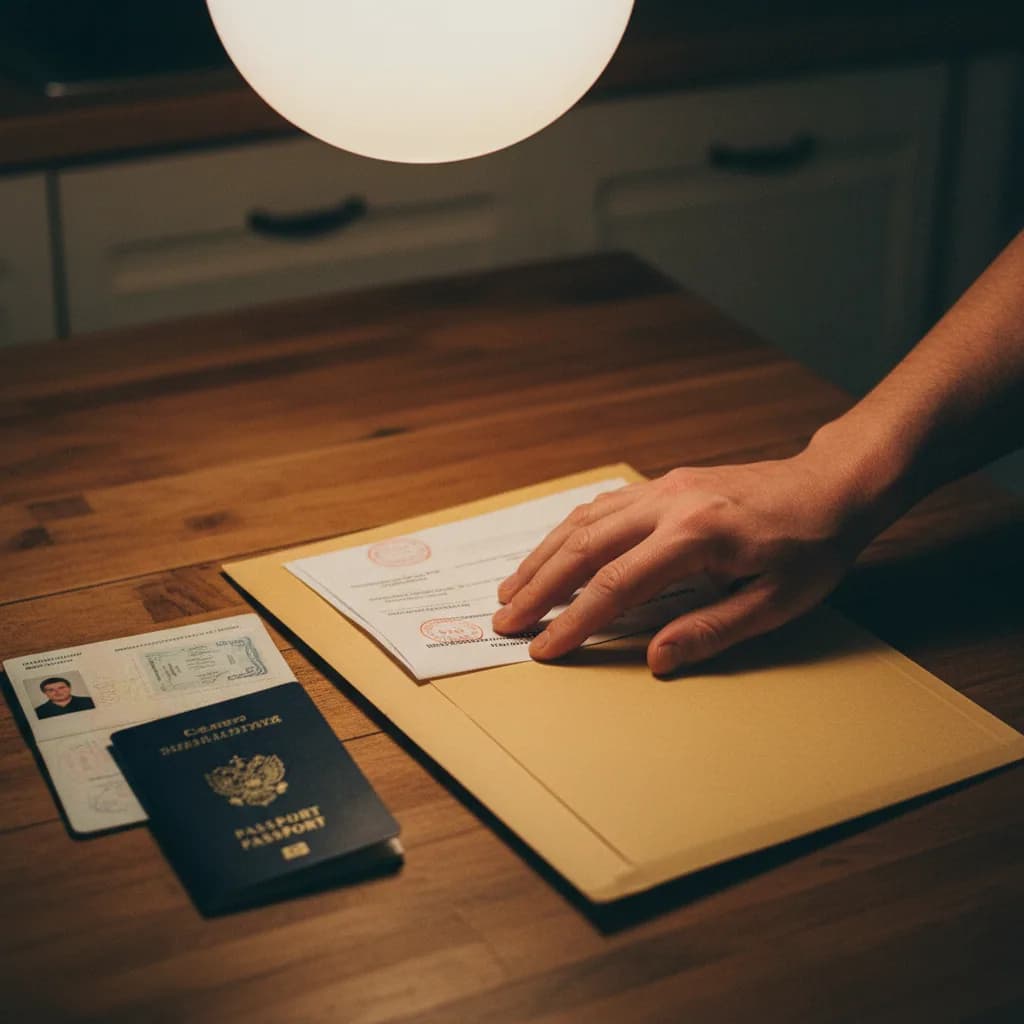
- Completed ART application form
- Copy of the refusal decision
- Application fee payment (approximately AUD $3,374)
- Brief statement of why you believe the decision was wrong
Fee Reduction: If you're experiencing financial hardship, you can apply for a reduced fee at the time of lodging.
Step 2: The Department's Documents
After you lodge, the ART requests the Department's file (called the "Section 501 documents" or "tribunal file"). This contains:
- Your original visa application
- All documents you submitted
- Any information the Department obtained
- The decision record
- Internal notes and assessments
You're entitled to see these documents. Review them carefully — they may reveal information or reasoning you weren't previously aware of.
Step 3: Prepare Your Submission
This is the most important part. Your submission should:
- Address every reason for refusal specifically
- Provide new evidence that wasn't available at the original decision
- Explain why the original decision was wrong based on the evidence
- Reference relevant legislation, policy, and case law
- Be organised, clear, and focused
What Makes a Strong Submission
- New evidence: Documents, statements, or information that addresses the specific refusal reasons
- Legal arguments: How the law and policy should have been applied to your circumstances
- Case references: Previous ART or court decisions with similar facts that resulted in favourable outcomes
- Witness statements: Statutory declarations from relevant people supporting your case
Step 4: The Hearing
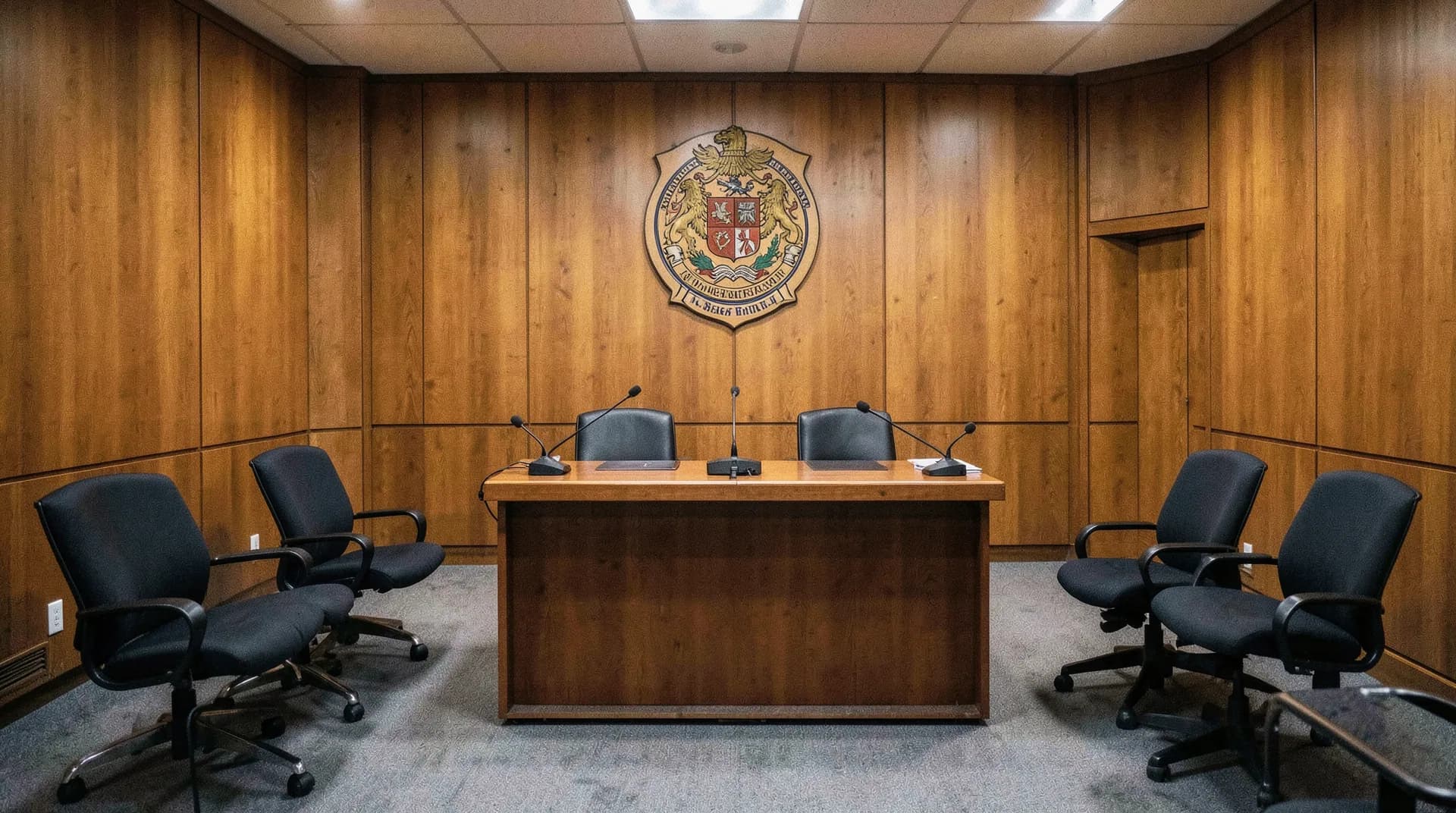
Most ART reviews include a hearing where you (or your representative) present your case to a tribunal member.
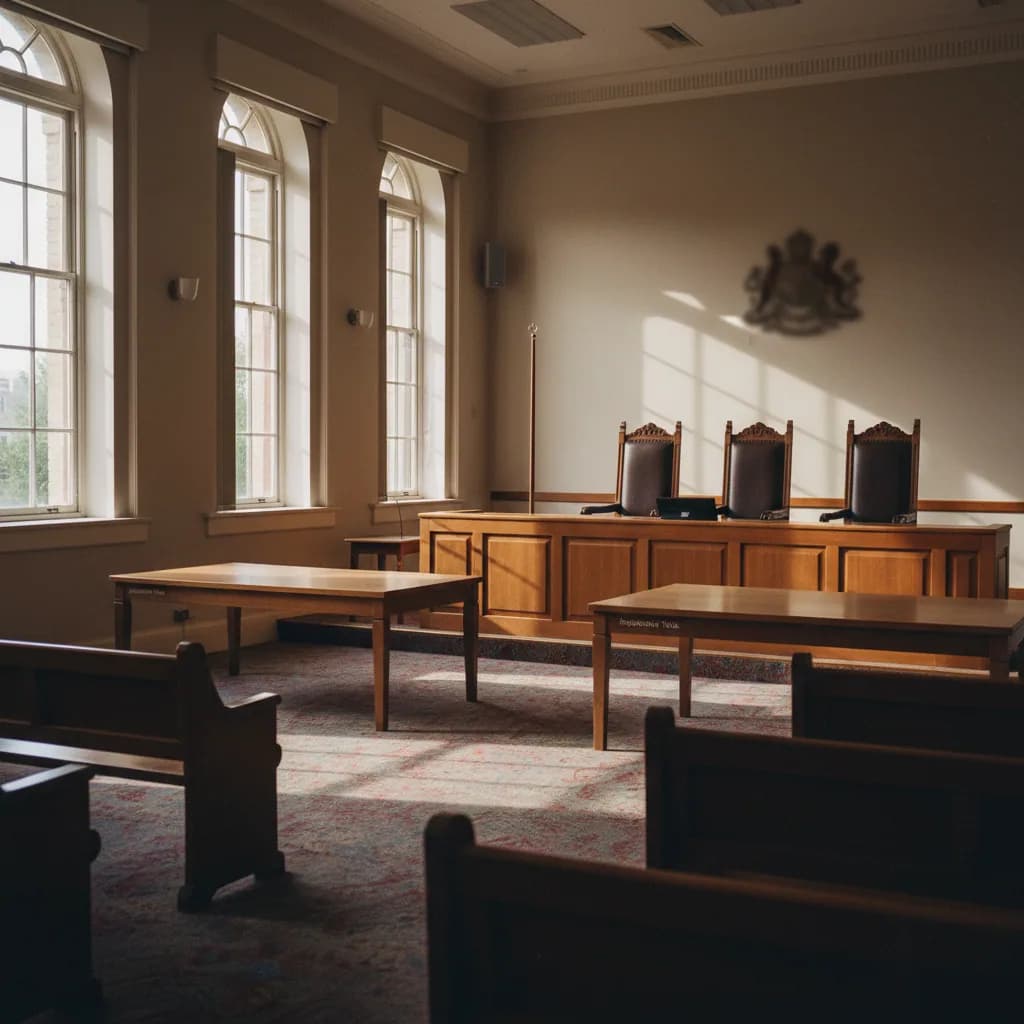
Format: In person at an ART office, by telephone, or by video conference. The format depends on the case type and your preference.
Duration: Typically 30 minutes to 2 hours, depending on complexity.
What Happens at the Hearing:
- The tribunal member introduces the case
- You (or your representative) present your arguments
- The tribunal member asks questions
- You may present witnesses
- The tribunal member may identify additional issues
- The hearing concludes
Tips for the Hearing:
- Be honest — tribunal members are experienced at identifying inconsistencies
- Answer questions directly and concisely
- Bring organised copies of all evidence
- If using an interpreter, request one in advance
- Dress appropriately and arrive early
Step 5: The Decision
After the hearing, the tribunal member considers all evidence and makes a decision. This can take several weeks to months.
Possible Outcomes:
- Affirm: The tribunal agrees with the original refusal — your appeal fails
- Remit: The tribunal sends the case back to the Department for reconsideration with specific directions
- Set Aside: The tribunal overturns the original decision — your appeal succeeds
How Long Does It Take?
From lodging to decision, ART reviews typically take:
- Simple cases: 3-6 months
- Standard cases: 6-12 months
- Complex cases: 12-18+ months
The timeline depends on tribunal workload, case complexity, and how quickly you provide submissions and evidence.
Costs
| Item | Cost |
|---|---|
| ART application fee | ~AUD $3,374 |
| Migration agent representation | AUD $3,000-$10,000+ |
| Lawyer representation | AUD $5,000-$20,000+ |
| Document translations | Variable |
| Expert reports (if needed) | Variable |
If the ART decides in your favour, the application fee is refunded.
Tips for a Successful Appeal
Provide New Evidence
The ART conducts a fresh review, meaning you can submit evidence that wasn't part of your original application. This is your opportunity to fill gaps that led to the refusal.
Address the Specific Reasons
Don't argue generally that you deserve a visa. Address each specific refusal reason with targeted evidence and arguments. If the refusal was about financial capacity, provide comprehensive financial evidence. If it was about the Genuine Student requirement, provide a detailed revised statement.
Consider Professional Representation
ART appeals are quasi-legal proceedings. A registered migration agent or lawyer who regularly handles tribunal cases can significantly improve your chances.
Be Realistic
Not every refusal should be appealed. If the refusal reasons are fundamentally correct (you genuinely don't meet the criteria), an appeal is likely to waste time and money. Consider whether reapplying with changed circumstances would be more effective.
Frequently Asked Questions
Can I stay in Australia during the appeal?
Generally yes. Lodging an ART application while onshore typically grants you a Bridging Visa A with conditions that allow you to remain until the appeal is decided.
What if I lose the appeal?
If the ART affirms the refusal, you may be able to seek judicial review in the Federal Court or Federal Circuit Court, but this is limited to legal errors (not fresh merits review). You can also consider reapplying or departing Australia.
Can I submit new evidence at the ART?
Yes. The ART conducts a merits review, meaning you can submit new evidence, updated documents, and additional information that wasn't part of your original application.
Do I need a lawyer or agent for the ART?
It's not mandatory — you can represent yourself. However, professional representation is strongly recommended, particularly for complex cases or if the refusal involves legal interpretation.
How much does an ART appeal cost in total?
The ART fee is approximately AUD $3,374, but total costs including professional representation can range from $5,000 to $20,000+ depending on complexity. The ART fee is refunded if you win.
What's the success rate at the ART?
Success rates vary significantly by visa type. Partner visa appeals tend to have higher success rates than student visa appeals. Overall, approximately 20-30% of migration cases result in the original decision being set aside or remitted, but this varies widely.