Dual Citizenship in Australia: Complete Guide
Australia has allowed dual (and even multiple) citizenship since 2002, when the Australian Citizenship Act was amended to remove the requirement that new citizens renounce their previous nationality. This means you can become an Australian citizen without giving up your existing citizenship — and Australians who acquire another nationality don't automatically lose their Australian citizenship. Here's what you need to know about the practical implications.
Quick Facts: Dual Citizenship
| Detail | Information |
|---|---|
| Allowed in Australia? | Yes — since 4 April 2002 |
| Legal Basis | Australian Citizenship Act 2007 (and 2002 amendments) |
| Multiple citizenships? | Yes — you can hold Australian + other citizenships simultaneously |
| Automatic loss? | No — acquiring another citizenship doesn't remove Australian citizenship |
| Country restrictions | Some OTHER countries don't allow dual citizenship |
| Travel | Enter/leave Australia on Australian passport |
Australia's Position
Since 2002
Before 2002, Australians who voluntarily acquired another citizenship would lose their Australian citizenship. Since the 2002 amendments:
- Australians can acquire another nationality without affecting their Australian citizenship
- People becoming Australian citizens are not required to renounce their previous citizenship
- Australians can hold citizenship of multiple countries simultaneously
What This Means Practically
If you're becoming an Australian citizen while holding another citizenship:
- You do not need to renounce your current citizenship to become Australian
- Your other country's citizenship is not affected by Australia (though it may be affected by your other country's laws)
- You can hold and use multiple passports
- You can pass citizenship to your children (subject to each country's rules)
Countries That DON'T Allow Dual Citizenship
While Australia allows dual citizenship, your other country might not. Some countries require you to renounce their citizenship if you acquire another nationality. Countries with restrictions include:
Countries Generally Not Allowing Dual Citizenship
- China: Chinese citizenship is automatically lost upon acquiring another nationality
- India: India does not recognise dual citizenship (but offers OCI — Overseas Citizen of India — as a quasi-citizenship status)
- Japan: Generally requires choosing one citizenship by age 22
- Singapore: Does not allow dual citizenship after age 22
- South Korea: Generally not allowed (some exceptions for ethnic Koreans)
- Indonesia: Does not recognise dual citizenship for adults
- Malaysia: Does not recognise dual citizenship
- Myanmar: Does not allow dual citizenship
- Saudi Arabia: Generally not allowed without royal permission
Countries With Conditional Dual Citizenship
- Germany: Allowed in certain circumstances (EU citizens, by birth)
- Thailand: Technically not recognised, but not actively enforced for citizens who acquire Australian citizenship
- Netherlands: Allowed in some circumstances but lost automatically in others
Countries That Commonly Allow Dual Citizenship
- UK, Ireland, US, Canada, New Zealand: All permit dual citizenship
- Italy, France, Germany (some cases): EU countries generally permit it
- South Africa, Philippines, Brazil, Colombia: Permit dual citizenship
Important: This list is general guidance only. Citizenship laws change, and individual circumstances vary. Check with your country's embassy or consulate for current rules.
Practical Implications
Travel
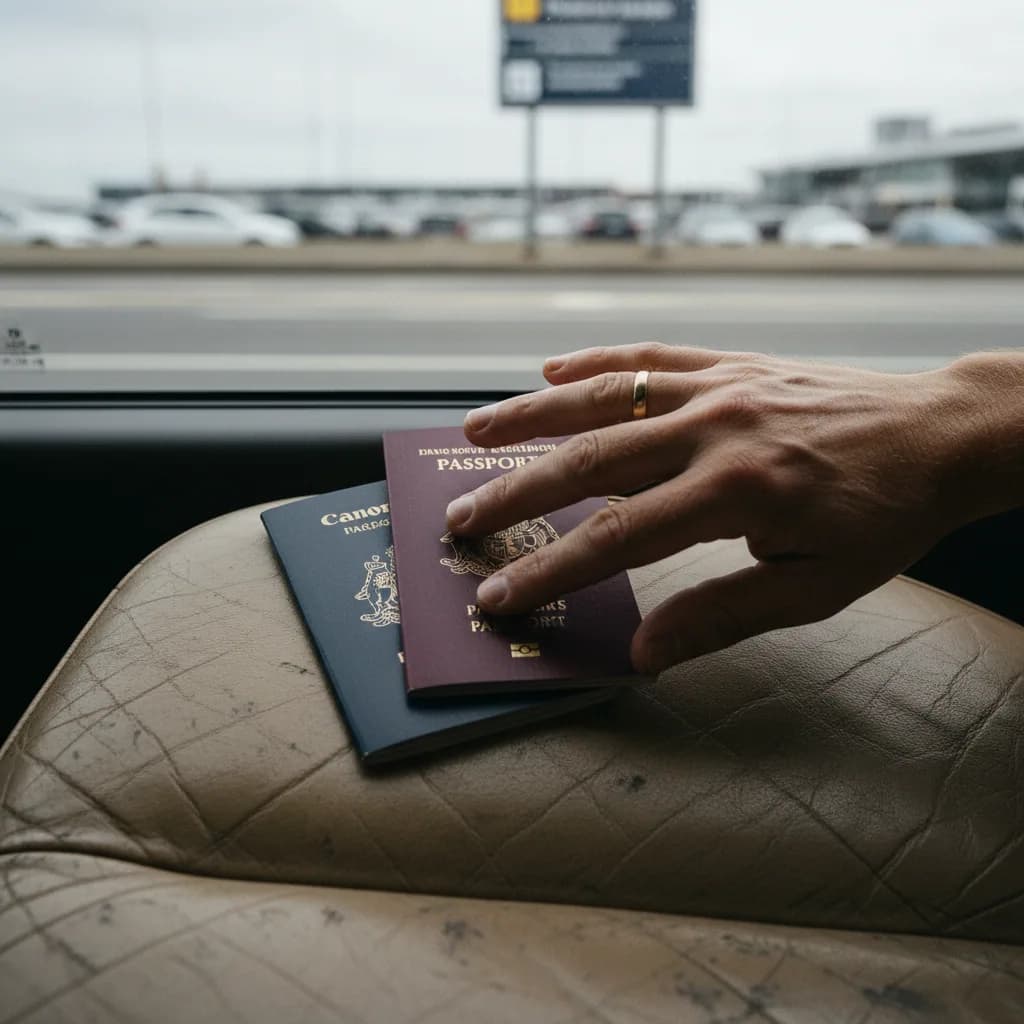
Entering and leaving Australia: You must use your Australian passport. It's a legal requirement for Australian citizens to enter and leave Australia on an Australian passport (or an approved Australian travel document).
Entering your other country: Use that country's passport. Most countries require their citizens to enter and leave on their own passport.
Third countries: Use whichever passport gives you the best access (e.g., visa-free entry).
Tax
Dual citizens may have tax obligations in both countries. Australia taxes based on residency, not citizenship (unlike the US, which taxes based on citizenship). Consult a tax professional if you have income or assets in multiple countries.
Voting
Australia: Voting is compulsory for Australian citizens residing in Australia. Dual citizens must vote in Australian elections.
Other country: You may also have voting rights (or obligations) in your other country.
Military Service
Some countries have compulsory military service. Dual citizens may be subject to military service obligations in their other country.
Children
Children born to Australian citizens may automatically acquire Australian citizenship by descent. They may also acquire citizenship of the other parent's country. Rules vary by country.
Political Office
The Australian Constitution (section 44) restricts people who hold citizenship of a "foreign power" from sitting in Parliament. Dual citizens who wish to run for federal Parliament must renounce their other citizenship before nomination. Several Australian politicians have been caught by this provision.
Becoming an Australian Citizen
Eligibility
To become an Australian citizen by conferral (naturalisation), you must:
- Be a permanent resident
- Have lived in Australia for at least 4 years (including 12 months as permanent resident)
- Meet residency requirements (not absent for more than 12 months total in 4 years)
- Be of good character
- Have basic English knowledge
- Pass the citizenship test (or be exempt)
- Intend to maintain a close connection with Australia
The Process
- Check eligibility
- Apply online through ImmiAccount
- Attend and pass the citizenship test
- Attend a citizenship ceremony
- Make the Australian Citizenship Pledge
- Receive your citizenship certificate
Cost
The citizenship application fee is approximately AUD $490.
Losing Australian Citizenship
Australian citizenship can only be lost in limited circumstances:
- Renunciation: You voluntarily apply to renounce Australian citizenship
- Revocation: The Minister revokes citizenship in cases of fraud, concealment of material facts, or in certain national security situations
- Cessation: For people who acquired citizenship automatically (e.g., by birth) and also hold another citizenship, in certain circumstances
Simply acquiring another citizenship does NOT cause you to lose Australian citizenship (since 2002).
Frequently Asked Questions
Can I have three citizenships?
Yes. Australia places no limit on the number of citizenships you can hold. You can be an Australian citizen while also being a citizen of two or more other countries, provided those countries also allow it.
Will I lose my Indian/Chinese citizenship if I become Australian?
India and China do not allow dual citizenship. Acquiring Australian citizenship will cause you to lose your Indian or Chinese citizenship. India offers OCI (Overseas Citizen of India) as an alternative status.
Do I need to travel on my Australian passport?
Yes, when entering and leaving Australia. It's a legal requirement. When entering another country of your citizenship, use that country's passport.
Can my children be dual citizens?
Usually yes. A child born to an Australian citizen parent and a parent of another nationality may acquire both citizenships at birth (depending on the other country's laws). Children born in Australia to permanent residents may acquire Australian citizenship automatically.
Does dual citizenship affect my visa status?
If you're an Australian citizen, you don't need a visa for Australia. If you hold a second citizenship from a country that doesn't require visas (or requires only ETA/eVisitor) for Australia, that's irrelevant once you're Australian.
Can I pass Australian citizenship to children born overseas?
Yes. Children born overseas to an Australian citizen parent automatically acquire Australian citizenship by descent. They need to register the birth and apply for Australian citizenship documentation. There is no time limit for registration.