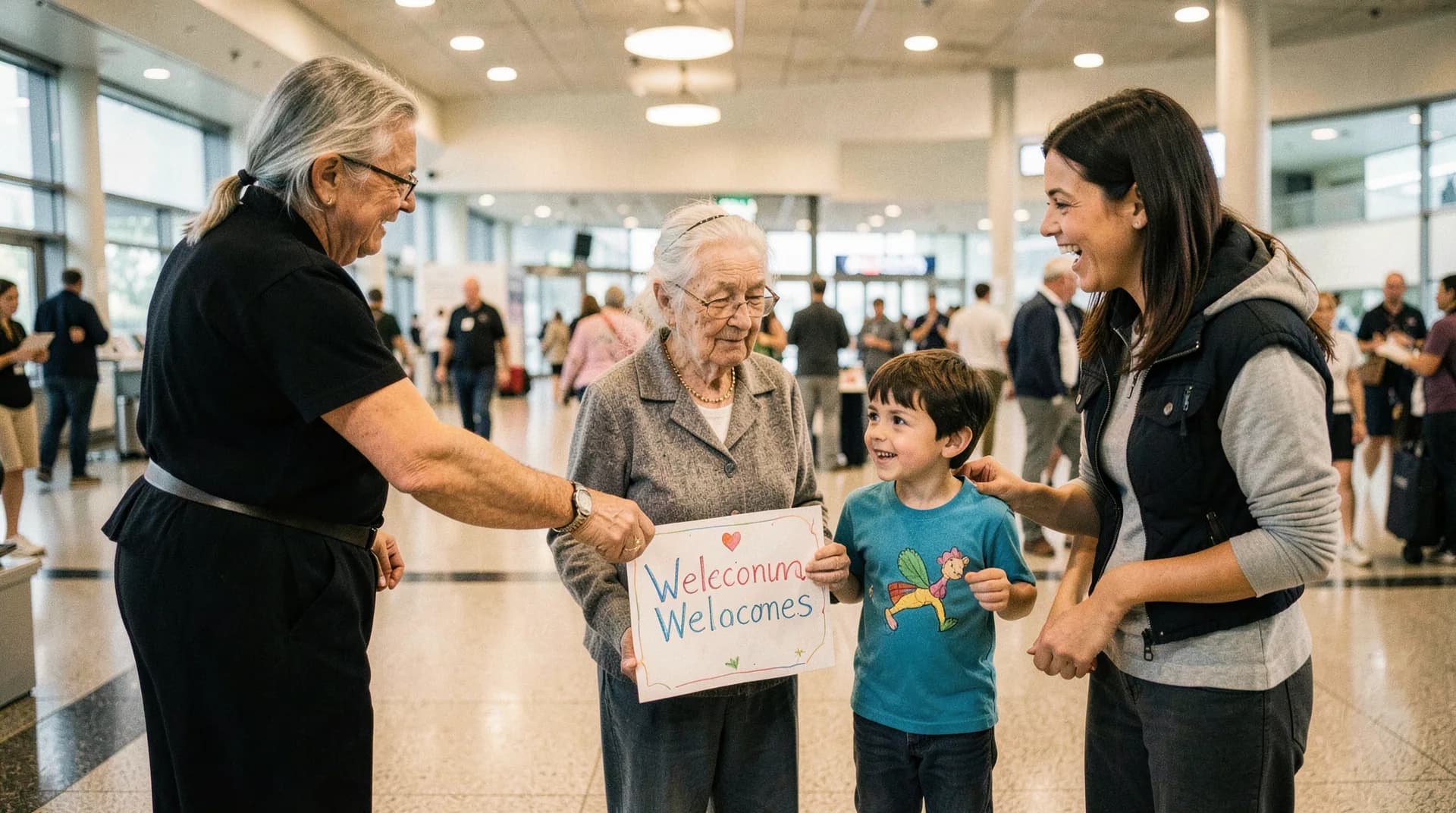
Carer Visa (Subclass 116/836): Caring for an Australian Relative
The Carer Visa allows you to move to Australia permanently to provide care for a relative who is an Australian citizen, permanent resident, or eligible New Zealand citizen and who has a long-term medical condition. The Subclass 116 is applied for outside Australia and the Subclass 836 from inside Australia. Both grant permanent residence. You must provide medical evidence that your relative needs care, that the care cannot be obtained from existing services, and that you are the appropriate person to provide it.
Quick Facts
| Detail | Subclass 116 (Offshore) | Subclass 836 (Onshore) |
|---|---|---|
| Apply from | Outside Australia | Inside Australia |
| Cost | $4,990 | $4,990 |
| Processing time | 3-5 years | 3-5 years |
| Visa type | Permanent | Permanent |
| Assurance of support | Required | Required |
| Medical evidence | Required | Required |
Who Qualifies?
The Carer (You)
- Must be a relative of the person needing care (sibling, parent, child, niece, nephew, aunt, uncle, or their partner)
- Must be willing and able to provide the required care
- Must pass health and character requirements
- Must have an assurance of support provided by an Australian resident
The Person Needing Care
- Must be an Australian citizen, permanent resident, or eligible NZ citizen
- Must have a medical condition that requires ongoing care
- The care needed must not be reasonably available from Australian care services
- Must provide medical evidence from a qualified medical practitioner
Medical Evidence Requirements
The medical evidence is the most critical part of the carer visa application. You need:
From the relative's doctor:
- Detailed description of the medical condition
- The specific care needed (frequency, type, duration)
- Why existing Australian care services cannot provide this care
- Why the applicant (you) is the appropriate carer
- Prognosis and expected duration of care needs
From a Government-appointed Medical Officer of the Commonwealth (MOC):
- Assessment confirming the care need
- Verification that Australian services are inadequate
- Confirmation that the applicant can provide the required care
The MOC assessment is crucial — many carer visa applications fail because the MOC determines that the care is available through existing services.
The Care Must Not Be Available Through Other Services
This is the highest hurdle. Australia has extensive aged care, disability, and healthcare services. The Department needs to be convinced that:
- Existing home care packages are insufficient
- Residential aged care isn't appropriate
- NDIS services don't meet the need
- Hospital or community health services can't provide the care
- The specific, personal nature of the care requires a family member
In practice, this means the relative's condition must be such that standard services cannot adequately address their needs, and a family carer is genuinely necessary.
Application Process
- Gather medical evidence (relative's treating doctor and MOC assessment)
- Provide evidence of your relationship to the relative
- Arrange an assurance of support
- Lodge the application (116 offshore or 836 onshore)
- Wait for processing (3-5 years)
- Visa granted
Choosing Between Onshore (836) and Offshore (116)
The choice between the two subclasses depends on where you are when you apply, but there are practical differences worth understanding.
Subclass 836 (Onshore) is applied for while you're in Australia. If you're already here on a tourist visa or another temporary visa and your relative's care need arises, you can apply from within Australia. A bridging visa is granted during processing, which means you can stay in Australia legally while the application is being decided. This is often the better choice if you're already providing care.
Subclass 116 (Offshore) is applied for from outside Australia. If you're still in your home country, you'd apply for the 116. The downside is that you can't provide care to your relative during the 3-5 year processing period unless you arrange separate temporary visas to visit.
In practice, many applicants enter Australia on a visitor visa, begin providing care, and then apply for the 836 onshore. This approach ensures the relative receives care immediately rather than waiting years for the offshore application to be processed.
Common Reasons for Refusal
The carer visa has one of the higher refusal rates among family visas, primarily because of the strict medical evidence requirements. The most common reasons applications fail:
- The MOC determines that care is available through existing services. This is by far the most frequent reason. Australia's aged care, disability, and health systems are extensive, and the Department takes the position that these services should be used first.
- Insufficient medical documentation. The treating doctor's letter lacks detail about the specific care required, or doesn't adequately explain why standard services are insufficient.
- The relationship between carer and patient isn't close enough. More distant relatives may struggle to demonstrate why they — specifically — are the appropriate carer.
- The carer isn't able to provide the care. If you have your own health issues or other commitments that would prevent you from being an effective full-time carer, the application may fail.
If your application is refused, you can appeal to the Administrative Appeals Tribunal, where a fresh assessment of the medical evidence can sometimes overturn the decision — particularly if the MOC's assessment was borderline.
Assurance of Support
An assurance of support is required, similar to the parent visa. An Australian resident must provide a financial guarantee (typically a $10,000-$14,000 bond) that you won't claim certain government benefits for a defined period.
Frequently Asked Questions
Can I work on a carer visa?
Yes. Once granted, the carer visa is a permanent visa with full work rights. However, your primary purpose is caring for your relative.
What if the relative's condition improves?
The visa is permanent — once granted, it's not conditional on continuing to provide care. However, your eligibility is assessed based on the condition at the time of application.
Can I bring my family?
Your spouse/de facto partner and dependent children can be included in the application as secondary applicants.
What if the relative passes away during processing?
The application may be affected. Consult a migration agent about your options if this occurs during the processing period.
How does this differ from a parent visa?
The carer visa is specifically for providing care to an Australian relative. The parent visa is for parents of Australian residents, regardless of care needs. Different eligibility criteria apply.