The Subclass 103 Parent Visa grants permanent residence to parents of Australian citizens, permanent residents, or eligible New Zealand citizens. It costs from $8,665 — far less than the contributory option — but the trade-off is extraordinary: Home Affairs estimates 42 years to process a new application. The queue is essentially frozen, with only a small number of visas allocated annually. Despite this, many parents lodge applications as a placeholder while considering other options like the Contributory Parent Visa (143).
Quick Facts
| Detail | Information |
|---|---|
| Visa subclass | 103 |
| Cost | From $8,665 (single applicant) |
| Processing time | 42 years (Home Affairs estimate for new applications) |
| Visa type | Permanent |
| Balance of family test | Required |
| Assurance of support | Required |
| Apply from | Outside Australia |
| Age requirement | None |
The 42-Year Wait
The Subclass 103 is notorious for its extreme waiting time. The government allocates a very small number of places each year to the non-contributory parent visa queue, while the Contributory Parent Visa (143) receives the vast majority of annual parent visa places.
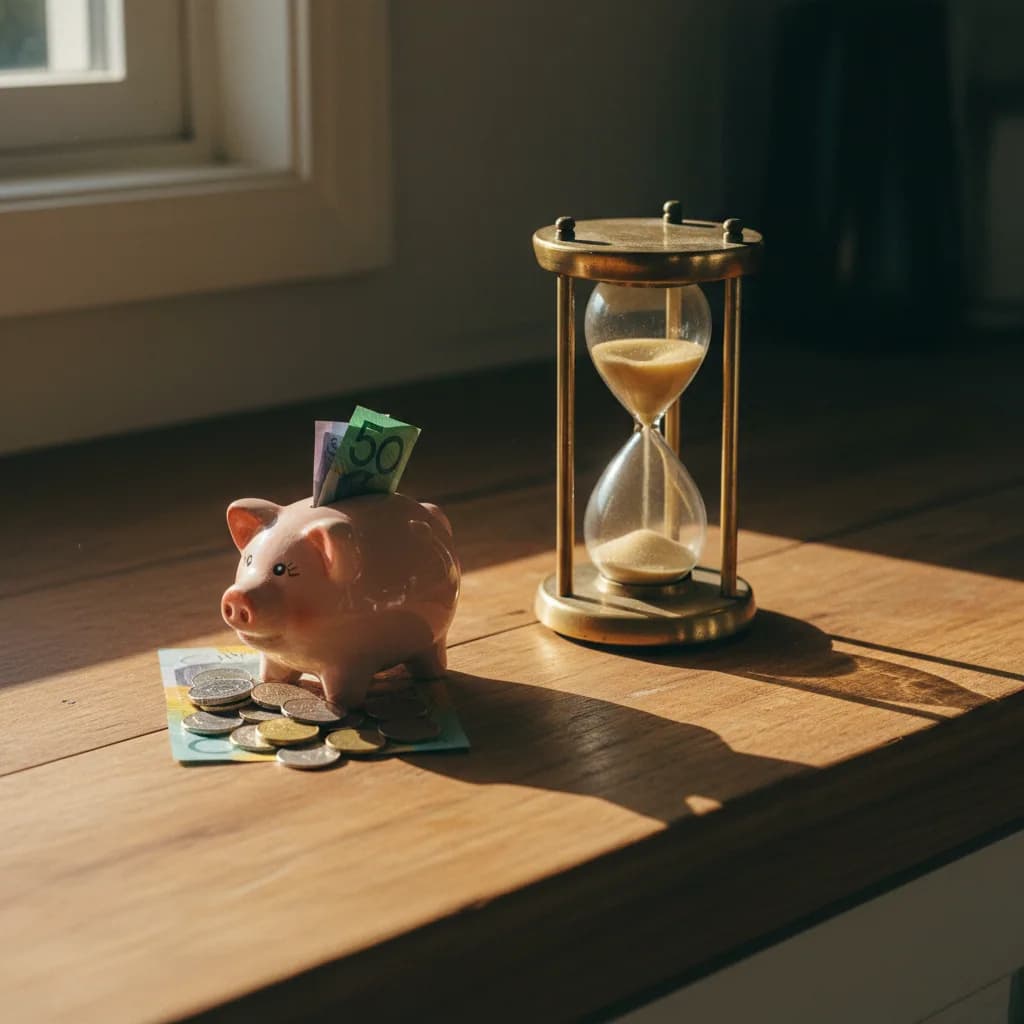
Why so long? There are tens of thousands of applications in the queue, and only a few hundred are processed annually. Home Affairs estimates that an application lodged today would take about 42 years.
Is it really that long? Home Affairs estimates 42 years for new Parent and Aged Parent visa applications, based on the current number of places each year.
Requirements
Balance of Family Test
At least half of your children must be Australian citizens, permanent residents, or eligible NZ citizens living in Australia. If you have four children and two live in Australia (as citizens or PRs), you meet the test. If only one of four lives in Australia, you don't.
"Children" includes:
- Biological children
- Adopted children
- Step-children (in some circumstances)
Sponsorship
Your child in Australia must sponsor you. The sponsor must be:
- An Australian citizen, permanent resident, or eligible NZ citizen
- Over 18 years of age
- Settled in Australia (lived here for at least 2 years, with some exceptions)
Assurance of Support
An assurance of support is a financial guarantee that you won't claim certain government benefits for a period (typically 10 years) after arrival. The assurance is provided by your sponsor or another person, and Centrelink assesses it.
The assurance amount varies but is typically $10,000-$14,000 per applicant. This money is held as a bond and returned after the assurance period if no claims were made.
Health and Character
Standard requirements apply. Parents are more likely to require comprehensive health examinations due to age-related health considerations. Pre-existing conditions that would be costly to the Australian health system may result in a Health Waiver requirement.
Should You Apply?
Arguments for Applying
- Placeholder: Lodging a 103 secures your place in the queue. You can later switch to the Contributory 143 (paying the difference) and jump ahead significantly.
- Low cost: From $8,665 is manageable for most families, compared to from $49,900 for the Contributory visa.
- Refundable if switching: If you later apply for the 143, the 103 fee may be partially credited.
Arguments Against
- An estimated 42 years is not a realistic pathway for most parents, particularly those already in their 60s or 70s.
- No interim visa rights. While waiting, you have no right to live in Australia. You can visit on tourist visas, but that's it.
- Health requirements may become harder to meet as you age over the decades-long wait.
The Practical Solution
Most families lodge the 103 as a long-term backup while pursuing faster alternatives:
- Contributory Parent Visa (143) — an estimated 18 years, but from $49,900
- Sponsored Parent Visa (870) — temporary, 3-5 years
- Repeated tourist visas — not ideal but allows regular visits
Costs Breakdown
| Item | Cost |
|---|---|
| Primary applicant | $6,600 first instalment + $2,065 second instalment |
| Partner (if included) | $3,300 first instalment + $2,065 second instalment |
| Assurance of support bond | $10,000-$14,000 |
| Health examinations | $500-$1,000 |
| Police clearances | Varies |
How to Apply
Step 1: Confirm Eligibility
Before spending the $6,600 first instalment, verify that you meet the balance of family test. Count all your children (biological, adopted, step-children) and check how many are Australian citizens or permanent residents living in Australia. At least half must be.
Step 2: Arrange a Sponsor
Your sponsoring child must be over 18, settled in Australia, and willing to lodge the sponsorship component. The sponsor's obligations include providing accommodation and financial support during your initial settlement period.
Step 3: Gather Documents
You'll need:
- Your passport and identity documents
- Birth certificates for all your children (to demonstrate the balance of family test)
- Your sponsoring child's proof of Australian citizenship or permanent residence
- Evidence that your sponsor is settled in Australia (utility bills, lease agreements, employment records)
- Health examination results from an approved panel physician
- Police clearances from every country you've lived in for 12 months or more since turning 16
Step 4: Lodge the Application
Applications are lodged online through ImmiAccount. Pay the first instalment ($6,600). You'll get a queue date once your application is assessed as meeting the core visa criteria, and Home Affairs estimates about 42 years for new applications.
Step 5: Wait
During the decades-long wait, keep your contact details and passport information updated with the Department. You may be asked to provide updated health examinations and police clearances closer to the decision time. Your sponsoring child must still be eligible to sponsor you when the decision is finally made.
Frequently Asked Questions
Can I live in Australia while waiting for the 103?
No. The 103 is applied for from outside Australia, and you have no right to stay in Australia during the decades-long processing. You can visit on tourist visas.
Can I switch from 103 to 143?
Yes. You can apply for the Contributory 143 while your 103 is pending. If the 143 is granted, the 103 application is withdrawn. Some fees may be credited.
What happens if my sponsoring child leaves Australia?
If your sponsor is no longer in Australia, you may lose your sponsorship. However, the balance of family test and sponsorship are re-assessed at decision time — which could be an estimated 42 years away.
Is the 42-year wait likely to decrease?
Unlikely. The government has consistently prioritised the Contributory visa over the non-contributory visa. Without a significant policy change, the 103 queue will remain effectively frozen.
Can I include my partner?
Yes. Your spouse or de facto partner can be included as a secondary applicant on the 103 application.