Contributory Parent Visa (Subclass 143): $48,640 Pathway
The Contributory Parent Visa (Subclass 143) grants permanent residence to parents of Australian citizens or permanent residents. It costs $48,640 for the primary applicant (paid in two instalments), processes in approximately 4-6 years, and requires a balance of family test and assurance of support. While significantly more expensive than the non-contributory 103, the 143 actually gets processed within a parent's lifetime — making it the practical choice for most families.
Quick Facts
| Detail | Information |
|---|---|
| Visa subclass | 143 |
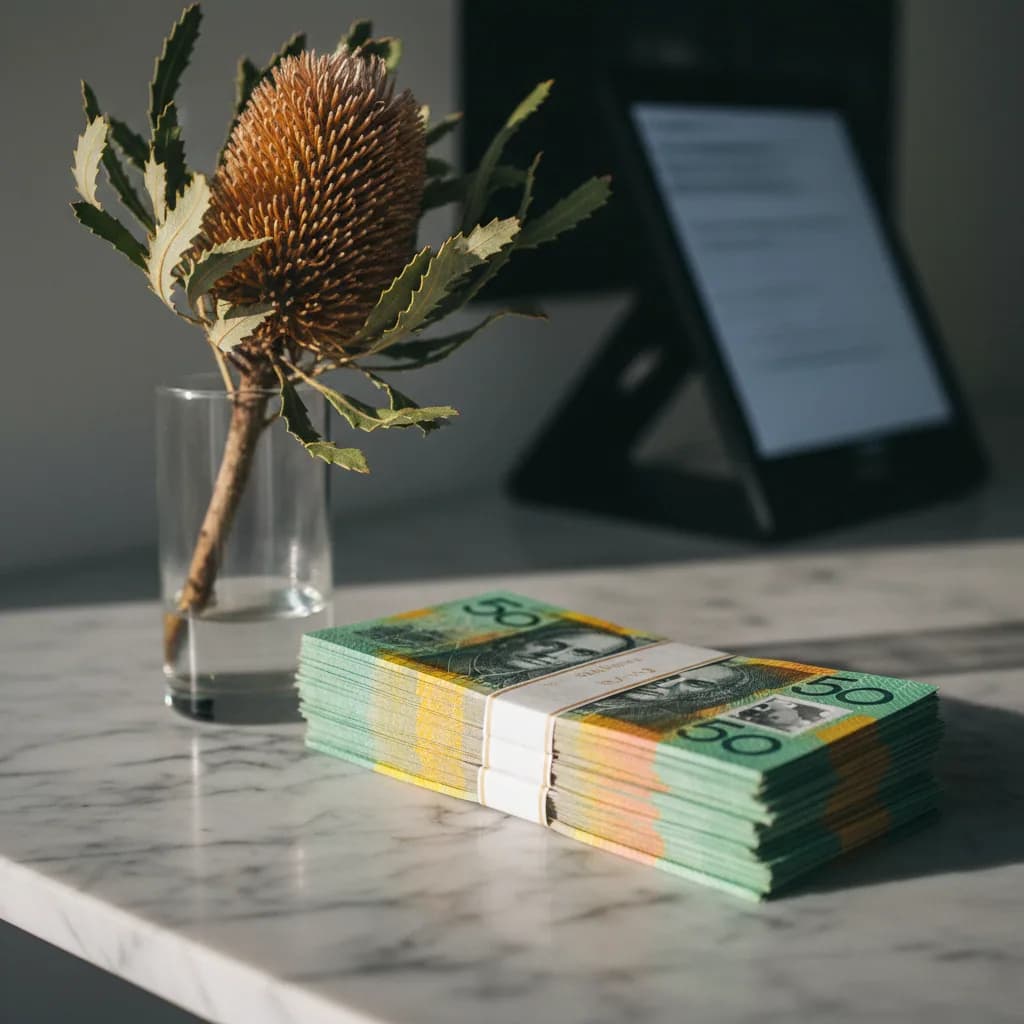
| Total cost | $48,640 (2 instalments) |
| First instalment | $4,990 |
| Second instalment | $43,600 |
| Processing time | 4-6 years |
| Balance of family test | Required |
| Assurance of support | Required ($10,000-$14,000 bond) |
| Apply from | Outside Australia |
| Visa type | Permanent |
How the Two-Instalment System Works
The 143 visa fee is paid in two parts:
First instalment ($4,990): Paid when you lodge the application. This is the same amount as the non-contributory 103, which allows families to start with a 103 application and switch to the 143 later.
Second instalment ($43,600): Paid when the Department is ready to grant the visa (i.e., you've been assessed and are about to be approved). You have 28 days to pay this instalment. If you don't pay, the visa is not granted.
For a couple (primary applicant + partner), the total is approximately $78,145.
Eligibility Requirements
Balance of Family Test
Same as the 103 visa: at least half your children must live permanently in Australia as citizens, PRs, or eligible NZ citizens.
Sponsorship
An eligible child in Australia must sponsor you. The sponsor must:
- Be an Australian citizen, permanent resident, or eligible NZ citizen
- Be over 18
- Be settled in Australia (normally 2+ years residence)
Assurance of Support
The sponsor (or another assurer) must provide an assurance of support assessed by Centrelink. This involves:
- Lodging a bond (typically $10,000-$14,000 per applicant)
- Demonstrating sufficient income to support the parent
- Committing to repaying any recoverable government benefits the parent accesses during the assurance period (10 years)
Health Requirements
Parents must meet health requirements. Given the older age of most applicants, comprehensive health examinations are standard. Conditions that would impose significant costs on the Australian healthcare system may require a health waiver.
The health waiver process considers:
- The estimated cost of your medical treatment
- Whether the condition is manageable
- Compassionate and compelling factors (family in Australia, grandchildren, etc.)
Processing Timeline
| Stage | Approximate Timing |
|---|---|
| Application lodged (1st instalment paid) | Day 0 |
| Acknowledgment | 2-4 weeks |
| Queue position assigned | 1-3 months |
| Health and character checks requested | 3-5 years |
| 2nd instalment requested | 4-6 years |
| Visa granted | 4-6 years |
The majority of the waiting time is simply queue time — your application sits in line until the Department reaches it.
Costs Breakdown
| Item | Cost per Person |
|---|---|
| First instalment | $4,990 |
| Second instalment | $43,600 |
| Total visa fee | $48,640 |
| Assurance of support bond | $10,000-$14,000 |
| Health examination | $500-$1,000 |
| Police clearances | Varies |
| Migration agent (optional) | $3,000-$8,000 |
For a couple: Approximately $78,145 in visa fees + $20,000-$28,000 in assurance bonds = $98,000-$106,000 total.
This makes the 143 one of the most expensive visas in the world. Families should plan financially well in advance.
Is the 143 Worth the Cost?
When It's Worth It
- Your parent is in their 60s-70s and a 30-year wait (103) isn't realistic
- Your family can afford the cost
- Having your parent in Australia permanently provides significant family and care benefits
- Your parent will access Medicare and age pension (after waiting periods)
Financial Analysis
Once granted, the parent receives:
- Medicare: Access to Australia's public healthcare system
- Age pension: Eligible after 10 years of Australian residence (subject to other criteria)
- Permanent residence rights: Work, travel, live anywhere in Australia
Over 10-20 years, the value of Medicare alone (covering hospital stays, GP visits, and medications) far exceeds the visa cost. For a parent with health conditions, Australian healthcare access is extremely valuable.
Alternatives While Waiting
Sponsored Parent Visa (870)
The Subclass 870 provides temporary residence for 3-5 years while you wait for the 143. Your parent can live with you in Australia, though they won't have Medicare or work rights.
Repeated Tourist Visas
Your parent can visit Australia on tourist visas (Subclass 600) for up to 12 months at a time. This isn't a permanent solution but allows regular contact.
Contributory Parent (Temporary) Subclass 173
The 173 is a temporary version of the 143. It costs less upfront and grants a 2-year temporary visa, after which you can apply for the 143. This spreads the financial burden over a longer period.
Frequently Asked Questions
Can I get the assurance of support bond back?
Yes. If your parent doesn't claim recoverable government benefits during the assurance period (10 years), the bond is returned in full. If they do claim benefits, the bond is used to offset those costs.
Can my parent work on a 143 visa?
Yes. As a permanent resident, your parent can work without restrictions.
Can my parent access Medicare immediately?
Yes. Permanent residents are eligible for Medicare from the date of visa grant.
What happens if my parent's health deteriorates during the wait?
Health is assessed when the Department processes the application (near the end of the queue), not at lodgement. If your parent's health deteriorates during the 4-6 year wait, they may face a health waiver request at assessment time.
Can both parents apply?
Yes. Both parents can be included in one application (one as primary, one as secondary), or they can lodge separate applications. Including both in one application is usually more cost-effective.
What if I can't afford the second instalment when it's requested?
You have 28 days to pay. If you can't pay, the visa is not granted and the first instalment is not refunded. Plan your finances well in advance — you'll know approximately when the second instalment will be due based on the queue.