Medicare for Australian Visa Holders: Who's Eligible?
Not all visa holders in Australia are eligible for Medicare. Australian citizens and permanent residents have full Medicare access. Some temporary visa holders qualify through Reciprocal Health Care Agreements (RHCA) with 11 countries including the UK, Ireland, New Zealand, and several European nations. Student visa holders are ineligible and must hold Overseas Student Health Cover (OSHC). Working holiday visa holders from RHCA countries get limited Medicare access. Understanding your eligibility is critical because medical costs without Medicare or insurance can be devastating.
Who Gets Full Medicare Access
Automatic eligibility:
- Australian citizens (including dual citizens)
- Permanent residents (all PR visa subclasses)
- New Zealand citizens living in Australia (under the NZ-Australia healthcare arrangement)
- Applicants for permanent residency who hold certain bridging visas
Once you're granted permanent residency, you can enrol in Medicare immediately. You don't need to wait for your Medicare card to arrive; a temporary Medicare number can be issued at a Medicare service centre.
Permanent residents get full access to:
- Free or subsidised GP visits (through bulk billing)
- Free public hospital treatment as a public patient
- Subsidised specialist consultations
- Prescription medications under the Pharmaceutical Benefits Scheme (PBS)
- Pathology, diagnostic imaging, and other medical services listed on the Medicare Benefits Schedule (MBS)
- Optical services (limited)
Reciprocal Health Care Agreements (RHCA)
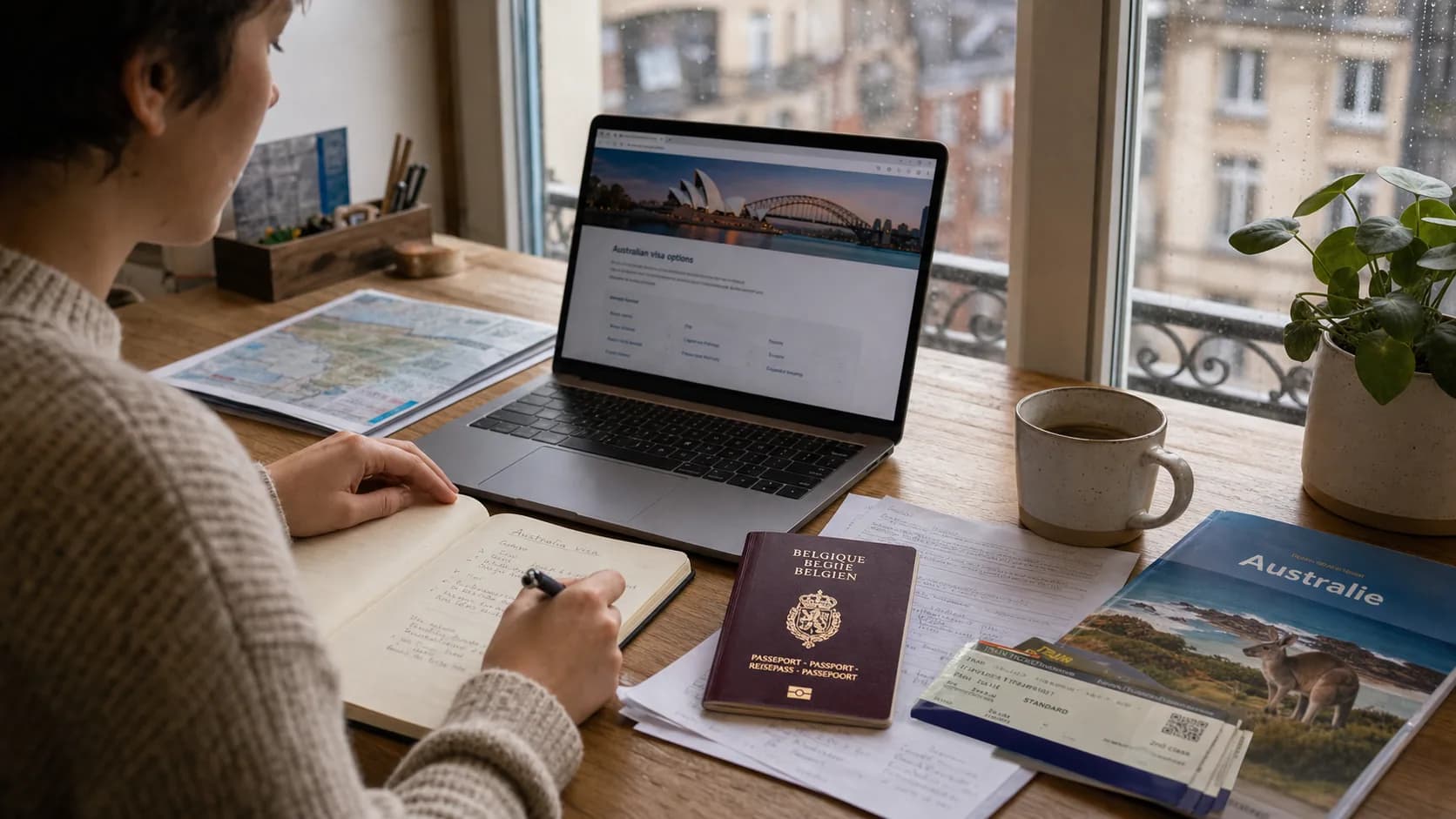
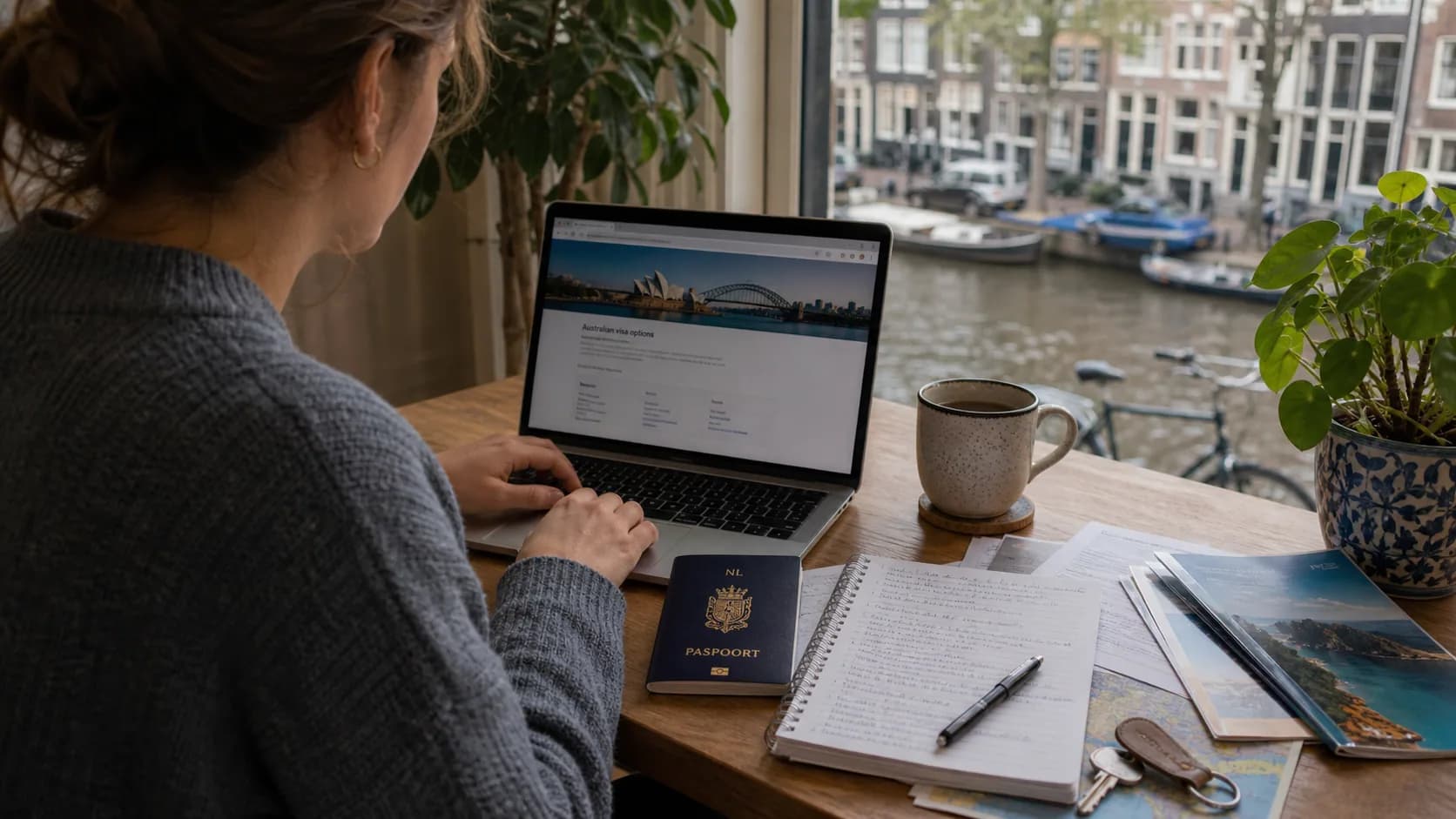
Australia has healthcare agreements with 11 countries. If you're a citizen of one of these countries visiting or living temporarily in Australia, you may be eligible for limited Medicare services.
RHCA Countries
| Country | Coverage Level |
|---|---|
| United Kingdom | Medically necessary treatment |
| Ireland | Medically necessary treatment |
| New Zealand | Full (essentially equivalent to Australian citizens) |
| Belgium | Medically necessary treatment |
| Finland | Medically necessary treatment |
| Italy | Medically necessary treatment |
| Malta | Medically necessary treatment |
| Netherlands | Medically necessary treatment |
| Norway | Medically necessary treatment |
| Slovenia | Medically necessary treatment |
| Sweden | Medically necessary treatment |
What "medically necessary" means: RHCA coverage provides access to essential medical treatment, not elective or non-urgent care. You can see a bulk-billing GP, receive public hospital treatment for conditions that can't wait until you return home, and access PBS medications. You generally can't access elective surgery, non-urgent specialist treatment, or ongoing management of pre-existing conditions.
Important: RHCA eligibility depends on your visa type, not just your nationality. Not all visa types qualify under all agreements. Working holiday visa holders from RHCA countries generally qualify. Tourist visa holders from RHCA countries typically qualify for emergency and medically necessary treatment.
How to enrol with RHCA coverage:
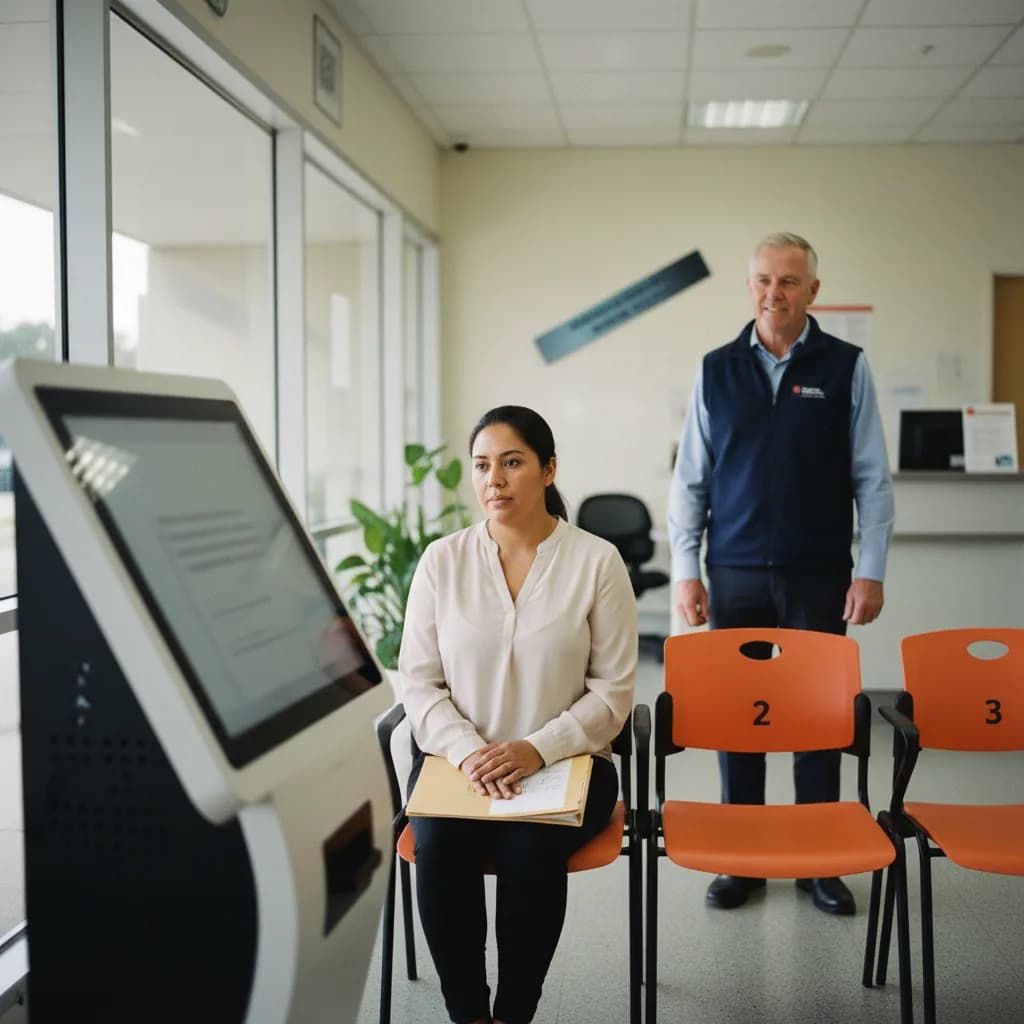
- Visit a Medicare service centre (Services Australia)
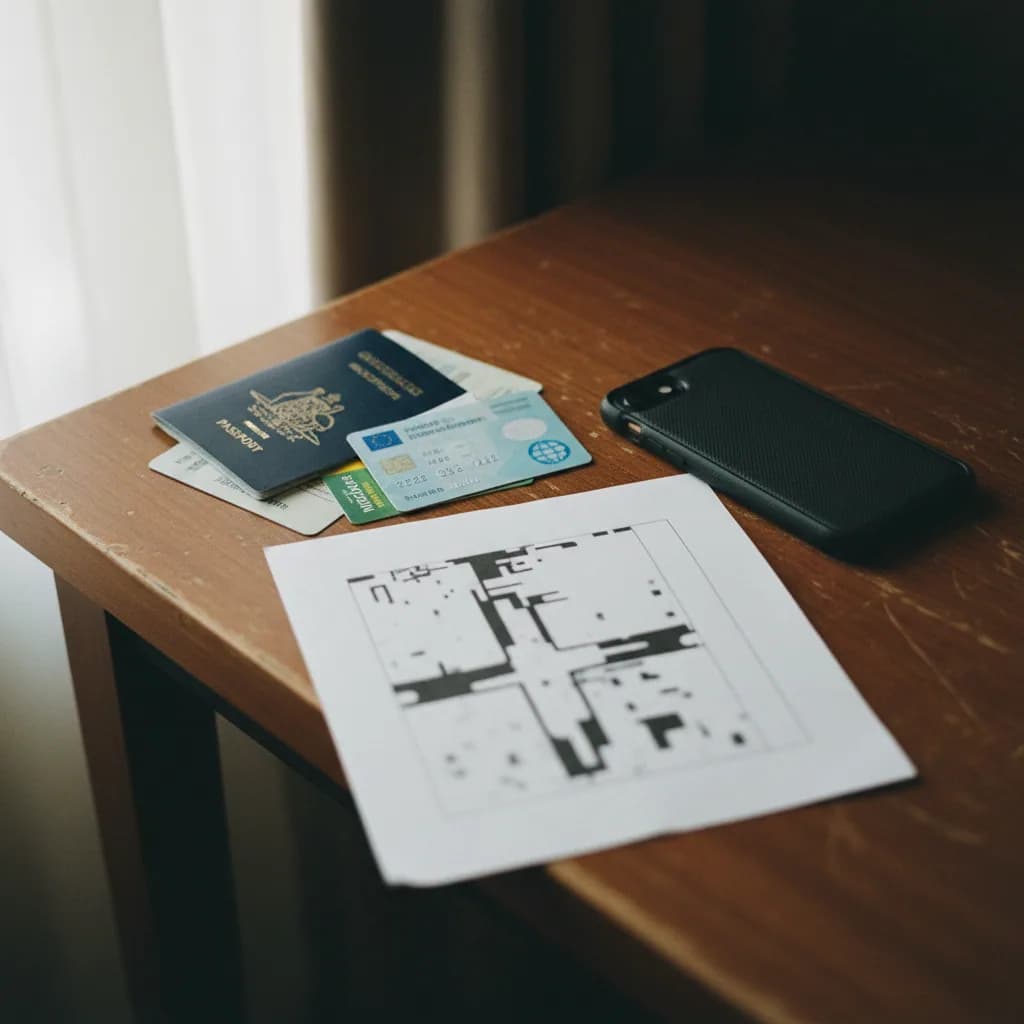
- Bring your passport, visa grant notification, and proof of address
- Provide your national health card or documentation from your home country
- You'll receive a Medicare card (sometimes on the spot, sometimes mailed within 2 weeks)
Student Visa Holders: OSHC Required
International students on a subclass 500 visa are not eligible for Medicare (with the narrow exception of some Belgian and Norwegian students under RHCA arrangements). Instead, you must hold Overseas Student Health Cover (OSHC) for the duration of your visa.
OSHC covers:
- GP visits
- Hospital treatment (as a private patient in a shared room)
- Emergency ambulance transport
- Prescription medications
- Some pathology and diagnostic imaging
- Some dental, optical, and physiotherapy (depending on your policy level)
OSHC does not cover:
- Pre-existing conditions (for the first 12 months)
- Dental, optical, and physiotherapy (on basic policies)
- Treatment outside Australia
- Assisted reproductive services
- Cosmetic surgery
OSHC providers:
- Medibank (ahm OSHC)
- Allianz Care Australia
- BUPA Australia
- CBHS International Health
- nib
Cost: $500-$700 per year for singles, $1,200-$2,000 for families. Your education provider may have a preferred OSHC provider, and some include OSHC in the tuition package.
Other Temporary Visa Holders
Working Holiday Visa (417/462)
If you're from an RHCA country (UK, Ireland, etc.), you qualify for limited Medicare through the reciprocal agreement. If you're from a non-RHCA country (Canada, USA, Japan, etc.), you're not eligible for Medicare and should arrange private health or travel insurance.
Skills in Demand / Temporary Work Visa (482)
Subclass 482 holders are not automatically eligible for Medicare. You should arrange private health insurance. If you're from an RHCA country, you may qualify for limited reciprocal coverage, but relying solely on RHCA is risky for a long-term stay.
Many employers include private health insurance in their sponsorship package. If yours doesn't, budget $150-$300/month for adequate cover.
Bridging Visas
Your Medicare eligibility on a bridging visa depends on what substantive visa you've applied for:
- Applied for a permanent visa: Generally eligible for Medicare (enrol as an "applicant for permanent residency")
- Applied for a temporary visa: Generally not eligible (same rules as the temporary visa you've applied for)
Partner Visa Applicants
If you've applied for an onshore partner visa (subclass 820/801), you're eligible for Medicare from the date of your application, even while on a bridging visa. This is a significant benefit given that partner visa processing takes 15-28 months.
How to Enrol in Medicare
Step 1: Determine your eligibility based on your visa type and nationality.
Step 2: Visit a Services Australia centre. Bring:
- Valid passport
- Visa grant notification or travel document showing your visa status
- Proof of Australian address (utility bill, rental agreement)
- For RHCA claimants: national health insurance card from your home country
- For PR applicants: confirmation of application lodgement
Step 3: Complete the Medicare Enrolment form. Available at the service centre or downloadable from the Services Australia website.
Step 4: Receive your Medicare number. A temporary number is usually provided on the spot. Your physical Medicare card arrives by post within 2-3 weeks.
Step 5: Register for myGov and link your Medicare account. This allows you to manage your claims online, view your statements, and update your details.
What Medicare Actually Covers
Covered Services
- GP visits: Free at bulk-billing clinics, or subsidised at private-billing clinics (you pay the "gap" between the Medicare rebate and the doctor's fee, typically $30-$80)
- Public hospital treatment: Free as a public patient (you don't choose your doctor or appointment time)
- Specialist consultations: Subsidised (often significant out-of-pocket costs)
- Pathology and diagnostic imaging: Bulk-billed in many cases
- PBS medications: $31.60 per prescription ($7.70 for concession card holders)
- Mental health: Up to 10 subsidised psychology sessions per year (through a GP Mental Health Treatment Plan)
Not Covered by Medicare
- Dental: Not covered at all (except some children's dental under the Child Dental Benefits Schedule)
- Optical: Very limited (no routine eye exams or glasses)
- Ambulance: Not covered in most states (covered in Queensland and Tasmania)
- Private hospital treatment: Not covered (you need private health insurance)
- Physiotherapy (outside hospital): Not covered unless under specific chronic disease management plans
- Cosmetic procedures
- Most alternative therapies (chiropractic, acupuncture, etc.)
Private Health Insurance
Even with Medicare, many Australians carry private health insurance to cover gaps. For visa holders without Medicare, private insurance is essential.
Two types of private health insurance:
-
Hospital cover: Covers private hospital treatment, choice of doctor, shorter waiting lists. Policies range from basic (limited procedures) to comprehensive (most procedures covered). Cost: $100-$300+/month.
-
Extras cover: Covers dental, optical, physiotherapy, chiropractic, and other out-of-hospital services. Cost: $30-$80/month.
Major private health insurers: Medibank, Bupa, HCF, nib, HBF, Australian Unity.
Recommended approach for new arrivals:
- If you have Medicare: Consider basic hospital + extras for dental and optical
- If you don't have Medicare: Comprehensive hospital + extras is strongly recommended
- Budget at least $150/month for singles, $350/month for families
FAQ
I have Medicare from my home country. Does it work in Australia? No. Foreign health insurance and Medicare systems don't generally work in Australia. The exception is the RHCA countries listed above, where your home country membership entitles you to Australian Medicare access.
Can I use Medicare immediately after getting PR? Yes. You can enrol in Medicare as soon as your permanent visa is granted. Visit a Services Australia centre with your passport and visa grant notification. You'll receive a temporary Medicare number immediately.
What happens if I get sick without Medicare or insurance? You'll be treated (Australian hospitals won't refuse emergency care), but you'll receive a bill. A hospital stay can easily cost $5,000-$50,000+ without insurance. GP visits without Medicare cost $80-$150. Don't risk it.
Is OSHC as good as Medicare? OSHC provides reasonable coverage but has more limitations than Medicare, including waiting periods for pre-existing conditions and limited dental/optical on basic policies. It's adequate for most student health needs but not as comprehensive as full Medicare + private insurance.