Common Mistakes in Australian Visa Applications and How to Avoid Them
Every year, tens of thousands of Australian visa applications are refused because of avoidable mistakes. The Department of Home Affairs refused approximately 185,000 visa applications in the 2024-25 financial year, and a significant proportion of those refusals came down to errors that applicants could have prevented. Whether it's an incomplete form, insufficient evidence, or a failure to declare previous visa history, these common mistakes can cost you months of processing time, thousands of dollars in fees, and potentially your right to apply again. Here are the 15 most common mistakes — and exactly how to avoid each one.
1. Choosing the Wrong Visa Subclass
Australia has over 100 visa subclasses, and picking the wrong one is more common than you'd think. A skilled worker might apply for a Subclass 482 when they're actually eligible for a Subclass 189. A partner might apply under the wrong stream. A student might not realise their course requires a specific visa arrangement.
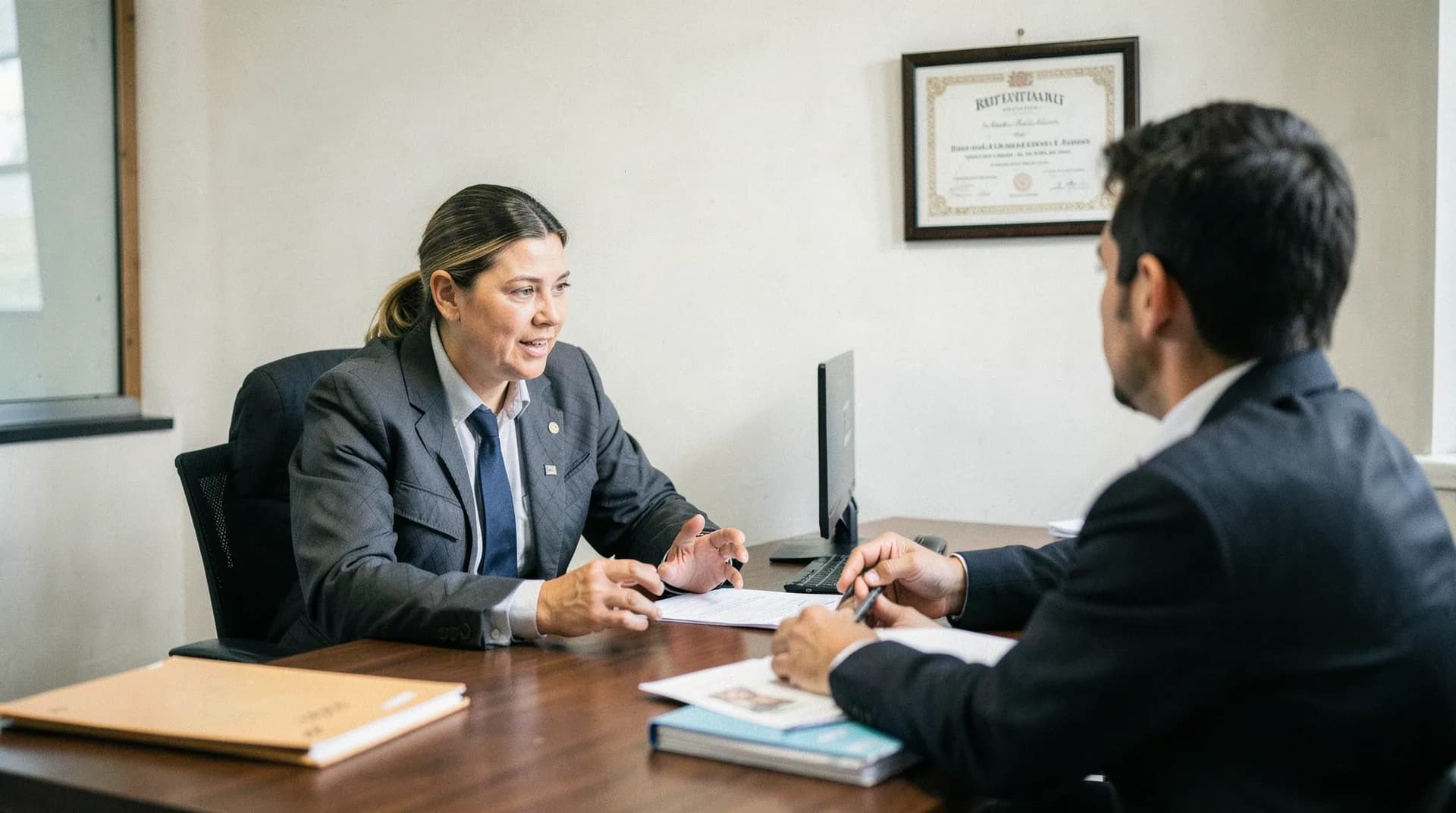
How to avoid it: Research thoroughly before lodging. The Department's visa finder tool helps narrow options, but it's not foolproof. If you're unsure, consult a registered migration agent — the cost of a consultation is far less than the cost of a refused application and a second application fee.
The application fee alone for many visa subclasses exceeds $4,000. Would you gamble that amount on being right about which visa to apply for?
2. Submitting Incomplete Forms
Leaving questions blank, skipping sections, or providing vague answers is one of the fastest routes to refusal. The Department's online systems (ImmiAccount) won't let you submit with required fields empty, but they can't tell if your answers are adequate.
How to avoid it:
- Answer every question, even if the answer is "Not applicable" or "N/A"
- Don't use abbreviations unless they're universally understood
- Double-check every section before submitting
- Print the form and review it on paper — you'll catch errors you miss on screen
- If a question doesn't seem relevant to you, explain why rather than leaving it blank
3. Insufficient Financial Evidence
Many visa types require evidence that you can support yourself (and your family) financially during your stay. Student visa applicants must demonstrate access to approximately $29,710 per year for living costs (2025-26 figures), plus tuition fees and travel costs. Visitor visa applicants need to show funds for their stay.
How to avoid it:
- Provide bank statements covering at least 3-6 months (not just a single-day balance)
- Include evidence of regular income, not just a lump sum deposited the day before you apply
- If a sponsor is supporting you, provide their financial documents and a statutory declaration of support
- Show that funds are genuinely available — locked term deposits or borrowed money may not satisfy the Department
- Calculate the total amount required based on Department guidelines and ensure your evidence exceeds it
Approximately 22% of student visa refusals cite insufficient financial capacity as a contributing factor.
4. Incorrect or Expired English Test Results
If your visa requires an English language test, providing the wrong test type or expired results is a common error. Different visa subclasses accept different tests (IELTS, PTE Academic, TOEFL iBT, Cambridge C1 Advanced, OET) and require different minimum scores.
How to avoid it:
- Verify which English tests are accepted for your specific visa subclass
- Check the minimum score required — it varies by visa type and stream
- Ensure your test results are still valid (most expire after 3 years, but some visa types have shorter validity periods)
- Don't assume a test score that was sufficient for one visa type will meet the requirements for another
5. Missing or Incorrect Police Certificates
Many visa applications require police clearance certificates from every country you've lived in for 12 months or more in the last 10 years. Missing certificates, expired certificates, or certificates from the wrong jurisdiction are frequent problems.
How to avoid it:
- List every country (and in some cases, every state or province) where you've lived for 12+ months in the past 10 years
- Apply for police certificates early — some countries take weeks or months to process
- Check the Department's guidelines for acceptable certificate types from each country
- Police certificates are typically valid for 12 months from issue — ensure yours won't expire before a decision is made on your visa
- If a country doesn't issue police certificates, provide a statutory declaration explaining this and any alternative evidence
6. Not Declaring Previous Visa Refusals or Cancellations
This is one of the most damaging mistakes you can make. The application form asks whether you've ever had a visa refused or cancelled in any country. Failing to declare a previous refusal — whether in Australia or elsewhere — is a ground for refusal on character and integrity grounds.
How to avoid it:
- Declare every visa refusal and cancellation, no matter how long ago, no matter which country
- Include refusals from other countries, not just Australia
- If you're unsure whether a previous outcome counts as a "refusal," declare it anyway and provide an explanation
- The Department has access to international databases and information-sharing arrangements with over 40 countries — they will find out
Have you ever had a visa application withdrawn? That's different from a refusal, but it's still worth declaring and explaining to avoid any ambiguity.
7. Gaps in Employment or Education History Not Explained
Unexplained gaps in your resume raise red flags. If your employment history shows you worked from 2018 to 2020, then nothing until 2022, the Department will want to know what you were doing during that gap.
How to avoid it:
- Account for every period in your history — even if you were unemployed, caring for family, or travelling
- Provide a brief explanation for each gap: "2020-2021: Caring for elderly parent in [city/country]" or "2021-2022: Travelled in Southeast Asia"
- If you were self-employed informally, say so and provide whatever evidence you can
- Don't leave decision-makers guessing — unexplained gaps invite assumptions, and those assumptions won't favour you
8. Poor-Quality Document Translations
Documents not in English must be translated by a NAATI-accredited translator (or equivalent certified translator). Poor translations, self-translations, or translations by friends are not accepted.
How to avoid it:
- Use a NAATI-accredited translator for all non-English documents
- Include both the original language document and the English translation
- Ensure the translator's credentials and certification number appear on the translation
- Don't use machine translation services (Google Translate, etc.) as your official translation
- Budget for translation costs — they can be significant if you have many documents
9. Applying Too Late or at the Wrong Time
Timing matters more than many applicants realise. Some visa types have specific lodgement windows. Others require you to apply before your current visa expires. Skills assessments, English tests, and health examinations all have validity periods.
How to avoid it:
- Research application timelines well in advance — at least 6-12 months before you intend to apply
- Check whether your visa type has specific invitation rounds or lodgement windows
- Ensure supporting documents (health exams, police checks, English tests, skills assessments) are current and won't expire during processing
- If you're applying for a new visa to replace a current one, lodge before your current visa expires to ensure you receive a bridging visa
- Set calendar reminders for document expiry dates
10. Weak Genuine Temporary Entrant (GTE) / Genuine Student (GS) Evidence
Since 2024, the Genuine Student (GS) requirement replaced the former GTE test for student visa applicants. For visitor visas, demonstrating genuine temporary entry intentions remains essential. Weak evidence of genuine intent is a top refusal reason.
How to avoid it:
- Explain in detail why you've chosen Australia (and specifically your course or visit purpose)
- Demonstrate ties to your home country — property ownership, family obligations, career plans, return flights
- Show a logical connection between your past education/work and your proposed studies or visit purpose
- Don't contradict yourself — if your personal statement says one thing and your documents suggest another, the Department will notice
Approximately 30% of student visa refusals in the 2024-25 period cited failure to meet the Genuine Student requirement.
11. Submitting Fraudulent or Misleading Documents
This should go without saying, but submitting forged documents, fabricated employment letters, or fake financial evidence will result in refusal and potentially a 3-year or 10-year exclusion period under section 234 of the Migration Act. The Department has document verification capabilities that are more sophisticated than many applicants expect.
How to avoid it:
- Only submit genuine documents
- If a document looks too good to be true (perfectly formatted employment letter from a company that doesn't have a website), the Department will verify it
- If you can't provide a particular document, explain why and offer alternatives
- Remember that a Public Interest Criterion 4020 finding (fraud) results in a 3-year or 10-year ban from being granted most Australian visas
12. Not Responding to Requests for Additional Information
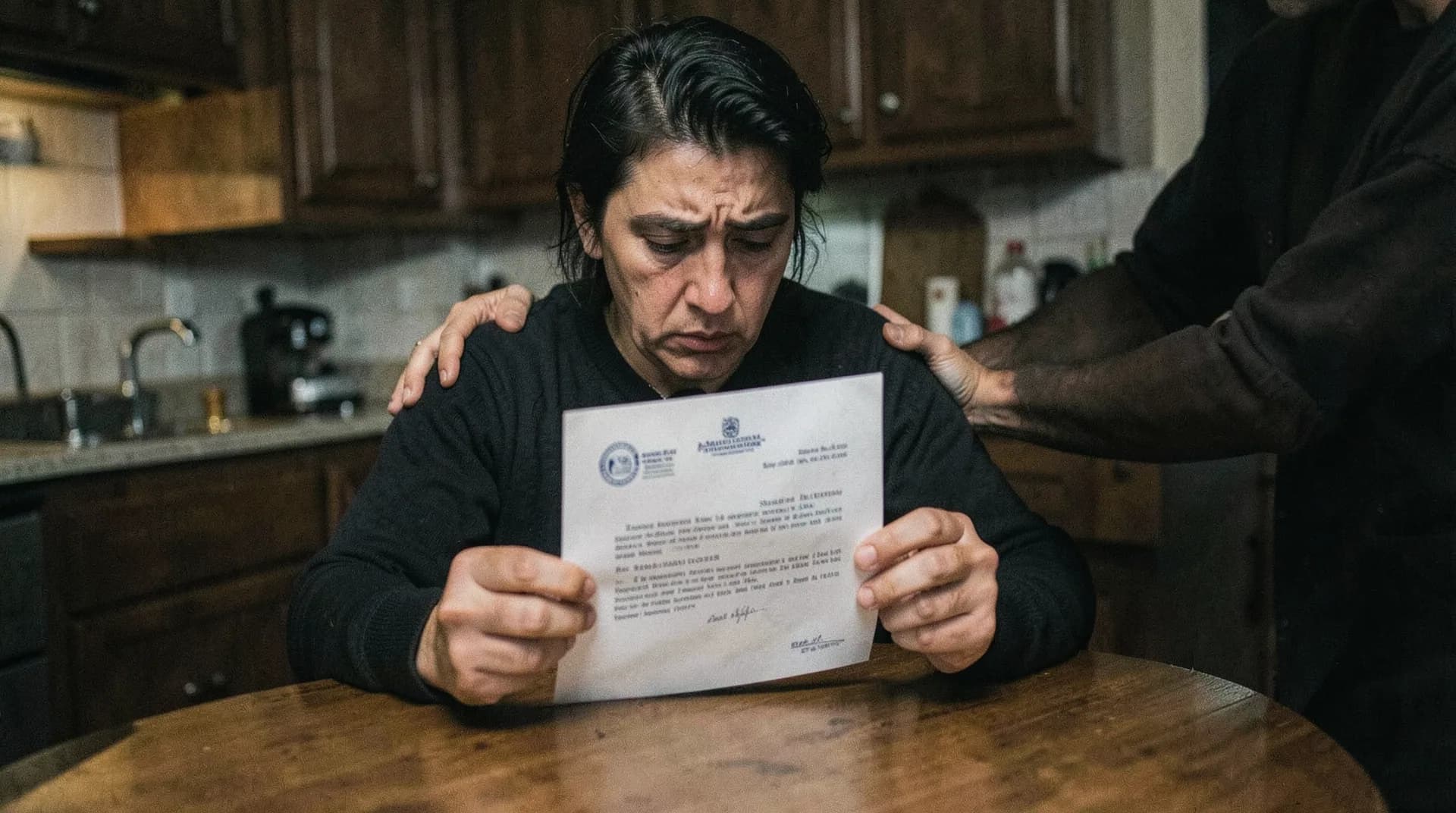
When the Department requests additional documents or information (a "Section 56" request or "Natural Justice" letter), you must respond within the specified timeframe. Failing to respond is treated as a failure to provide information and typically results in refusal.
How to avoid it:
- Keep your contact details updated in ImmiAccount at all times
- Check your email (including spam folder) regularly
- Respond to requests promptly and completely
- If you need more time, contact the Department before the deadline expires and request an extension
- Keep copies of everything you submit
13. Health Examination Errors
Many visa applications require health examinations by a panel doctor (Bupa Medical Visa Services). Common errors include attending the wrong clinic, not completing all required tests, or letting results expire before the visa is decided.
How to avoid it:
- Only attend a Bupa Medical Visa Services (formerly known as BUPA panel doctor) clinic listed on the Department's website
- Complete all tests required for your visa type (some require chest X-rays, others require full medicals including blood tests)
- Health examinations are generally valid for 12 months — time your exam so it won't expire during processing
- If you have a pre-existing health condition, don't try to hide it. Disclose it and provide specialist reports showing it's managed
14. Not Meeting the Skills Assessment Requirements
For skilled visa applications, your skills assessment must match the occupation you're nominating, be from the correct assessing authority, and be current. Mismatches between your skills assessment and your visa application are a common problem.
How to avoid it:
- Identify the correct assessing authority for your nominated occupation before applying
- Ensure your skills assessment hasn't expired (validity varies by assessing authority — typically 3 years)
- The occupation on your skills assessment must match the occupation you nominate on your visa application
- If your work experience or qualifications have changed since your assessment, you may need a new one
15. Ignoring the Character Requirement
All visa applicants must meet character requirements. This goes beyond police certificates — it includes declaring any criminal charges (even if not convicted), military service, associations with organisations of concern, and any immigration fraud in any country.
How to avoid it:
- Be completely transparent about your criminal history, including spent convictions, charges that were dropped, and juvenile records
- Declare any involvement with military, intelligence, or security forces
- If you have a criminal record, provide a detailed statement explaining the circumstances and evidence of rehabilitation
- Understand that the section 501 character test applies to all visa applicants and holders
A Prevention Checklist Before You Lodge
Before hitting "submit" on your visa application, run through this checklist:
- Correct visa subclass selected for your circumstances
- Every question answered (no blanks)
- All previous visa refusals/cancellations declared
- Financial evidence covers the required amount and period
- English test results valid and from an accepted test
- Police certificates obtained from all required countries
- Documents translated by NAATI-accredited translator
- Health examination completed at approved clinic
- Skills assessment current and matching nominated occupation
- Employment/education gaps explained
- Contact details current in ImmiAccount
- All documents certified copies (where required)
- Application lodged within required timeframe
Taking an extra day to review your application against this list could save you months of processing and thousands of dollars if a refusal forces you to start over.
Frequently Asked Questions
What's the most common reason for Australian visa refusal?
The single most common reason varies by visa subclass, but across all types, the top reasons include insufficient evidence of financial capacity, failure to meet genuine entry requirements, character concerns (undeclared history), and incomplete documentation. For a comprehensive breakdown, see our top 10 reasons visas are refused.
Can I fix mistakes in my visa application after I've lodged it?
In some cases, yes. You can provide additional documents or correct errors through ImmiAccount or by contacting the Department directly. However, you generally can't change the visa subclass or the primary applicant after lodgement. If you've made a fundamental error (wrong visa type), it may be better to withdraw and re-apply.
Will one mistake automatically lead to refusal?
Not necessarily. A minor typographical error or a missing supplementary document can often be corrected during processing. The Department may issue a request for additional information. However, some mistakes — like failing to declare a previous visa refusal or submitting fraudulent documents — are treated very seriously and can result in immediate refusal.
Should I use a migration agent for my visa application?
It depends on the complexity of your case. Simple, straightforward applications (like a tourist visa with strong ties to your home country) can often be completed without professional help. Complex applications (skilled visas, partner visas, cases with previous refusals or character issues) benefit significantly from professional assistance. Always use a registered migration agent — unregistered agents are operating illegally.
How long should I keep copies of my visa application documents?
Keep copies of everything for at least 5 years after the visa decision. If your visa is granted, keep records for the life of the visa plus 5 years. These documents may be needed for future visa applications, citizenship applications, or if the Department reviews your case. Digital copies stored securely in the cloud are ideal.