Visa Cancellation Under Section 501: Character Grounds Explained
Section 501 of the Migration Act 1958 gives the Minister for Immigration the power to cancel a visa on character grounds. This is one of the most consequential provisions in Australian immigration law — it can result in mandatory deportation, immigration detention, and lengthy or permanent exclusion from Australia. Understanding how section 501 works is essential for anyone with a criminal history or character concerns.
Quick Facts: Section 501 Cancellation
| Detail | Information |
|---|---|
| Legal Basis | Section 501, Migration Act 1958 |
| Grounds | Character test failure |
| Who It Affects | Any visa holder (including permanent residents) |
| Mandatory Cancellation | Applies to substantial criminal record holders |
| Appeal | ART review available for some decisions; ministerial decisions not reviewable |
| Consequences | Visa cancellation, detention, deportation, exclusion period |
| Ministerial Intervention | Possible but rare |
What Is Section 501?
Section 501 allows the cancellation (or refusal) of a visa if the visa holder does not pass the character test. The character test is defined in section 501(6) and covers a broad range of character-related criteria.
Mandatory Cancellation (Section 501(3A))
If a visa holder has a "substantial criminal record" and is serving a full-time sentence of imprisonment, the Minister must cancel their visa. There is no discretion — cancellation is automatic.
Discretionary Cancellation (Section 501(2))
The Minister or a delegate may cancel a visa if reasonably satisfied that the visa holder doesn't pass the character test. This is discretionary — the decision-maker weighs the character concerns against other factors.
Personal Ministerial Cancellation (Section 501(3))
The Minister can personally decide to cancel a visa on character grounds if satisfied it's in the national interest. Decisions made personally by the Minister are generally not reviewable by the ART.
The Character Test
You fail the character test if:
Substantial Criminal Record
This means:
- Sentenced to death
- Sentenced to imprisonment for life
- Sentenced to a term of 12 months or more (cumulative, even if suspended)
- Acquitted on grounds of unsoundness of mind for an offence punishable by imprisonment for 12 months or more
Criminal Conduct
Even without a "substantial" record, you may fail if:
- You've been convicted of offences that together indicate character concerns
- You have charges pending for serious offences
- Your criminal record, even if consisting of minor offences, shows a pattern of behaviour
Association with Criminal Groups
Association with individuals or groups suspected of involvement in criminal activity, including:
- Outlaw motorcycle gangs
- Organised crime groups
- Terrorist organisations
Risk Assessment
If the Minister or delegate reasonably suspects you pose a risk to:
- The Australian community (safety, wellbeing)
- A child in Australia
- A segment of the Australian community
Adverse Security Assessment
If ASIO provides an adverse security assessment.
Non-Compliance with Visa Conditions
Having a record of significant non-compliance with visa conditions.
The Process
Notice of Intention to Consider Cancellation (NOICC)
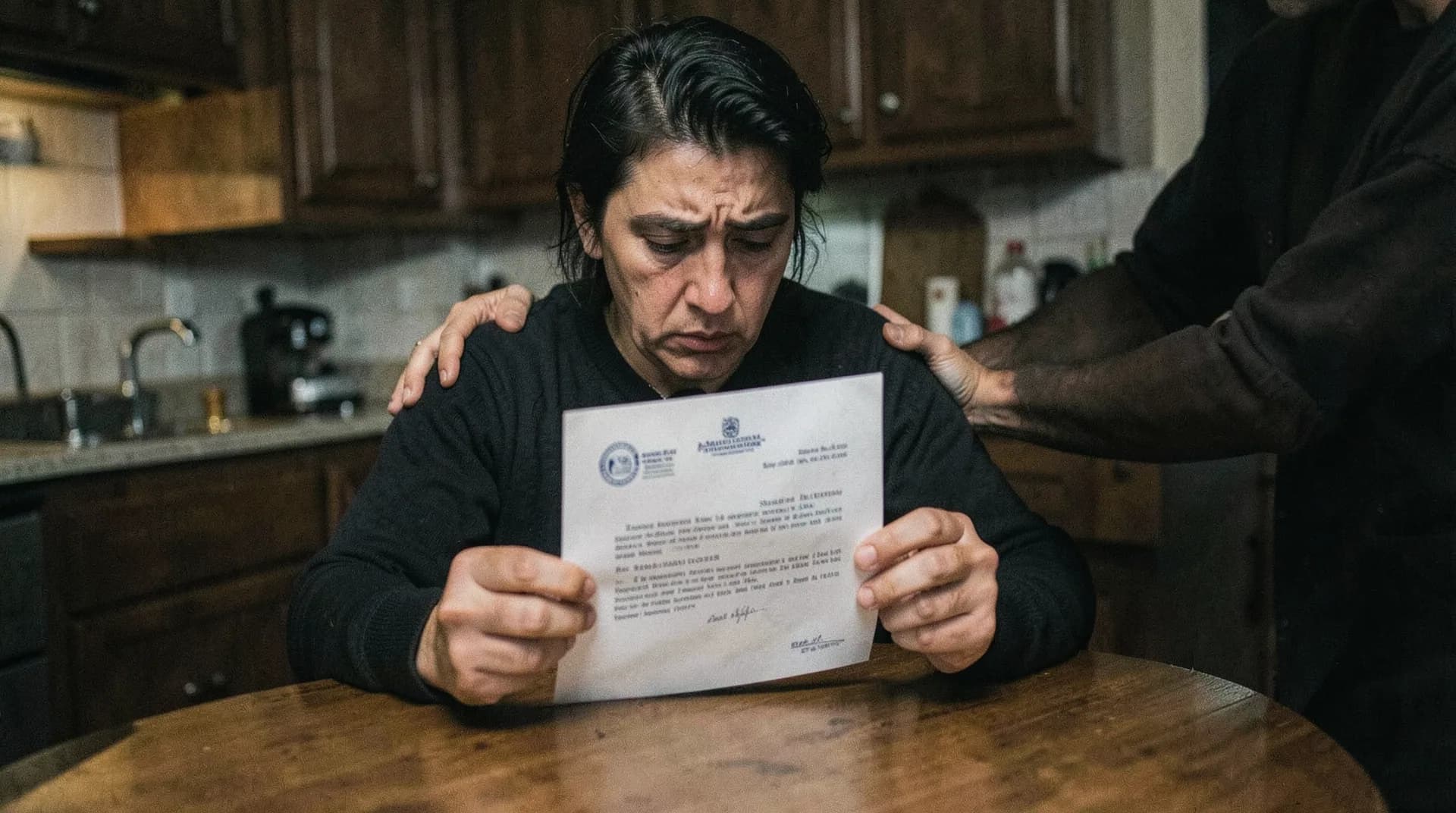
Before a delegate cancels your visa, you should receive a Notice of Intention to Consider Cancellation. This gives you an opportunity to respond before a decision is made.
You must respond within the stated timeframe — typically 28 days, but can be shorter. This is your chance to:
- Explain the circumstances of your offending
- Demonstrate rehabilitation
- Highlight your ties to Australia (family, community, employment)
- Show the impact cancellation would have on your family
- Provide character references
Direction 99 (or Current Ministerial Direction)
Decision-makers must consider a ministerial direction that sets out the factors to weigh when making section 501 decisions. These factors include:
Primary Considerations:
- Protection of the Australian community
- Nature and seriousness of the conduct
- The best interests of minor children in Australia
- Expectations of the Australian community
Other Considerations:
- International non-refoulement obligations (not returning someone to persecution)
- Strength, nature, and duration of ties to Australia
- Impact on victims
- Extent of impediments if removed to home country
The Decision
The decision-maker weighs all factors and either:
- Cancels the visa, or
- Decides not to cancel (allows the visa to continue)
Consequences of Cancellation
Immigration Detention
If your visa is cancelled under section 501 and you're in Australia, you become an unlawful non-citizen and may be placed in immigration detention.
Removal/Deportation
The Department will arrange your removal from Australia. This can involve lengthy detention while removal is arranged.
Exclusion Period
Section 501 cancellations typically result in an exclusion period preventing you from returning to Australia. This can be permanent in some cases.
Impact on Family
If you have an Australian citizen or permanent resident partner and/or children, the cancellation and removal will separate you from your family. This factor is considered in the decision but doesn't prevent cancellation in serious cases.
Appeal Options
ART Review
Some section 501 decisions can be reviewed by the Administrative Review Tribunal. Specifically:
- Delegate decisions (not personal ministerial decisions) are generally reviewable
- The time limit is very short — often 9 days
- The ART reviews the decision on its merits
Ministerial Intervention
If the ART affirms the cancellation, or if the original decision was a personal ministerial decision, you can request ministerial intervention under section 501C(4). The Minister can:
- Set aside the original decision
- Substitute a more favourable decision
Ministerial intervention is completely discretionary. There's no right to it, and the Minister has no obligation to even consider a request. In practice, a small number of section 501 cancellations are reversed through intervention.
Judicial Review
You can seek judicial review in the Federal Court, but this is limited to legal errors — the court won't re-examine the merits of the character assessment.
How to Respond to a Section 501 Notice
If you receive a NOICC:
- Act immediately: Timeframes are short
- Engage a lawyer: Section 501 matters are legally complex and consequential
- Gather evidence: Character references, rehabilitation evidence, employment records, family ties documentation, counselling or treatment records
- Address the factors in the Ministerial Direction: Structure your response around the primary and other considerations
- Be honest: Trying to minimise or deny your criminal history backfires
- Focus on rehabilitation: What have you done since the offending? Employment, education, community involvement, treatment programs
Frequently Asked Questions
Can permanent residents have their visa cancelled under section 501?
Yes. Section 501 applies to all visa holders, including permanent residents. There is no exemption based on length of residence in Australia, even if you've lived here since childhood.
What counts as a "substantial criminal record"?
A sentence of 12 months or more imprisonment (cumulative), a sentence of death, life imprisonment, or acquittal on grounds of unsoundness of mind for an offence punishable by 12 months or more.
Can I return to Australia after a 501 cancellation?
Potentially, but it's very difficult. You'll have an exclusion period and will need to apply for a new visa. Any future visa application will be subject to character assessment, and the previous cancellation will be a significant adverse factor.
What if I have Australian children?
The best interests of minor children in Australia are a primary consideration in section 501 decisions. However, this doesn't prevent cancellation — it's weighed against the seriousness of your conduct and community protection concerns.
How quickly do I need to respond to a NOICC?
Check the notice for the specific deadline. It's typically 28 days but can be shorter. Given the gravity of section 501, engage a lawyer immediately.
Can spent convictions lead to cancellation?
Yes. The character test considers all convictions, including spent convictions. The spent convictions scheme that applies in other areas of Australian law does not limit the operation of section 501.