Visa Condition 8104: Work Limitation for Secondary Applicants
Updated: 25 June 2026
Visa condition 8104 is a work limitation imposed on certain secondary applicants — partners and dependants added to someone else's visa application. Where 8104 applies, you may work in Australia, but only up to 48 hours per fortnight. This guide explains what 8104 means, which visas carry it, what counts as work, and your options if affected.
Independent guide — not a government service. Australian Visa Online is an independent information resource. We are not the Department of Home Affairs and do not provide a government service. Always confirm your own conditions against your grant notice and VEVO.
What Is Visa Condition 8104?
Condition 8104 is a work limitation imposed by the Department of Home Affairs on some visas held by secondary (dependent) applicants. In plain English: it lets you work, but it caps how many hours you can work in any rolling fortnight.
The condition matters because of a distinction many families overlook — the difference between the primary applicant and a secondary applicant. The primary applicant is the person whose claims the visa is granted on (for example, the skilled worker, the student, or the temporary visa holder). A secondary applicant is a partner or dependant added to that same application. The two people often hold the same subclass of visa, but they can carry different conditions.
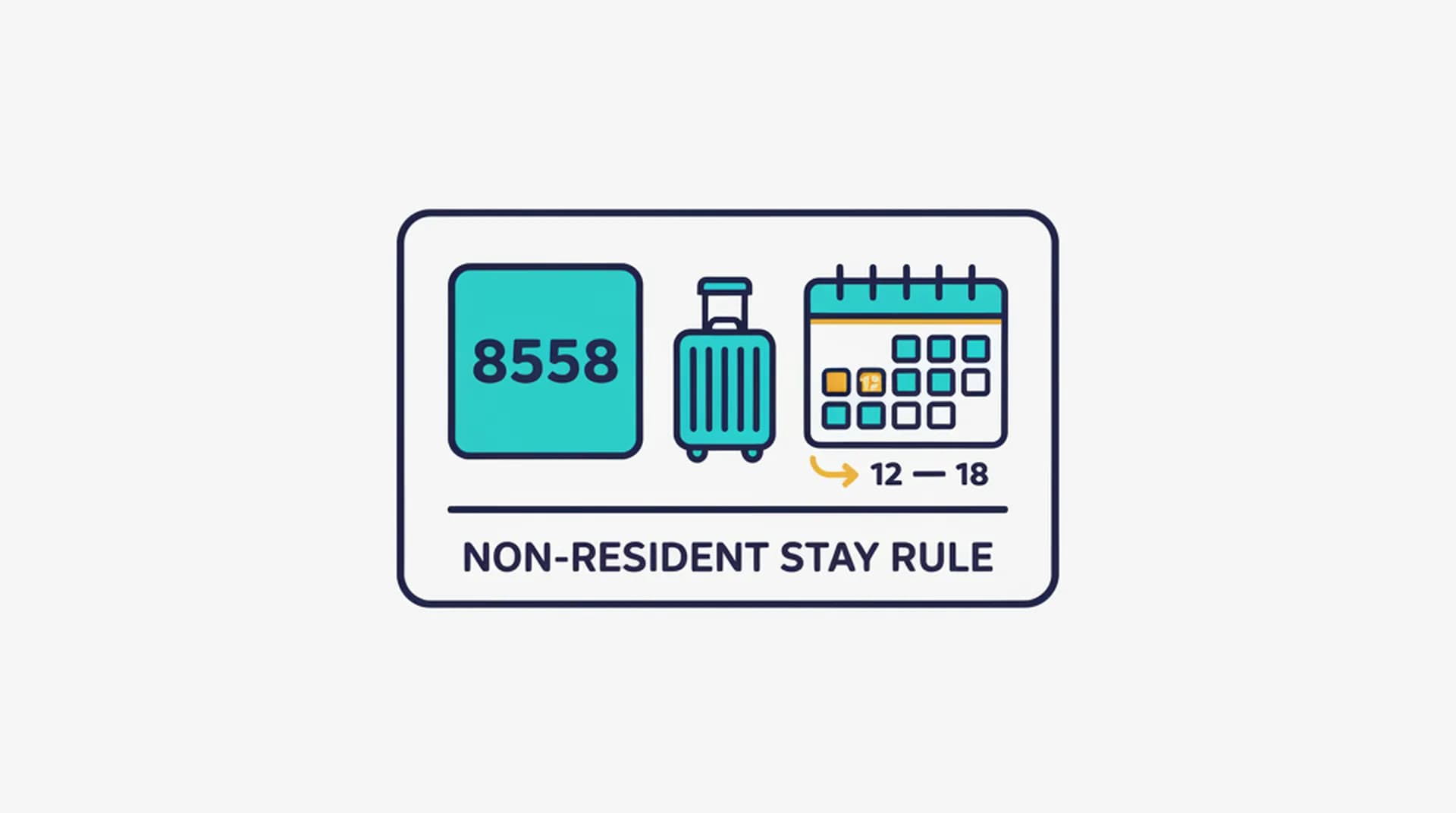
Condition 8104 is the version of the work cap that is typically attached to secondary applicants. A closely related condition, 8105, is the version that applies to student visa holders. They use the same 48-hour-per-fortnight figure, but they sit on different people for different reasons. Confusing the two is one of the most common mistakes families make.
The 48-Hour Fortnight Rule in Plain English
When condition 8104 applies, you can work a maximum of 48 hours in any rolling 14-day period. Here is what that actually means day to day:
- A "fortnight" is a fixed 14-day period. It does not reset on your payday, your roster week, or the calendar month. The Department counts it as a continuous rolling window.
- All work counts. Paid, unpaid, casual, part-time, gig, freelance, and work in your own business all count toward the cap. There is no "volunteering doesn't count" loophole.
- Multiple jobs are added together. If you hold two or three roles, the combined hours across all of them must stay at or under 48 per fortnight.
- Going over — even by an hour — is a breach. The limit is not a guideline. Working 49 hours in a fortnight is a breach of your visa condition.
What Counts as "Work" Under Condition 8104?
The Department's idea of "work" is deliberately broad. Use this table as a quick reference:
| Activity | Counts toward 48 hours? |
|---|---|
| Paid casual or part-time employment | Yes |
| Unpaid or volunteer work that displaces a paid role | Yes |
| Running or operating your own business | Yes |
| Freelance, contractor, or gig-economy work | Yes |
| Rideshare driving and food delivery (active hours) | Yes |
| Unpaid trial shifts | Yes |
| Genuine hobby or domestic activity (no commercial gain) | No |
A frequent trap: secondary applicants who pick up rideshare or food-delivery work assume "I'm my own boss, so it doesn't count." Every active hour on the platform is work under condition 8104.
Which Visas Carry Condition 8104?
Condition 8104 is not attached to every visa, and it is not always imposed on secondary applicants — whether it appears depends on the subclass and the individual grant. It is most commonly seen on the partner or dependant component of certain temporary visas. The table below shows where you are more likely to encounter 8104 versus the related conditions.
| Condition | Who it usually sits on | Work allowance |
|---|---|---|
| 8104 | Secondary applicants (partners/dependants) on certain temporary visas | Up to 48 hours per fortnight |
| 8105 | Student visa (Subclass 500) primary holders | Up to 48 hours per fortnight while course is in session |
| No work condition | Many primary skilled and temporary skilled holders | Often unrestricted (check your grant) |
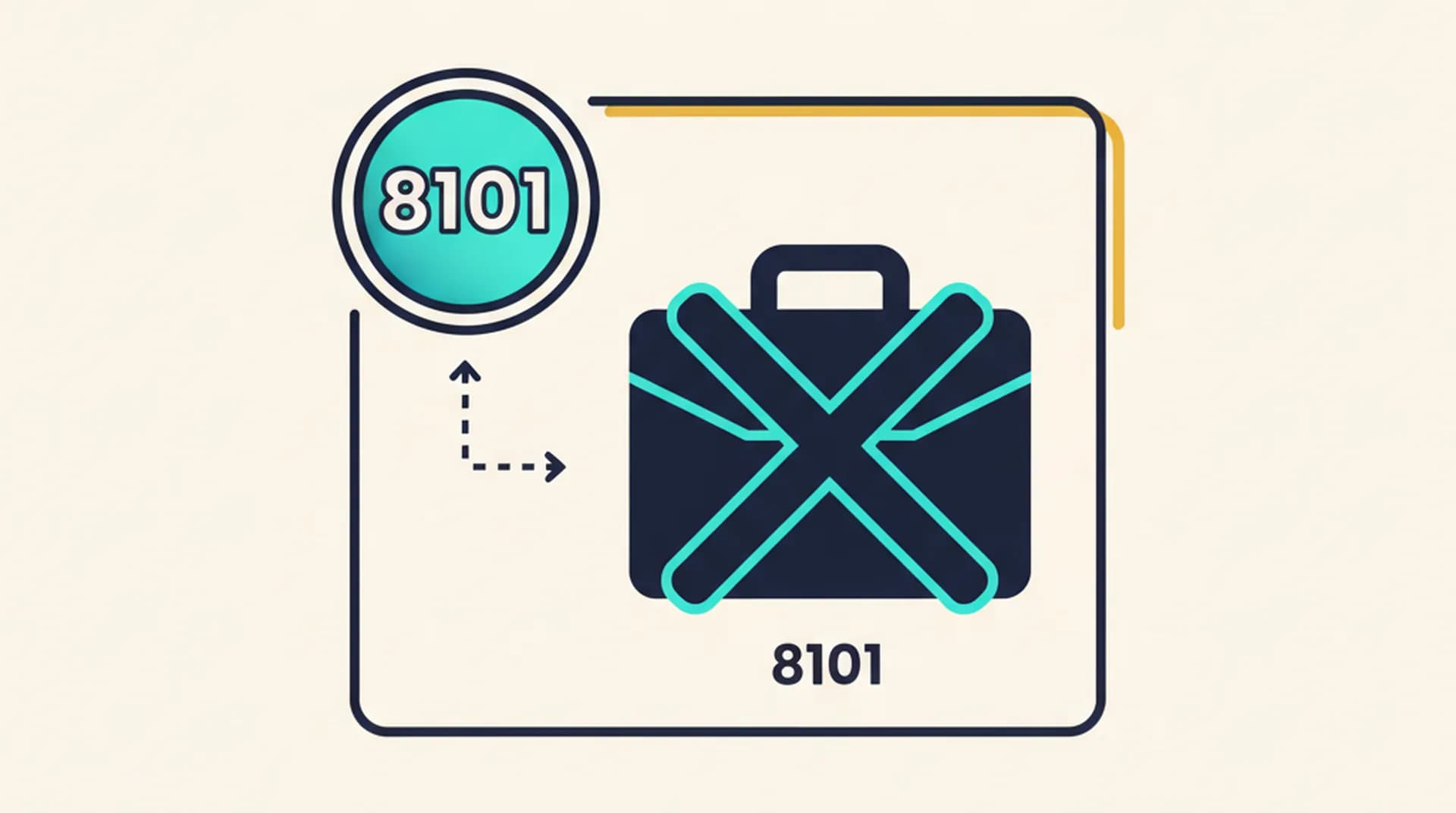
| 8101 | Some visitor and other visa holders | No work permitted at all |
The single most important point: do not assume your condition from your subclass. Two people on the same visa subclass — a primary applicant and their partner — can hold different work conditions. The only reliable source is your own grant notice and VEVO record. If your grant letter or VEVO shows 8104, the 48-hour cap applies to you, full stop.
How to Check If You Have Condition 8104 (VEVO)
You never have to guess which conditions you hold. Australia runs a free service called VEVO — Visa Entitlement Verification Online. It lets you (and, with your permission, employers) see your visa details and conditions in real time.
To check whether 8104 applies to you:
- Read your grant notification first. The grant letter you received when your visa was approved lists your conditions by number, including 8104 if it applies. This is your primary record — keep it safe.
- Log in to VEVO using your passport details and the relevant document number (such as your visa grant number, transaction reference number, or visa evidence number).
- Review the "conditions" section. VEVO will display each condition code attached to your visa. If 8104 is listed, the secondary-applicant work cap applies to you.
- Generate a VEVO check for employers. You can produce a shareable VEVO record so an employer can confirm your work rights directly, rather than relying on a photo of your grant letter.
If you are still unsure after checking VEVO, a registered migration agent can interpret your conditions for you. Never rely on what a friend on a "similar" visa was told — conditions are individual.
Consequences of Breaching Condition 8104
Working beyond 48 hours per fortnight when you hold 8104 is a breach of a visa condition, and the consequences can reach well beyond a warning.
- Visa cancellation. The Department has the power to cancel a visa where the holder has not complied with a condition. For a secondary applicant, this is especially serious because your visa is usually tied to the primary applicant's status.
- Knock-on effect to your family. Because your visa is linked to the primary applicant's grant, a cancellation can disrupt the whole family unit, not just you.
- Re-entry and future-application impact. A recorded breach can sit on your immigration history and affect future applications. The Department tracks compliance.
- Loss of a pathway. If you and your partner are working toward permanent residence, a breach can put that longer-term plan at risk — see the top reasons Australian visas are refused.
Employers are also exposed. A business that knowingly allows a visa holder to work beyond their permitted hours can face penalties under the Migration Act 1958. That is why responsible employers run a VEVO check — and why you should never pressure an employer to "just not count" the extra hours.
Because exact penalty figures and visa charges change over time, we don't quote dollar amounts here. For current figures, see the complete Australian visa fees schedule.
How the Department Detects Breaches
A common (and dangerous) assumption is that nobody will notice a few extra hours. In practice, the Department has several reliable ways to identify work that exceeds a condition:
- Tax and payroll data. The Australian Taxation Office shares data with the Department. Your income, employer, and payment dates are visible.
- Superannuation records. Employer super contributions create a paper trail of hours and earnings.
- Data matching across employers. Automated systems compare visa-holder records against payroll data from multiple employers, which is how second and third jobs get caught.
- Workplace operations and tip-offs. Australian Border Force conducts targeted workplace checks, and breaches are sometimes reported by former employers or others.
The lesson is simple: hours worked across every job leave a record. Treat the 48-hour cap as a hard line, not a soft target.
How to Stay Compliant with Condition 8104
Staying inside the limit is mostly about discipline and record-keeping:
- Track every hour, across every job. Use a simple spreadsheet or an app. Don't rely on memory or your employer's roster.
- Add up your jobs together. Before accepting an extra shift, check your combined total for the current fortnight.
- Tell every employer in writing that you hold condition 8104 and are limited to 48 hours per fortnight. Ask them to confirm via VEVO.
- Keep your pay slips. They are your evidence if a question ever arises.
- Don't treat cash work as invisible. Unrecorded work is still work under 8104 — and not declaring income creates a second problem on top of the first.
What to Do If You've Already Breached Condition 8104
If you've already gone over the limit, act calmly and quickly:
- Stop working immediately until the next fortnight begins and you're back within the cap.
- Get professional advice. Speak to a registered migration agent or immigration lawyer before taking any further step. You can verify a professional through the MARA register.
- Be honest if asked. Don't volunteer unnecessary detail, but never provide false information — that is a separate and serious ground for cancellation.
- Document any genuine circumstances. If something exceptional contributed to the breach (a family emergency, employer coercion), gather the evidence.
- Know your review rights. If a cancellation decision is made, you may be able to seek review at the Administrative Review Tribunal. Time limits are short, so move fast.
Condition 8104 vs Other Common Conditions
Condition 8104 rarely sits alone. Secondary applicants and their primary partners often carry several conditions at once. Knowing the difference protects the whole family:
- Condition 8105 — the student-visa version of the 48-hour work cap. Same number of hours, different visa population.
- Condition 8501 — maintain adequate health insurance for the duration of your stay.
- Condition 8503 — the "no further stay" condition, which blocks most onshore applications unless waived.
If a condition is ever cancelled or refused against you, the step-by-step guide to dealing with a refusal walks through how to protect your position. Because processing and review timeframes shift, check current windows on the visa processing times guide rather than relying on an old number.
Frequently Asked Questions
What does visa condition 8104 actually mean?
Condition 8104 is a work limitation usually attached to secondary (dependent) applicants — partners and dependants added to someone else's visa application. Where it applies, you may work in Australia, but you are capped at a maximum of 48 hours of work in any rolling fortnight.
What is the difference between condition 8104 and 8105?
Both use the same 48-hour-per-fortnight cap, but they apply to different people. Condition 8104 typically sits on secondary applicants (partners and dependants) on certain temporary visas. Condition 8105 applies to student visa (Subclass 500) holders. Check your own grant notice to see which one you carry.
Does unpaid or volunteer work count toward the 48-hour limit under 8104?
Yes. Under condition 8104, all work generally counts — paid, unpaid, casual, freelance, gig, and work in your own business. Genuine hobbies or domestic activity with no commercial gain are not "work," but if an activity displaces a paid role, treat it as counting toward your cap.
How do I check whether I have condition 8104?
Read your visa grant notification, which lists your conditions by number, then confirm them in VEVO (Visa Entitlement Verification Online) using your passport and visa document details. If 8104 appears in your conditions, the 48-hour secondary-applicant work cap applies to you.
Can two people on the same visa have different work conditions?
Yes — and this surprises many families. A primary applicant and their secondary-applicant partner can hold the same subclass but carry different conditions. The primary applicant might have unrestricted work rights while the partner holds 8104. Always verify each person's conditions individually through their own grant notice and VEVO.
Can I appeal if my visa is cancelled for breaching condition 8104?
In many cases yes. If a cancellation decision is made, you may be able to apply for review at the Administrative Review Tribunal. Review time limits are strict and often very short, so seek advice from a registered migration agent or immigration lawyer immediately.