Immigration Detention in Australia: Your Rights and Options
If you're an unlawful non-citizen in Australia — meaning you don't hold a valid visa — the Department of Home Affairs has the power to detain you in immigration detention. This is one of the most serious situations a person can face in the Australian immigration system. Understanding what happens during detention, what rights you retain, and what legal options remain available to you is critical whether you're currently detained, at risk of detention, or supporting someone who is. Australian immigration detention has undergone significant changes following the landmark NZYQ High Court decision in November 2023, which fundamentally altered the legal framework around indefinite detention.
When Does Immigration Detention Occur?
Under sections 189 and 196 of the Migration Act 1958, the Department must detain any person in the migration zone (Australia) who is known or reasonably suspected to be an unlawful non-citizen.
You become an unlawful non-citizen when:
- Your visa expires and you haven't applied for a new one (or your application was invalid)
- Your visa is cancelled (under section 116, section 501, or other provisions)
- You arrive in Australia without a valid visa
- Your bridging visa expires without another visa or application in place
- You're subject to the section 48 bar and can't apply for a new visa
Detention is mandatory under Australian law — the Department doesn't have discretion to release you simply because your case seems sympathetic. However, following the NZYQ decision, the legal framework now requires that detention serve the purpose of removal, and indefinite detention without a real prospect of removal is unlawful.
In December 2025, approximately 1,200 people were held in immigration detention facilities across Australia, down from higher numbers in previous years partly due to the effects of the NZYQ decision.
Immigration Detention Facilities in Australia
The Department operates several types of detention facilities:
Immigration Detention Centres (IDCs)
High-security facilities for people assessed as higher risk. These include:
- Villawood Immigration Detention Centre (Sydney, NSW) — the largest facility
- Melbourne Immigration Transit Accommodation (Melbourne, VIC)
- Yongah Hill Immigration Detention Centre (Northam, WA)
- Brisbane Immigration Transit Accommodation (Brisbane, QLD)
- North West Point Immigration Detention Centre (Christmas Island)
Immigration Transit Accommodation (ITAs)
Lower-security facilities for people assessed as lower risk, often awaiting removal or visa processing.
Alternative Places of Detention (APODs)
These include community-based accommodation, hospitals, and other facilities where a person is technically "detained" but in a less restrictive environment.
Community Detention
Under section 197AB, the Minister can make a "residence determination" placing a person in the community (at a specified address) instead of a detention facility. The person remains technically "detained" but lives in the community, often with reporting conditions. This option is used particularly for families with children and vulnerable individuals.
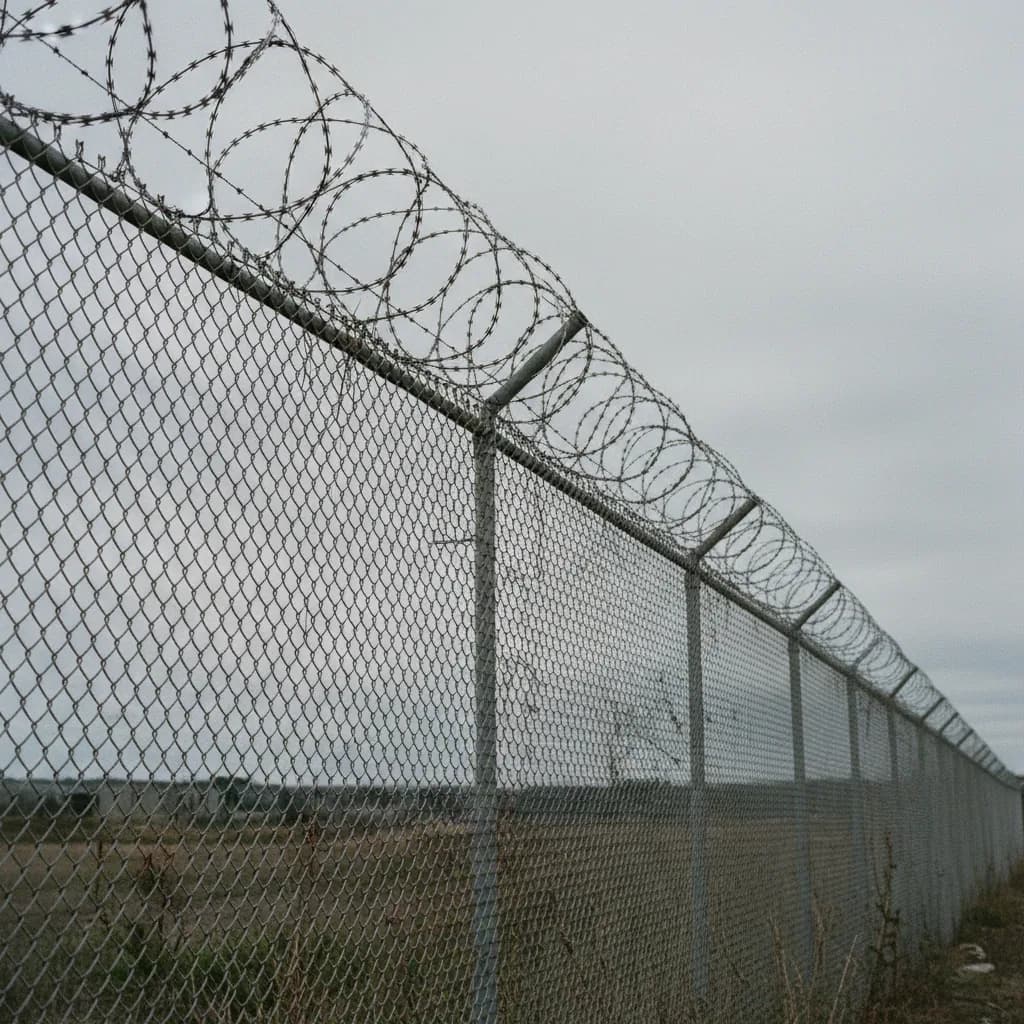
Conditions in detention facilities have been the subject of extensive criticism from human rights organisations, the Australian Human Rights Commission, and the Commonwealth Ombudsman. Reports have documented issues including mental health deterioration, inadequate medical care, and prolonged uncertainty.
Your Rights in Immigration Detention
Detention doesn't strip you of all rights. You retain important legal protections:
Right to Legal Representation
You have the right to access legal advice and representation. This includes:
- The right to contact a lawyer or migration agent
- The right to legal visits (in person or by phone/video)
- The right to receive legal documents
- Access to legal aid services and community legal centres
If you can't afford a lawyer, several organisations provide free legal assistance to people in detention:
| Organisation | Coverage |
|---|---|
| Refugee and Immigration Legal Service (RAILS) | Queensland |
| Refugee Advice and Casework Service (RACS) | New South Wales |
| Asylum Seeker Resource Centre (ASRC) | Victoria |
| Legal Aid (each state/territory) | National |
| Immigration Advice and Rights Centre (IARC) | New South Wales |
| Circle Green Legal | Western Australia |
Right to Contact Family and Friends
You can make and receive phone calls, send and receive mail, and receive visitors. There may be restrictions on visiting hours and procedures, but the right to contact isn't removed.
Right to Medical Care
You're entitled to medical care while in detention, including:
- GP consultations
- Mental health services
- Emergency medical treatment
- Ongoing treatment for pre-existing conditions
- Dental care for urgent issues
The quality and accessibility of medical care in detention has been a significant area of concern. If you're not receiving adequate care, your lawyer can raise this with the Department and, if necessary, the courts.
Right to Make Visa Applications
Being in detention doesn't necessarily prevent you from making visa applications, subject to any section 48 bar or other legal barriers. You can apply for:
- A Protection Visa (Subclass 866) if you have protection claims
- A Bridging Visa E in some circumstances
- Other visa types if not barred by section 48
Right to Complain
You can lodge complaints about your treatment with:
- The detention facility management (Serco, which operates most facilities under contract)
- The Department of Home Affairs
- The Australian Human Rights Commission
- The Commonwealth Ombudsman
Right to Judicial Review
You can challenge the lawfulness of your detention in the courts. This right became even more significant after the NZYQ decision.
The NZYQ High Court Decision (November 2023)
The NZYQ decision was the most significant development in Australian immigration detention law in decades. In November 2023, the High Court of Australia ruled that:
Indefinite immigration detention is unlawful if there's no real prospect of removal from Australia in the reasonably foreseeable future.
This means the government can't hold someone in detention indefinitely just because they're unlawful if there's no realistic prospect of actually removing them. This applies to people who are stateless, whose home country won't accept their return, or where removal is practically impossible.
Impact of NZYQ
Following the decision:
- Over 140 people were released from detention on bridging visas with conditions
- The government introduced new legislation requiring released individuals to wear electronic monitoring devices and comply with curfews
- New visa pathways were created for people affected by the decision
- The legal test for detention shifted — the Department must now be able to demonstrate that detention serves the purpose of removal
Are you aware that the law has changed, and that detention that might have been lawful before November 2023 may no longer be?
Ongoing Legal Developments
Since NZYQ, the legal landscape has continued to evolve:
- The High Court has considered further cases refining the scope of the NZYQ principle
- The government has enacted new criminal offences for people who breach their visa conditions after release under the NZYQ framework
- Community safety considerations have been weighed against individual liberty
- The preventive detention framework introduced in late 2023 has faced its own legal challenges
If you're in detention or supporting someone who is, getting current legal advice is essential. The law in this area is changing rapidly.
Bridging Visa Options from Detention
Even from within detention, there may be visa options available:
Bridging Visa E (BVE)
The Bridging Visa E is designed for unlawful non-citizens. It can be granted to people in detention in some circumstances, particularly:
- While making arrangements to leave Australia
- While a visa application is being processed
- On humanitarian grounds
Ministerial Intervention
The Minister can exercise personal powers under section 195A to grant a visa to a person in immigration detention if the Minister considers it's in the public interest. This is a non-compellable power — the Minister isn't required to consider any particular case.
Under sections 351 and 417, the Minister can also intervene in review decisions, which may indirectly result in release from detention. See our ministerial intervention guide for more information.
Community Detention (Residence Determination)
Under section 197AB, the Minister can place a detained person in the community. This is used particularly for:
- Families with minor children
- People with serious medical conditions
- Unaccompanied minors
- Other vulnerable individuals
The person remains technically "in detention" but lives at a specified address in the community, subject to conditions.
What Happens While You're in Detention
Status Resolution
The Department will work to "resolve your status" — meaning either:
- Grant you a visa (if you're eligible)
- Remove you from Australia (voluntarily or involuntarily)
- Refer your case for ministerial consideration (in exceptional cases)
Removal Process
If you don't have a valid visa and no application is pending, the Department has a duty under section 198 to remove you from Australia "as soon as reasonably practicable." The Department will:
- Attempt to obtain travel documents for you (usually from your home country's embassy)
- Arrange your removal, which may include escorted flights
- You may be given the opportunity to depart voluntarily, which is generally preferable to enforced removal
Voluntary Departure
If removal is inevitable, voluntary departure is almost always better than enforced removal. Benefits include:
- You may have some choice over timing and destination
- It looks better on your immigration record
- You may face shorter exclusion periods than those associated with forced removal
- The International Organization for Migration (IOM) can assist with voluntary return, including in some cases providing travel assistance
Supporting Someone in Detention
If a family member or friend is in detention:
- Contact them: You can visit or call. Contact the detention facility for visiting hours and procedures.
- Help them access legal advice: Connect them with Legal Aid or a community legal centre.
- Provide financial support: People in detention have limited income. You can deposit money into their account for phone calls and personal items.
- Advocate: The Australian Human Rights Commission, refugee advocacy organisations, and your local Member of Parliament can all be contacted about conditions or concerns.
- Maintain records: Keep copies of all correspondence and document any concerns about treatment or conditions.
Has the person in detention been told about their legal options, or are they assuming they have none?
Frequently Asked Questions
How long can someone be held in immigration detention?
Since the NZYQ decision, detention must serve the purpose of facilitating removal. If there's no real prospect of removal in the reasonably foreseeable future, continued detention is unlawful. Before NZYQ, some individuals were detained for years — even over a decade. The legal landscape has now shifted, but the practical application continues to evolve through ongoing court cases.
Can children be held in immigration detention?
Technically, yes — children can be detained under the Migration Act. However, there's strong policy pressure to avoid detaining children. The Minister typically uses residence determination powers (section 197AB) to place families with children in community detention rather than in detention centres. As of late 2025, no children were held in immigration detention centres.
What happens if someone in detention has a mental health crisis?
The detention facility is required to provide mental health services, including access to psychologists and psychiatrists. In acute situations, a person can be transferred to a hospital. However, mental health care in detention has been criticised as inadequate by multiple reviews. If care isn't being provided, a lawyer can apply to the courts for orders requiring appropriate medical treatment.
Can I visit someone in immigration detention?
Yes. Each facility has visiting hours and procedures. You'll generally need to provide identification, book a visit in advance, and comply with facility rules. Some facilities offer both in-person and video visits. Contact the specific facility for details.
What's the difference between immigration detention and prison?
Immigration detention is administrative, not criminal. People in immigration detention haven't necessarily committed any crime — they're detained because they don't hold a valid visa. However, the practical experience can be similar to prison: restricted movement, locked facilities, security screening, and limited personal freedom. The key legal difference is that criminal imprisonment follows a court sentence with a defined end date, while immigration detention has historically been indefinite until status is resolved.