Visa Condition 8105: Work Limitations for Student Visa Holders
Visa condition 8105 is the most commonly breached condition among international students in Australia. If you're holding a Student Visa (Subclass 500), this condition restricts how many hours you can work during your study periods. Since July 2024, the limit stands at 48 hours per fortnight, up from the previous 40-hour cap. Understanding exactly how condition 8105 works isn't optional — it's essential for protecting your visa status and your future in Australia.
What Is Visa Condition 8105?
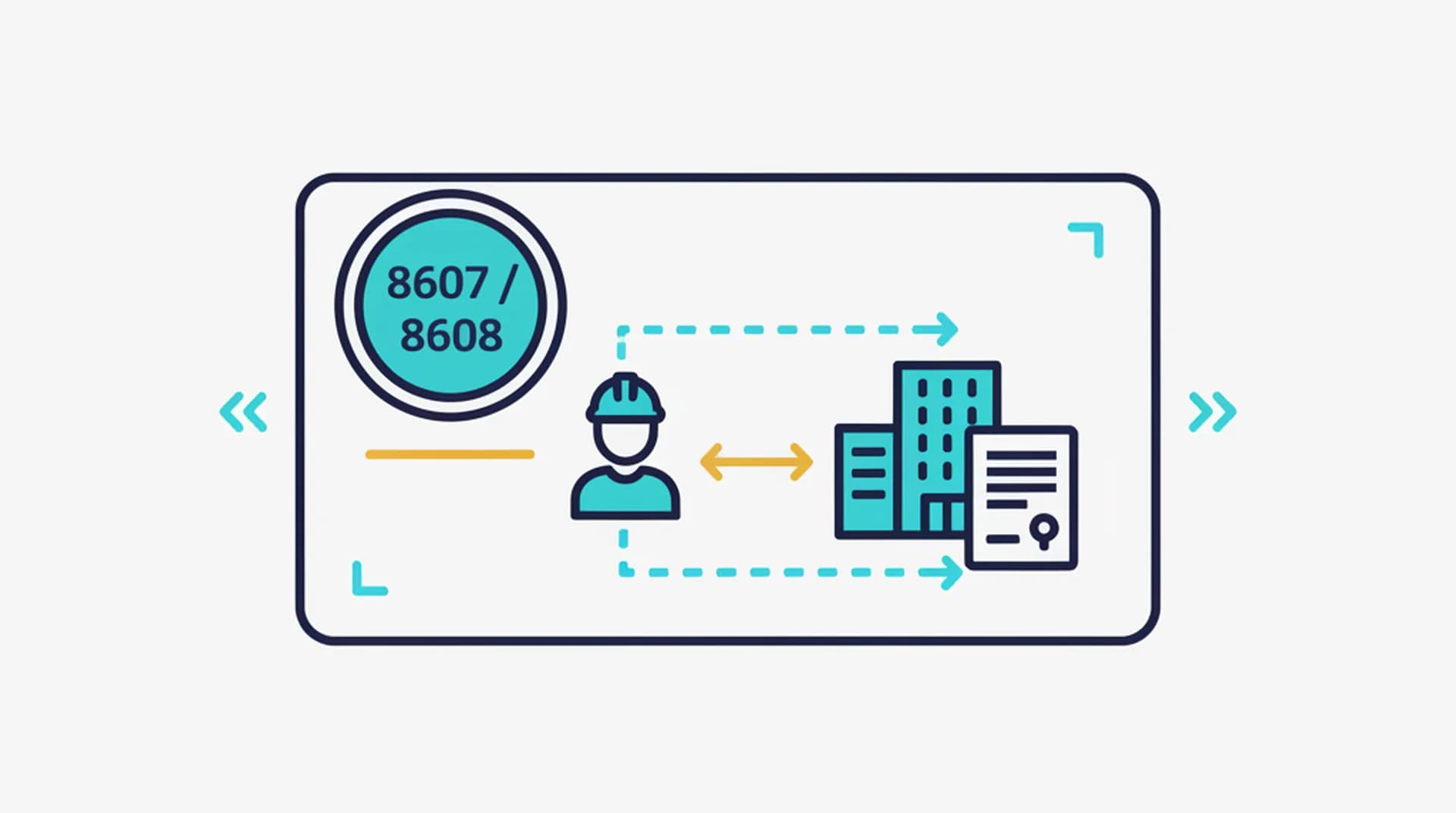
Condition 8105 is automatically attached to most Student Visa (Subclass 500) grants. It sets a cap on the number of hours you're allowed to work while your course is in session. The Department of Home Affairs imposes this condition to ensure that work doesn't interfere with your primary purpose for being in Australia: studying.
As of July 2024, the work limit was increased from 40 hours to 48 hours per fortnight. This change was introduced to provide students with more financial flexibility while still maintaining the integrity of the student visa program. According to Department data, approximately 630,000 student visa holders were in Australia at the time of this change.
But here's the question most students don't ask themselves: do you actually know when your fortnight starts and how those hours are counted?
How the 48-Hour Fortnight Rule Works
The 48-hour fortnight rule means you can work a maximum of 48 hours in any rolling 14-day period while your course is in session. Here's what you need to know:
- Fortnight calculation: The fortnight begins on a Monday and runs for 14 consecutive days. It doesn't reset based on your pay cycle or roster schedule.
- All work counts: This includes paid work, unpaid work, voluntary work, and work in your own business. If you're doing an unpaid internship that isn't a registered part of your course, those hours count.
- Multiple jobs: If you hold two or three part-time jobs, the total hours across all positions must stay under 48 hours per fortnight.
- Course-related work: Work that's a mandatory, registered component of your course (like clinical placements for nursing students) doesn't count toward the 48-hour limit.
What Counts as "Work" Under Condition 8105?
The Department's definition of work is broad. It includes:
| Type of Work | Counts Toward 48 Hours? |
|---|---|
| Paid employment (casual, part-time) | Yes |
| Unpaid volunteer work | Yes |
| Running your own business | Yes |
| Freelance or gig economy work | Yes |
| Registered course placement | No |
| Unpaid trial shifts | Yes |
One common trap: students who drive for rideshare services or deliver food through apps often don't realise those hours count. Every active hour on a platform is work under condition 8105.
Working During Scheduled Course Breaks
Here's the good news. During scheduled course breaks, condition 8105 allows you to work unlimited hours. There's no cap at all during these periods.
A "scheduled course break" is a break that's published in your education provider's academic calendar. This typically includes:
- Summer break (usually late November to late February)
- Mid-semester breaks
- Any break between study periods listed in your Confirmation of Enrolment (CoE)
However, you can't manufacture your own break. If you defer a semester or take a leave of absence, that's not a scheduled course break — you're still bound by the 48-hour limit. Similarly, if you've finished your final exams but your course hasn't officially ended according to your CoE, you're still "in session."
Around 72% of student visa breaches related to work hours occur in the weeks immediately before or after a scheduled break, when students misjudge exactly when the break starts or ends.
Consequences of Breaching Condition 8105
What happens if you work more than 48 hours in a fortnight? The consequences can be severe:
For Students
- Visa cancellation under section 116: The Department can cancel your Student Visa if you've breached condition 8105. This is the most direct consequence.
- 3-year re-entry ban: If your visa is cancelled due to a breach, you may face a 3-year exclusion period during which you can't be granted most Australian visas.
- Refusal of future applications: Even if your visa isn't cancelled immediately, a recorded breach will affect future visa applications. The Department tracks compliance history.
- Loss of study investment: Students who've spent tens of thousands of dollars on tuition risk losing everything if their visa is cancelled mid-course.
For Employers
Employers aren't off the hook either. Under the Migration Act 1958 and the Fair Work Act 2009:
- Employers who knowingly allow a student visa holder to exceed work hour limits can face civil penalties of up to $99,000 per breach for individuals and $495,000 for corporations.
- Repeat offenders face potential criminal charges.
- The Australian Border Force conducts workplace inspections, with over 4,800 employer compliance checks performed in the 2024-25 financial year.
Are you confident your employer is tracking your hours correctly, or are you relying on them to manage a condition that's ultimately your responsibility?
How the Department Detects Breaches
Many students assume the Department won't find out about excess work hours. That's a risky assumption. The Department uses several methods:
- Tax records: The Australian Taxation Office (ATO) shares data with the Department. Your income, employer details, and payment dates are all visible.
- Superannuation records: Employer super contributions create a clear record of hours worked.
- Tip-offs: Disgruntled employers, ex-partners, or fellow students sometimes report breaches.
- Workplace raids: The Australian Border Force conducts targeted workplace operations, particularly in hospitality, agriculture, and cleaning industries.
- Data matching: Automated systems compare visa holder data against payroll records across multiple employers.
In the 2024-25 financial year, data matching identified approximately 12,500 potential condition 8105 breaches that were referred for investigation.
How to Stay Compliant with Condition 8105
Protecting yourself isn't complicated, but it does require discipline:
- Track your hours religiously: Use a spreadsheet or app to log every hour of work, across all jobs. Don't rely on memory.
- Understand your academic calendar: Know exactly when your scheduled breaks start and end. Get this in writing from your education provider.
- Communicate with employers: Make sure every employer knows you're on a student visa with a 48-hour fortnight limit. Provide this in writing.
- Keep pay slips: Store every pay slip as evidence of your hours. If a dispute arises, you'll need proof.
- Be cautious with cash-in-hand work: Unrecorded work is still work. And if you're not paying tax on it, you've got two problems instead of one.
If you're finding it hard to cover living costs within 48 hours per fortnight, consider looking into bridging visa work rights or checking if you qualify for any course-related work exemptions.
What to Do If You've Already Breached Condition 8105
If you've already exceeded the 48-hour limit, don't panic — but do act quickly:
- Stop working immediately until the next fortnight begins and you're back within limits.
- Get legal advice: Contact a registered migration agent or immigration lawyer. You can check the MARA register to find a registered professional.
- Don't volunteer the information, but don't lie about it either. If the Department asks, honesty is your best policy — providing false information is a separate ground for cancellation.
- Gather evidence: If there were genuine circumstances that led to the breach (medical emergency, employer coercion), document everything.
Understanding the top reasons Australian visas are refused can help you avoid compounding one mistake with another.
Condition 8105 vs Other Student Visa Conditions
Condition 8105 doesn't exist in isolation. Student visa holders typically also have:
- Condition 8202: Maintain enrolment and satisfactory academic progress.
- Condition 8501: Maintain adequate health insurance (OSHC).
- Condition 8516: Continue to meet the requirements for the grant of your visa.
Breaching any of these conditions can result in visa cancellation. If you're concerned about any condition, the step-by-step guide for dealing with visa refusals provides practical advice on protecting your position.
Frequently Asked Questions
Does unpaid work count toward the 48-hour fortnight limit?
Yes. Under condition 8105, all work counts — paid, unpaid, and voluntary. The only exception is work that's a mandatory, registered component of your course, such as clinical placements or practicums listed on your CoE.
Can I work more than 48 hours per fortnight if I have two jobs?
No. The 48-hour limit applies to your total work across all employers and all types of work combined. If you work 30 hours at one job and 20 at another, you've breached the condition by 2 hours.
What happens if my employer asks me to work extra hours beyond the limit?
You must refuse. The condition is attached to your visa, which means compliance is your responsibility. If an employer pressures you to exceed your work hours, that's a potential workplace law violation. You can report it to the Fair Work Ombudsman without affecting your visa status.
Has the work hour limit changed recently?
Yes. In July 2024, the limit was increased from 40 hours to 48 hours per fortnight. This was one of the recommendations from the migration system review. The change applies to all Student Visa (Subclass 500) holders.
Can I appeal a visa cancellation for breaching condition 8105?
Yes. You can apply for review at the Administrative Review Tribunal (ART), which replaced the AAT in October 2024. Time limits are strict — typically 7 working days for cancellations that occur while you're in Australia. Getting professional legal help immediately is strongly recommended.