Working Holiday Visa Insurance: Do You Need It?
Health and travel insurance is not a formal visa condition for Australia's Working Holiday Visa (Subclass 417 or 462), but the Department of Home Affairs "strongly recommends" adequate health insurance. Without it, you're personally liable for medical costs in Australia — a hospital stay can easily cost $5,000-$50,000. Working holiday makers are not eligible for Medicare (with some exceptions). Most WHMs take out travel insurance that includes medical coverage for 12 months, costing $500-$1,500 depending on the provider and level of cover.
Quick Facts
| Detail | Information |
|---|---|
| Insurance required? | Not mandatory, but strongly recommended |
| Medicare eligible? | Only if from a reciprocal country |
| Reciprocal countries | UK, Ireland, NZ, Belgium, Finland, Italy, Malta, Netherlands, Norway, Slovenia, Sweden |
| Travel insurance cost | $500–$1,500/year |
| OSHC required? | No (OSHC is for student visa holders) |
| Emergency ambulance cost | $400–$1,200 per call |
| Hospital day rate | $1,500–$3,000+ |
Do You Need Insurance?
Technically, no — it's not a visa condition. Practically, absolutely yes.
Australia has excellent healthcare, but it's expensive for uninsured visitors. A broken arm treated at a public hospital emergency department can cost $3,000-$8,000. A night in hospital costs $1,500-$3,000. Emergency surgery can run $20,000-$100,000+.
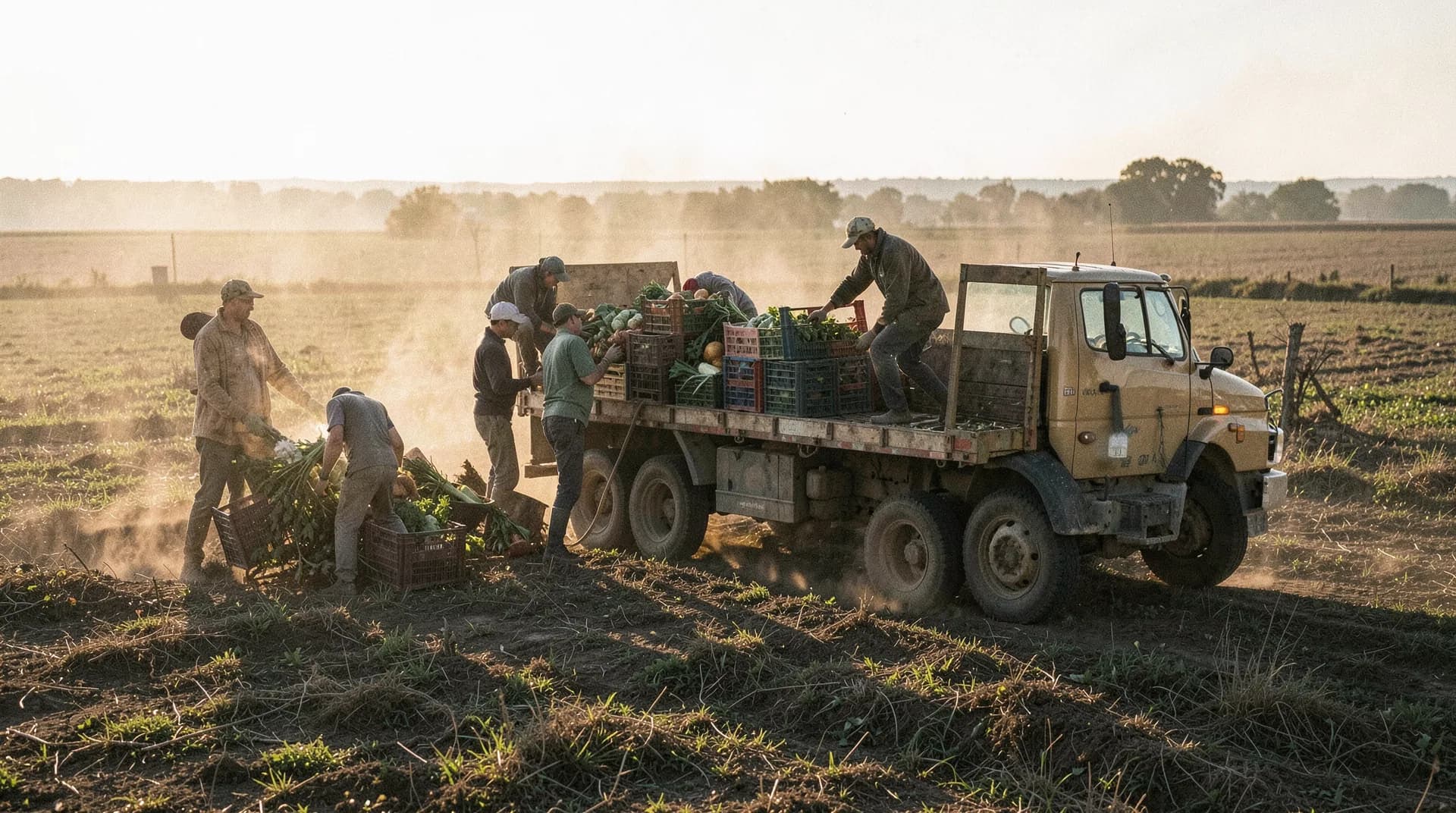
Working holiday makers face particular risks because of the physical nature of common WHV work — farm labour, construction, and adventure activities all carry injury risk.
When Insurance Might Save You
- Farm work injury: A fall from a ladder while picking fruit — ambulance ($800) + ER ($2,500) + X-rays ($500) + potential surgery = $5,000-$20,000
- Road accident: Australia's long-distance driving culture means car accidents happen. Hospitalisation after a car crash can cost $50,000+
- Adventure sports: Diving, skydiving, and surfing injuries are common. Without coverage, you pay everything
- Repatriation: If you need to be evacuated home for medical reasons, the cost can exceed $100,000 for a medical flight
Reciprocal Healthcare Agreements
Citizens of certain countries can enrol in Medicare for basic medical coverage. If you're from the UK, Ireland, New Zealand, Belgium, Finland, Italy, Malta, Netherlands, Norway, Slovenia, or Sweden, you can access Medicare for medically necessary treatment.
What Medicare covers: GP visits, public hospital treatment, and some prescriptions. What Medicare doesn't cover: Dental, optical, ambulance, repatriation, lost luggage, trip cancellation, or private hospital treatment.
Even with Medicare, travel insurance is recommended for the gaps — particularly ambulance cover and repatriation.
Travel Insurance vs OSHC
| Feature | Travel Insurance | OSHC |
|---|---|---|
| Designed for | Travellers/WHMs | Student visa holders |
| Medical cover | Yes | Yes |
| Dental | Limited or none | No |
| Ambulance | Usually included | Usually included |
| Luggage/theft | Yes | No |
| Trip cancellation | Yes | No |
| Repatriation | Yes | No |
| Adventure sports | Varies by policy | No |
| Cost (annual) | $500–$1,500 | $480–$700 |
OSHC (Overseas Student Health Cover) is mandatory for student visa holders but not designed for WHMs. Some WHMs purchase OSHC for its lower cost, but it provides medical coverage only — no travel benefits.
Travel insurance is the better option for WHMs because it covers medical plus travel-related risks (luggage, cancellations, repatriation).
What to Look For in a Policy
Essential Coverage
- Medical expenses: At least $500,000 (preferably unlimited)
- Emergency hospital admission: Including surgery and specialist care
- Ambulance: Ambulance services in Australia are not free in most states
- Repatriation/evacuation: Medical evacuation to your home country
- 24/7 emergency assistance: A helpline for medical emergencies
Important Extras
- Adventure sports: If you plan to surf, dive, skydive, bungee jump, or ski, ensure these activities are covered. Many basic policies exclude "adventure activities"
- Farm work cover: Confirm that your policy covers injuries sustained during paid employment. Some travel insurance policies exclude work-related injuries
- Extended stay: Ensure the policy covers your full visa duration (12 months minimum)
- Multiple trips: If you'll leave and re-enter Australia, ensure your policy covers travel in and out
Red Flags
- Low medical limit: Anything under $500,000 is risky in Australia
- Work exclusion: Some policies don't cover injuries while working — useless for a WHM
- High excess: Policies with $500+ excess per claim are cheaper but cost you more when you actually need to claim
- No repatriation: Without this, you're stuck if you need emergency evacuation
Top Providers for WHMs
World Nomads
Popular among backpackers and WHMs. Offers two levels of cover.
Standard plan: ~$700-$900/year. Basic medical plus travel coverage. Covers many adventure activities. Explorer plan: ~$1,000-$1,400/year. Higher limits, more activities covered.
Pros: Designed for travellers, covers many adventure sports, easy online claims. Cons: Higher premiums than some alternatives, work-related injuries may have limitations.
Allianz Travel Insurance
Major insurer offering comprehensive travel cover.
Cost: ~$600-$1,200/year depending on coverage level.
Pros: Strong medical coverage, good reputation, responsive claims. Cons: Adventure sport coverage varies by plan.
Cover-More
Australian-owned travel insurer with plans tailored for WHMs.
Cost: ~$500-$1,000/year.
Pros: Australian company (understands local healthcare system), good value. Cons: Less well-known internationally.
OSHC as Alternative
If your primary concern is medical coverage and you're from a non-reciprocal country, OSHC from providers like Medibank, Bupa, or Allianz Care can be purchased at $480-$700/year. It covers GP visits, hospital, and ambulance but nothing else.
Pros: Cheaper than travel insurance, covers all medical needs. Cons: No luggage, trip cancellation, or repatriation cover.
Making a Claim
Emergency Situations
Call your insurer's 24/7 emergency line immediately. They can:
- Direct you to the nearest appropriate hospital
- Arrange direct billing with the hospital (so you don't pay upfront)
- Coordinate repatriation if needed
- Provide translation services if needed
Non-Emergency Claims
- Keep all receipts and documentation (medical reports, police reports for theft)
- Lodge a claim online through your insurer's portal
- Provide supporting documents (receipts, medical certificates, police reports)
- Wait for assessment (typically 2-4 weeks)
- Receive payment to your nominated bank account
Tips for Smooth Claims
- Take photos of everything (damaged luggage, hospital bills, prescriptions)
- Report theft to police immediately and get a report number
- Keep copies of your policy number accessible at all times
- Don't wait — lodge claims as soon as possible after the incident
Frequently Asked Questions
Is workers' compensation different from travel insurance?
Yes. If you're injured at work, your employer's workers' compensation insurance should cover you — regardless of your visa status. Travel insurance covers injuries outside of work. However, having both provides a safety net in case workers' comp disputes arise.
Can I extend my insurance if I extend my visa?
Most insurers allow extensions. Contact your provider before your current policy expires. Some require you to extend before the policy lapses — a gap in coverage could mean a new policy with new waiting periods.
What about dental emergencies?
Most travel insurance covers emergency dental treatment (acute pain, trauma) but not routine dental work. Budget separately for any planned dental care.
Is insurance more expensive for older WHMs?
Yes. Premiums increase with age. WHMs aged 31-35 (from eligible countries) may pay 20-40% more than those under 25.
Can I buy insurance after arriving in Australia?
Some providers allow this, but many don't. Pre-arrival purchase is recommended — you're covered from the moment you land, and you avoid any gap in coverage during your first days.