Best Farm Jobs for Working Holiday Visa Holders in Australia
Farm work is the most common way working holiday visa holders complete their specified work requirements for second and third-year visas. The best farm jobs combine decent pay ($25-$40/hour depending on the role and your speed), manageable conditions, and consistent days. Fruit picking, viticulture (grape-related work), cattle farming, and dairy operations are among the top choices. Understanding the seasonal calendar and regional pay differences helps you earn more while ticking off your days.
Quick Facts
| Detail | Information |
|---|---|
| Minimum wage | $24.10/hour (award rate may be higher) |
| Typical farm pay | $25–$40/hour (or piece rate) |
| Piece rate potential | $200–$400/day for fast pickers |
| Best-paying crops | Cherries, mangoes, avocados |
| Year-round options | Bananas, dairy, cattle |
| Season peak | October – April (summer harvest) |
Top Farm Jobs by Type
Fruit Picking and Packing
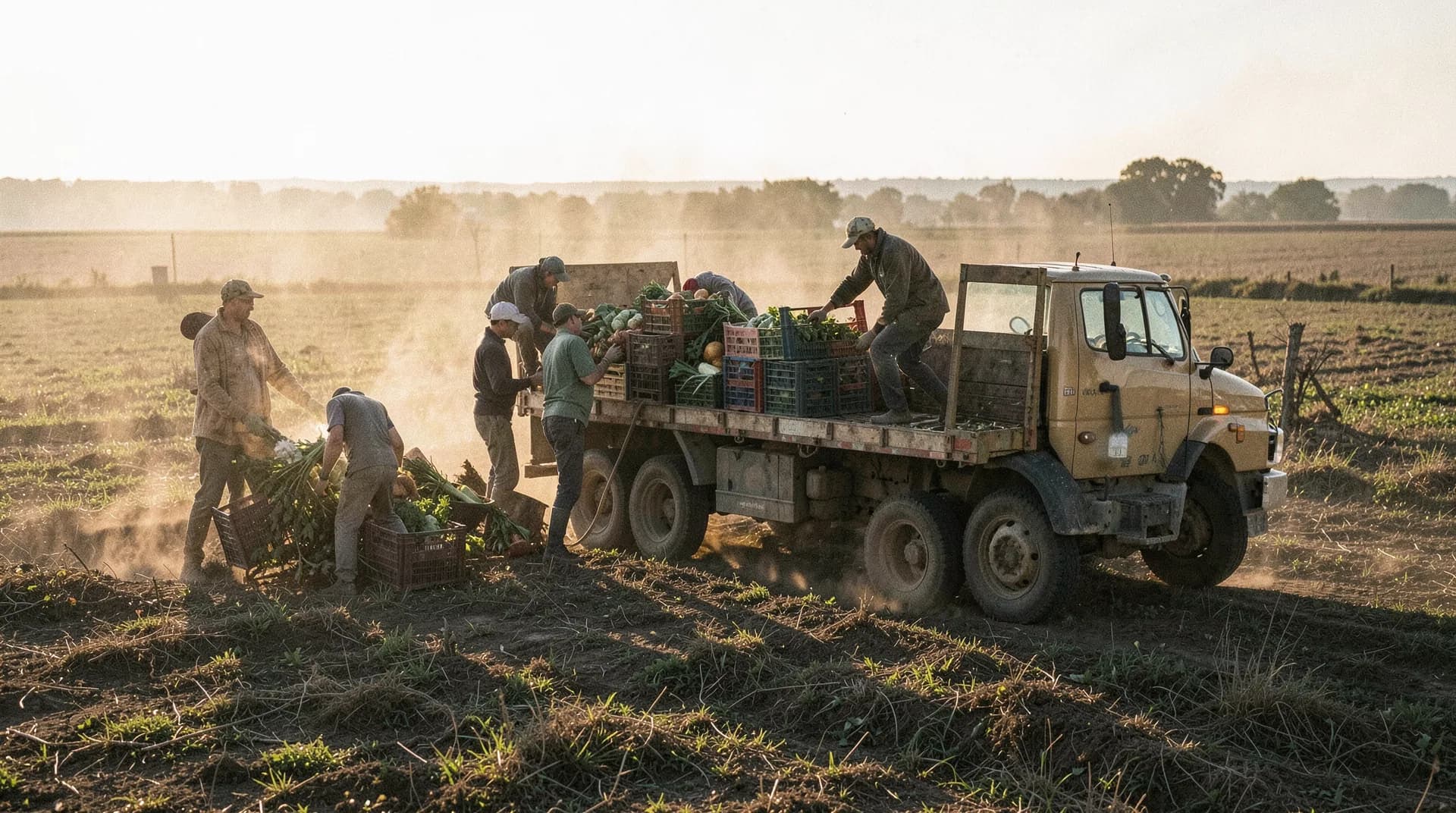
The classic backpacker farm job. You'll pick fruit from trees, vines, or ground plants, then sort and pack it for market. Speed matters — many farms pay piece rates (per bin, per tray, or per kilogram), so faster pickers earn significantly more.
Best fruits for income:
- Cherries ($30-$50/hour for fast pickers; short season)
- Mangoes ($30-$45/hour; physically demanding)
- Blueberries ($25-$40/hour; gentle on the body)
- Strawberries ($25-$35/hour; back-breaking but consistent)
- Avocados ($25-$35/hour; less picking, more packing)
Lower-paying fruits:
- Oranges and citrus ($20-$28/hour)
- Apples ($22-$30/hour)
- Bananas ($24-$30/hour; heavy physical work)
Packing shed work (sorting, grading, packing harvested fruit) typically pays the hourly award rate ($25-$28/hour) rather than piece rates. It's less physically demanding but also less lucrative for fast workers.
Viticulture (Grape Work)
Wine grape regions offer several types of work throughout the year.
Pruning (June – August): Cutting back vines during winter dormancy. Pays $25-$35/hour. Requires some training but is considered skilled work. Cold weather, but consistent hours.
Thinning (October – November): Removing excess shoots and bunches. Similar pay to pruning.
Harvesting (February – April): Picking grapes, often at night to preserve quality. Intense but short season. Machine harvest operators earn more.
Top viticulture regions: Barossa Valley (SA), Hunter Valley (NSW), Margaret River (WA), Yarra Valley (VIC), McLaren Vale (SA)
Cattle and Livestock
Station work on cattle and sheep properties offers a different farm experience.
Roles include: Mustering, fencing, feeding, animal husbandry, general station maintenance.
Pay: Typically $25-$35/hour. Live-in positions may include accommodation and meals, effectively increasing your take-home pay.
Locations: Queensland outback, Northern Territory, western NSW, western Queensland.
Pros: Authentic Australian experience, accommodation often included, less seasonal fluctuation. Cons: Extremely remote, physically demanding, hot conditions.
Dairy Farming
Dairy farms need workers year-round, making them ideal if you want consistent employment without chasing seasonal crops.
Roles: Milking (twice daily, early mornings), feeding, cleaning, animal care.
Pay: $26-$35/hour. Early starts (4-5 AM) are standard.
Locations: Gippsland (VIC), south-east Queensland, South Australia, Tasmania.
Pros: Year-round work, regular hours, transferable skills. Cons: Very early mornings, can be monotonous.
Seasonal Calendar
| Month | Best Crops/Work | Top Regions |
|---|---|---|
| January | Mangoes, stone fruit | NT, QLD, VIC |
| February | Grapes, tomatoes | SA, VIC, NSW |
| March | Grapes, apples, pears | SA, VIC, TAS |
| April | Apples, avocados | VIC, TAS, QLD |
| May | Strawberries begin, citrus | QLD, NSW |
| June | Pruning, citrus | SA, VIC, NSW |
| July | Pruning, vegetables | SA, VIC, QLD |
| August | Pruning, vegetables | SA, VIC, QLD |
| September | Strawberries, asparagus | QLD, VIC |
| October | Cherries, strawberries | VIC, TAS, QLD |
| November | Cherries, mangoes begin | VIC, TAS, NT |
| December | Mangoes, cherries, blueberries | NT, QLD, TAS |
Finding Farm Work
Online Resources
Harvest Trail (Australian Government): Official job board for harvest work. Lists seasonal opportunities by region and crop. Free to use.
Backpacker Job Boards: Sites like Gumtree, Seek, and backpacker-specific forums list farm positions. Be cautious of scams.
Farm Facebook Groups: Many regions have Facebook groups where farmers post jobs directly. "Fruit Picking Jobs Australia" and regional groups are active.
Labour Hire Companies
Many farms use labour hire companies to manage seasonal workers. Working through a labour hire company means:
- More consistent work (they manage multiple farms)
- Proper payroll and documentation
- Less negotiation on pay rates
- But the company takes a margin, potentially reducing your pay
Reputable labour hire companies: MADEC, The Backpacker Job Board, Agri Labour Australia
Walk-In Approach
In peak season, driving to a farming region and knocking on doors can work. Bring your own transport, be prepared for immediate starts, and have your tax file number ready. Small farms that don't advertise online may have work available.
Pay Rates and Piece Rates
Hourly Rates
The Horticulture Award minimum is approximately $28/hour for casual workers (including casual loading). Some employers pay above award; some try to pay below — the latter is illegal.
Piece Rates
Many picking jobs pay piece rates — per bucket, bin, or kilogram. Under the law, piece rate workers should earn at least the minimum hourly rate. In practice:
- Fast pickers can earn $35-$50/hour on piece rates
- Average pickers earn $25-$30/hour
- Slow pickers (beginners) may earn below minimum — this is technically illegal, and you can report it
Your earnings on piece rates depend on the crop, your speed, and the quality of the harvest. A tree laden with easily accessible fruit means fast bins. Sparse trees or ground-level picking is slower.
Accommodation
Farm-Provided Accommodation
Many farms offer on-site accommodation — often basic (shared cabins, converted sheds, or camping areas). Costs range from $80-$180/week, deducted from your pay.
Watch out for: Overpriced accommodation in poor condition. Some operators charge $150/week for a mattress in a shed. Know your rights — accommodation standards are regulated.
Hostels
Regional towns near farming areas have backpacker hostels that arrange farm work for guests. Convenient, but they take a commission and may control which farms you work at.
Camping
Free camping or caravan parks near farm regions is the cheapest option. You need your own vehicle and camping gear, but you maintain independence and keep more of your earnings.
Tips for Success
- Bring sun protection. Australian sun is brutal. Long sleeves, hat, sunscreen, and plenty of water.
- Start fitness prep early. Farm work uses muscles you didn't know you had. Get physically ready before starting.
- Have your own transport. Farms are often remote. A car gives you independence and access to more jobs.
- Negotiate piece rates before starting. Know what the rate per bin is and calculate whether it meets minimum wage at your picking speed.
- Keep every payslip. For your second-year visa application, documentation is everything.
Frequently Asked Questions
What's the highest-paying farm job?
Cherry picking during peak season can earn fast pickers $400-$500/day. Mango picking is also highly paid. Both are physically demanding and seasonally limited.
Can I find farm work year-round?
Yes, by moving between regions and crops. Start with summer fruits, transition to autumn harvests, then winter pruning, and spring planting. Dairy and cattle work is year-round in fixed locations.
Do I need experience?
Most picking and packing jobs require no experience. Training takes 1-2 days. Pruning, tractor driving, and livestock work may require some training or certification.
What about workers' rights?
You're entitled to the minimum wage, safe working conditions, breaks, and compensation for workplace injuries. If an employer is underpaying or exploiting you, contact the Fair Work Ombudsman. Your visa status does not affect your workplace rights.
Is it worth using a labour hire company?
For convenience and guaranteed documentation, yes. For maximum pay, direct employment with a farmer often pays more. Weigh the trade-offs based on your priorities.