482 Core Skills vs Specialist Skills Stream: Which Stream Is Right for You?
Updated: 16 August 2026
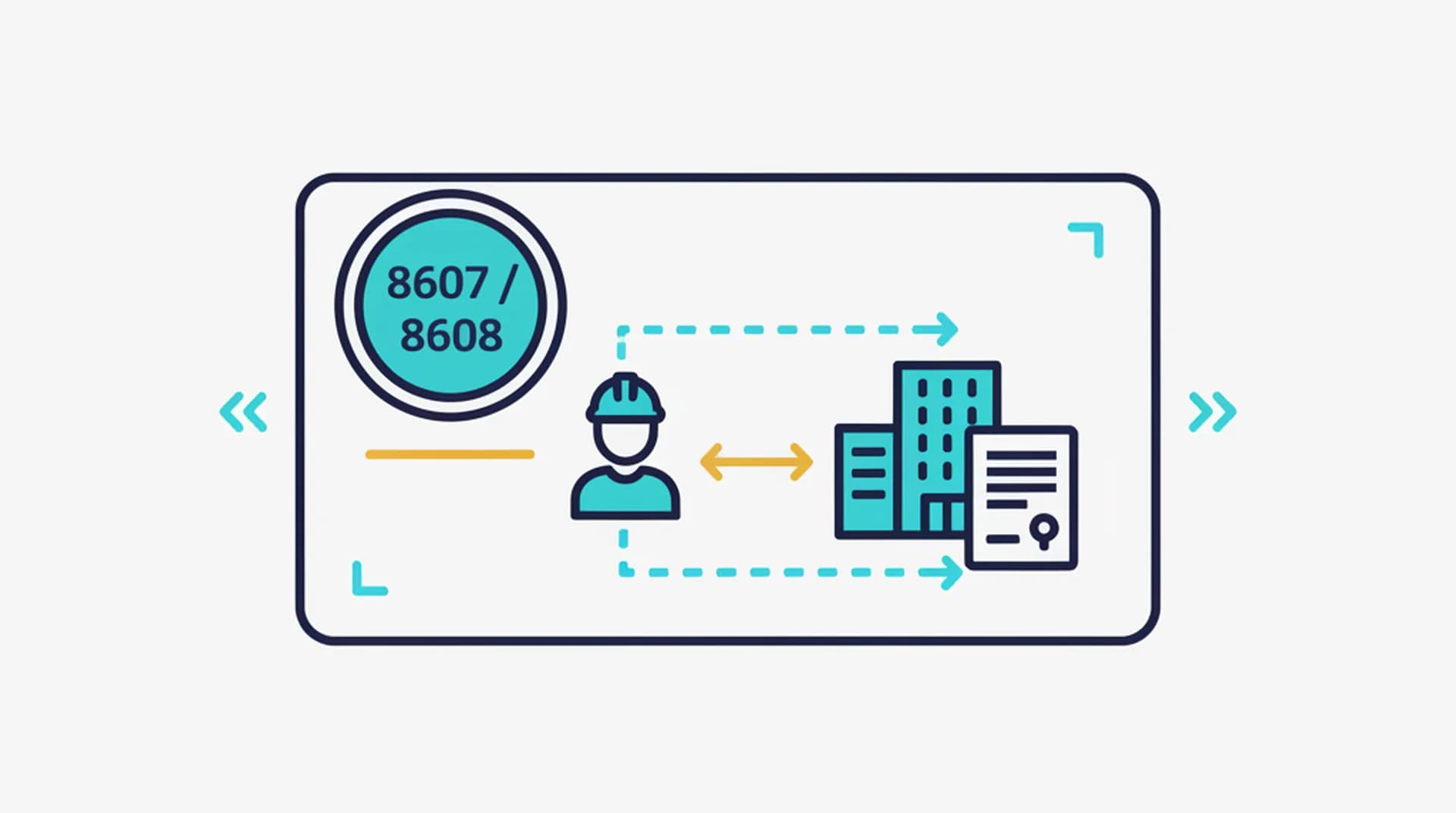
Since December 2024, the subclass 482 visa has operated under the new Skills in Demand (SID) framework with three distinct streams: Core Skills, Specialist Skills, and Labour Agreement. The first two are where most applicants land, and the difference between them comes down to one thing — your salary.
Earn AUD $76,515 or more but under $141,210? You're in the Core Skills stream. Earn AUD $141,210 or above? You're in Specialist Skills, which opens up a much wider range of eligible occupations. Both lead to permanent residency, both last up to 4 years, and both cost AUD $3,210. But the eligibility criteria and flexibility differ in ways that matter.
Quick Comparison Table
| Feature | Core Skills Stream | Specialist Skills Stream |
|---|---|---|
| Salary threshold | AUD $76,515/year | AUD $141,210/year |
| Occupation restriction | Must be on Core Skills Occupation List | Any occupation at ANZSCO Skill Level 1–3 |
| Visa cost | AUD $3,210 | AUD $3,210 |
| Duration | Up to 4 years | Up to 4 years |
| PR pathway | Yes (186 TRT after 2+ years) | Yes (186 TRT after 2+ years) |
| Skills assessment | Required | Required |
| Nomination required | Yes | Yes |
| English requirement | Competent (IELTS 5.0/5 with 4.5 minimum) | Competent (IELTS 5.0/5 with 4.5 minimum) |
| Age limit | No strict limit | No strict limit |
| Best for | Most skilled workers | High-earning professionals |
The Salary Threshold Explained
The salary thresholds are the defining feature of the new SID system:
Core Skills: AUD $76,515
This threshold replaced the old Temporary Skilled Migration Income Threshold (TSMIT) and is indexed annually. It represents the minimum guaranteed annual earnings your employer must pay you. At approximately AUD $38.70/hour (full-time), it covers most skilled occupations in Australia.
Specialist Skills: AUD $141,210
This is set at the top quartile of full-time earnings. If your employer is willing to pay you this much, the government essentially says: "You're clearly a high-value worker — we'll be flexible on which occupation list you're on."
What Counts Toward the Salary?
Guaranteed annual earnings include:
- Base salary: The core component
- Guaranteed allowances: Living-away-from-home allowance, tool allowance, etc. (only if guaranteed)
- Guaranteed bonuses: Only if contractually guaranteed (not discretionary)
Not included:
- Superannuation (employer's 11.5% contribution)
- Overtime (unless guaranteed minimum hours)
- Discretionary bonuses or commissions
- Non-monetary benefits (car, housing, meals)
- Reimbursements for expenses
Example: If your contract shows a base salary of AUD $75,000 plus a guaranteed $2,000 annual tool allowance, your guaranteed earnings are AUD $77,000 — above the Core Skills threshold. But if that $2,000 is a discretionary allowance, you're at $75,000 and don't qualify.
Occupation Lists: The Key Difference
Core Skills Occupation List
The Core Skills stream requires your nominated occupation to appear on the Core Skills Occupation List. This list covers a wide range of skilled occupations but is curated — not every occupation qualifies. Occupations are assessed based on Australia's skills needs and are updated periodically.
Common occupations on the Core Skills list include:
- Software engineers and developers
- Registered nurses and midwives
- Civil, mechanical, and electrical engineers
- Accountants and auditors
- Chefs and cooks (qualified)
- Electricians, plumbers, and other trades
- Teachers and education professionals
- Marketing and HR professionals
If your occupation isn't on the list, you can't use the Core Skills stream — regardless of your qualifications or experience. This is where the Specialist Skills stream becomes valuable.
Specialist Skills: Any Occupation at Skill Level 1–3
The Specialist Skills stream doesn't use a specific occupation list. Instead, your nominated role must be classified at ANZSCO Skill Level 1, 2, or 3:
- Skill Level 1: Managers, professionals (typically requiring a bachelor's degree or higher)
- Skill Level 2: Associate professionals (typically requiring a diploma or advanced diploma)
- Skill Level 3: Trades workers and technicians (typically requiring a Certificate III/IV or apprenticeship)
This means occupations that aren't on the Core Skills list — niche roles, emerging professions, highly specialized positions — can still be sponsored as long as the salary meets the AUD $141,210 threshold and the role is at least Skill Level 3.
Real-world example: A blockchain architect earning AUD $160,000 might not find their exact role on the Core Skills list. Under the Specialist Skills stream, if the role is classified at Skill Level 1 (as most technology management positions are), they'd qualify without needing to be on any specific occupation list.
Skills Assessment Requirements
Both streams require a skills assessment from the relevant assessing authority. The process and bodies are the same:
| Occupation Area | Assessing Authority | Approximate Cost | Timeframe |
|---|---|---|---|
| IT Professionals | ACS | AUD $500–$550 | 6–8 weeks |
| Engineers | Engineers Australia | AUD $800–$1,200 | 8–12 weeks |
| Accountants | CA ANZ / CPA / IPA | AUD $500–$600 | 6–10 weeks |
| Trades | TRA | AUD $300–$500 | 10–16 weeks |
| Nurses | ANMAC | AUD $600–$800 | 8–12 weeks |
| General professions | VETASSESS | AUD $600–$1,000 | 8–14 weeks |
For the Specialist Skills stream, you still need a skills assessment even though there's no specific occupation list. The assessment confirms your qualifications and experience match the ANZSCO classification of the nominated role.
PR Pathway: Same for Both Streams
Both Core Skills and Specialist Skills stream holders have identical pathways to permanent residency through the subclass 186 Temporary Residence Transition (TRT) stream:
- Work full-time for your nominating employer for 2+ years on the 482 visa
- Employer nominates you for the 186 TRT stream
- Apply for the 186 visa (AUD $6,140)
- Receive permanent residency
The PR pathway was a significant reform. Under the old system, some 482 occupations on the Short-Term Skilled Occupation List (STSOL) didn't have a PR pathway. Under the SID framework, both Core Skills and Specialist Skills streams provide a pathway to permanent residence. This was a major improvement for many workers who previously had no route to PR.
Timeline to PR
| Stage | Timeframe |
|---|---|
| 482 application and grant | 1–6 months |
| Qualifying work period | 2 years minimum |
| 186 nomination and application | 6–12 months |
| Total | ~3–4 years |
Labour Agreement Stream: The Third Option
Don't forget the Labour Agreement stream, which exists for specific industries and regions that have negotiated special arrangements with the Australian Government:
- Industry-specific agreements: Meat processing, fishing, dairy, horticulture
- Regional agreements: Designated Area Migration Agreements (DAMAs) for specific regional areas
- Company-specific agreements: Negotiated by individual employers for unique circumstances
Labour Agreements may have different salary thresholds, occupation requirements, and conditions. They're designed for situations where neither the Core Skills nor Specialist Skills streams adequately address a specific workforce need.
If your employer mentions a Labour Agreement, it means they've gone through an extensive negotiation process with the Department of Home Affairs — which is a good sign of commitment to your sponsorship.
Cost Breakdown: What You'll Actually Pay
| Cost Item | Core Skills | Specialist Skills |
|---|---|---|
| Visa application | AUD $3,210 | AUD $3,210 |
| Skills assessment | AUD $300–$1,200 | AUD $300–$1,200 |
| English test | ~AUD $395 | ~AUD $395 |
| Health examination | ~AUD $400–$500 | ~AUD $400–$500 |
| Police clearances | ~AUD $50–$200 | ~AUD $50–$200 |
| Migration agent (optional) | AUD $1,500–$3,500 | AUD $1,500–$3,500 |
| Nomination fee (employer pays) | AUD $540 | AUD $540 |
| SAF levy (employer pays) | AUD $1,200–$1,800/year | AUD $1,200–$1,800/year |
| Total applicant cost | AUD $5,000–$8,000 | AUD $5,000–$8,000 |
The costs are identical between streams. The only financial difference is the salary you receive — and at AUD $141,210 for Specialist Skills, the visa costs become a smaller percentage of your income.
Which Stream Is Right for You?
You're in the Core Skills Stream if:
- Your guaranteed annual earnings are AUD $76,515–$141,209
- Your occupation is on the Core Skills Occupation List
- You're in a standard skilled role (engineer, nurse, accountant, IT professional, tradesperson)
- Most employer-sponsored workers fall into this stream
You're in the Specialist Skills Stream if:
- Your guaranteed annual earnings are AUD $141,210 or more
- Your occupation may or may not be on the Core Skills list (it doesn't matter)
- You're in a senior, specialized, or high-demand role
- Common Specialist Skills roles: senior software architects, mining engineers, medical specialists, management consultants, senior financial professionals
Consider the 189 Visa Instead if:
- You have a high points score (80+) and don't want employer dependence
- You want immediate PR without a 2-year qualifying period
- Your occupation is on the skilled occupation list for the 189
- You want freedom to work for any employer from day one
Employer Considerations
Your employer plays a significant role in determining which stream applies. They need to:
Become an Approved Sponsor
Before nominating you, your employer must hold Standard Business Sponsorship (SBS). This costs AUD $540 and requires them to demonstrate they're a lawfully operating business.
Nominate You for the Position
The nomination specifies the occupation, salary, and terms of employment. The Department checks that the salary meets the relevant threshold and that the position genuinely exists.
Meet the Skilling Australians Fund (SAF) Levy
Employers must pay:
- Small business (< AUD $10 million turnover): AUD $1,200/year
- Other businesses: AUD $1,800/year
This is the employer's cost, not yours — but some employers factor it into their overall sponsorship budget, which can affect their willingness to sponsor.
Ongoing Obligations
Employers must maintain equivalent terms and conditions, pay the market salary, and cooperate with Department monitoring. If they fail to meet obligations, they risk losing their sponsorship approval — which affects all their sponsored workers, not just you.
Common Questions About the Streams
What if My Salary Changes During the Visa?
If your salary drops below the relevant threshold during your visa, this could create problems. Your employer is obligated to pay at least the nominated salary. A reduction below the threshold could breach sponsorship obligations and potentially affect your visa.
If your salary increases above AUD $141,210, you don't automatically switch to the Specialist Skills stream — your visa remains as granted. However, if you apply for a new 482 (e.g., with a different employer), the higher salary would place you in the Specialist Skills stream.
Can I Change Streams?
Not on an existing visa. The stream is determined at the time of application based on the nominated salary and occupation. To change streams, you'd need a new nomination and visa application — which means starting the process again with a new employer or renegotiated salary.
What About Part-Time Work?
The salary thresholds are based on full-time equivalent earnings. Part-time positions are calculated pro-rata. A role paying AUD $60,000 for 30 hours/week would be equivalent to AUD $80,000 full-time — above the Core Skills threshold. The Department assesses the full-time equivalent, not the actual hours-based pay.
The Bigger Picture: SID Reform Impact
The Skills in Demand framework represents a significant shift in Australian employer sponsorship. Key improvements include:
- Universal PR pathway: Both streams lead to permanent residency (the old system excluded some occupations)
- Salary-based flexibility: The Specialist Skills stream recognizes that high-paying roles indicate genuine skill needs
- Simplified structure: Three clear streams instead of the old system's multiple overlapping lists
- Regular indexation: Salary thresholds are reviewed and indexed, keeping them relevant
For workers and employers alike, the system is more predictable and transparent than what came before. Whether you're earning AUD $80,000 as an engineer or AUD $160,000 as a senior consultant, there's a clear pathway to sponsorship and permanent residency through the 482 visa.
FAQ
What happens if my occupation isn't on the Core Skills list and I earn under AUD $141,210?
Unfortunately, you won't qualify for either the Core Skills or Specialist Skills stream. Your options include: asking your employer to increase the salary package to meet the Specialist threshold, checking if a Labour Agreement applies to your industry/region, or exploring alternative visa pathways like the 189 or 190 (if your occupation is on those lists and you have enough points).
Is the AUD $141,210 threshold likely to increase?
Yes. Both thresholds are indexed to wage growth and are reviewed regularly. The Core Skills threshold of AUD $76,515 and Specialist threshold of AUD $141,210 are 2025/2026 figures. Expect small annual increases in line with average earnings growth (typically 2–4% per year). Always check the current thresholds when planning your application.
Can my employer top up my salary with benefits to meet the threshold?
Only guaranteed monetary benefits count toward the threshold. Non-cash benefits like company cars, housing, or meal allowances don't count. Discretionary bonuses don't count either. The salary must be genuinely guaranteed in your employment contract. Some employers restructure packages to increase the guaranteed component — this is legitimate as long as the salary is genuinely paid.
Do both streams require the same English level?
Yes. Both Core Skills and Specialist Skills require a minimum of Competent English (IELTS 5.0 overall with 4.5 per band, or equivalent). Some occupations have higher English requirements set by their professional registration body (e.g., nurses need IELTS 7.0). The stream doesn't change the English requirement — your occupation does.
How long does the 482 application take to process?
Processing times for both streams are similar: typically 1–6 months from application to grant, depending on complexity and completeness. Specialist Skills applications aren't processed faster than Core Skills. The main factors affecting speed are completeness of documentation, health and character checks, and current Department processing volumes. Using a migration agent can help ensure your application is complete, reducing the risk of delays from requests for additional information.