Cost of Living in Sydney 2026: Complete Guide for New Arrivals
Sydney is Australia's most expensive city, with a single person needing approximately $3,500-$5,000 AUD per month depending on location and lifestyle. The biggest expense is rent, averaging $650-$850 per week for a one-bedroom apartment in inner suburbs. A couple can expect monthly costs of $5,000-$7,000, while a family of four should budget $7,500-$10,000. These figures include housing, food, transport, utilities, and basic entertainment but don't include school fees, car ownership, or significant savings.
Rent and Housing
Housing is by far the largest expense in Sydney and the primary reason the city consistently ranks among the world's most expensive.
Average Weekly Rent by Area (2026)
| Area | 1-Bed Apartment | 2-Bed Apartment | 3-Bed House |
|---|---|---|---|
| CBD / Inner City | $750-$950 | $1,000-$1,400 | $1,200-$1,800 |
| Inner West (Newtown, Marrickville) | $550-$700 | $750-$950 | $900-$1,300 |
| Eastern Suburbs (Bondi, Coogee) | $650-$850 | $900-$1,200 | $1,200-$1,600 |
| North Shore (Chatswood, Neutral Bay) | $550-$700 | $750-$1,000 | $950-$1,400 |
| Western Sydney (Parramatta) | $450-$550 | $550-$700 | $650-$850 |
| South West (Liverpool, Bankstown) | $380-$480 | $480-$600 | $550-$750 |
| Northern Beaches (Manly, Dee Why) | $550-$700 | $700-$950 | $900-$1,300 |
Upfront costs when renting:
- Bond (security deposit): 4 weeks' rent
- Rent in advance: 2 weeks' rent
- Application fee: Free by law in NSW
- Moving costs: $300-$800 for professional movers
For a 1-bedroom apartment in the Inner West at $600/week, expect to pay approximately $3,600 upfront (bond + 2 weeks' advance) before you even move in.
Tips for finding affordable rent:
- Look at suburbs along the train lines in Western Sydney, as you can find significantly lower rents with a 30-40 minute commute
- Consider share housing ($250-$400/week for a room), especially when first arriving
- New arrivals often use sites like Domain, realestate.com.au, and Flatmates.com.au
- Don't forget to factor in utility costs, which aren't always included in rent
Groceries and Food
Food costs vary dramatically depending on whether you cook at home or eat out.
Average Weekly Grocery Costs
| Item | Approximate Cost |
|---|---|
| Milk (2L) | $3.20-$3.80 |
| Bread (loaf) | $3.50-$5.50 |
| Rice (1kg) | $3.00-$5.00 |
| Chicken breast (1kg) | $10.00-$14.00 |
| Eggs (dozen) | $5.50-$8.00 |
| Apples (1kg) | $4.50-$6.00 |
| Bananas (1kg) | $3.50-$5.00 |
| Onions (1kg) | $2.50-$4.00 |
| Pasta (500g) | $1.50-$3.00 |
| Cheese (1kg block) | $10.00-$14.00 |
Weekly grocery budget estimates:
- Single person (budget-conscious, cooking at home): $80-$120
- Single person (moderate, mix of cooking and convenience): $120-$180
- Couple: $150-$250
- Family of four: $250-$400
Eating out costs:
- Casual lunch (food court, cafe): $15-$22
- Dinner at a mid-range restaurant: $30-$50 per person
- Fast food meal: $12-$16
- Coffee (flat white): $4.50-$6.00
- Beer at a pub (pint): $10-$14
Aldi and Costco offer the best value for groceries. Asian grocery stores (particularly in suburbs like Eastwood, Hurstville, and Cabramatta) offer significantly cheaper produce, rice, noodles, and Asian staples.
Transport
Sydney's public transport system covers trains, buses, light rail, and ferries, all using the Opal card payment system.
Weekly Transport Costs
| Transport Type | Cost |
|---|---|
| Opal card weekly cap | $50 (bus/train/light rail/ferry) |
| Single train trip (10-20km) | $3.60-$5.20 |
| Single bus trip | $2.40-$4.80 |
| Ferry (Circular Quay to Manly) | $7.60 |
| Daily cap | $16.80 (regular) / $8.40 (Sunday) |
The Opal card weekly cap of $50 means you never pay more than $50 per week on public transport regardless of how many trips you take. Sunday travel is capped at $8.40, making weekend exploration affordable.
Car ownership costs (monthly):
- Car loan or lease: $400-$800
- Registration and CTP insurance: $100-$150
- Fuel: $200-$350
- Comprehensive insurance: $100-$200
- Parking (CBD): $400-$800
- Tolls (if using motorways): $50-$200
Many new arrivals to Sydney survive perfectly well without a car, particularly if they live near a train station. Car ownership in Sydney is expensive due to high parking costs, tolls on major motorways, and congestion.
Utilities
Monthly Utility Costs (1-Bedroom Apartment)
| Utility | Monthly Cost |
|---|---|
| Electricity | $80-$150 |
| Gas | $40-$80 |
| Water | $30-$50 (often included in rent for apartments) |
| Internet (NBN) | $70-$100 |
| Mobile phone | $30-$60 |
Total utilities for a 1-bedroom apartment: $250-$440 per month
Electricity is the biggest variable. Sydney summers can be brutally hot, and running air conditioning significantly increases your power bill. Compare electricity providers using government comparison sites to ensure you're getting a competitive rate.
Health
Health costs depend heavily on your visa type and whether you're eligible for Medicare.
| Health Expense | Cost |
|---|---|
| GP visit (without Medicare) | $80-$150 |
| GP visit (with Medicare bulk billing) | Free |
| Specialist appointment | $200-$500 |
| Dental check-up and clean | $200-$350 |
| Private health insurance (single, basic) | $120-$250/month |
| OSHC (international students) | $45-$60/month |
| Prescription medication (PBS, with Medicare) | $7.70-$31.60 per script |
If you're on a visa that doesn't provide Medicare access, private health insurance is essential. A single unexpected hospital visit without insurance can cost $5,000-$50,000+.
Entertainment and Lifestyle
| Activity | Cost |
|---|---|
| Cinema ticket | $20-$25 |
| Gym membership | $50-$80/month |
| Streaming services (Netflix/Stan) | $12-$20/month |
| Beaches | Free |
| National parks and bushwalks | Free (some parking fees) |
| Harbour Bridge climb | $174-$394 |
| Monthly entertainment budget (moderate) | $200-$400 |
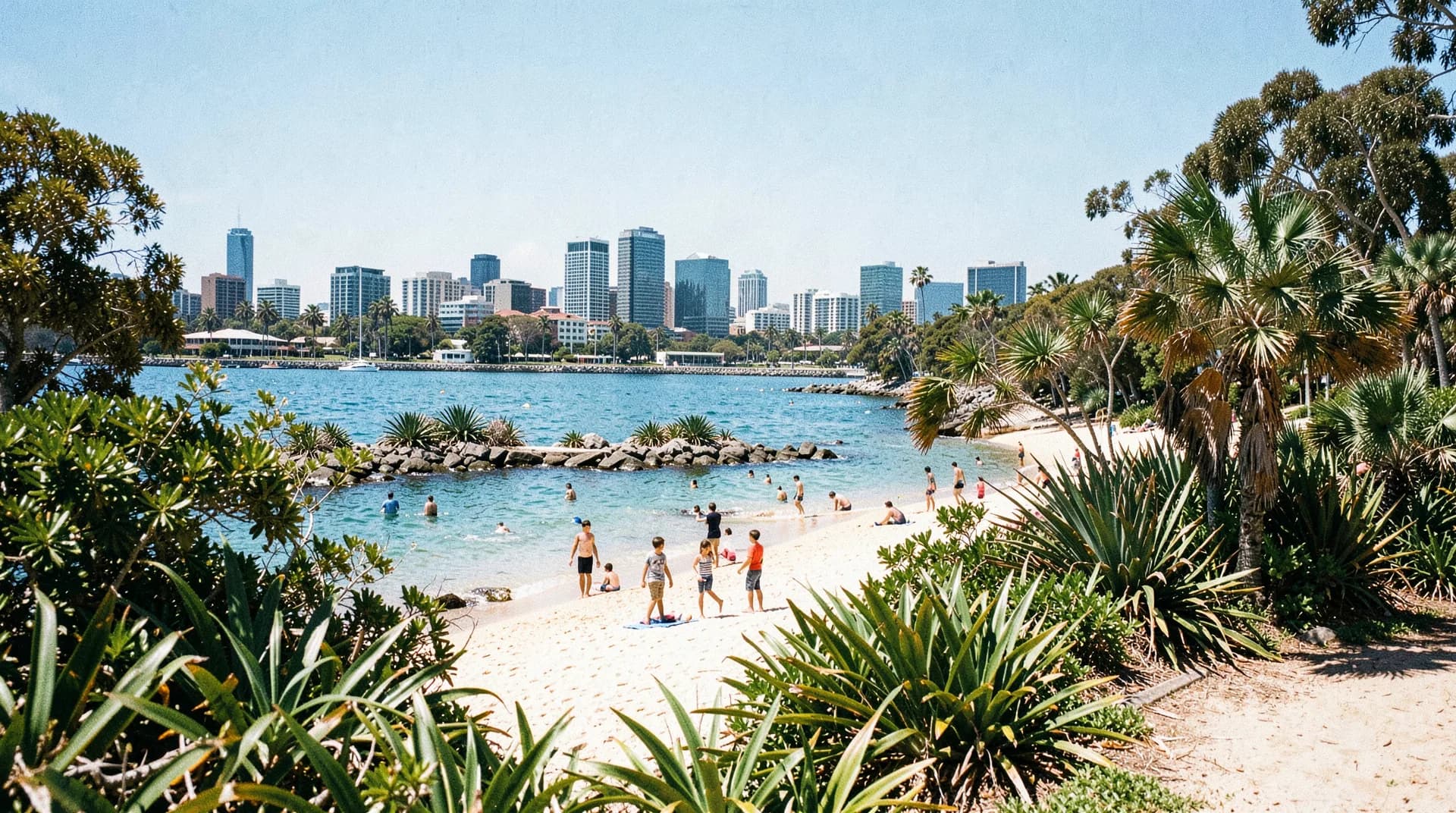
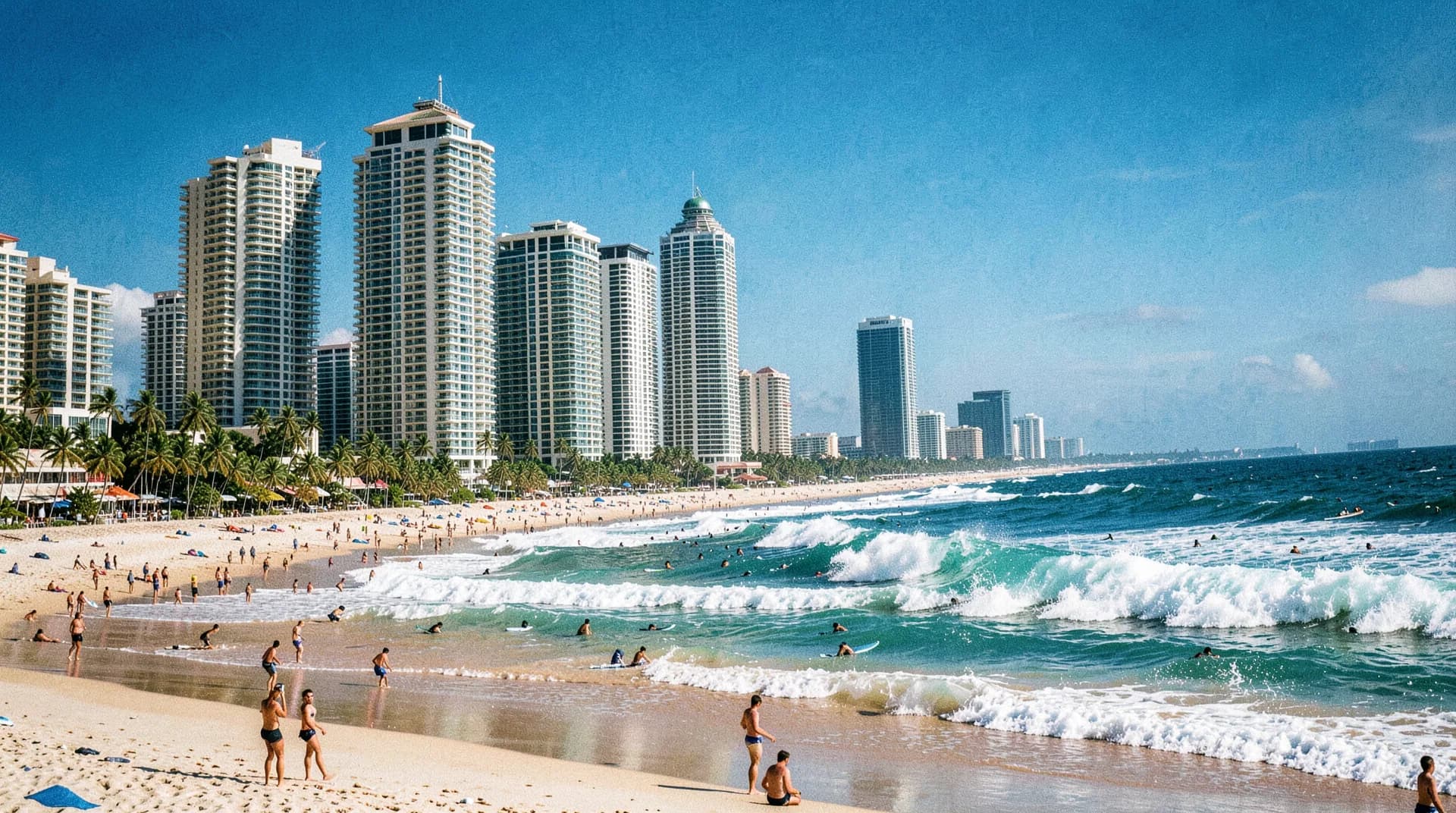
One of Sydney's best features for budget-conscious new arrivals: the city has spectacular free activities. Bondi Beach, coastal walks, harbour foreshores, national parks, and dozens of outdoor events cost nothing.
Monthly Budget Summary
Single Person
| Expense | Budget | Moderate | Comfortable |
|---|---|---|---|
| Rent (share house / 1-bed) | $1,200 | $2,400 | $3,200 |
| Groceries | $350 | $550 | $750 |
| Transport | $200 | $200 | $400 |
| Utilities | $150 | $250 | $350 |
| Health insurance | $0-$120 | $150 | $200 |
| Entertainment | $100 | $250 | $500 |
| Phone/Internet | $80 | $100 | $130 |
| Total | $2,080-$2,200 | $3,900 | $5,530 |
Couple
| Expense | Budget | Moderate | Comfortable |
|---|---|---|---|
| Rent (1-bed / 2-bed) | $2,400 | $3,200 | $4,200 |
| Groceries | $600 | $900 | $1,200 |
| Transport | $400 | $400 | $600 |
| Utilities | $200 | $300 | $400 |
| Health insurance | $0-$240 | $300 | $400 |
| Entertainment | $200 | $400 | $800 |
| Phone/Internet | $130 | $160 | $200 |
| Total | $3,930-$4,170 | $5,660 | $7,800 |
Suburb Guide for New Arrivals
Best value with good transport: Parramatta, Strathfield, Bankstown, Liverpool. These Western Sydney suburbs offer significantly lower rents with direct train access to the CBD (30-50 minutes).
Best for young professionals: Newtown, Surry Hills, Marrickville. Higher rents but walkable to the city, strong cafe and dining culture, and diverse communities.
Best for families: Castle Hill, Hornsby, Sutherland. Good schools, suburban feel, family-friendly amenities, moderate rents by Sydney standards.
Best for students: Kingsford, Kensington (near UNSW), Camperdown (near Sydney Uni), Macquarie Park (near Macquarie Uni). Proximity to campus reduces transport costs.
FAQ
How much do I need saved before moving to Sydney? Plan for at least $8,000-$12,000 AUD in savings to cover your first month's rent and bond, initial setup costs (furniture, household items), and a buffer while you find work.
Is Sydney really that much more expensive than other Australian cities? Yes, primarily because of rent. Sydney rents are 20-40% higher than Melbourne and 30-50% higher than Brisbane. Other costs (groceries, transport) are more comparable across cities.
Can I live on the minimum wage in Sydney? The Australian minimum wage is approximately $24.10/hour (as of 2026), which translates to roughly $915/week before tax for full-time work. This is tight in Sydney, especially for a single person paying rent alone. Share housing is almost essential at this income level.
What's the average salary in Sydney? The average full-time salary in Sydney is approximately $95,000-$100,000 per year (before tax). The median is lower, around $75,000-$80,000. Salaries are generally 5-15% higher than the national average.