Cost of Living in Melbourne 2026: Complete Guide for New Arrivals
Melbourne is Australia's second most expensive city, though noticeably cheaper than Sydney. A single person needs approximately $3,000-$4,200 AUD per month depending on lifestyle and location. Rent averages $480-$650 per week for a one-bedroom apartment in inner suburbs, roughly 20-30% less than Sydney equivalents. A couple should budget $4,500-$6,000 monthly, while a family of four needs $6,500-$9,000. Melbourne offers better value than Sydney while maintaining strong job markets, cultural amenities, and public transport.
Rent and Housing
Melbourne's rental market has tightened considerably since the pandemic, but it remains more affordable than Sydney, particularly in the middle and outer suburbs.
Average Weekly Rent by Area (2026)
| Area | 1-Bed Apartment | 2-Bed Apartment | 3-Bed House |
|---|---|---|---|
| CBD / Southbank / Docklands | $500-$650 | $700-$950 | N/A (mostly apartments) |
| Inner North (Fitzroy, Carlton, Brunswick) | $450-$580 | $600-$800 | $750-$1,100 |
| Inner South (St Kilda, South Yarra) | $480-$620 | $650-$850 | $800-$1,200 |
| Inner West (Footscray, Seddon) | $400-$500 | $520-$680 | $600-$850 |
| South East (Clayton, Dandenong) | $350-$430 | $430-$560 | $480-$650 |
| Western Suburbs (Werribee, Sunshine) | $330-$420 | $420-$540 | $450-$620 |
| Eastern Suburbs (Box Hill, Glen Waverley) | $400-$500 | $530-$680 | $600-$850 |
| Northern Suburbs (Reservoir, Thomastown) | $350-$440 | $440-$580 | $500-$680 |
Upfront costs:
- Bond: 4 weeks' rent
- Rent in advance: 1 month's rent
- Moving costs: $300-$700
Melbourne's rental market has some quirks new arrivals should know. Applications are competitive, especially for inner-city properties. You'll typically need to provide photo ID, proof of income (payslips or employment letter), rental references, and sometimes 100 points of identification.
Share housing is common and affordable: $200-$350/week for a room in an inner suburb share house. Websites like Flatmates.com.au and Facebook groups are the primary channels.
Groceries and Food
Melbourne's food scene is legendary, but eating out regularly adds up quickly. Cooking at home is the budget-friendly approach.
Weekly Grocery Estimates
| Shopper Type | Weekly Cost |
|---|---|
| Single (budget, home cooking) | $70-$110 |
| Single (moderate, some convenience) | $110-$160 |
| Couple (budget) | $130-$200 |
| Couple (moderate) | $200-$280 |
| Family of four | $220-$380 |
Eating out in Melbourne:
- Coffee (flat white/latte): $4.50-$5.50
- Casual lunch: $14-$20
- Mid-range dinner: $25-$45 per person
- Fast food meal: $12-$16
- Beer (pint, craft): $10-$14
- BYO restaurant (wine from bottle shop): Save $20-$40 on wine markup
Melbourne's advantage is the diversity and competitiveness of its food scene. The city has more restaurants per capita than almost anywhere in the world, and competition keeps prices reasonable. The laneways and suburban strips offer exceptional value for lunch, with many places serving quality meals for $14-$18.
Budget grocery shopping: Queen Victoria Market (Tuesday, Thursday, Friday, Saturday) offers fresh produce at lower prices than supermarkets, especially toward closing time. Preston Market, Footscray Market, and Dandenong Market are excellent for affordable groceries, particularly Asian, Indian, and African ingredients.
Transport
Melbourne's public transport network (trains, trams, and buses) uses the Myki card.
Transport Costs
| Transport | Cost |
|---|---|
| Myki daily cap (Zone 1+2) | $10.60 |
| Myki weekly cap | $53.00 |
| Single trip (Zone 1+2, 2 hours) | $5.30 |
| Free Tram Zone (CBD) | Free |
| Weekend/public holiday daily cap | $7.20 |
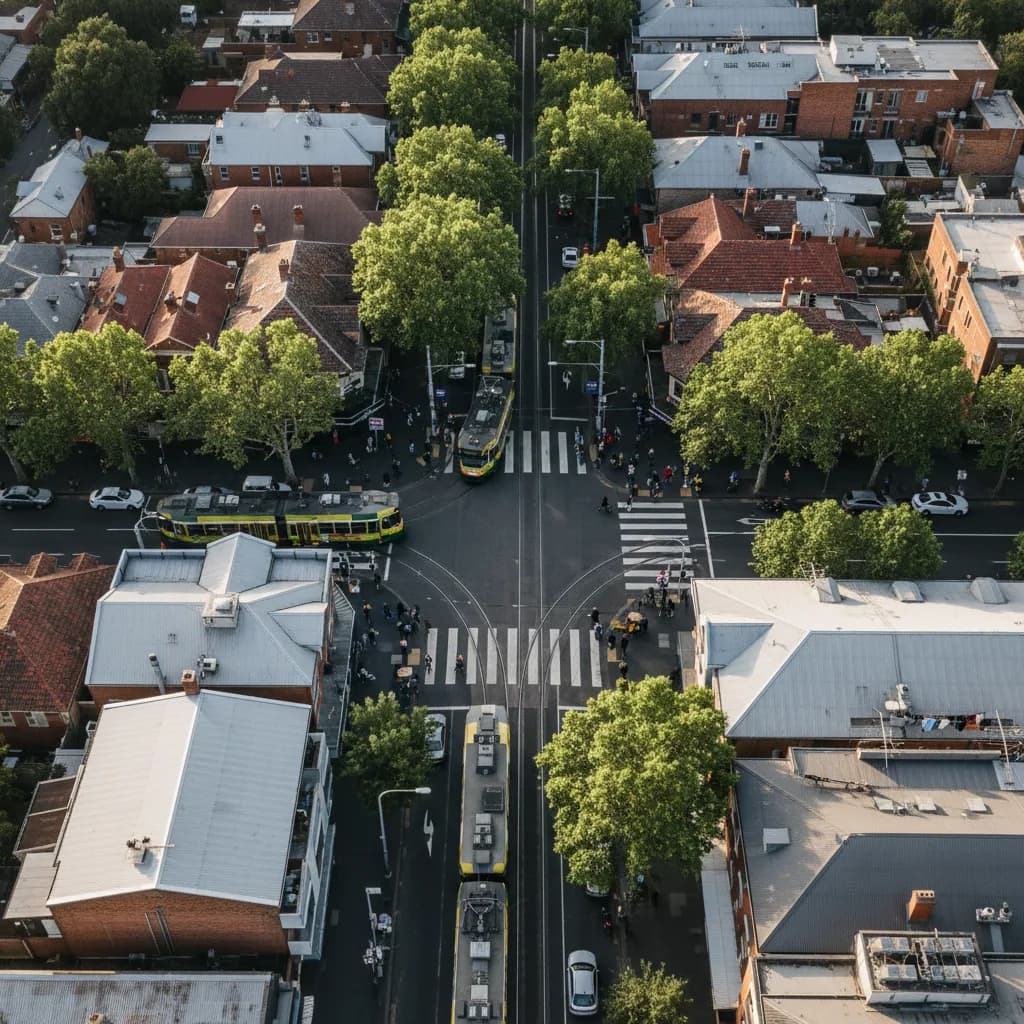
The Free Tram Zone: Melbourne's CBD is covered by a Free Tram Zone. Any tram trip that starts and ends within this zone is completely free. This covers Flinders Street, Spencer Street, Spring Street, and Victoria Street, including Docklands. For new arrivals working in the CBD, this can eliminate most commuting costs if you live within walking distance of a tram stop on the boundary.
Monthly transport budget:
- CBD worker using public transport: $200-$220/month
- Part-time or flexible worker: $120-$180/month
- Car ownership (total monthly cost): $500-$900
Melbourne's tram network is the largest in the world and is particularly useful for inner-city travel. Trains are better for longer commutes from the suburbs.
Utilities
Monthly Utility Costs (1-Bedroom Apartment)
| Utility | Monthly Cost |
|---|---|
| Electricity | $70-$130 |
| Gas (heating/cooking) | $50-$100 |
| Water | $25-$45 |
| Internet (NBN) | $65-$100 |
| Mobile phone | $30-$60 |
Total utilities: $240-$435 per month
Melbourne's climate makes a real difference to your utility bills. Winters are cold (by Australian standards) and grey, so heating costs from May to September can add $40-$80/month to your gas bill. Summers are generally milder than Sydney, so cooling costs are lower, though Melbourne can hit 40+ degrees on extreme days.
Gas heating is common in Melbourne (less so in Sydney), so most apartments have gas bills as well as electricity.
Melbourne-Specific Costs
Coffee culture: Melbourne takes its coffee seriously, and a daily flat white habit costs $4.50-$5.50 per cup, or $90-$110/month if you buy daily. Invest in a good home setup to save.
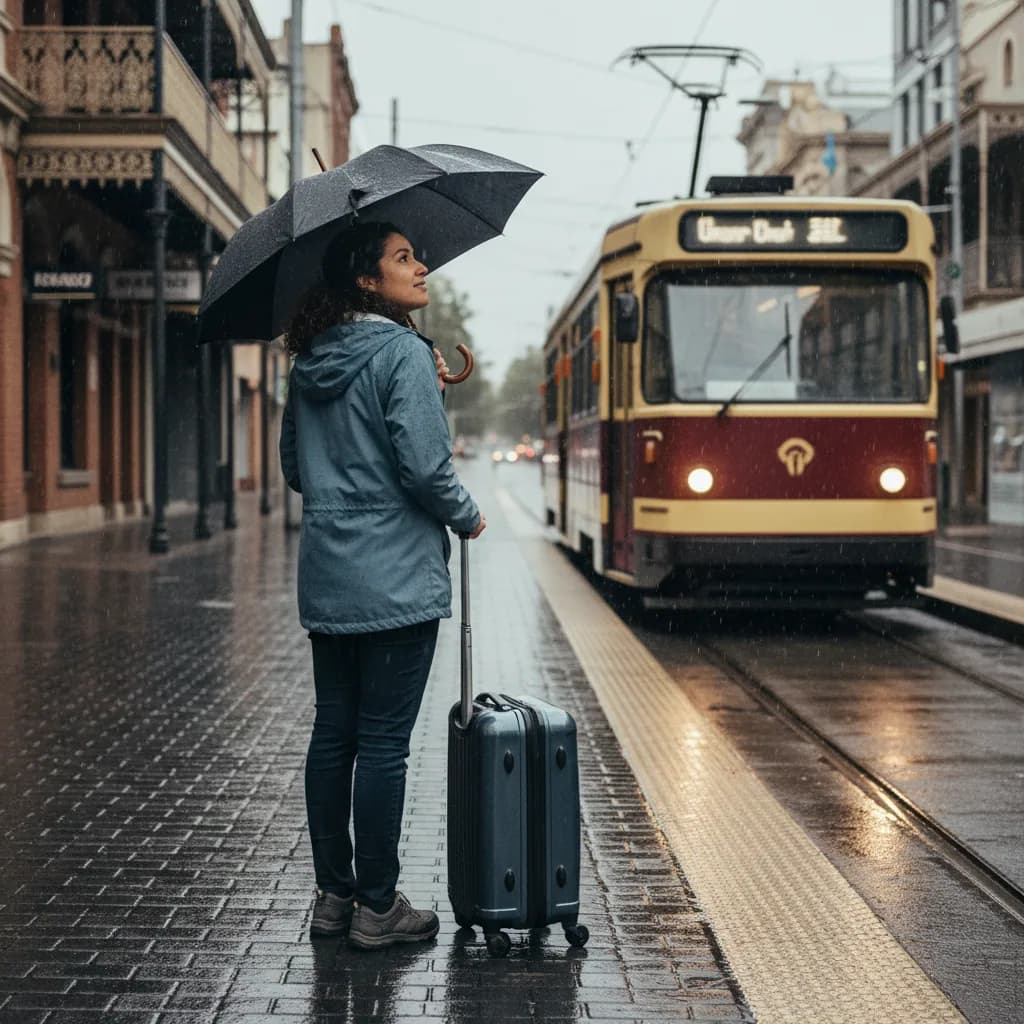
Weather gear: Melbourne's weather is famously unpredictable ("four seasons in one day"). Budget for a quality winter jacket ($150-$300), umbrella, and layering clothing. This is a real cost that newcomers from warmer climates underestimate.
Cultural events: Melbourne hosts numerous free events throughout the year, including the Melbourne International Comedy Festival (some free shows), White Night, Moomba Festival, and regular events in Federation Square. The NGV (National Gallery of Victoria) is free for general admission.
AFL football: If you want to integrate with Melbourne culture, attending an AFL game is almost mandatory. Tickets range from $25-$50 for regular season games.
Monthly Budget Summary
Single Person
| Expense | Budget | Moderate | Comfortable |
|---|---|---|---|
| Rent (share / 1-bed) | $1,100 | $2,000 | $2,600 |
| Groceries | $320 | $500 | $700 |
| Transport | $160 | $210 | $350 |
| Utilities | $150 | $240 | $350 |
| Health insurance | $0-$120 | $150 | $200 |
| Entertainment | $100 | $250 | $450 |
| Phone/Internet | $80 | $100 | $130 |
| Total | $1,910-$2,030 | $3,450 | $4,780 |
Family of Four
| Expense | Budget | Moderate | Comfortable |
|---|---|---|---|
| Rent (3-bed) | $2,400 | $3,200 | $4,400 |
| Groceries | $1,000 | $1,400 | $1,800 |
| Transport | $400 | $500 | $800 |
| Utilities | $350 | $450 | $550 |
| Health insurance | $300 | $500 | $700 |
| Education (public school) | $0-$100 | $200 | $400 |
| Entertainment | $200 | $400 | $700 |
| Phone/Internet | $130 | $160 | $200 |
| Total | $4,780-$4,880 | $6,810 | $9,550 |
Neighbourhood Guide for New Arrivals
Best value with character: Footscray, Sunshine, Braybrook. These western suburbs offer the lowest rents with direct train access (15-25 minutes to the CBD). Footscray in particular has undergone significant revitalisation while retaining its multicultural character and affordable food options.
Best for young professionals: Fitzroy, Collingwood, Brunswick, Northcote. Melbourne's inner north is the cultural heartland. Higher rents but unbeatable lifestyle, with cafes, bars, live music, and galleries on every corner.
Best for families: Glen Waverley, Doncaster, Templestowe, Point Cook, Berwick. Good schools (both public and private), parks, family-friendly amenities. Moderate to affordable rents in the outer east and west.
Best for students: Carlton (near Melbourne Uni), Clayton (near Monash Uni), Hawthorn (near Swinburne). Proximity to campus reduces transport costs. Carlton in particular has affordable eateries and a strong student culture.
Best for Indian/South Asian community: South-east suburbs including Clayton, Dandenong, Noble Park, Narre Warren, and Cranbourne have large Indian communities with shops, restaurants, and cultural centres.
Best for Chinese community: Box Hill, Glen Waverley, Doncaster, and the CBD itself have strong Chinese communities with excellent restaurants and Asian supermarkets.
Melbourne vs Sydney: Quick Cost Comparison
| Expense (Monthly) | Melbourne | Sydney | Difference |
|---|---|---|---|
| 1-bed rent (inner) | $2,100 | $2,800 | -25% |
| 1-bed rent (outer) | $1,500 | $1,900 | -21% |
| Groceries (single) | $500 | $550 | -9% |
| Transport (monthly pass) | $210 | $200 | +5% |
| Coffee (daily) | $5.00 | $5.00 | Same |
| Dining out (moderate) | $30 | $35 | -14% |
Melbourne is consistently cheaper, with the gap most pronounced in housing costs. The main exceptions are transport (Melbourne's Myki is marginally more expensive than Sydney's Opal for regular commuters) and winter heating costs.
FAQ
Is Melbourne a good city for immigrants? Melbourne is consistently ranked as one of the world's most liveable cities and has one of the most culturally diverse populations in Australia. Over 30% of Melbourne residents were born overseas. The city is generally welcoming, with strong multicultural communities and services.
How much should I save before moving to Melbourne? Budget at least $7,000-$10,000 AUD in savings for your first month's rent, bond, initial setup costs, and a financial buffer. More is better, especially if you don't have a job lined up before arrival.
Are Melbourne salaries lower than Sydney? On average, yes, by approximately 5-10%. However, the lower cost of living means your effective purchasing power is often higher in Melbourne. The salary gap varies significantly by industry.
What's the minimum salary to live comfortably in Melbourne? A single person earning $65,000-$75,000 per year can live comfortably (not extravagantly) in Melbourne, including renting their own 1-bedroom apartment and saving modestly. Below $55,000, you'll likely need a share house or very careful budgeting.