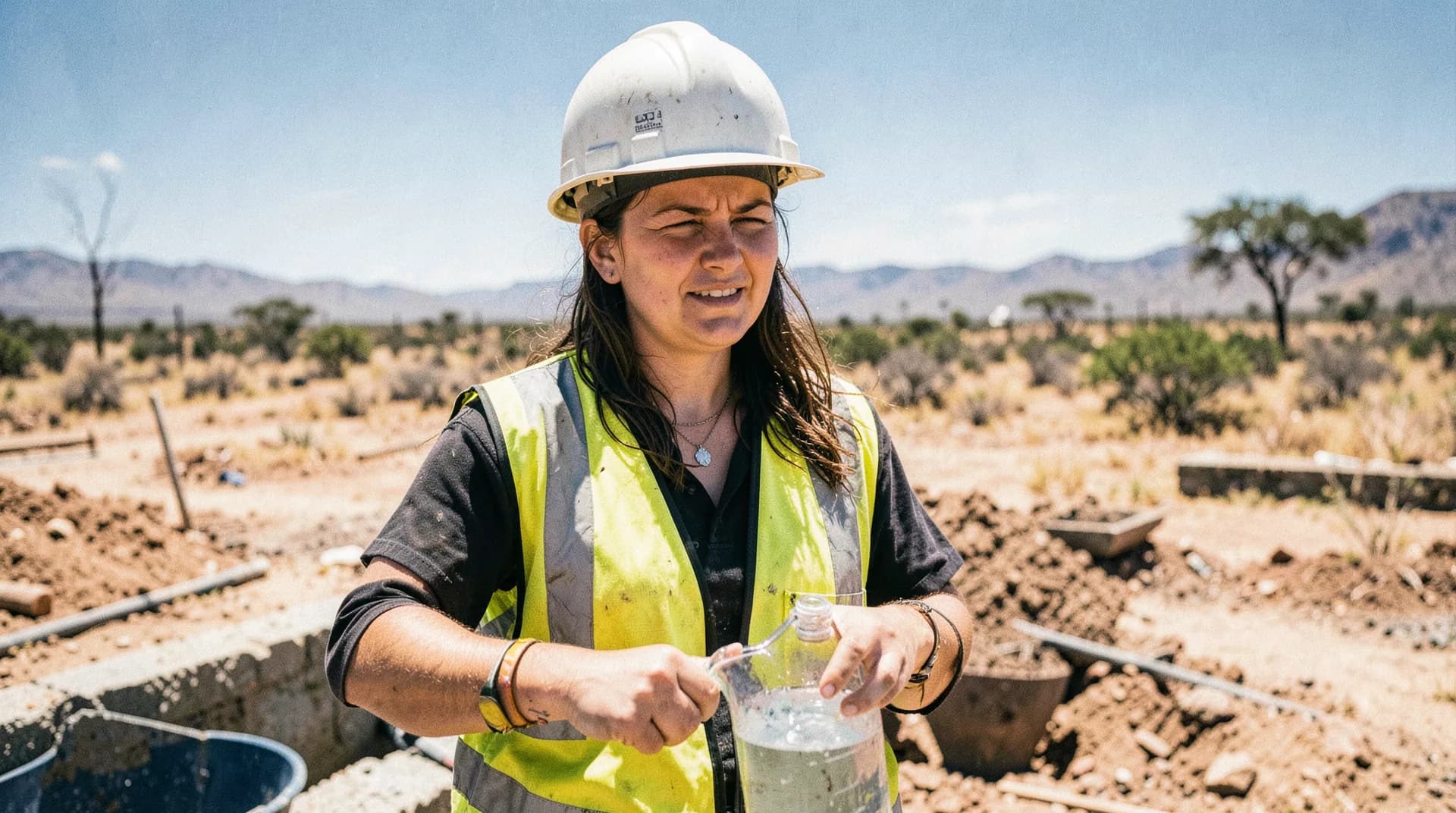
Second Year Working Holiday Visa: 88 Days Specified Work Guide
To qualify for a second year working holiday visa in Australia, you must complete 88 days (approximately 3 months) of specified work in a designated regional area during your first year. Specified work includes agriculture, mining, construction, fishing, forestry, and other industries in eligible postcodes. The 88 days can be accumulated across multiple employers and doesn't need to be consecutive. Your second-year visa gives you another 12 months of full work and travel rights in Australia.
Quick Facts
| Detail | Information |
|---|---|
| Required specified work | 88 days (or equivalent hours) |
| Where | Designated regional areas of Australia |
| Eligible industries | Agriculture, mining, construction, fishing, forestry, tree farming, bushfire recovery |
| Consecutive days required? | No — can be accumulated |
| Visa cost | $1,000 (Subclass 417) or $1,000 (Subclass 462) |
| Age limit | Must apply before turning 31 (or 36 for some countries) |
| Apply from | Inside or outside Australia |
What Is Specified Work?
Specified work is employment in specific industries performed in designated regional areas of Australia. The government identifies these industries and regions because they face chronic labour shortages — particularly in agriculture during harvest seasons.
Eligible Industries
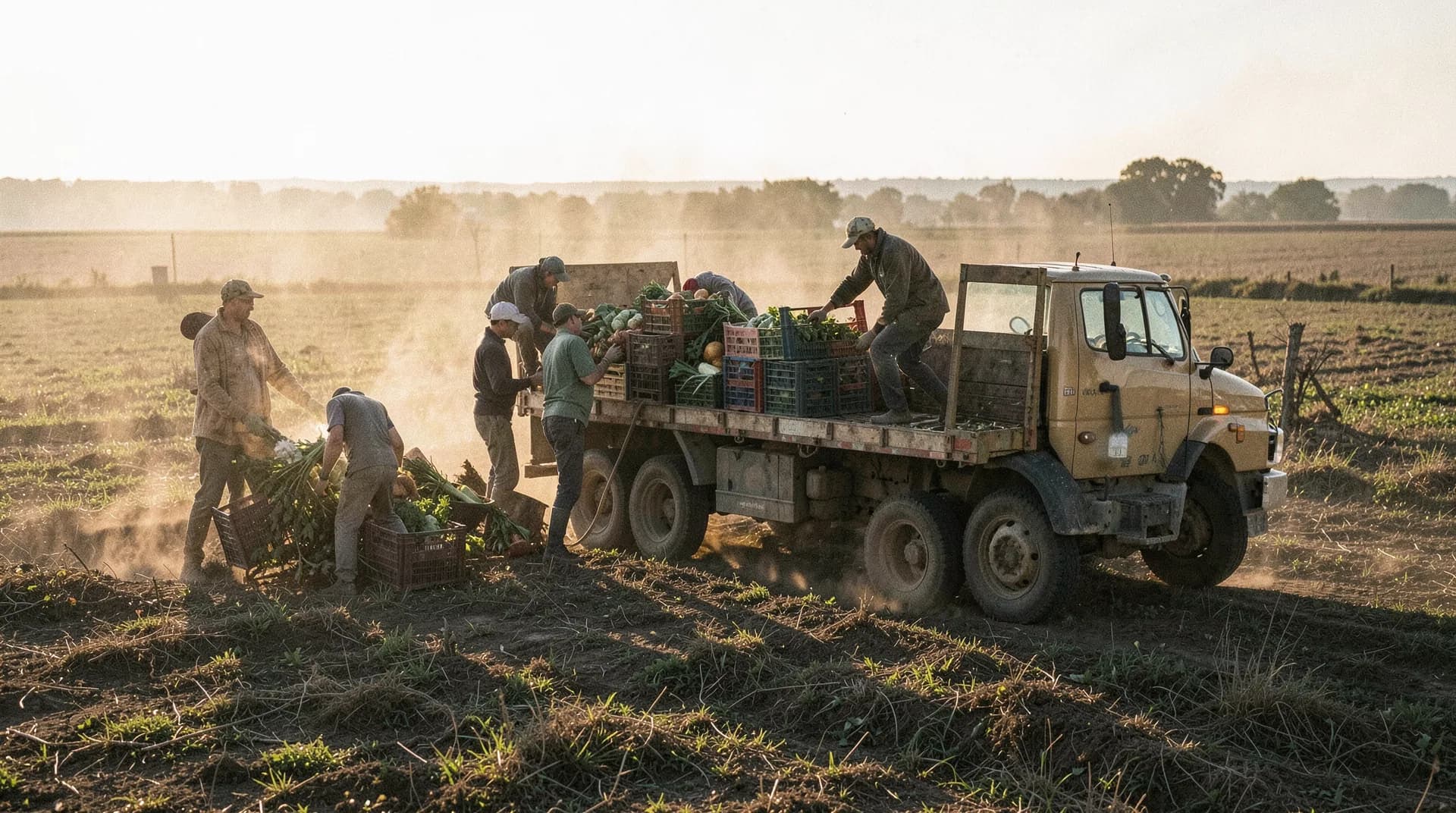
Plant and animal cultivation: Harvesting and packing fruit, vegetables, and crops. Pruning, thinning, and general crop maintenance. Shearing, mustering, and general animal husbandry. Dairy farming, feedlot work, and egg collection.
Fishing and pearling: Commercial fishing operations, oyster farming, prawn trawling, and pearling.
Tree farming and felling: Plantation work, timber harvesting, log processing, and silviculture.
Mining: Open-cut and underground mining operations, mineral exploration, and oil and gas extraction.
Construction: Residential and commercial building construction in eligible regional areas. This was added in recent years to address regional housing shortages.
Bushfire recovery work: Cleanup, rebuilding, and recovery operations in declared bushfire-affected areas.
Designated Regional Areas
Not all of Australia qualifies. The work must be performed in postcodes designated as regional by the Department of Home Affairs. Generally, this means:
- All of Northern Territory
- All of South Australia
- All of Tasmania
- Regional New South Wales (excluding Sydney, Newcastle, Central Coast, and Wollongong metro areas)
- Regional Queensland (excluding Brisbane and Gold Coast metro areas)
- Regional Victoria (excluding Melbourne metro area)
- Regional Western Australia (excluding Perth metro area)
The Department publishes a specific postcode list that defines eligible areas. Check your employer's postcode before starting work — performing 88 days of farm work in a non-eligible postcode doesn't count.
How to Count Your 88 Days
Calendar Days vs Work Days
You can count your specified work in calendar days, hours, or based on payslips. The Department accepts several counting methods:
Calendar day method: Count every day from your employment start date to end date. Weekends, public holidays, and days you didn't work but were available (e.g., rained out on a farm) can be counted IF your employment was continuous. If you worked Monday to Friday on a farm, you can count Saturday and Sunday as well.
Payslip method: Count the number of days you were paid for. This is the most straightforward method but may result in needing more working days if you don't count weekends.
Hours method: 7.6 hours = 1 day. If you work longer days (10-12 hours in agriculture is common), fewer calendar days are needed. 88 days × 7.6 hours = 668.8 hours.
What Counts
- Paid work days in eligible industries and postcodes
- Rest days during continuous employment periods
- Public holidays during employment periods
- Days when work was unavailable due to weather (if employed continuously)
What Doesn't Count
- Travel days to and from the work location
- Training days before commencing the work
- Unpaid trial shifts
- Days between separate employment periods
- Sick days if you weren't employed
Evidence Requirements
Proving your 88 days is critical. The Department requires documentary evidence, and inadequate proof is a common reason for second-year visa refusal.
Required Documents
Payslips: Keep every payslip. They should show your name, employer's name, ABN, work dates, hours, pay rate, and tax withheld.
Employment references: A letter from each employer confirming your employment dates, duties, and location.
Tax records: Your PAYG payment summary or income statement from the ATO confirms income earned.
Bank statements: Showing salary deposits from your employer corroborates your payslips.
Form 1263: You may need to complete the Employment Verification form, signed by your employer, confirming the details of your specified work.
Tips for Record-Keeping
- Take photos of yourself at work and the work location (with a date stamp)
- Save all payslips — digital copies in email or cloud storage
- Keep employment contracts or written agreements
- Record employer ABN and address — you'll need these on your visa application
- Get reference letters before you leave each job, while the employer remembers you
- Use the ATO myTax account to verify your employment income matches your records
Finding Specified Work
Farm Work (Most Common)
Fruit picking and packing is the most popular specified work. The Australian harvest season varies by region and crop:
| Crop | Region | Season |
|---|---|---|
| Strawberries | Queensland (Stanthorpe, Bundaberg) | May – October |
| Mangoes | Northern Territory, Queensland | October – February |
| Cherries | Victoria, Tasmania | November – January |
| Grapes | South Australia (Barossa, Riverland) | February – April |
| Apples | Victoria, Tasmania | February – April |
| Bananas | North Queensland | Year-round |
| Cotton | NSW (Moree, Narrabri) | March – May |
For detailed information, see our guide to best farm jobs for working holiday visa holders.
Other Industries
If farm work isn't your thing, construction in regional areas, mining operations, and fishing also qualify. Mining jobs typically pay significantly more but may require specific qualifications or safety certifications.
Common Mistakes
Wrong postcode: Working in a non-designated postcode is the biggest waste of time. Verify every employer's postcode before starting.
Cash-in-hand work: If your employer pays you cash without proper payslips and tax withholding, you have no evidence. The Department will not count undocumented work.
Insufficient documentation: Relying on a single piece of evidence (just payslips, just a reference letter) is risky. Provide multiple forms of evidence for each employment period.
Counting errors: Don't assume 88 calendar days is the same as 88 work days. Use the correct counting method and give yourself a buffer — aim for 95+ days to be safe.
Working for labour hire companies: Labour hire is fine, but ensure you know the actual work location (postcode) and that the work performed is in an eligible industry. The labour hire company's office address doesn't matter — it's where you physically work.
How to Apply for the Second-Year Visa
- Complete 88 days of specified work during your first WHV
- Gather all evidence (payslips, references, tax records)
- Apply through ImmiAccount — select "second Working Holiday Visa"
- Pay $1,000 application fee
- Provide evidence of specified work with dates, employers, and locations
- Wait for processing — typically 14-30 days if evidence is clear
You can apply from inside or outside Australia. If inside, a bridging visa keeps you lawful while the application is processed.
Frequently Asked Questions
Can I do my 88 days across multiple employers?
Yes. Most people work for 2-4 different employers to accumulate 88 days. There's no requirement to complete all days with a single employer.
Do I need to complete 88 days before applying?
Yes. You must have completed all 88 days before lodging the second-year application. You cannot apply while still accumulating days.
What if I did specified work but my employer won't provide a reference?
Use payslips, bank statements, and ATO records as alternative evidence. You can also try contacting the employer in writing and keeping a copy as evidence of your attempt.
Can I count work done during my second year toward a third year?
No. Only specified work done during your second-year visa counts toward the third-year visa. First-year work counts for the second year only.
Is the second-year visa automatic if I complete 88 days?
No. You must apply and pay the fee. The 88 days make you eligible, but you still need to meet all other requirements (age, health, character). The application is assessed individually.
What if I'm one day short?
Even one day short means refusal. The 88-day requirement is strict. This is why experienced backpackers recommend aiming for 90-95 days to build a safety margin.