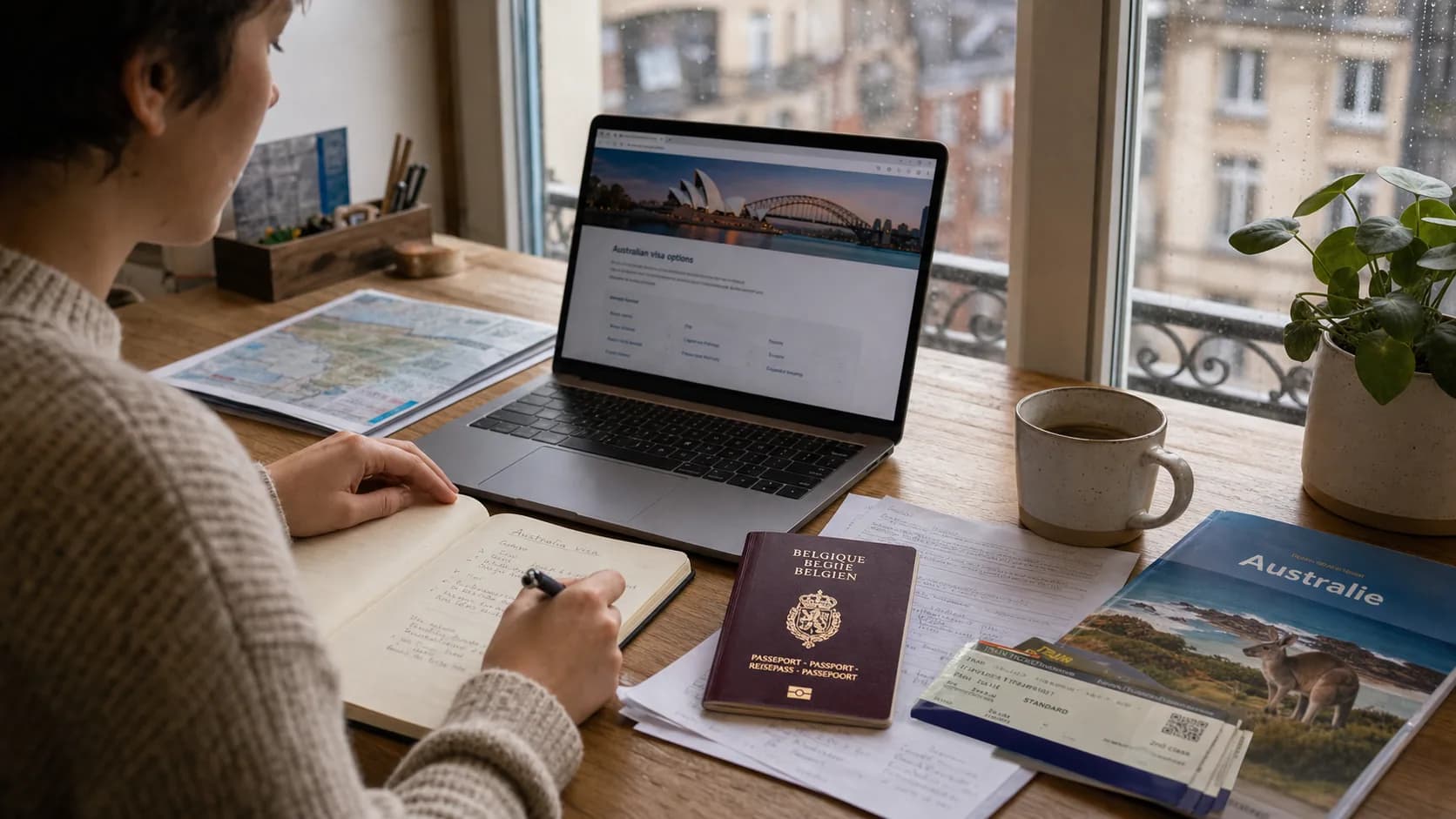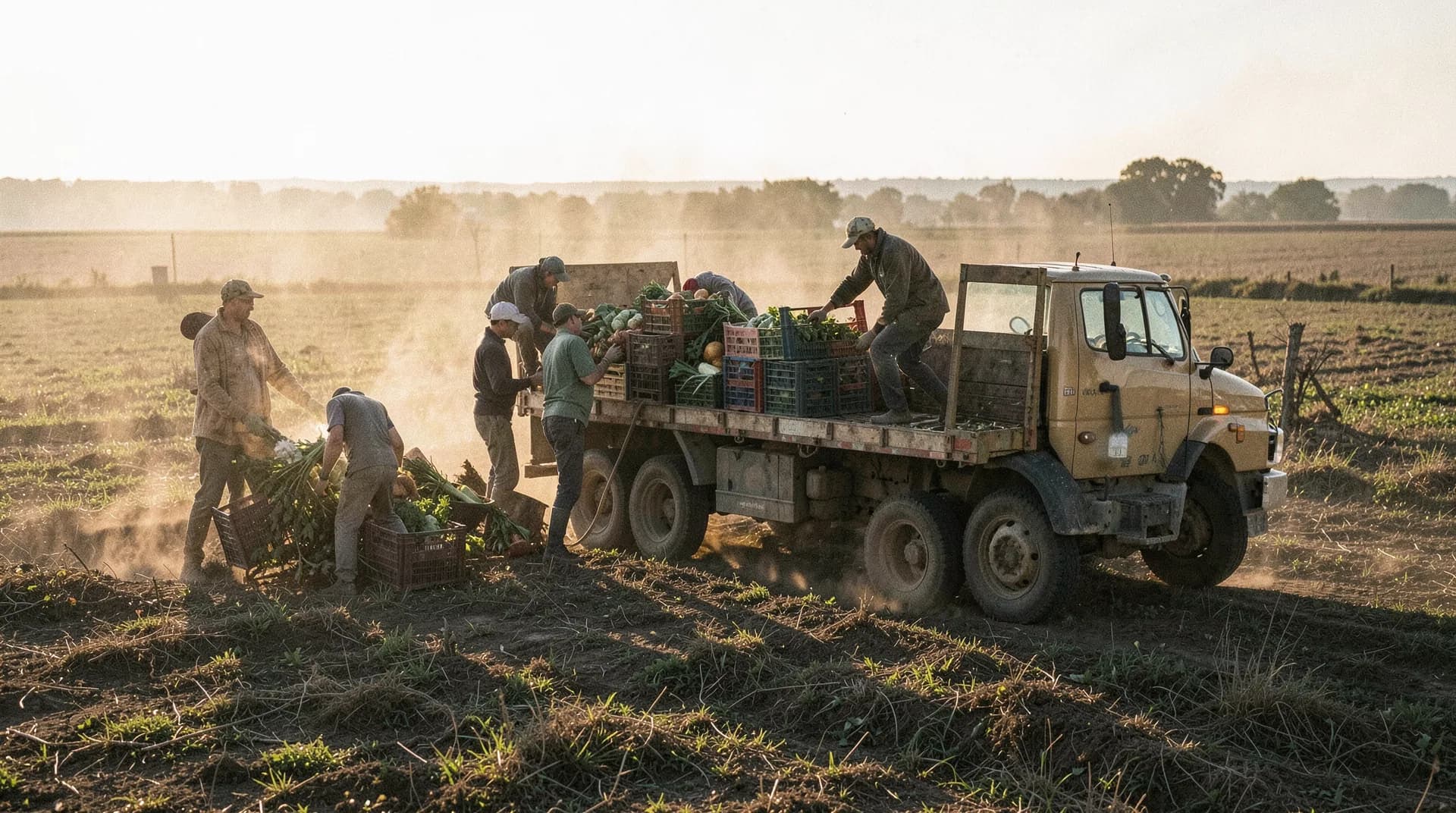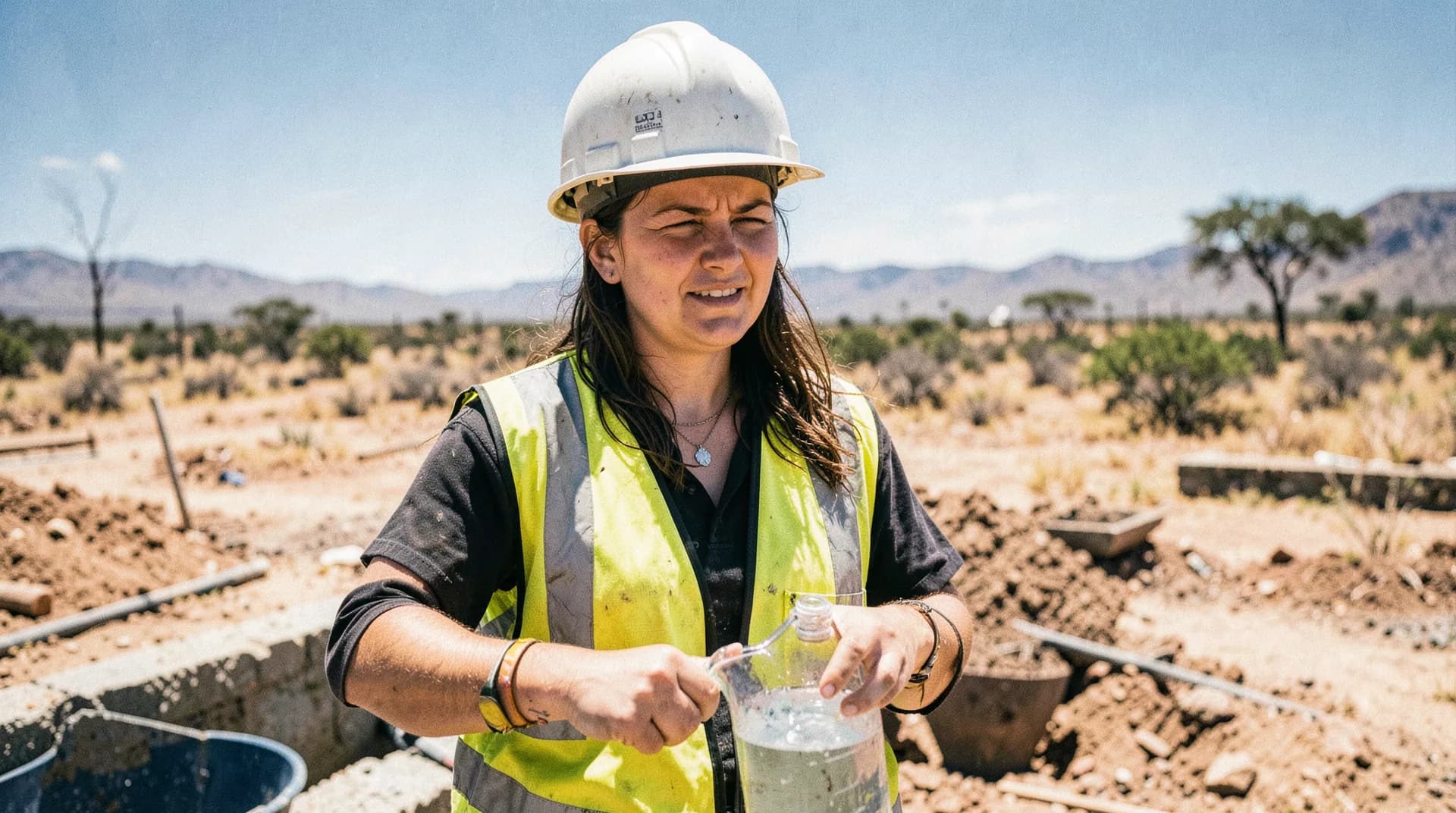
To qualify for a third-year Working Holiday Visa in Australia, you must complete 6 months (179 days) of specified work in a designated regional area during your second-year WHV. The eligible industries and regional areas are the same as for the second-year visa — agriculture, mining, construction, fishing, and forestry in regional postcodes. A third-year WHV gives you a total of 3 years of work and travel in Australia, and the same full work rights apply.
Quick Facts
| Detail | Information |
|---|---|
| Required specified work | 6 months (179 days) during second-year WHV |
| Where | Designated regional areas |
| Eligible industries | Same as second-year requirements |
| Visa cost | $1,000 |
| Age limit | Must apply before turning 31 (or 36) |
| Available since | 1 July 2019 |
| Subclass | 417 or 462 |
How the Third Year Works
The third-year Working Holiday Visa was introduced on 1 July 2019. Before that, the maximum working holiday stay was 2 years. The third year follows the same model as the second: complete specified work, apply, and receive another 12 months.
The key difference is the amount of work required. While the second year requires 88 days, the third year requires a full 6 months — roughly double. This means spending half of your second year doing regional work.
The Math
- Second-year visa eligibility: 88 days of specified work during first year
- Third-year visa eligibility: 179 days (6 months) of specified work during second year
- Total specified work across both years: 267 days minimum
That's a substantial commitment to regional Australia. It means approximately 9 months of your 2 years on working holiday visas will be spent doing specified work in regional areas.
What Counts as 6 Months?
The Department defines 6 months as 179 calendar days. The counting methods are the same as for the second-year visa:
Calendar days: Count each day from employment start to end date, including weekends and public holidays during continuous employment.
Hours: 179 days × 7.6 hours = 1,360.4 hours of specified work.
Payslip days: Count days you were paid, though the calendar day method including rest days during continuous employment is usually more favourable.
Important: Only Second-Year Work Counts
Only specified work performed while you hold a second-year working holiday visa counts toward the third year. Work done during your first year counts only toward the second-year visa — it cannot be double-counted.
If you completed 150 days of specified work during your first year, only 88 of those count for the second-year application. The remaining 62 days don't carry over to the third-year requirement. You must start fresh with 179 days during your second year.
Eligible Work and Regions
The eligible industries and regional postcodes are identical to the second-year requirements:
- Plant and animal cultivation (farming, harvesting, dairy)
- Fishing and pearling
- Tree farming and felling
- Mining
- Construction (in regional areas)
- Bushfire recovery work
Regional areas are defined by postcode — generally anywhere outside the major metropolitan areas of Sydney, Melbourne, Brisbane, Perth, Gold Coast, and Newcastle.
Strategic Planning for the Third Year
Spending 6 months on regional work during a 12-month visa is a major time investment. Here's how to plan it strategically.
Start Early
Begin your specified work as soon as your second-year visa activates. Starting in the first month gives you flexibility if things go wrong — employer closures, weather disruptions, or difficulty finding work.
Choose Higher-Paying Industries
If you're going to spend 6 months doing regional work anyway, target industries that pay well. Mining and construction typically pay $30-$50/hour compared to $25-$30/hour for most farm work. The extra income helps fund the remaining 6 months of travel.
Consider Year-Round Work
Some agricultural operations (banana farms, cattle stations, dairy farms) offer year-round work, letting you complete 6 months in one place. This is simpler than stringing together multiple short-term seasonal jobs.
Keep Meticulous Records
With 179 days to document, record-keeping is even more critical than for the second year. Missing payslips or gaps in evidence can result in the Department not counting certain periods. Maintain a spreadsheet tracking:
- Each employer's name, ABN, and postcode
- Start and end dates
- Days worked and hours
- Pay received (cross-reference with bank statements)
Applying for the Third-Year Visa
The application process mirrors the second-year application.
- Complete 179 days of specified work during your second WHV
- Compile evidence — payslips, references, tax records, bank statements
- Apply through ImmiAccount before turning 31 (or 36)
- Pay $1,000
- Wait for processing — typically 2-6 weeks
You can apply from inside or outside Australia. If applying inside Australia while your second-year visa is still valid, a bridging visa is automatically granted.
Is the Third Year Worth It?
Pros
- Total of 3 years in Australia — ample time to travel, work, and experience the country
- Full work rights throughout the third year
- More time to explore migration pathways — some working holiday makers transition to employer sponsorship or skilled visas during their third year
- Deep Australian work experience — 3 years of work history is valuable on a resume
Cons
- 6 months of regional work is a big commitment — half your second year is locked into specified work
- Some industries are physically demanding — farm work for 6 months is hard on the body
- Opportunity cost — those 6 months could be spent travelling, advancing your career in a city, or pursuing other goals
- No guarantee of outcomes — the third year doesn't lead to PR by itself
The Verdict
The third year makes most sense if you love regional Australia, enjoy the work, or are using the time to build toward a longer-term goal (like employer sponsorship in a regional area). If the specified work feels like a chore you're enduring purely for the visa, 6 months is a long time to be unhappy.
Third-Year Visa vs Other Pathways
After 2 years on a working holiday visa, you have options beyond the third-year WHV.
| Pathway | Requirement | Duration | PR Possible? |
|---|---|---|---|
| Third-year WHV | 179 days specified work | 12 months | No |
| Employer sponsorship | Job offer + nomination | 2-4 years | Yes |
| Student visa | Course enrolment | Course duration | Via 485 → skilled |
| Skilled regional (491) | Points + nomination | 5 years | Yes (via 191) |
| Partner visa | Australian partner | Permanent | Yes |
If your ultimate goal is permanent residence, the WHV to PR pathway via employer sponsorship or skilled migration may be more efficient than spending 6 months on specified work.
Frequently Asked Questions
Can I count work from my first-year visa toward the third year?
No. Only specified work performed during your second-year WHV counts toward the third-year requirement. First-year work counts only toward the second year.
What if I completed more than 88 days in my first year?
The extra days don't carry over. You need a fresh 179 days during your second year.
Can I do different types of specified work?
Yes. You can combine farm work, mining, construction, or any other eligible industry. The days accumulate regardless of the specific industry.
Is the third year available for Subclass 462 holders?
Yes. Both Subclass 417 (Working Holiday) and Subclass 462 (Work and Holiday) holders can apply for a third year, subject to the same specified work requirements.
What if my second-year visa expires before I complete 179 days?
You don't qualify for the third year. There's no provision for completing the remaining days on a different visa. Plan your timeline carefully.
Can I apply for the third year if I turn 31 during my second year?
You must apply before turning 31 (or 36 for eligible countries). If you turn 31 during your second year, make sure you've completed the 179 days and lodged the application before your birthday.