Australian Partner Visa for Filipino Citizens: 2026 Guide
Updated: 16 August 2026
The Australian Partner visa lets Filipino citizens move to Australia with a spouse or de facto partner who is an Australian citizen, permanent resident or eligible New Zealand citizen. Filipino applicants use subclass 309/100 (offshore), 820/801 (onshore), or 300 (Prospective Marriage). Each is two-stage, costs AUD $11,710 combined, and faces tight relationship-evidence scrutiny given high Filipino application volumes.
Quick Facts: Partner Visa for Filipino Citizens
| Detail | Information |
|---|---|
| Offshore Partner | Subclass 309 (provisional) → Subclass 100 (permanent) |
| Onshore Partner | Subclass 820 (provisional) → Subclass 801 (permanent) |
| Prospective Marriage | Subclass 300 (for engaged couples not yet married) |
| Combined fee | AUD $11,710 (covers both stages) |
| Sponsor | Australian citizen, PR or eligible NZ citizen, aged 18+ |
| De facto requirement | Usually 12 months cohabitation, unless registered relationship |
| NBI Clearance | Required for applicant and sponsor (sponsor's AFP check) |
| Health exam | Bupa panel medical, mandatory chest X-ray |
| Processing, 309 | Roughly 12-22 months for the provisional stage |
| Processing, 820 | Variable, often similar range |
Which Partner Visa Fits Your Situation
The first decision is whether you're inside or outside Australia when you apply.
Subclass 309/100 (Offshore Partner Visa)
You're in the Philippines when you apply. The Department grants the 309 first, a provisional visa that lets you travel to Australia, live with your partner and work. About two years after the original application date, you're assessed for the 100, the permanent visa, on the basis that the relationship is still genuine and continuing.
This is the most common route for Filipino applicants because most couples meet, marry or build a de facto relationship while one party is in the Philippines and the other is in Australia. The offshore partner visa guide covers the full mechanics.
Subclass 820/801 (Onshore Partner Visa)
You're in Australia on another valid visa (usually a tourist 600, student 500 or working holiday) when you apply. The 820 is provisional and gives you a Bridging Visa A while you wait; you can stay, work and use Medicare. About two years later you're assessed for the 801 permanent stage.
Filipino applicants often apply onshore after entering Australia on a 600 tourist visa to visit their partner and meeting all the genuine-relationship requirements during that visit. Apply only if you're confident the relationship and evidence are solid, and your current visa doesn't carry a "no further stay" (8503) condition.
Subclass 300 (Prospective Marriage)
You're engaged but not yet married, you're outside Australia, and you've met your sponsor in person at least once as adults. The 300 lets you travel to Australia for up to nine months to marry your sponsor. After the marriage you apply for the 820/801 onshore. The 300 doesn't become permanent by itself. The prospective marriage visa guide covers timing and the marriage-within-the-visa-period requirement.
Eligibility for Filipino Applicants
To qualify, you must:
- Be in a genuine and continuing relationship with your sponsor (married, de facto for at least 12 months, or registered)
- Have a sponsor who is an Australian citizen, permanent resident or eligible New Zealand citizen aged 18+
- Have a sponsor not currently disqualified by the sponsorship limitations (previous sponsorships, character convictions)
- Be 18 or older yourself
- Meet health and character requirements
- Have no outstanding government debts
For de facto applicants, the 12-month cohabitation requirement can be waived if you've registered your relationship in an Australian state or territory that allows it (NSW, Victoria, Queensland, ACT, Tasmania, and South Australia all maintain relationship registers).
The Genuine Relationship Test
The Department assesses four pillars of evidence:
- Financial aspects: joint bank accounts, shared bills, joint loans or leases, money sent through remittance, joint property
- Nature of the household: shared address, joint domestic arrangements, mail to a shared address
- Social aspects: recognition as a couple by friends, family and community
- Commitment to each other: long-term plans, intermingled lives, knowledge of each other's circumstances
Filipino-Australian partner applications are scrutinised carefully because of the volume and history of the cohort. That isn't a barrier; it's a fact you plan for. Strong, organised evidence is what carries the application.
What Strong Evidence Looks Like for Filipino Couples
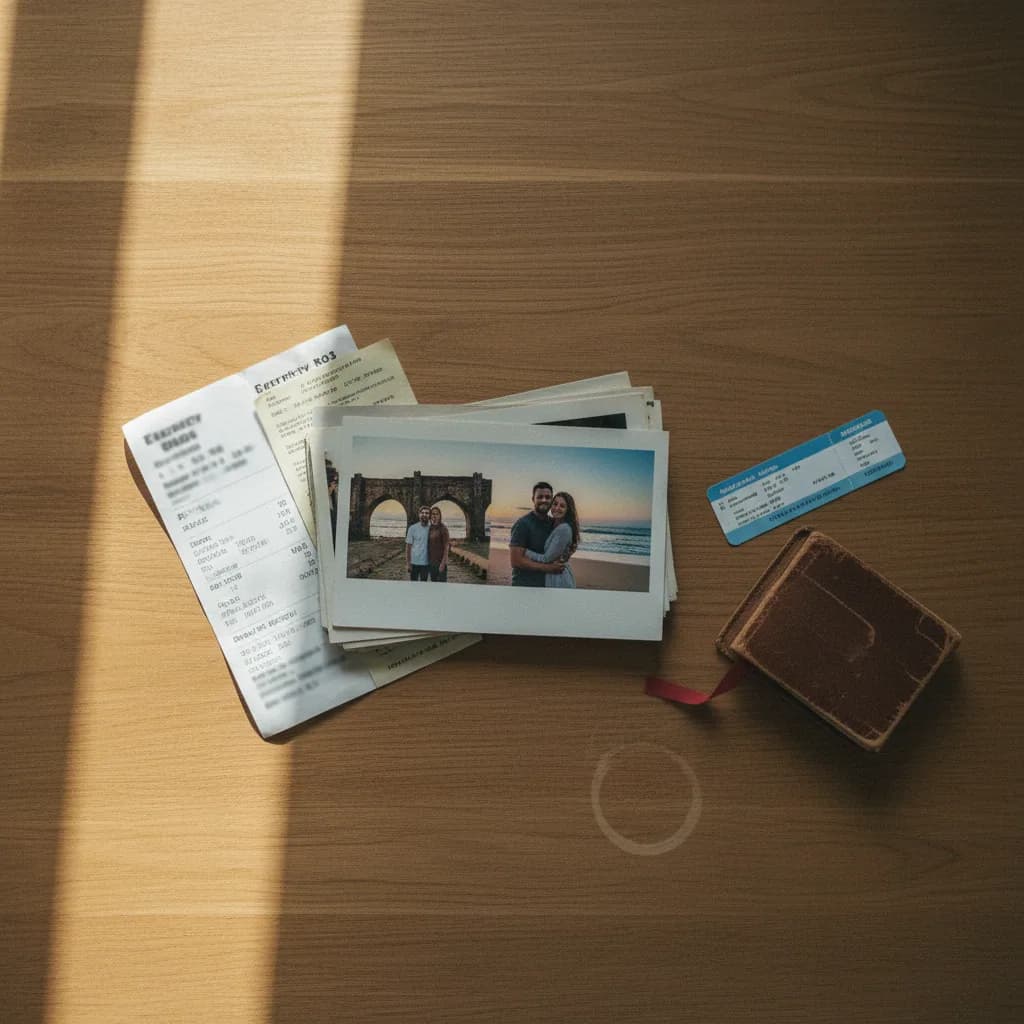
- Communication history. Full-thread WhatsApp, Messenger, Viber and email exports across the entire relationship. Don't curate. Submit the data and let the case officer see continuity.
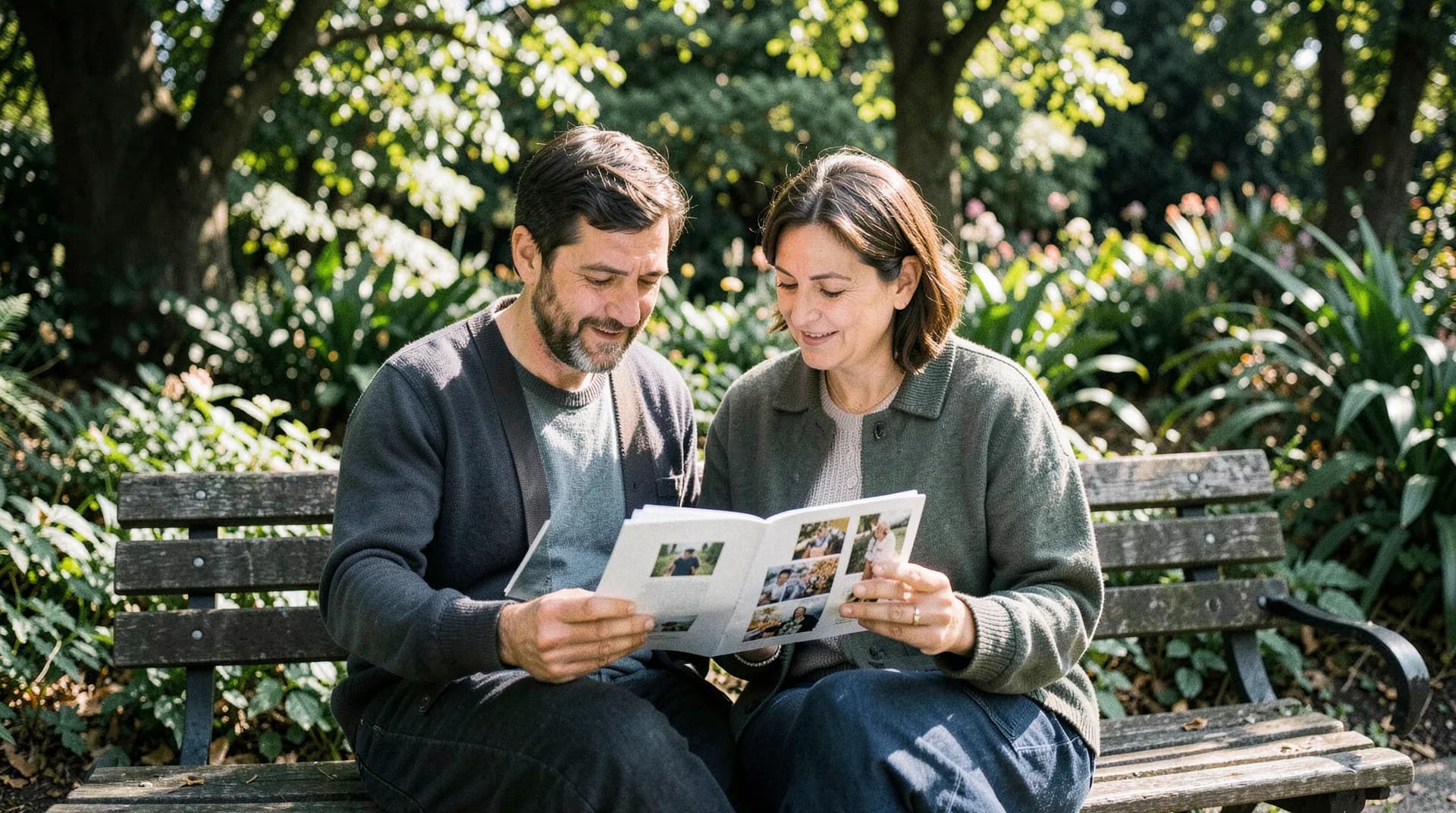
- Visits documented end to end. Boarding passes, passport entry stamps, hotel and Airbnb bookings, joint photos at named places, dated. If your partner visited the Philippines and met your family, include photos with family, names captioned, and statutory declarations from those family members.
- Joint financial records. Even if you don't yet live together full-time, money flowing between you matters. Remittance receipts (WorldRemit, Wise, Western Union, BPI, BDO transfers) with sender and recipient details. Joint loans or shared investments where applicable.
- Statutory declarations. Two Form 888 declarations from Australian citizens or PRs who personally know you both, plus written statements from Filipino family and friends.
- Wedding documentation. PSA-issued marriage certificate (with apostille if appropriate), wedding invitations, photographs across the ceremony and reception, guest book entries.
- Joint plans. Property purchases or rental searches, joint travel bookings, beneficiary nominations on superannuation or insurance, wills.
The evidence of relationship guide lists the exact document categories the Department references.
How to Apply: Step-by-Step
Offshore 309/100
- Sponsor lodges their sponsorship application through ImmiAccount.
- Applicant prepares all relationship evidence in clearly labelled files.
- Applicant lodges the 309/100 combined application online.
- Pay the AUD $11,710 fee.
- Get an NBI Clearance plus checks from any country lived in for 12+ months since 16. The sponsor obtains an AFP National Police Check.
- Bupa medical examination in Manila, Cebu or another panel city.
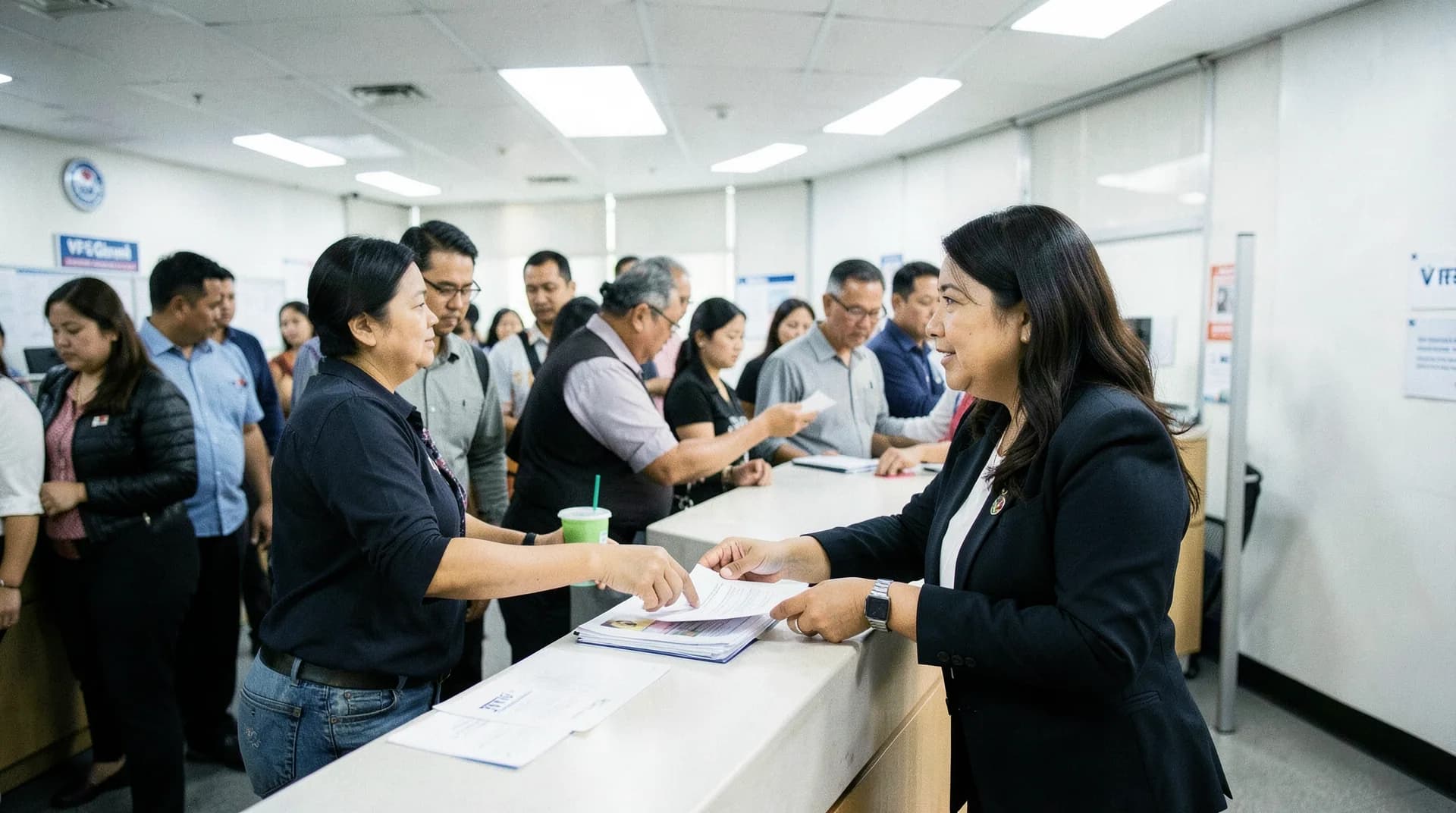
- Provide biometrics at VFS Manila if requested.
- Wait for the 309 grant. Travel to Australia within the period stated.
- Two years later, provide updated relationship evidence for the 100 stage.
Onshore 820/801
The mechanics mirror the offshore process, but you lodge while in Australia on another substantive visa. Lodging gives you Bridging Visa A, with work rights, while you wait. Don't let your current visa expire before lodging.
Cost and Processing Times
The combined application fee is AUD $11,710 for the primary applicant, with additional charges for accompanying dependants. Add:
- Sponsor's AFP National Police Check fee
- NBI Clearance (PHP 130-200)
- Other country police checks where applicable
- Bupa medical examination (PHP 8,000-12,000 per adult)
- Relationship-registration fee (if pursuing that route, varies by Australian state)
- Document authentication via PSA and DFA where required
- Translator fees for any non-English documents
Processing for the 309 has commonly run 12-22 months for the provisional stage from the Manila lodgement queue. The 100 stage assessment typically opens about two years after the original application date. Onshore 820 processing varies. The partner visa processing time guide tracks current figures.
What Filipino Applicants Need to Know
Document Authentication
For partner visa documents, you'll need PSA-issued birth certificates, marriage certificates and, where applicable, CENOMAR (Certificate of No Marriage). DFA apostille may be required for documents used by the sponsor in Australia (for example, if the sponsor is applying for an Australian marriage licence based on Philippine annulment papers). English translations are required for any non-English document.
Prior Marriages
Annulled prior marriages in the Philippines need full court documentation translated and authenticated. The Department wants to see:
- The original Philippine marriage certificate
- The court decree of annulment
- The PSA-issued certificate of annotation showing the marriage as annulled
- For widowed applicants, the PSA death certificate
Annulments in the Philippines take time. Build that timeline into your overall planning.
Sponsor's Side
Your sponsor must clear their own checks:
- AFP National Police Check
- Sponsorship character requirements (certain criminal convictions automatically disqualify a sponsor)
- Sponsorship limitations (a person who has previously sponsored two partners, or who has sponsored someone in the last five years, may be barred)
If the sponsor is themselves a former Partner-visa holder, there are mandatory waiting periods before they can sponsor a new partner.
Domestic Violence and Relationship Breakdown
If the relationship breaks down before the permanent stage, the visa isn't automatically cancelled. There are statutory provisions covering family violence and continued eligibility in some circumstances. The what happens if separated guide covers the relevant rules.
Family Members
Your dependent children from a prior relationship can be included on the application. They'll need their own birth certificates, custody documentation if applicable, and police checks if 16+. Health examinations are required for all dependants.
Common Pitfalls for Filipino Applicants
- Thin online communication evidence. Months-long gaps without explanation read poorly.
- Wedding without backstory. A PSA marriage certificate alone doesn't prove a relationship. Show how the couple met, dated, became engaged and married.
- Statutory declarations from people who don't actually know the couple. A decl from a distant acquaintance is worth nothing. Two well-informed declarations are worth twenty generic ones.
- Sponsor history not disclosed. Previous sponsorships, prior partner visa grants and prior visa refusals all matter. Concealment is treated as fraud.
- Lodging onshore on the wrong visa. A subclass 600 tourist visa with an 8503 "no further stay" condition prevents an onshore 820 lodgement until the condition is waived.
- CENOMAR or annulment paperwork missing. Without proof a prior marriage is fully resolved, the new application can't be granted.
Frequently Asked Questions
How long does an Australian partner visa take from the Philippines?
Provisional 309 processing for Filipino applicants has commonly fallen in the 12-22 month range. The permanent 100 stage opens approximately two years after the original application date. The partner visa processing time guide tracks current figures.
Can I apply for a partner visa as a fiancé?
Yes. The subclass 300 Prospective Marriage visa is the route. You must have met your partner in person as adults, intend to marry, and be outside Australia. After the marriage in Australia, you apply for the 820/801 onshore.
Do we need to be married to apply?
No. De facto relationships qualify, but you usually need to show 12 months of cohabitation before the application date. Registering your relationship in an Australian state that maintains a relationship register removes the 12-month requirement.
What if my partner has previously sponsored someone?
A sponsor who has previously sponsored two partners, or who has sponsored a partner within the last five years, is generally barred from sponsoring again. Limited waivers exist for compelling circumstances. Check your sponsor's history carefully before lodging.
Can I work in Australia on a partner visa?
Yes. The provisional 309 grants full work rights from the moment you arrive in Australia, and the 820 carries work rights from grant. If you're on a Bridging Visa A while the 820 is decided, you keep the work conditions of your previous substantive visa.
Related Guides
- Australian visa for Filipino citizens: full overview
- Offshore Partner visa (subclass 309/100)
- Onshore Partner visa (subclass 820/801)
- Prospective Marriage visa (subclass 300)
- Evidence of relationship: partner visa
- Onshore vs offshore partner visa comparison
- Partner visa processing time 2026
- What happens to your visa if separated or divorced