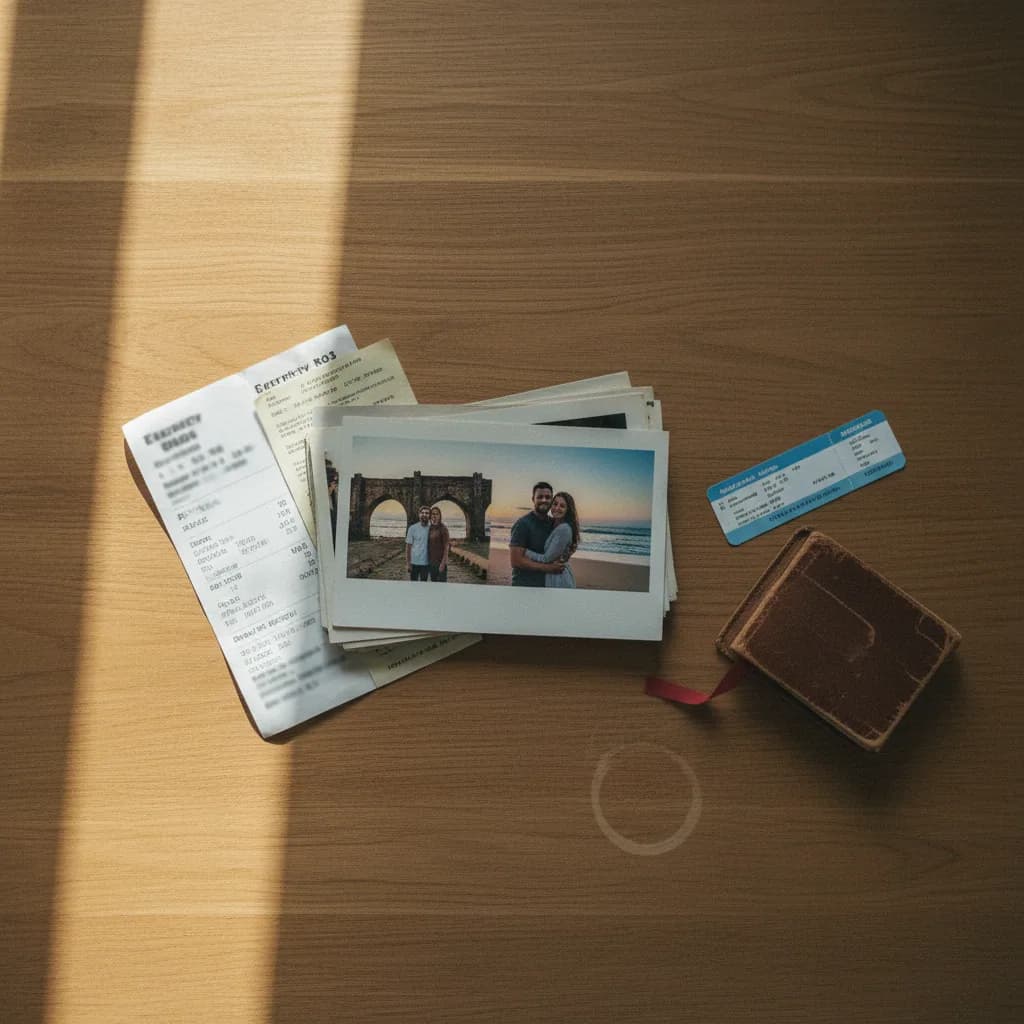
Evidence of Relationship for Partner Visa: The 4 Pillars
Australian partner visa applications require evidence across four key areas — financial aspects, household aspects, social aspects, and commitment. The Department of Home Affairs uses these "four pillars" to assess whether your relationship is genuine and ongoing. You don't need evidence in every single category, but the strongest applications show a rich picture across all four pillars. The more evidence, the better — there's no such thing as too much when it comes to proving your relationship.
The Four Pillars of Partner Visa Evidence
The four pillars are the framework Department of Home Affairs case officers use to test a partner visa relationship — they come straight out of Migration Regulations 1.15A and the Procedures Advice Manual (PAM) for spouse and de facto relationships, and every successful 309/100 or 820/801 application has to satisfy all four. They cover financial entanglement, the day-to-day reality of your household, how the relationship is recognised by the people around you, and the depth of your mutual commitment. Treat them as a checklist; gaps in one pillar can be offset by strength in another, but a complete absence across a whole pillar is a red flag.
-
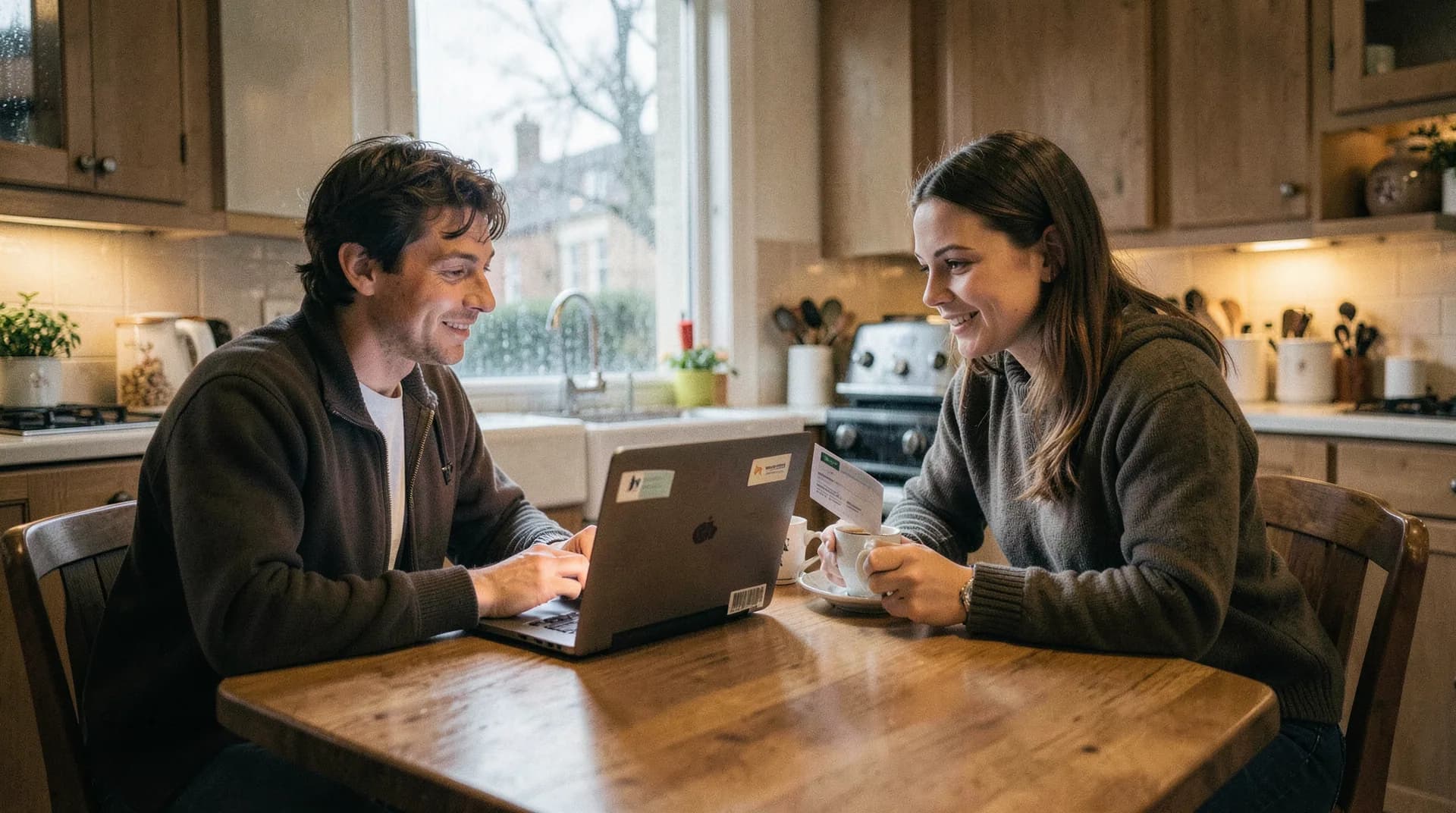
Financial Aspects of the Relationship — joint finances and pooled resources. Case officers look for joint bank accounts, joint loans (mortgage, car, personal), joint credit cards or authorised users, shared bills in both names (utilities, internet, insurance), evidence of financial transfers between you, tax returns listing each other as spouse or partner, and any joint insurance, superannuation, or wills. Long-distance couples should show international transfers and shared travel costs.
-
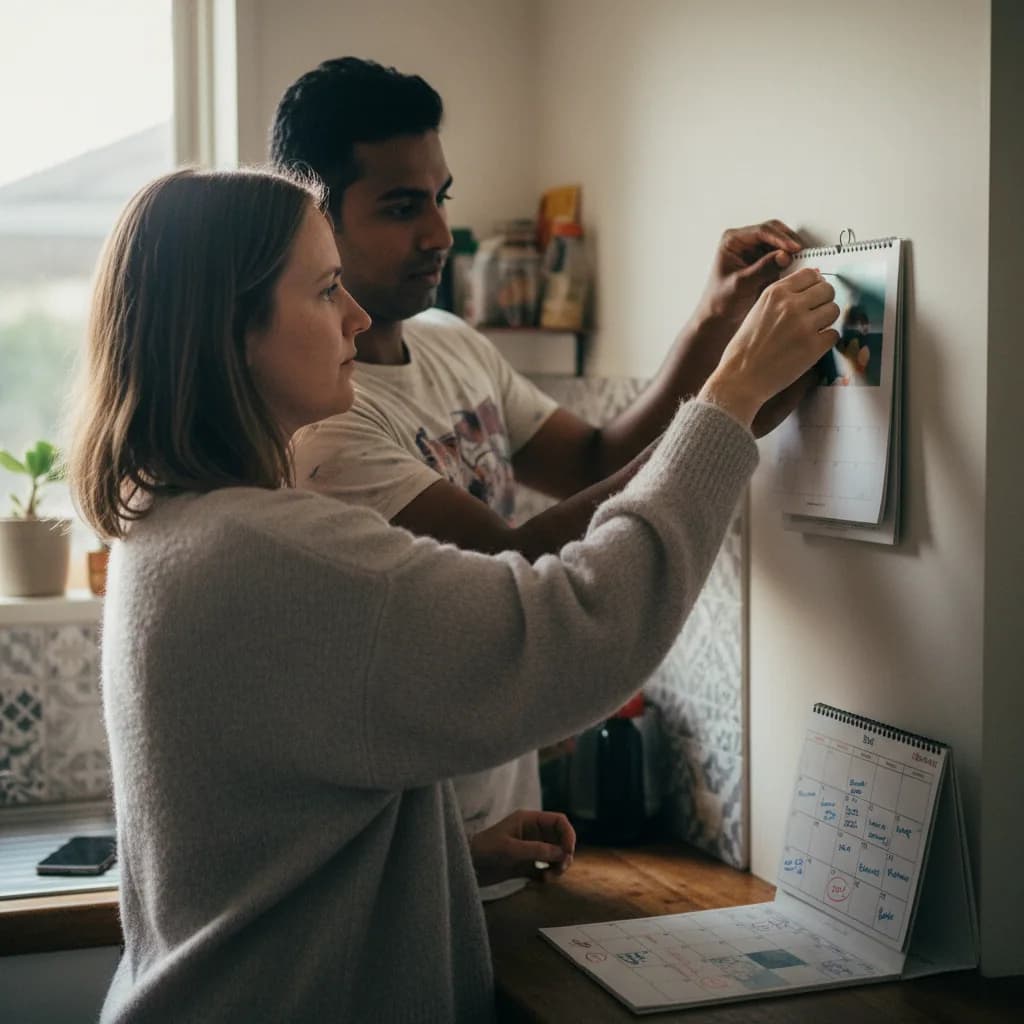
Nature of the Household — how you actually live together. Evidence includes a joint lease or mortgage, utility accounts at the same address in both names, mail and correspondence to both partners at one address, joint responsibility for children, division of housework, household goods and furniture purchased together, vehicle registration at the shared address, and statutory declarations from a landlord or housemate confirming cohabitation.
-
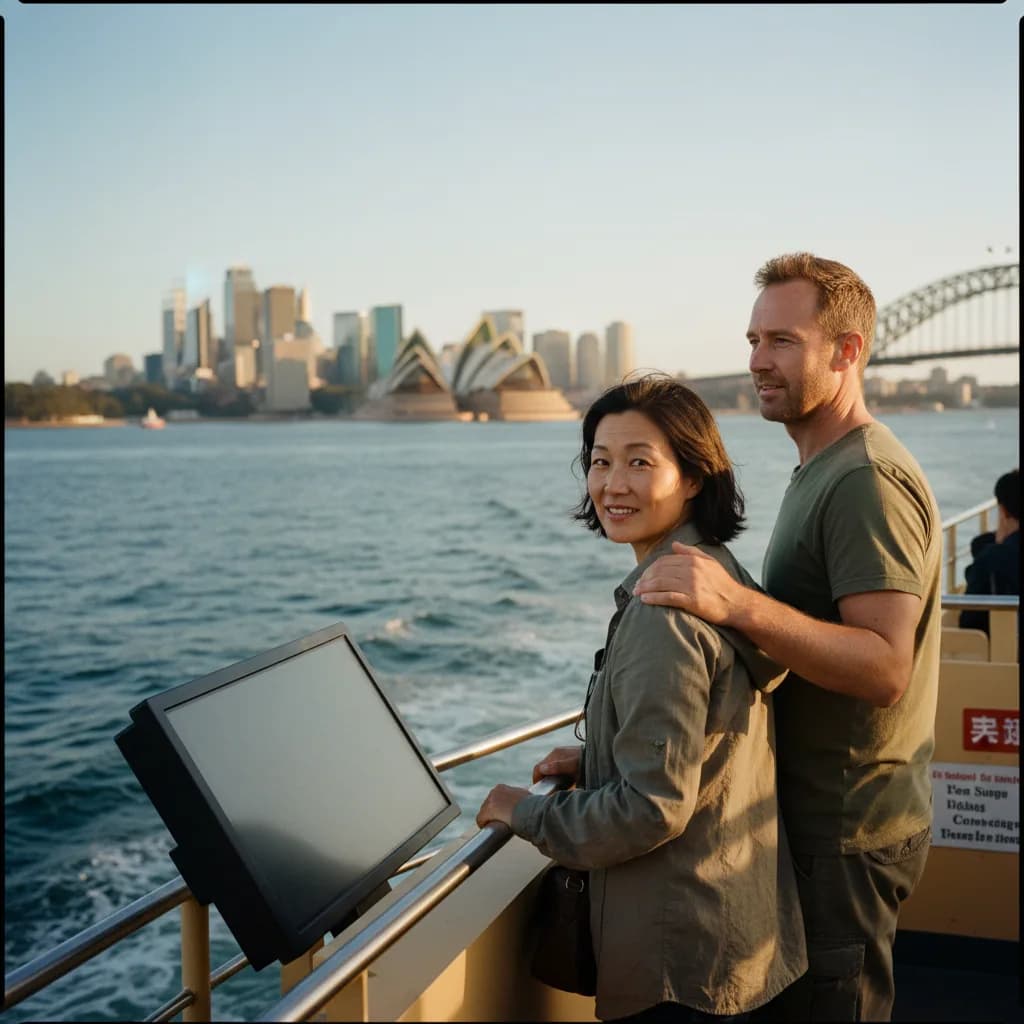
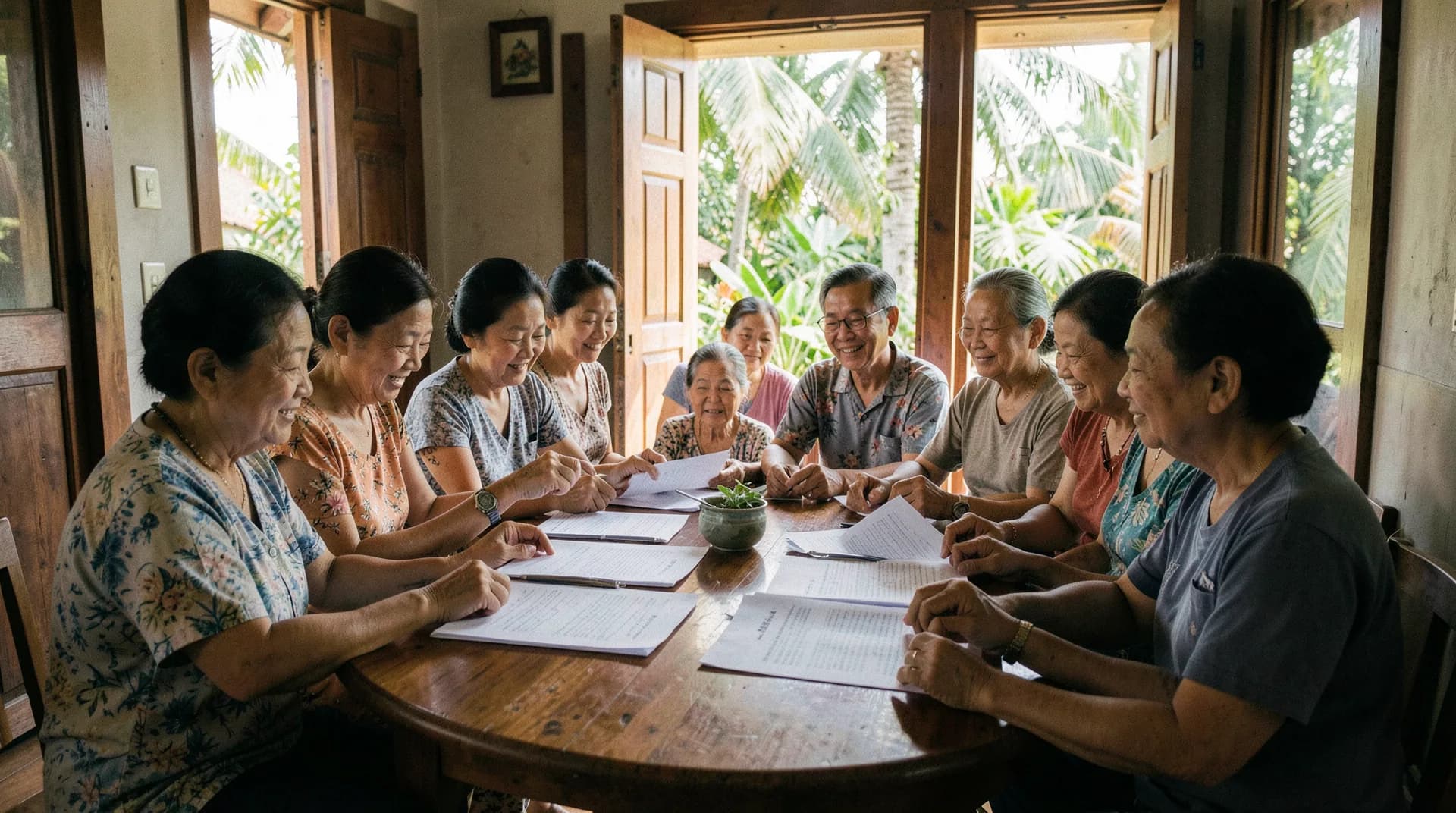
Social Aspects of the Relationship — public recognition as a couple. Provide statutory declarations from friends and family on both sides, photos together across the life of the relationship (early days through to recent — holidays, family events, daily life), joint social media presence, joint memberships (gym, clubs), wedding or engagement-party invitations in both names, joint travel records, and evidence you're known as a couple in your communities.
-
Nature of the Commitment — the depth and future orientation of the relationship. Show the length of the relationship and how it developed, your knowledge of each other's personal histories and families, mutual support during illness or hardship, joint future plans (savings goals, property, children), wills and superannuation/insurance beneficiary nominations, power of attorney or emergency contact nominations, and any de facto relationship registration available in your state or territory.
Quick Facts
| Pillar | What It Covers |
|---|---|
| Financial | Joint finances, shared expenses, financial support |
| Household | Living together, shared domestic duties, property |
| Social | Public recognition, joint social activities, family/friend knowledge |
| Commitment | Future plans, length of relationship, knowledge of each other |
Pillar 1: Financial Aspects
Financial evidence shows that you and your partner share or support each other financially. You don't need joint everything — the Department understands that many genuine couples maintain some financial independence.
Strong Evidence
- Joint bank account — even a savings account used for shared expenses
- Joint credit card or authorised user on partner's card
- Joint loan — mortgage, car loan, personal loan
- Joint lease agreement or mortgage in both names
- Shared bills — utilities, internet, phone in both names
- Joint insurance policies — health, car, contents, life
- Evidence of financial transfers between your accounts
- Tax returns listing each other as spouse/partner
- Superannuation or pension with each other as beneficiary
- Wills naming each other as beneficiary
Acceptable Evidence
- Individual bills at the same address
- Bank statements showing shared address
- Evidence of one partner financially supporting the other (particularly during long-distance periods)
- Travel bookings and expenses shared between you
Tips
- If you've been long-distance, show international money transfers between accounts
- Include at least 3-6 months of bank statements
- Highlight shared transactions in statements (annotations help case officers)
Pillar 2: Household Aspects
Household evidence demonstrates that you live together and share daily domestic life. This is particularly important because the Department needs to see cohabitation.
Strong Evidence
- Joint lease or mortgage in both names
- Utility bills (electricity, gas, water, internet) at the same address in both names
- Correspondence to both names at the same address
- Household goods purchased jointly (receipts for furniture, appliances)
- Vehicle registration at the shared address
- Mail redirects to the shared address
- Council rates or body corporate notices in both names
Acceptable Evidence
- Statutory declaration from landlord or housemate confirming you live together
- Driver's licences showing the same address
- Photos of your shared home (showing both partners' belongings)
- Letters from neighbours confirming cohabitation
Long-Distance Relationships
If you've been in a long-distance relationship (common for partner visa applicants), household evidence is harder to produce. In this case:
- Document any periods of living together (even short visits)
- Show plans for cohabitation (lease searches, moving arrangements)
- Explain the reason for distance (immigration, work commitments)
- Provide evidence of future cohabitation plans
Pillar 3: Social Aspects
Social evidence shows that your relationship is recognised by others — family, friends, and the broader community.
Strong Evidence
- Statutory declarations from friends and family (at least 2-4, ideally from both sides)
- Each declaration should describe how the declarant knows you as a couple
- Include specific details — events attended together, how they observed your relationship
- Declarations from people who've known you at different stages of the relationship are valuable
- Photos together at various occasions (holidays, family events, birthdays, daily life)
- Joint social media profiles or posts tagging each other
- Wedding invitations (if married) showing both names
- Joint memberships — gym, clubs, organisations
- Travel records — boarding passes, hotel bookings, itineraries for trips together
Acceptable Evidence
- Social media posts showing your relationship over time
- Event tickets for concerts, shows, or activities attended together
- Christmas/birthday cards addressed to both of you
- Joint subscriptions (Netflix, Spotify family plans)
Tips for Photos
- Include dates and locations where possible
- Show progression over time (early relationship through to recent)
- Include photos with each other's families
- Don't stage photos — natural, everyday photos are more convincing
- Include a range: holidays, family dinners, daily life, celebrations
Pillar 4: Commitment
Commitment evidence demonstrates the depth and future orientation of your relationship.
Strong Evidence
- Marriage certificate (if married)
- De facto relationship registration (available in some states)
- Evidence of future plans — joint savings goals, property plans, children's education
- Length of relationship — timeline showing how the relationship developed
- Evidence of shared responsibilities — caring for children, elderly parents, or pets
- Evidence of sacrifice — relocating for the relationship, career changes, financial sacrifices
- Legal documents — power of attorney, emergency contact nominations, wills
Personal Statements
Both you and your partner must provide a personal statement (Form 888 or equivalent) describing:
- How you met
- How the relationship developed
- Your living arrangements
- Future plans
- Why you believe the relationship is genuine
These statements should be detailed, personal, and consistent with each other (but not identical — the Department knows when couples copy from each other).
How Much Evidence Is Enough?
There's no minimum or maximum, but here's a practical guide:
| Evidence Type | Aim For |
|---|---|
| Statutory declarations (friends/family) | 4-6 (mix of both sides) |
| Photos | 20-40 (spanning relationship) |
| Financial documents | 10-15 items |
| Household documents | 5-10 items |
| Social evidence | 10-15 items |
| Personal statements | 2 (one each) |
Quality over quantity: One detailed statutory declaration from a close friend who's known you both for years is worth more than ten generic one-paragraph declarations.
Common Mistakes
- Not enough variety. Relying only on photos and ignoring financial or commitment evidence leaves gaps.
- Staged or overly curated evidence. A folder full of perfect couple photos with no everyday life evidence looks suspicious.
- Inconsistent dates. If your statement says you moved in together in March but your lease starts in June, the case officer will notice.
- Weak statutory declarations. Generic declarations that say "they seem happy" add little value. Specific observations are much stronger.
- Ignoring long-distance periods. If you were apart, show how you maintained the relationship (call logs, messages, visits).
Frequently Asked Questions
What if we haven't lived together?
For married couples, cohabitation evidence is less critical (though still helpful). For de facto couples, 12 months of cohabitation is required. If you haven't lived together for 12 months, you may need to either marry or wait before applying.
Can we use WhatsApp/text messages as evidence?
Yes. Screenshots of regular communication — especially during periods apart — show the relationship is ongoing. Don't include hundreds of messages; select representative samples showing genuine, personal communication.
Do the statutory declarations need to be from Australian residents?
No. Declarations can be from anyone who knows your relationship — including people in your home country. They should be sworn or affirmed according to the laws of the country where they're made.
What if my family doesn't approve of the relationship?
You can still provide evidence from friends and other supporters. The absence of family support isn't grounds for refusal, but you should address the situation honestly in your personal statements.
How recent should the evidence be?
Include evidence spanning the entire relationship — from early days to the present. The most recent evidence should be no more than a few months old at the time of application.