Partner Visa Refused: Your Options After a Refusal
Updated: 5 August 2026
A refused partner visa usually leaves you two routes: merits review at the Administrative Review Tribunal, or a fresh application with rebuilt evidence. Review deadlines are short and cannot normally be extended, so read your refusal letter first. It names your review right, your deadline, and the criterion you failed.
Quick Facts: Partner Visa Refusal
| Detail | Information |
|---|---|
| Review body | Administrative Review Tribunal (ART), which replaced the AAT in October 2024 |
| Onshore (820/801) deadline | 21 days from notification |
| Offshore (309/100) deadline | 70 days from notification, longer for some offshore partner decisions |
| Who lodges the review | Named in your refusal letter, with the deadline that applies |
| Application charge refunded? | No |
| Can you reapply? | Usually, unless the section 48 bar or an exclusion period applies |
| Cost of applying again | See the fee schedule for the current charge |
Start with the refusal letter
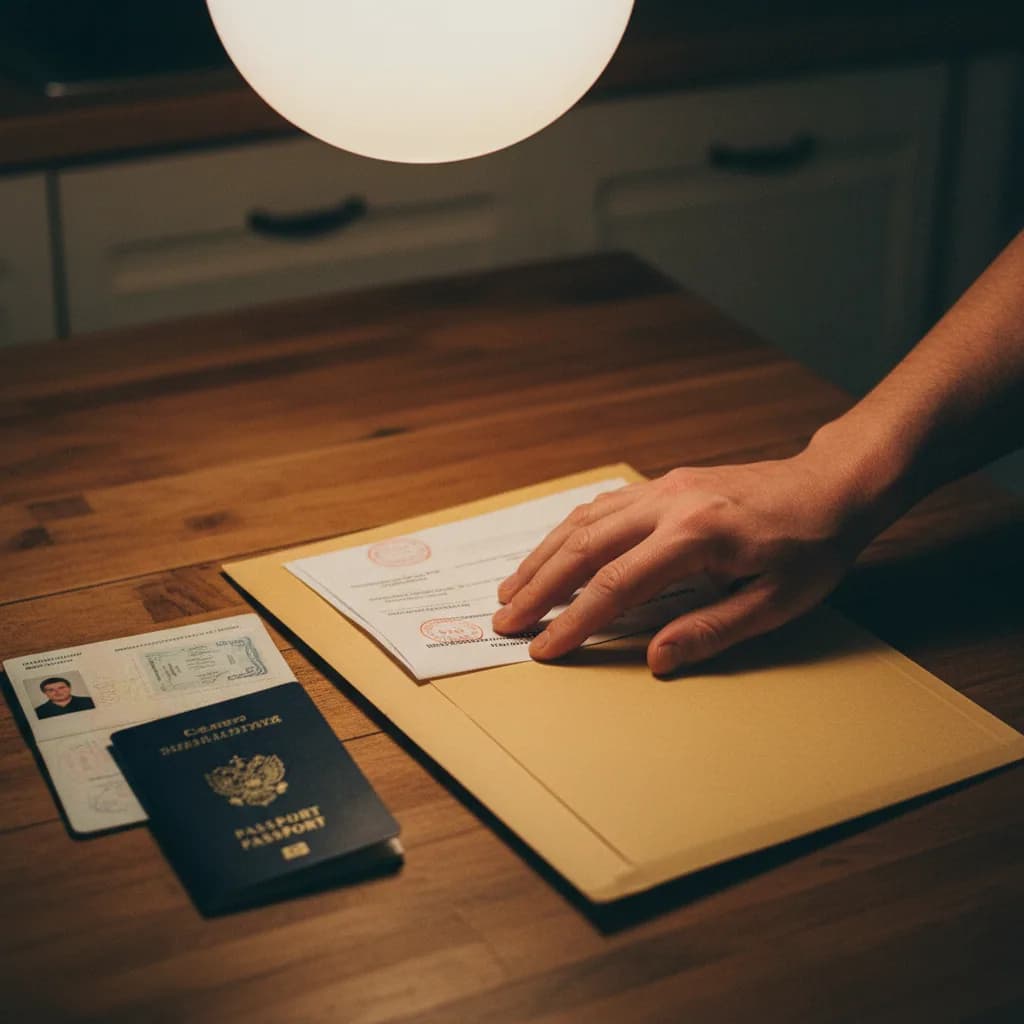
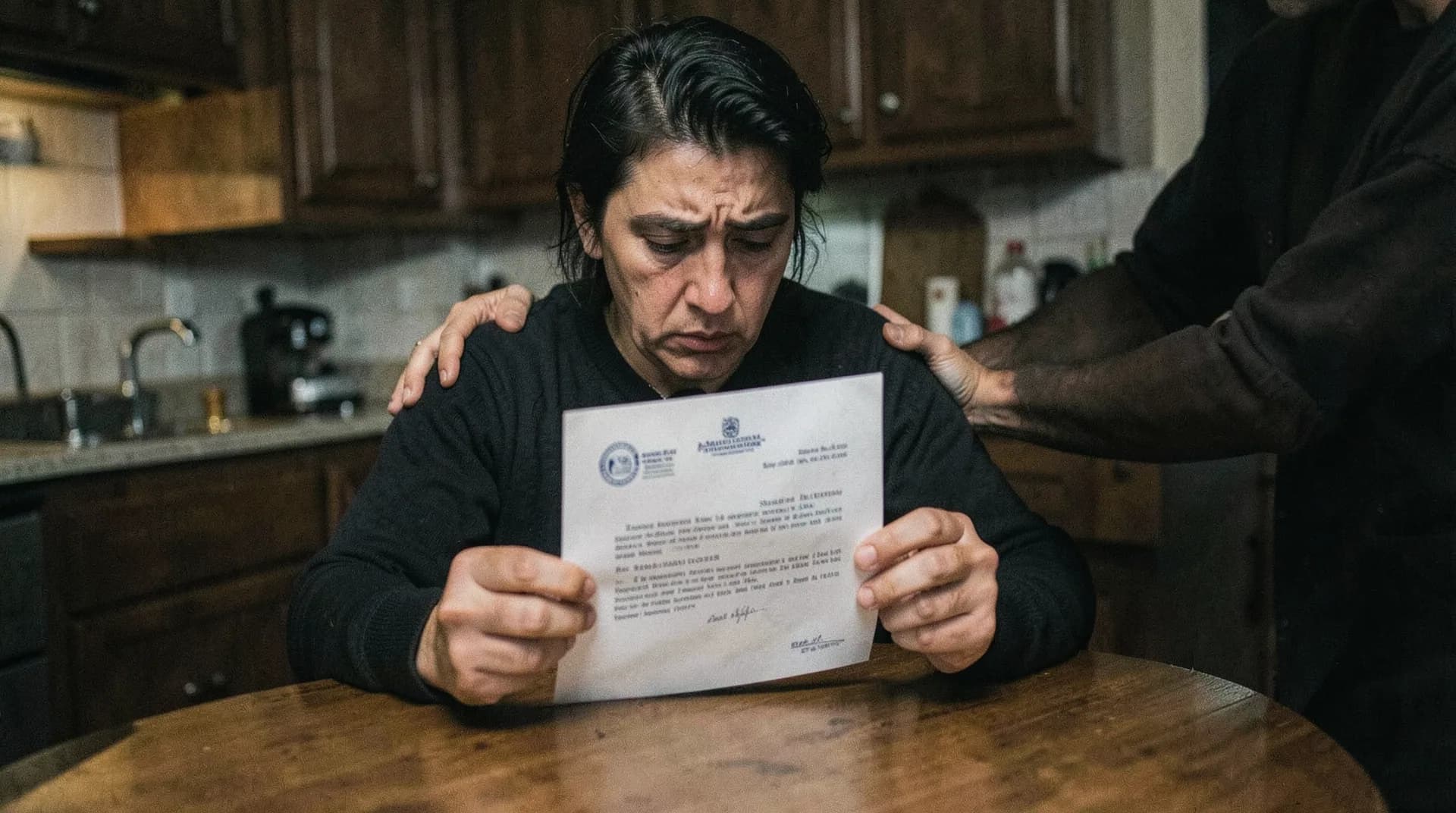
Your refusal letter will state whether ART review is available and the deadline for lodging. It also names the criterion you did not meet, and that single line decides which of two very different problems you have.
Read it twice. Put the deadline in a calendar with an alert a week early.
Then sort the refusal into one of two buckets. Either the Department did not accept your relationship as genuine and continuing, or you failed something else: health, character, documents, or the sponsor's own checks. Those need completely different work. If the letter is too thin to tell, request your departmental file through a Freedom of Information request.
Who can lodge, and how long they have
The ART carries out merits review: a fresh decision on the facts, not a check for legal error. You may put in evidence that was never part of the original application, which matters enormously for relationship refusals.
Who lodges is not always the applicant. Your refusal letter names the person who can apply and the deadline that applies to them, so take the date from the letter, not from a forum post.
| Where you were when notified | Time limit to lodge |
|---|---|
| In Australia (820/801) | 21 days from notification |
| Outside Australia (309/100) | 70 days from notification, longer for some offshore partner decisions |
These figures come from our appeal time limits guide; your refusal letter is the authority for your own deadline.
The clock runs from notification, not from the date on the decision. Handed to you in person, that day counts. Sent by email or through ImmiAccount, the day it was sent counts, or the next working day. Posted inside Australia, it is treated as received 7 working days after posting; posted overseas, 21 days after posting. These are calendar days, so weekends and public holidays sit inside the count.
Time limits come from the Migration Act and the regulations, not from the Tribunal, which has no general power to extend them. A late application will be rejected however strong your case.
You do not need your full case ready. The minimum is the application form, a copy of the refusal letter, and the fee; evidence can follow. A reduced fee is available on hardship grounds if you ask when you lodge, and the fee is refunded if the ART decides in your favour.
Some offshore visa refusals are not reviewable at all; again, the letter is the authority.
Onshore and offshore refusals are different problems
An onshore 820/801 refusal is a status emergency as well as a visa one. You typically get 28 days to leave Australia or lodge a review, or 35 days if you have review rights. Lodging with the ART generally gives you a Bridging Visa A that runs until the review is decided, so review protects your presence in the country as well as your application.
An offshore 309/100 refusal does not touch your status, because you are not in Australia, and there is no bridging visa for offshore applicants. What you lose is time, and you were already living apart. Our onshore versus offshore comparison sets out how the streams differ.
What the stated criterion points to
Relationship not accepted as genuine and continuing
This is the common partner refusal, and the one review handles well. The officer is usually not calling you a liar; they could not see a shared life in your file.
The four evidence pillars come from Migration Regulation 1.15A: financial aspects, the nature of the household, social aspects, and the nature of your commitment to each other. Gaps in one pillar can be offset by strength in another, but a whole empty pillar is a red flag. Read the decision to find which one was empty.
Health, character, documents or the sponsor
A different failure entirely; more relationship evidence will not touch it. Health cases turn on the medical examination, so start at our visa health examination guide. Character cases turn on the character test and on police clearances, so check our police clearance certificates guide for which countries you need one from. A missing clearance is fixable by obtaining it. A character finding based on convictions is a different problem, and how it is weighed depends on the record and the circumstances.
The sponsor has their own hurdles. Your Australian partner must be 18 or older, pass character checks, and give written consent to disclose convictions for relevant offences to you. A relevant-offence conviction together with a significant criminal record (imprisonment of 12 months or more) means the visa must be refused unless it is assessed reasonable not to.
A fraud or bogus-document finding under Public Interest Criterion 4020 is the worst outcome: it can bring a 3-year or 10-year ban on being granted most Australian visas. If that is what your letter says, stop reading generic advice and get a MARA-registered migration agent or an immigration lawyer.
Rebuilding the four pillars for a second attempt
Whether you go to the ART or lodge again, the work is the same: fill the empty pillar. Our relationship evidence guide covers each in detail.
| Pillar | What to add |
|---|---|
| Financial | Joint accounts, transfers between you, shared bills, tax returns naming each other, joint insurance or superannuation nominations |
| Household | Joint lease or mortgage, utilities in both names at one address, mail addressed to both, jointly bought household goods |
| Social | Statutory declarations from friends and family on both sides, photos across the relationship, invitations in both names, joint travel records |
| Commitment | Wills, beneficiary nominations, power of attorney, emergency contacts, relationship registration, evidence of support through hardship |
Quality beats volume: one detailed statutory declaration from a friend who has known you both for years beats ten generic ones. Dates that disagree between statements and documents read as invention, so check them against each other. Long-distance couples have a different evidence profile, not a weaker one, so lead with communication records, travel records and evidence of visits.
One correction worth making before you file again: Form 888 is the third-party witness statement. Your own relationship history statement and your sponsor's are separate documents.
If you were refused on the de facto threshold, note the exits. De facto means living together on a genuine domestic basis for at least 12 months immediately before applying, and three things get you around it: registering your relationship on a state or territory register (ACT, NSW, Queensland, South Australia, Tasmania and Victoria), compelling or compassionate circumstances, or a child of the relationship.
The section 48 bar, if you were refused onshore
Section 48 of the Migration Act 1958 applies to a person in Australia who does not hold a substantive visa and who has had a visa application refused while in Australia. If that is you, you may only apply for the visa types prescribed for section 48 purposes. It is not discretionary, and there is no waiver for the bar itself. No legitimate agent can override a statutory provision, so be wary of anyone claiming they can get around section 48 for a fee.
The exception that matters to couples: the onshore Partner (820) is one of the prescribed visas, in limited circumstances, where the relationship existed before the bar was triggered. These exceptions are narrow. Do not assume you qualify.
Two other points catch people out. The bar has no expiry date and only ceases when you leave Australia. And it does not remove your review rights, so if the ART overturns the original decision, the bar goes with it. Full detail sits in our section 48 bar guide.
Choosing between review and a fresh application
Review is the stronger play when the refusal turned on a judgment about your relationship, when you hold evidence the Department never saw, and when you are onshore and need lawful status. A fresh application makes more sense when something was simply missing and you can now supply it, when your circumstances have materially changed, or when you are offshore and starting again is simpler than arguing.
Be honest about which one you are in. Not every refusal should be appealed. If the refusal reasons are fundamentally correct and you genuinely do not meet the criteria, review is likely to waste time and money. If the ART affirms the refusal, what remains is judicial review in the Federal Circuit and Family Court or the Federal Court, which looks only at legal error, or a request for ministerial intervention. Success rates there are very low.
A second application means a new charge, and the earlier charge is gone. A different officer assesses it on its own merits, and they will see the previous refusal on your file. Declare it: failing to disclose a previous refusal is itself grounds for refusal, because it is false or misleading information. Address every reason the letter gave, and add evidence that was not in the first application rather than reshuffling the same bundle. Check the current requirements for onshore 820/801 or offshore 309/100 first, because the pathway you were refused on may not be the one that suits you now.
Because charges and processing times change, we point you to the current fees schedule and the visa processing times guide rather than quoting figures that may be out of date. For the general sequence after any refusal, see our step-by-step refusal guide, the ART appeal guide and the appeal time limits guide. If your case involves character, health, fraud or section 48, a registered migration agent can read the decision properly and tell you which route is worth your money.
If the relationship ended during the process
The answer here is unkind, and people need it fast. Separate before the temporary visa (820 or 309) is granted and the application is generally refused. Separate between the temporary and permanent stages and the permanent visa (801 or 100) would normally be refused. Once the permanent visa is granted, separation or divorce has no effect at all, because you are a permanent resident in your own right.
The permanent visa can still be granted in three situations: family violence committed by your Australian partner, children of the relationship who would be adversely affected, or the death of the sponsor before the permanent decision.
For family violence, you do not need to have gone to the police. Police reports and intervention orders are accepted, and so are court documents, medical and counselling records, statutory declarations from witnesses, and reports from family violence services. You can ask the Department not to contact your ex-partner. If you need support in Australia, 1800RESPECT is 1800 737 732, free and confidential, 24 hours a day.
Tell the Department about the separation; not disclosing it can be treated as misleading information. But do not withdraw the application before you get advice, since there may be grounds to continue. Our guide on what happens to your visa if you separate or divorce walks through each scenario.
Frequently Asked Questions
Can I appeal a partner visa refusal?
Usually yes. Partner refusals under both the onshore 820/801 and the offshore 309/100 are listed as reviewable at the Administrative Review Tribunal. Some offshore decisions are excluded, so treat your refusal letter as the answer. It states whether review is available and the deadline for lodging.
How long do I have to lodge a review?
Twenty-one days from notification if you were in Australia when notified, and 70 days if you were outside Australia, with longer periods for some offshore partner decisions. Those are calendar days, not business days. The Tribunal has no general power to extend them, so lodge early.
Do I get my application charge back?
No. The visa application charge is not refunded regardless of the outcome, which is what makes a partner refusal so expensive. A fresh application means paying it again. The Tribunal's own fee is separate, can be reduced on hardship grounds, and is refunded if the Tribunal decides in your favour.
Can I stay in Australia after an onshore partner refusal?
For a short window. After an onshore refusal you typically have 28 days to leave or lodge, or 35 days if you have review rights. Lodging a review generally gives you a Bridging Visa A that runs until the review is decided. Miss the deadline and that protection goes.
Does the section 48 bar stop me reapplying?
It can. Section 48 applies if you were in Australia without a substantive visa when the refusal happened. There is no waiver, but the onshore Partner (820) is a prescribed exception, in limited circumstances, where the relationship existed before the bar was triggered. Get advice rather than assuming you qualify.
Do I have to declare the refusal if I apply again?
Yes, always. Failing to disclose a previous refusal is itself grounds for refusal, because it is false or misleading information. Declare every refusal and cancellation, from any country, however long ago. A refusal stays on your immigration record permanently, but it does not disqualify you by itself.
What if we separated after the refusal?
Then review is usually not the route. Separation before the temporary visa is granted generally means refusal, and a fresh partner application needs a current relationship. Family violence by the sponsor and children of the relationship are the exceptions at that stage; death of the sponsor can allow the permanent visa later. Do not withdraw anything without advice.