15 Things Nobody Tells You About Moving to Australia
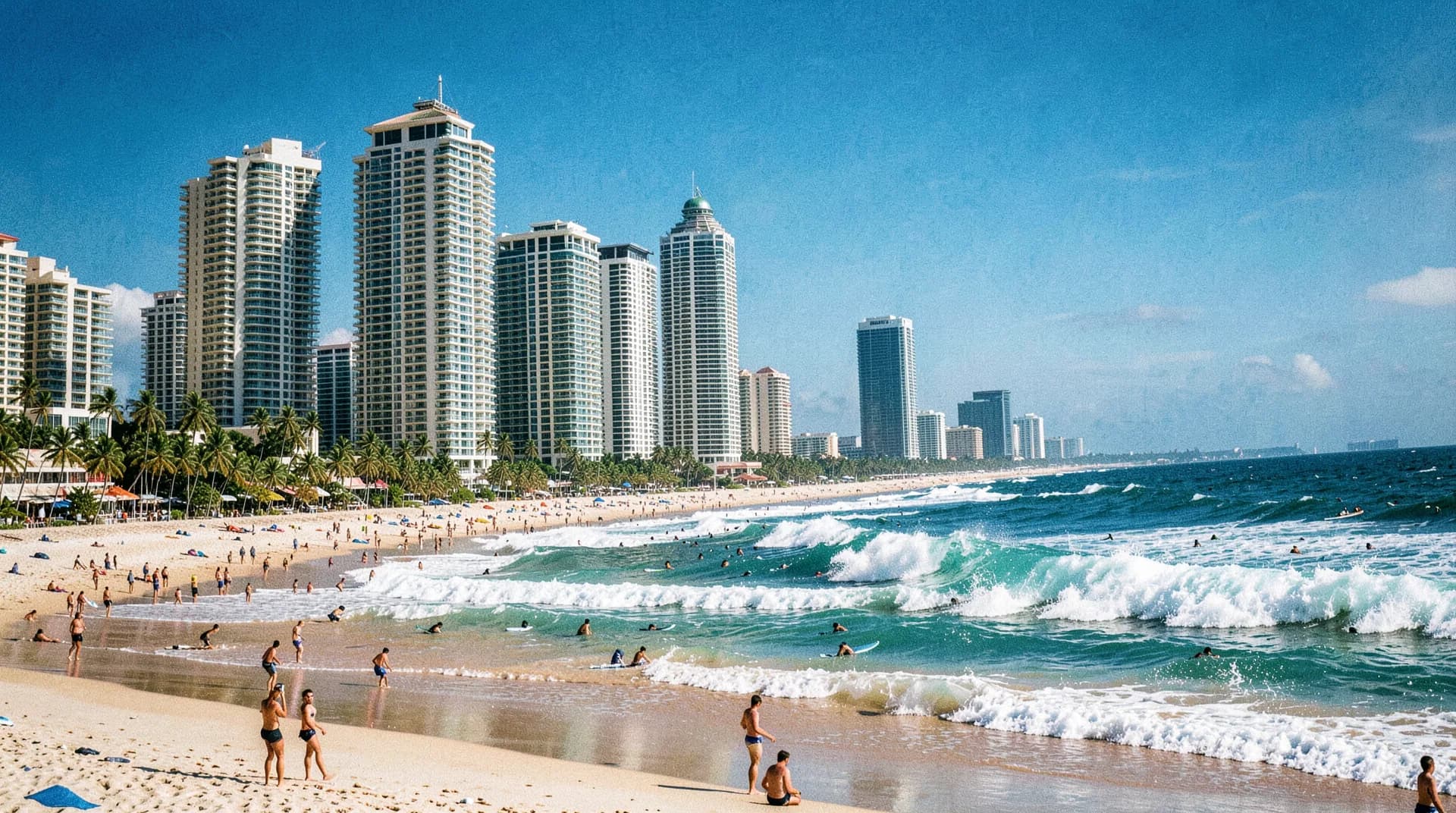
Moving to Australia is one of the biggest decisions you'll ever make — and no amount of visa preparation fully prepares you for what it's actually like on the ground. The brochures show you stunning beaches and cuddly koalas. What they don't mention is the rental crisis, the sunburn that hits before you've finished your first beer, and the fact that everything costs approximately twice what you expected.
Whether you're coming on a Working Holiday visa, a skilled visa, or joining a partner, these are the things nobody tells you about moving to Australia in 2026 — the honest, unfiltered stuff that will actually help you settle in.
1. The Rental Crisis Is Real and It's Brutal
Nothing prepares new arrivals for Australia's rental market. In Sydney, Melbourne, Brisbane, and Perth, you're competing against dozens — sometimes hundreds — of other applicants for every property.
What you're walking into:
- Median weekly rent in Sydney: over AUD $650 for a unit
- You'll need to provide a rental application with references, employment history, and ID
- Bond (deposit) is typically 4 weeks' rent: AUD $2,600+ upfront
- Inspections happen in 15-minute windows with 20+ groups attending
- Being offered a lease on your first application is rare
New arrivals without Australian rental history, local references, or an established job face extra difficulty. Many end up in share houses, temporary accommodation, or paying 6-12 months' rent upfront to stand out. Budget for at least 4-8 weeks of temporary accommodation while you search.
Pro tip: Consider starting in a smaller city. Adelaide, Hobart, and regional centres have significantly cheaper rents and less competition.
2. Everything Costs More Than You Think
Even if you've researched the cost of living, Australia will surprise you. Groceries, dining out, transport, and services are all premium-priced compared to most of the world.
Reality check:
- A pint of beer in a pub: AUD $10-$14
- A basic café lunch: AUD $18-$25
- A head of broccoli: AUD $4-$7
- Monthly gym membership: AUD $60-$90
- A basic haircut: AUD $30-$50
- Mobile phone plan: AUD $30-$60
- Petrol: about AUD $2.00/litre
The upside? Wages are high. Australia's minimum wage is AUD $24.10/hour — one of the highest in the world. If you're earning Australian wages, the cost of living is manageable. If you're living off savings from a lower-income country, you'll burn through your money fast.
The general rule: budget 20-30% more than whatever you think you'll need.
3. Drop Bears Are Not Real (But Australians Will Never Admit It)
Every newcomer gets warned about drop bears — aggressive koalas that supposedly drop from trees onto unsuspecting tourists. They don't exist. It's a joke. Australians have been running this gag for decades and they won't stop anytime soon.
You'll find drop bear warnings on tourism websites, in national parks, and from seemingly credible locals who'll keep a perfectly straight face while telling you to spread Vegemite behind your ears for protection.
Consider it your initiation into Australian humour. When someone warns you about drop bears with a deadly serious expression, just nod along. You're being welcomed to the club.
4. Tipping Isn't Expected (And Can Be Confusing)
Coming from the US, Canada, or other tipping cultures? Leave that habit at the airport. Tipping is not expected in Australia and many Australians don't tip at all.
The culture:
- Hospitality workers are paid a living wage (minimum AUD $24.10/hr, often higher)
- Rounding up the bill or adding 10% at a nice restaurant is appreciated but optional
- Taxi drivers don't expect tips
- Hotel porters don't expect tips
- Nobody will chase you out of a restaurant for not tipping
Some fancier restaurants have started placing tip prompts on EFTPOS machines, which is somewhat controversial among Australians. Feel free to ignore these without guilt.
The exception: if you receive truly exceptional service and want to show appreciation, a small tip is a nice gesture. But it's never expected or socially required.
5. The Healthcare System Is Excellent But Complex
Australia's Medicare system is one of the best public healthcare systems in the world. But understanding how it works as a new arrival isn't straightforward.
What you need to know:
- Medicare is Australia's public health system — free or subsidised doctor visits, hospital treatment, and prescriptions
- Only Australian citizens, permanent residents, and some visa holders from reciprocal countries (UK, Ireland, NZ, etc.) get Medicare
- Temporary visa holders generally DON'T get Medicare — you'll need private health insurance
- Student visa holders need Overseas Student Health Cover (OSHC)
- WHV holders from reciprocal countries may access basic Medicare
The system works brilliantly once you're in it. GP visits are often bulk-billed (free), prescriptions are subsidised through the PBS, and public hospital treatment is free. But wait times for specialists and elective surgery can be long — which is why many Australians also hold private health insurance.
If you're on a temporary visa without Medicare access, a single emergency room visit can cost AUD $500-$1,000+. Don't skip health insurance.
6. The Internet Is Slower Than You'd Expect
For a wealthy, developed nation, Australia's broadband is... not great. The National Broadband Network (NBN) has been a political football for over a decade, and the result is inconsistent speeds that vary wildly by location.
Internet reality:
- Average NBN speed: around 50-80 Mbps (decent but not world-class)
- Some areas still on older technology with speeds under 25 Mbps
- Australia ranks around 30th-40th globally for broadband speed
- Mobile data is expensive compared to many countries
- Unlimited data plans are available but cost AUD $70-$100+/month
If you work remotely, check NBN availability and speed at your potential address before signing a lease. Some newer apartments have fibre-to-the-premises (FTTP) with speeds up to 1 Gbps, while older buildings might be stuck on fibre-to-the-node (FTTN) with much lower speeds.
7. Sunburn Is Serious — Not a Joke
Australia sits under a thinning ozone layer, and UV radiation here is significantly more intense than in Europe, North America, or most of Asia. You will burn faster than you think possible.
The facts:
- Australia has the highest rate of skin cancer in the world
- You can get sunburnt in as little as 10-15 minutes on a high UV day
- UV is strongest between 10am and 2pm, even on cloudy days
- The sun feels different here — fiercer, sharper, meaner
"Slip, Slop, Slap, Seek, Slide" (slip on a shirt, slop on sunscreen, slap on a hat, seek shade, slide on sunglasses) isn't just a catchy phrase — it's survival advice. Wear SPF 50+ sunscreen, reapply every 2 hours, and don't underestimate overcast days.
Newcomers from Northern Europe and East Asia are especially vulnerable. Your first Australian summer will teach you respect for the sun whether you like it or not.
8. The Wildlife Isn't As Scary As Its Reputation
Between the internet and Hollywood, you'd think Australia is a death trap of spiders, snakes, sharks, and crocodiles. The reality is much less dramatic.
What you'll actually encounter:
- Spiders: common in homes, but dangerous species (funnel-web, redback) are rare in urban areas
- Snakes: you might see one in suburban areas occasionally, but they avoid people
- Sharks: statistically, you're more likely to die from a bee sting
- Crocodiles: only in tropical northern Australia, and well-signed areas
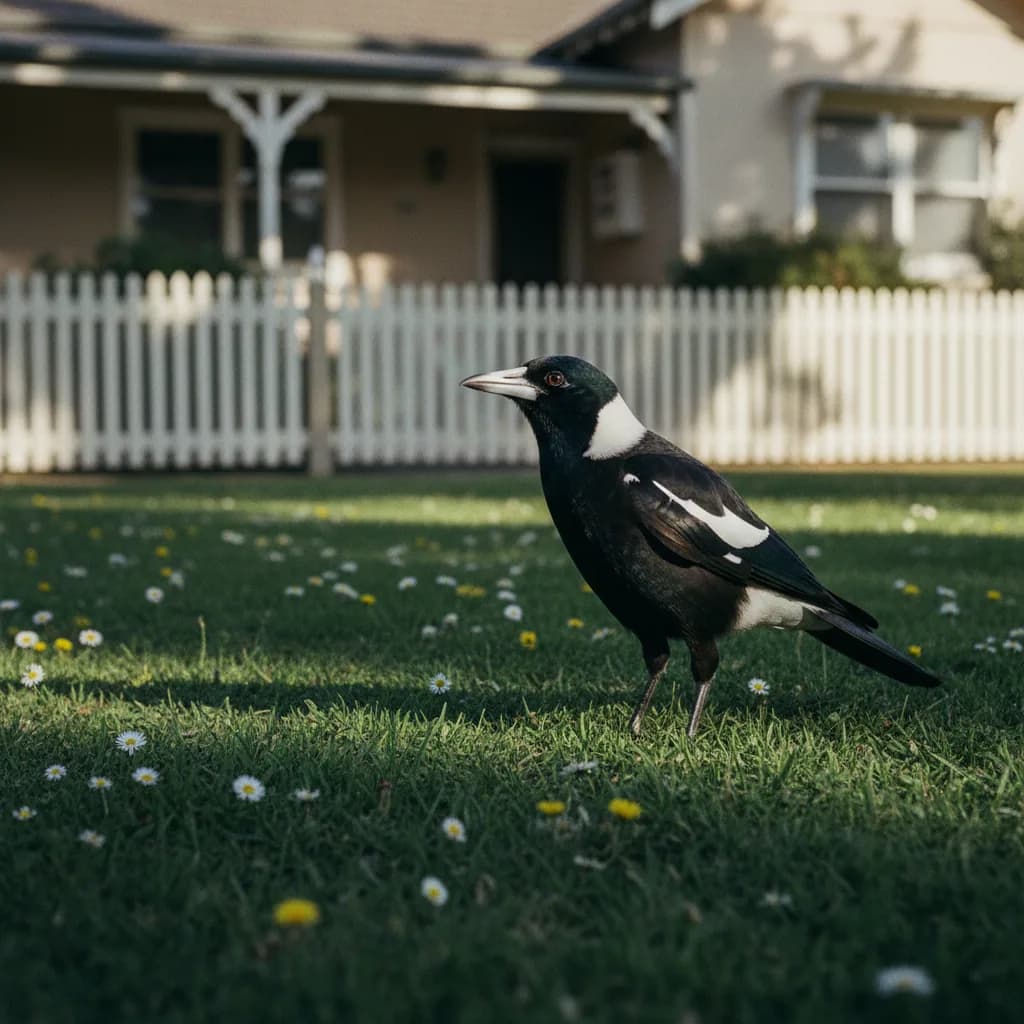
- Magpies: the real threat during swooping season (August-October)
Most Australians go their entire lives without a dangerous wildlife encounter. Basic precautions — shaking out shoes left outside, not swimming at unmarked beaches, checking before reaching into dark spaces — cover 99% of risks.
The animal you're most likely to have problems with? The magpie. During breeding season, they dive-bomb pedestrians and cyclists. Cable ties on your helmet and eyes drawn on the back of your hat are legitimate defence strategies.
9. The Coffee Culture Will Ruin You Forever
Australia's coffee culture is world-class, and it will permanently change your standards. Once you've had a proper flat white from a Melbourne laneway café, you'll never be able to stomach chain-store coffee again.
Coffee facts:
- Starbucks failed spectacularly in Australia — they closed 61 of 84 stores in 2008
- Most cafés are independent, owner-operated businesses
- Baristas are skilled professionals, not part-time college students
- A standard coffee costs AUD $4.50-$6.00
- Melbourne is widely considered one of the world's best coffee cities
The flat white — Australia's (and New Zealand's, depending on who you ask) gift to the coffee world — is the default order. Long blacks, ristrettos, and batch brew are also standard. If you order "drip coffee" or "filter coffee," expect confused looks.
10. Australian Slang Will Confuse You for Months
Australians shorten everything. And they'll assume you understand immediately.
Essential survival vocabulary:
- Arvo: afternoon
- Brekkie: breakfast
- Servo: petrol/gas station
- Bottle-o: liquor store
- Rego: car registration
- Maccas: McDonald's
- Sunnies: sunglasses
- Thongs: flip-flops (NOT underwear)
- Ute: pickup truck
- No worries: the universal response to everything
Nobody says "shrimp on the barbie." They're called prawns. And "mate" can mean friend, stranger, or someone you're about to have a very serious disagreement with, depending entirely on tone.
11. The Distances Are Enormous
Australia is roughly the same size as mainland USA, but with only 26 million people. The distances between cities are staggering.
Distance reality:
- Sydney to Melbourne: 877 km (9-hour drive)
- Sydney to Brisbane: 920 km (10-hour drive)
- Sydney to Perth: 3,934 km (40+ hour drive or 5-hour flight)
- Melbourne to Adelaide: 727 km (8-hour drive)
Domestic flights are the norm for interstate travel. Nobody drives from Sydney to Perth — it takes 4-5 days with minimal stops. Budget for flights if you want to see the country.
Within cities, distances are also significant. Sydney sprawls over 12,000 square kilometres. Living in Western Sydney and working in the CBD can mean a 90-minute commute each way. Choose your suburb wisely.
12. The NARWP (Newly Arrived Resident's Waiting Period) Limits Welfare Access
Here's something visa holders and even new permanent residents often discover too late: there's a Newly Arrived Resident's Waiting Period (NARWP) that prevents access to most government welfare payments for a set period after arrival.
What it means:
- Most new PR holders must wait 4 years (previously 2-4 years depending on payment type) before accessing government welfare
- This includes JobSeeker, Parenting Payment, and other income support
- Some payments have shorter waits; others have longer
- Medicare is available to PR holders immediately
- The NARWP doesn't apply to NZ citizens on the 444 visa after meeting residence requirements
This catches people off guard. If you lose your job in your first year as a PR holder, there's no government safety net. Having a financial buffer is essential, not optional.
13. Your Superannuation: You Can Claim It Back When You Leave
If you work in Australia on a temporary visa, your employer must pay 11.5% superannuation (retirement savings) on top of your wages into a super fund. When you leave Australia permanently on a temporary visa, you can claim this money back.
How it works:
- Employer pays 11.5% super on your earnings (going up to 12% by 2027)
- Money goes into a super fund in your name
- When you leave Australia and your visa expires/is cancelled, you can apply for a Departing Australia Superannuation Payment (DASP)
- You'll pay tax of 65% on the DASP (reduced from the standard rate for some nationalities)
- The process is done through the ATO website
Yes, the 65% tax rate on departure payments is steep. But it's still money you wouldn't otherwise receive. For a working holidaymaker earning AUD $50,000, that's roughly AUD $5,750 in super, of which you'd receive about AUD $2,012 after tax.
Don't forget to claim it. Billions of dollars sit unclaimed in super funds from departed temporary visa holders.
14. The Work Culture Is More Relaxed (But Don't Take Advantage)
Compared to the US, UK, or especially Asian work cultures, Australian workplaces are notably more relaxed. But "relaxed" doesn't mean "slack."
What to expect:
- Most full-time workers do 38 hours per week (the standard)
- Annual leave: 4 weeks per year (mandatory for full-time employees)
- Sick leave: 10 days per year
- Most people actually take their leave (unlike the US)
- "Working overtime" is not a badge of honour
- Managers are addressed by first name
- Friday afternoon drinks are a workplace institution
Australians value work-life balance intensely. Sending emails at midnight or bragging about working weekends won't impress your colleagues — it'll make them uncomfortable. Do your job well during business hours, take your lunch break, use your annual leave, and you'll fit right in.
If you're coming on a Student visa (500) with the 48-hour fortnight work limit, be mindful of your hours. Employers generally understand and respect visa work conditions.
15. You'll Fall in Love With It (And Extending Your Visa Becomes Priority #1)
Here's the thing nobody warns you about: Australia is extremely hard to leave. The lifestyle, the weather, the people, the beaches, the coffee — it all adds up. And before you know it, your visa expiry date is approaching and you're googling "how to stay in Australia permanently" at 2am.
Common pathways people discover:
- WHV holders looking into employer sponsorship (482 SID)
- Students researching the 485 Graduate visa
- Visitors who've met someone wondering about Partner visas
- Skilled workers checking their points for the 189 or 190
Plan your visa pathway early. The biggest mistake new arrivals make is waiting until their current visa is about to expire before thinking about what comes next. By then, your options may be limited and the deadlines tight.
Check the cheapest ways to move permanently and start planning well before your current visa expires.
Bonus: Things That'll Surprise You in the Best Way
Not everything is a warning. Here are the unexpected highlights:
- Public barbecues are everywhere — free electric BBQs in parks across the country
- The beach culture is democratic — everyone goes, regardless of income or status
- Native wildlife is incredible — kangaroos at dawn, cockatoos at breakfast, possums at night
- The night sky outside cities is spectacular — especially in the outback
- Australians are genuinely friendly — not polite-but-distant friendly, actually warm and helpful
Frequently Asked Questions
How much money should I have saved before moving to Australia?
At minimum, AUD $5,000-$8,000 on top of your visa costs. This covers bond, first month's rent, temporary accommodation, transport, and basic setup costs. For Sydney or Melbourne, AUD $10,000+ is safer. Student visa holders must demonstrate access to AUD $24,505 per year for living costs.
Is Australia safe for solo travellers and women?
Australia is generally very safe by global standards. Major cities have low violent crime rates, public transport is reliable, and most areas are safe to walk at night. Standard precautions apply as they would anywhere — be aware of your surroundings, avoid deserted areas late at night, and use registered transport services.
Do I need a car in Australia?
In Sydney and Melbourne, public transport can cover most needs. In Brisbane, Perth, Adelaide, and regional areas, a car makes life significantly easier. Australia is a car-dependent country outside the inner suburbs of its two largest cities. Budget for registration (rego), insurance, petrol, and tolls.
What's the best city to move to in Australia as a newcomer?
It depends on your priorities. Melbourne for culture and coffee. Sydney for harbour views and career opportunities. Brisbane for affordable living and sunshine. Perth for mining-sector salaries and beaches. Adelaide for affordability and wine country. Each city has a different character — research what matters to you before committing to a lease.