Australian Partner Visa for Nepalese Citizens: 2026 Guide
Updated: 16 August 2026
Partner visas for Nepalese citizens follow the standard Australian framework: subclass 309/100 offshore from Nepal, or 820/801 onshore in Australia. The sponsor must be an Australian citizen, PR holder, or eligible New Zealand citizen. Evidence of a genuine and continuing relationship is the central test. The combined application charge in 2026 is AUD $11,710.
Quick Facts: Partner Visa for Nepalese Citizens
| Detail | Information |
|---|---|
| Offshore (lodged from Nepal) | Subclass 309 (provisional) → 100 (permanent) |
| Onshore (lodged in Australia) | Subclass 820 (provisional) → 801 (permanent) |
| Combined charge | AUD $11,710 in 2026 |
| Sponsor | Australian citizen, PR holder, or eligible NZ citizen |
| Relationship type | Married, de facto, or registered relationship |
| Minimum de facto duration | 12 months, with limited exceptions |
| Decision-making timeline | Provisional then permanent (around 2 years apart) |
| Police clearance | Nepal PCC and AFP if 12+ months in Australia |
| Health | Bupa panel exam in Kathmandu including TB X-ray |
Who Can Apply and Who Sponsors
A partner visa requires two people: the applicant (you, the Nepalese citizen) and the sponsor (your partner in Australia). The sponsor must be:
- An Australian citizen,
- An Australian permanent resident, or
- An eligible New Zealand citizen.
The sponsor lodges the sponsorship application alongside your visa application. Sponsors have their own character requirements, and a sponsor with a relevant criminal record can be refused.
The applicant must be in a recognised relationship with the sponsor:
- Married, with a legally valid marriage recognised in Australia. Nepali marriages registered with the local authority and accompanied by a marriage registration certificate are recognised.
- De facto, with at least 12 months of cohabitation, or registered status under an Australian state/territory relationship register, or compelling and compassionate circumstances.
- Registered relationship, where the partnership is on the relationships register in an Australian state or territory.
Offshore vs Onshore: 309/100 or 820/801
Subclass 309/100 (offshore). You apply from outside Australia. You can be granted the 309 provisional visa while outside Australia and then enter on it. Two years from the date of original lodgement, the Department reviews the relationship and grants the permanent 100 if it remains genuine.
Subclass 820/801 (onshore). You apply while inside Australia, holding a substantive visa (typically a 500, 485, or 462). The 820 provisional is granted first, with a bridging visa A keeping you lawful in the meantime. Two years from lodgement, the Department assesses the relationship for the permanent 801.
Choice of stream is usually dictated by where you currently are. A useful comparison is in onshore vs offshore partner visa. For Nepalese applicants already onshore on a student visa, the 820/801 is the natural route. For Nepalese applicants offshore with a sponsor in Australia, the 309/100 is the natural route.
Evidence of a Genuine Relationship
This is the centre of every partner visa, and the area where most Nepalese files come under pressure. The Department wants documentary evidence across four dimensions:
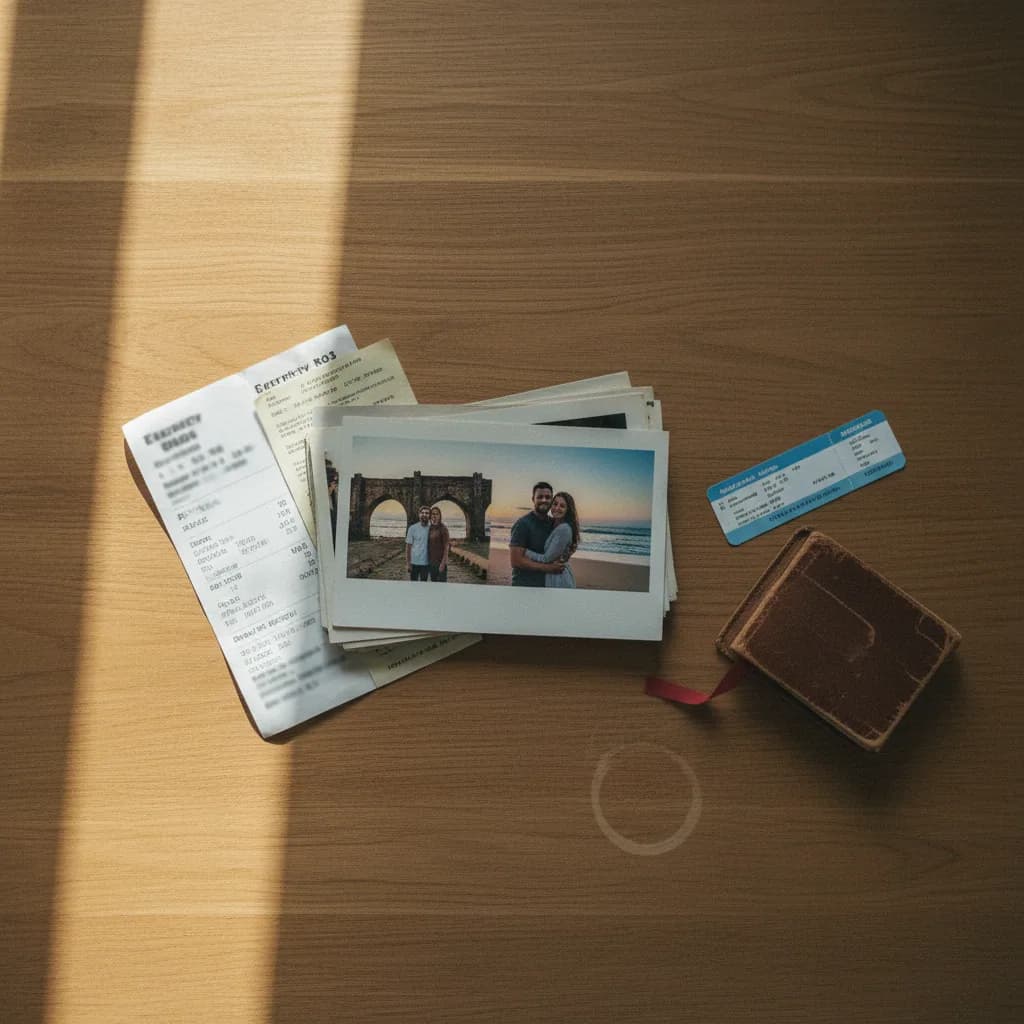
Financial aspects of the relationship. Joint bank accounts, joint leases, shared bills, joint loans, life insurance with the partner as beneficiary, money transfers between partners while apart, and any evidence of shared financial responsibility.
Nature of the household. Shared rental agreement or property ownership, utility bills in both names at the same address, household goods purchased jointly, and the day-to-day arrangements of how you live together.
Social context. Joint photos over the course of the relationship (not just one event), invitations to events as a couple, statutory declarations from friends and family, joint social media presence, and travel together.
Commitment to each other. The history of the relationship, plans for the future, how you communicate when apart, knowledge of each other's families, and the absence of any plan to separate.
A full inventory of evidence categories sits in the evidence of relationship guide. For most Nepalese applicants, the strongest single-document additions are joint bank statements, joint tenancy agreements, family-side statutory declarations from both Nepal and Australia, and a clean chronological narrative of the relationship.
How to Apply Step by Step
- Confirm sponsor eligibility and willingness.
- Gather identity documents: passports, citizenship certificates, birth certificates with certified English translations.
- Marriage or de facto evidence: marriage certificate from the Nepali municipality with a certified translation, or 12 months of cohabitation evidence.
- Compile relationship evidence under the four pillars above.
- Both parties draft personal statements covering the relationship history.
- Obtain statutory declarations from friends and family (Form 888 for Australian-resident witnesses).
- Create an ImmiAccount.
- Lodge the partner visa application and the sponsorship application together.
- Pay the AUD $11,710 charge.
- Submit Nepal Police Clearance Certificate plus AFP check if relevant, complete the Bupa panel medical including TB X-ray, attend biometrics at VFS Global Kathmandu if requested.
- Wait for the provisional grant.
- Two years from original lodgement, respond to the Department's request for updated relationship evidence for the permanent stage.
The wider process is covered in the step-by-step application guide.
Cost and Processing Times
The combined partner visa charge is AUD $11,710 in 2026 (a single combined charge covering both the provisional 309/820 and permanent 100/801 stages). Add the medical, police checks, biometric fees at VFS Global Kathmandu, translation costs for Nepali documents, and any agent fees.
Processing times for Nepalese applicants typically run 12 to 22 months for the provisional stage, with permanent-stage decisions following roughly two years after original lodgement. Current published medians are in the partner visa processing time guide and the broader processing times guide.
What Nepalese Applicants Need to Know
Student-to-partner transitions are scrutinised
A pattern the Department watches for: a Nepalese student lodges the 500, arrives in Australia, enters a relationship within months, and lodges an 820 onshore. This is not automatically refused. Many such relationships are entirely genuine. It does mean the documentary evidence has to do more work. Build a clear chronological record from the start of the relationship, including how you met, the early stages, the decision to live together, and the decision to apply for the visa. Don't backdate evidence. Cover the early period honestly.
Arranged marriages are recognised
Marriages arranged by families are recognised under Australian law if they meet the legal requirements: both parties consenting, both of marriageable age, and the marriage validly registered in Nepal. The case officer doesn't assess whether the relationship started through introduction or independently. They assess whether it's now a genuine and continuing partnership. The same evidence framework applies.
Document translation matters
All Nepali-language documents (marriage certificate, birth certificate, family registration, statutory declarations from Nepal-based family) must be translated into English by a NAATI-accredited or equivalent certified translator. A translation by a relative or a friend is not accepted. The translator's name, certification number, signature, and contact details must appear on each translated document.
Health and police
The standard subclass health exam applies including TB chest X-ray at a Bupa-approved clinic in Kathmandu. The Nepal Police Clearance Certificate is required, sourced through the Nepal Police Headquarters and District Police Office. If you've been in Australia 12+ months since age 16, an AFP check is required as well. Both sponsor and any dependent children also require health and character checks where applicable.
Sponsor history
Sponsors who've previously sponsored another partner visa face a five-year cooling-off period in most cases. The Department also checks sponsors for past violence-related offences as part of the character assessment. These checks aren't optional. The sponsor must disclose their history truthfully.
Common Pitfalls for Nepalese Applicants
Thin financial evidence. Many Nepalese student couples don't have joint bank accounts or shared rental agreements because of the way student housing works. Build these as soon as the relationship is real. A joint account opened a year before lodgement reads very differently from one opened a fortnight before.
Late statutory declarations. Form 888s gathered the week before lodgement are accepted, but spaced declarations over the course of the relationship read more credibly. Ask friends who knew the relationship six months in to write their statements at that time, not at lodgement.
Backdated or staged photos. Case officers see thousands of files. A burst of photos taken in one weekend in three different outfits doesn't read as a year-long relationship history. Submit real photos taken over time, including the unflattering, ordinary ones.
Forgetting the second stage. The provisional visa is not the end. Two years after lodgement, the Department contacts you for the permanent-stage evidence. Continue keeping joint financial and household records throughout that period.
Sponsor character issues left unaddressed. A sponsor with a prior offence, a prior partner sponsorship, or a violence-related conviction needs to address those directly in the sponsorship application. Not disclosing is worse than disclosing.
Frequently Asked Questions
How long does an Australian partner visa take from Nepal?
For the provisional stage (309 offshore or 820 onshore), Nepalese applicants typically wait 12 to 22 months. The permanent stage (100 or 801) is decided approximately two years after the original lodgement date, often within a few months of that anniversary. Current published medians sit in the partner visa processing time guide.
Can I apply for a partner visa if we got married only recently?
Yes. There's no minimum length-of-marriage requirement to lodge. What matters is that the relationship is genuine, continuing, and not entered into for the purpose of the visa. A short marriage backed by a longer dating and cohabitation history reads as credible. A short marriage with no prior history needs much stronger evidence of the underlying relationship.
What's the difference between de facto and married for the partner visa?
Married applicants need a legally recognised marriage. De facto applicants need 12 months of cohabitation immediately before lodgement, or registration on an Australian state/territory relationship register, or compelling and compassionate circumstances waiving the 12-month rule. Married applicants don't need the 12 months of cohabitation, though evidence of cohabitation still strengthens the file.
Can I work while waiting on the 820 onshore?
Yes. The bridging visa A (BVA) granted with the 820 lodgement usually includes full work rights once your substantive visa ends. Check the conditions on your specific BVA grant letter, as conditions vary by case.
What happens if we separate during the visa?
If you separate before the permanent stage is granted, the Department needs to be notified. There are limited exceptions where the permanent visa can still be granted (family violence provisions, death of the sponsor, shared parenting of a child of the relationship). The what happens if separated or divorced guide covers the exceptions in detail.
Can my children be included?
Yes. Dependent children can be added to the partner visa application at lodgement or as subsequent entrants. They need their own health and character checks, and birth certificates with certified English translations.
Related Guides
- Australian Visa for Nepalese Citizens (country overview)
- Offshore Partner Visa subclass 309/100
- Onshore Partner Visa subclass 820/801
- Evidence of relationship: partner visa
- Onshore vs offshore partner visa
- Partner visa processing time 2026
- What happens to your visa if separated or divorced
- How to apply for an Australian visa: step by step