HAP ID: Your Health Assessment Protocol Identifier Explained
A HAP ID (Health Assessment Protocol Identifier) is a unique reference number generated through ImmiAccount that links your medical examination to your Australian visa application. Without a valid HAP ID, a panel physician or Bupa clinic can't conduct your health assessment, and results can't be transmitted electronically to the Department of Home Affairs. It's the thread that connects your medical exam to your specific visa case — and getting it right matters more than most applicants realise.
What Exactly Is a HAP ID?
Every person who needs a health assessment as part of an Australian visa application receives a HAP ID. It's an alphanumeric code (typically starting with "HAP" followed by a string of numbers) that the Department's health systems use to track your medical examination from start to finish.
The HAP ID serves several functions:
- Identifies you within the health assessment system
- Links your medical results directly to your visa application
- Specifies which examinations you need (chest x-ray, general medical, blood tests, etc.)
- Allows electronic transmission of results from the panel physician to the Department
- Prevents mix-ups between applicants with similar names or details
You can think of it as a booking reference and tracking number rolled into one. Your panel physician or Bupa clinic won't see you without it, and the Department won't accept results that aren't linked to a valid HAP ID.
Who Needs a HAP ID?
Almost every visa applicant who's required to undergo a health assessment needs a HAP ID. This includes applicants for:
- Skilled visas (subclass 189, 190, 491, 482, 494)
- Student visas (subclass 500)
- Partner visas (subclass 820/801, 309/100)
- Parent visas (subclass 143, 864, 884)
- Visitor visas (subclass 600, in some circumstances)
- Protection visas (subclass 866)
The specific health examinations required depend on your visa subclass, your age, the length of your intended stay, and your country of residence. Some applicants need only a chest x-ray; others need a full medical plus blood tests and additional screenings.
How to Generate Your HAP ID: Step by Step
Here's the process for generating your HAP ID through ImmiAccount:
Step 1: Log into ImmiAccount
Go to the ImmiAccount portal and sign in. If you don't have an account yet, you'll need to create one — see our ImmiAccount guide for instructions.
Step 2: Navigate to your application
Find the visa application that requires a health assessment. This could be a submitted application or, in some cases, you may need to arrange health assessments before lodging (common for SkillSelect applicants doing upfront health checks).
Step 3: Select "Organise Health Assessment"
Within your application, look for the "Health" tab or "Organise health examinations" link. Click it.
Step 4: Confirm your details
The system will display your personal details — name, date of birth, passport number. Verify everything is correct. Any discrepancy between your HAP ID details and the identification you bring to your appointment can cause problems.
Step 5: Answer health-related questions
You'll be asked a series of questions about your health history, intended length of stay, and the type of work you'll be doing in Australia. Your answers help determine which examinations are required.
Step 6: Generate the HAP ID
Once you've completed the questions, the system generates your HAP ID and a referral letter. This letter specifies exactly which examinations you need.
Step 7: Print your referral letter
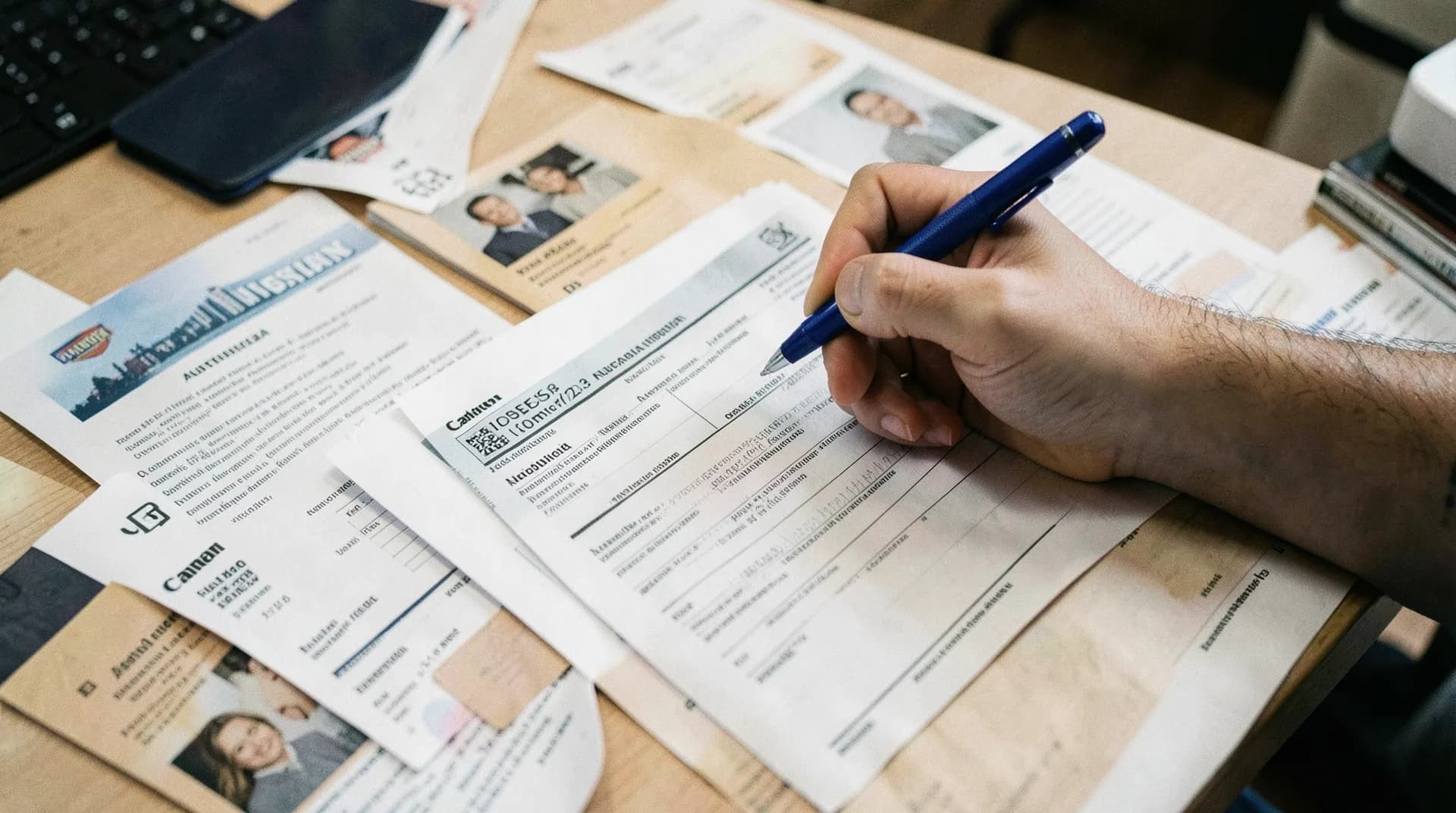
Print the referral letter (or save it as a PDF). You must bring this to your medical appointment. The letter contains your HAP ID, the examinations required, and a barcode that the clinic will scan.
Important: Each person included in your visa application (partner, dependent children) will receive their own separate HAP ID. Make sure you generate HAP IDs for everyone who needs a health assessment.
Booking Your Health Assessment
With your HAP ID in hand, you need to book an appointment with an approved provider.
If you're in Australia
Bupa Medical Visa Services is the contracted provider for health assessments within Australia. Book directly through the Bupa Medical Visa Services website. You'll need your HAP ID when booking.
Bupa clinics are located in major capital cities (Sydney, Melbourne, Brisbane, Perth, Adelaide, Canberra, Hobart, Darwin). Appointment availability varies by location — metropolitan clinics in Sydney and Melbourne tend to book out fastest.
If you're overseas
You'll need to visit a panel physician — a doctor approved by the Australian Government to conduct immigration health assessments. The Department maintains a searchable list of panel physicians on its website, organised by country and city.
Not every country has a panel physician. If there's no approved doctor in your country, you may need to travel to the nearest location that has one.
What to bring to your appointment
- Your printed referral letter (with HAP ID and barcode)
- Your passport (or the identity document matching your application)
- Any existing medical records relevant to your health history
- Glasses or contact lenses if you wear them (vision testing is part of the general medical)
- Payment — the cost varies by provider and country, and is not included in your visa application fee
What Happens During the Health Assessment?
The exact examinations depend on what your HAP ID referral specifies, but common components include:
General medical examination:
- Physical examination by the doctor
- Height, weight, blood pressure
- Vision and hearing checks
- Heart and lung assessment
- Discussion of your medical history
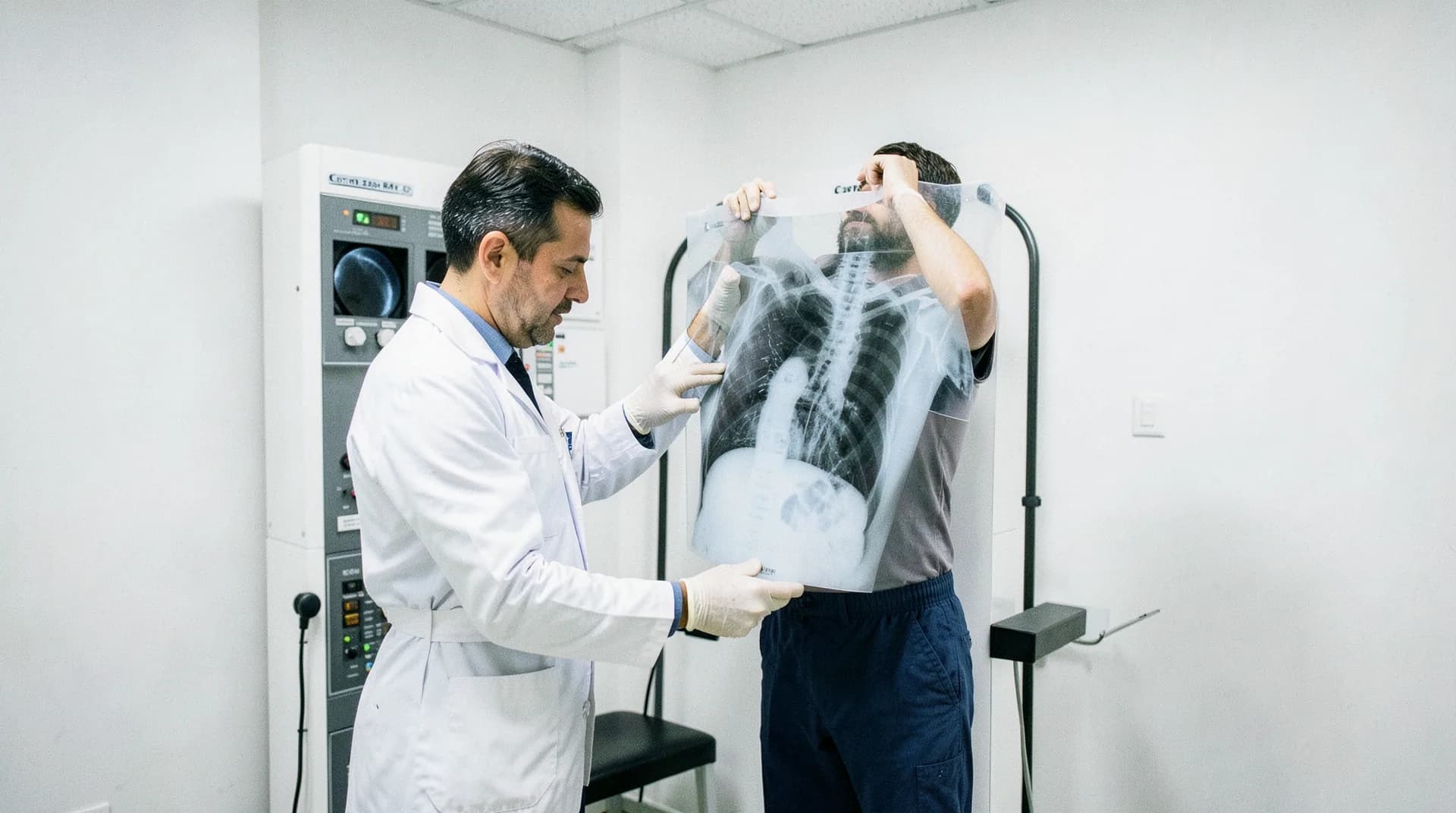
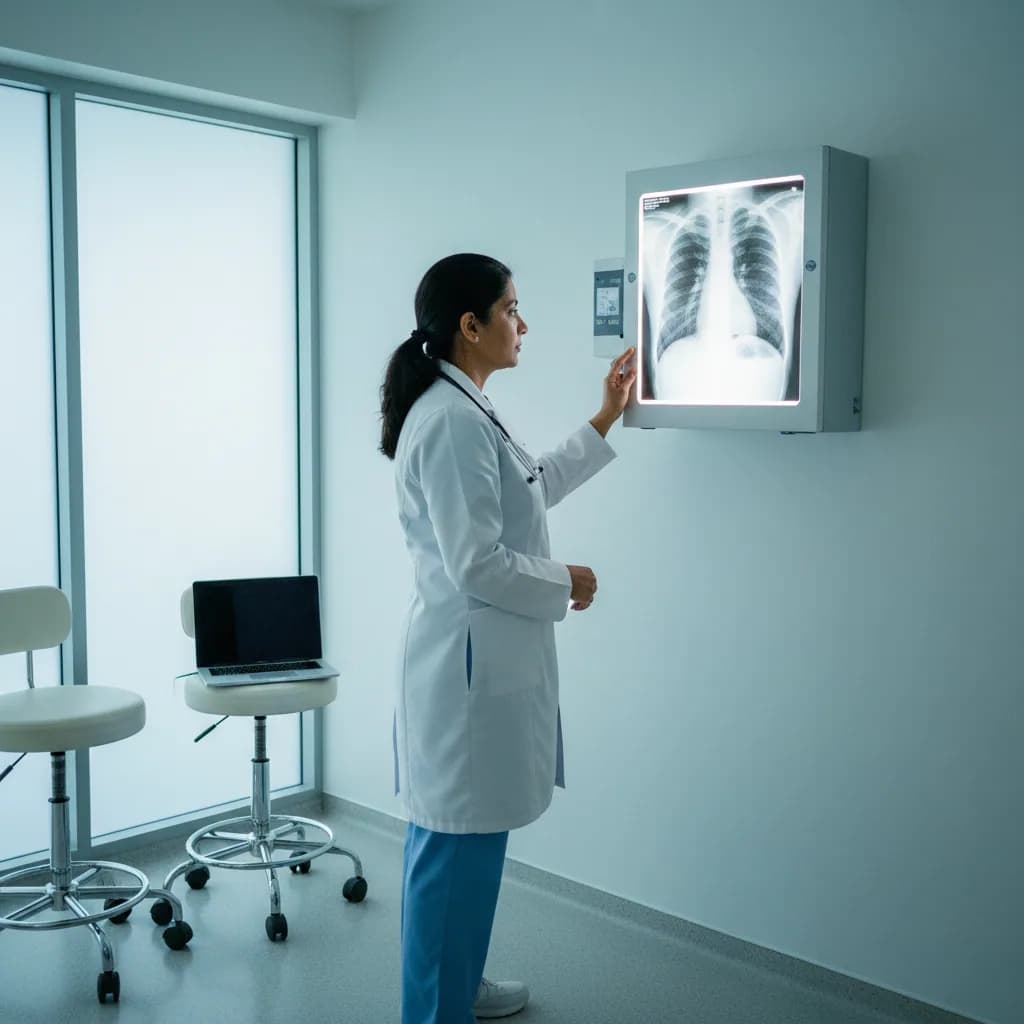
Chest x-ray:
- Required for most applicants aged 11 and over
- Screens primarily for tuberculosis (TB)
- Results are read by a radiologist
Blood tests:
- HIV testing (for applicants aged 15 and over for most visa types)
- Hepatitis B and C screening (in some cases)
- Other tests as specified
Additional assessments may be required depending on your circumstances — for example, applicants for aged care or healthcare occupations may need additional TB screening.
The entire appointment typically takes between one and two hours, though this varies by clinic and the examinations required.
How Results Reach the Department
Here's where the electronic system comes in. Your panel physician or Bupa clinic doesn't hand you a report to send to the Department yourself. Instead:
- The doctor completes the examination and records findings in the eMedical system (the Department's electronic health assessment platform)
- Findings, x-ray images, and test results are uploaded electronically using your HAP ID as the linking reference
- The Department's Medical Officers of the Commonwealth (MOC) review the submitted results
- A health assessment outcome is recorded against your visa application
You won't receive a copy of the medical report yourself in most cases. The entire transmission happens between the clinic and the Department. Your ImmiAccount may show a status update indicating that health results have been received.
Processing time: Results are usually transmitted within a few days of your appointment. However, the Department's MOC review can take longer — particularly if there are findings that require further assessment or if additional tests are requested.
Common Issues and How to Avoid Them
Wrong HAP ID details
If the name or date of birth on your HAP ID doesn't match your passport, the clinic may refuse to proceed. Double-check everything before your appointment.
Expired HAP ID
HAP IDs have a validity period. If you generate one but don't attend your appointment within the specified timeframe, you may need to generate a new one. Don't leave it too long after generating your HAP ID.
Further medical requested
Sometimes the MOC needs additional information — a specialist report, follow-up blood tests, or further imaging. This doesn't mean your application will be refused. It means the Department needs more data to make a health assessment. Respond promptly to any requests.
Health waiver
If a health condition is identified that would normally prevent you meeting the health requirement, you may be eligible for a health waiver. This applies to certain visa subclasses and involves an assessment of whether the cost of your condition to the Australian healthcare system exceeds a specified threshold. Your migration agent can advise whether a waiver might apply.
Costs
The Department doesn't charge for generating the HAP ID itself — it's part of the visa application process. However, the health assessment appointment is at your expense. Costs vary:
- In Australia (Bupa): Approximately AUD $350-$500 for a full medical and chest x-ray, depending on the examinations required
- Overseas (panel physicians): Varies widely by country, from USD $100 to $500+
These costs are separate from your visa application fee and are non-refundable regardless of your visa outcome.
Related Resources
- ImmiAccount Explained — where you generate your HAP ID and manage your visa application
- SkillSelect and EOI — health assessments for skilled visa applicants
- ANZSCO Codes Explained — understanding occupation classifications for skilled visas
- MARA and Migration Agents — professional advice on health requirement issues
- MLTSSL Explained — occupation lists linked to visa subclasses requiring health assessments