Technicians and Trades Workers nec Visa Pathway to Australia: Complete 2026 Guide
Updated: 16 August 2026
Australia classifies Technicians and Trades Workers not elsewhere classified under ANZSCO 399999. Trades Recognition Australia (TRA) conducts the skills assessment. The code sits on the Core Skills Occupation List (CSOL), unlocking subclasses 482 and 186. Typical 2026 salaries range AUD $70,000-$110,000 depending on specialty. The code captures fibre composite technicians, coffee machine technicians, parachute riggers, glass blowers, pyrotechnicians and other niche trades that don't fit elsewhere in ANZSCO.
Quick Facts: Technicians and Trades Workers nec Migration Pathway
| Detail | Information |
|---|---|
| ANZSCO Code | 399999 (Technicians and Trades Workers nec) |
| Skill Level | 3 (AQF Certificate III with at least 2 years on-the-job training, or Certificate IV) |
| Skills Assessment | TRA (Trades Recognition Australia) |
| Occupation List | CSOL (Core Skills Occupation List) |
| Visa Options | 482 (Core Skills stream), 186 (Direct Entry / TRT), 494 (Regional) |
| Demand Level | Specialty-dependent — high for fibre composite, coffee machine technicians; lower for niche craft trades |
| Salary Range | AUD $70,000-$110,000 (SEEK, 2026, varies sharply by specialty) |
| Typical 482 Salary | Must clear the AUD $79,423 Core Skills threshold; some specialties pay well above this |
| Key Challenge | The "nec" code is a residual category — TRA scrutinises whether the role could fit a more specific ANZSCO code first |
What "nec" Means and Which Trades Fall Under 399999
ANZSCO uses the suffix "nec" — "not elsewhere classified" — to capture occupations that share a skill level but don't fit any other defined unit group. Code 399999 sits inside the broader 3999 minor group (Other Miscellaneous Technicians and Trades Workers) and serves as the catch-all for specialty trades that haven't been given their own code.
The ABS specifies an indicative list of jobs that map to 399999, including:
- Airborne Electronics Analyst (Air Force)
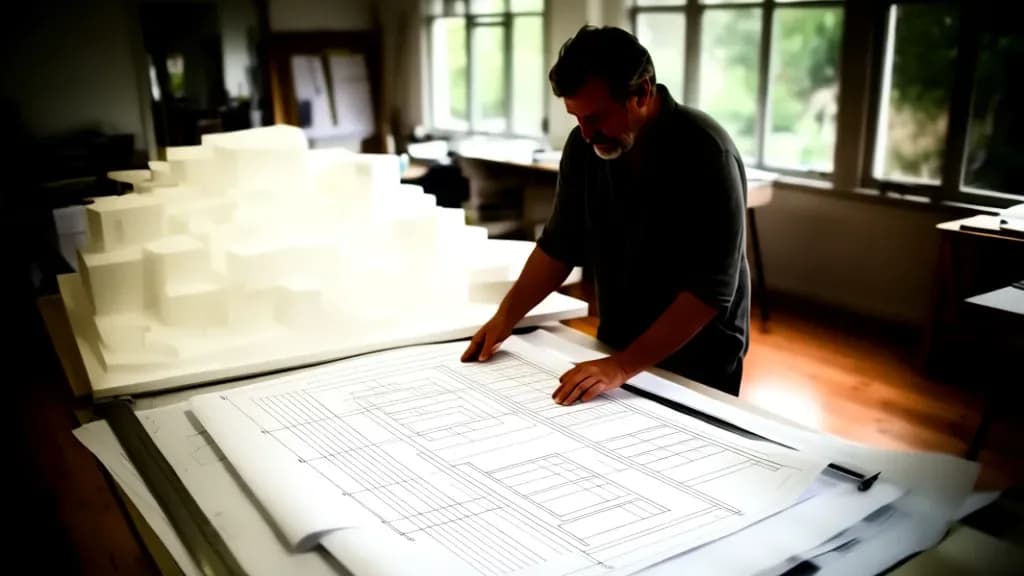
- Architectural Model Maker
- Canoe and Kayak Maker
- Coffee Machine Technician
- Fibre Composite Technician
- Glass Blower
- Hide and Skin Classer
- Irrigation Designer
- Milking Machine Technician
- Parachute Rigger
- Pearl Technician
- Pyrotechnician
- Ski Technician
- Surfboard Maker
- Sail Maker
These are all Skill Level 3 trades requiring AQF Certificate III plus at least two years of on-the-job training, Certificate IV, or three years of relevant experience.
The "nec" code is a real, working migration code — but TRA will check whether your trade could more accurately fit a defined occupation first. Coffee machine technicians, for example, are often pushed back toward Electronic Equipment Trades Worker (342313) or Electrical Equipment Mechanic depending on duties. Fibre composite technicians in aerospace settings sometimes sit closer to Aircraft Maintenance Engineer codes. Get the mapping right at the front end.
When 399999 Is the Right Code
Before nominating 399999, work through the full ANZSCO 4-digit minor groups in 3xxx (Technicians and Trades Workers). If your duties genuinely don't match any 6-digit code, the "nec" is the correct destination. If they do match a specific code, use the specific code — it generally moves faster through both assessment and visa processing.
Genuine 399999 applicants in 2026 typically come from these areas:
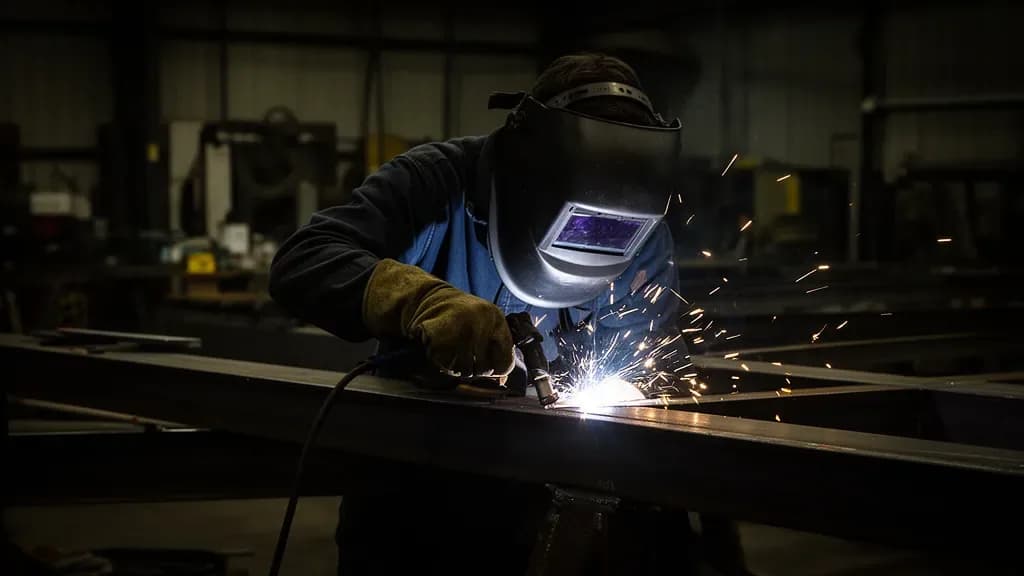
- Fibre composite technicians working in marine fit-out, motorsport, aerospace and renewable energy who build and repair composite structures using carbon fibre, fibreglass and resin systems
- Coffee machine technicians servicing commercial espresso equipment for cafes and roasters — strong demand in Melbourne, Sydney and Brisbane where the cafe sector is concentrated
- Parachute riggers working with skydiving operators and military
- Pyrotechnicians in entertainment, film and event industries
- Specialty craft makers in surfboard, sail, canoe and kayak production for boutique manufacturers
Skills Assessment — Trades Recognition Australia
TRA assesses ANZSCO 399999 across its three standard programs, with extra scrutiny on whether the trade fits a more specific code.
Migration Skills Assessment (MSA)
The standard pathway. TRA reviews your overseas qualification against the Australian equivalent for your specialty (which may be a Certificate III in a defined trade, or a specialised Certificate III/IV in the relevant industry) and confirms 12 months of full-time equivalent work in the last three years.
- Application fee: From AUD $300 (documentary assessment per TRA fee schedule)
- Processing time: Generally finalised within 120 days
- Common rejection reasons: Duties that map more accurately to a defined ANZSCO code (TRA will redirect); insufficient evidence that the specialty trade is a "real" trade and not casual or hobby-level work; missing the 12-month recent-experience window
Offshore Skills Assessment Program (OSAP)
OSAP requires practical and theoretical testing at a recognised facility. Restricted to a published country and occupation list. Most 399999 applicants use MSA because OSAP is rarely configured for the niche specialties this code covers.
Job Ready Program (JRP)
JRP applies to applicants with Australian qualifications. Four steps over 12+ months. Not normally used for offshore applicants nominating 399999.
Visa Pathways
The "nec" code is on the CSOL only — not the MLTSSL. Subclasses 189, 190 and 491 are not available. The pathway is employer-sponsored.
Subclass 482 — Skills in Demand (Core Skills Stream)
The dominant pathway for nec trades.
Key details:
- Visa fee: AUD $4,015 (primary applicant)
- Salary threshold: AUD $76,515 (Core Skills stream, for nominations lodged before 1 July 2026; rising to $79,423 from 1 July 2026)
- Duration: Up to 4 years
- Pathway to PR: Subclass 186 TRT after 2 years
- Reality: Specialty trades like fibre composite work in motorsport or marine pay well above threshold; coffee machine technician roles typically clear it; some niche craft trades may sit closer to the line
Subclass 186 — Employer Nomination Scheme
Permanent residency through employer sponsorship.
Key details:
- Visa fee: AUD $6,140 (primary applicant)
- Streams: Direct Entry or TRT
- Total employer cost: AUD $8,450-$10,450 including nomination fee and SAF levy
Subclass 494 — Skilled Employer Sponsored Regional (Provisional)
If your sponsor is in a designated regional area, the 494 is a 5-year provisional visa with a PR pathway via subclass 191 after three years of qualifying regional residence and income.
- Visa fee: AUD $4,910 (primary applicant)
- Useful for: Marine industry employers on the Sunshine Coast and Gold Coast, motorsport workshops in regional Victoria, agricultural service trades in the central west
State Nomination
ANZSCO 399999 is not on the MLTSSL, so 190 and 491 state nomination is not available for this code. Some regional employer arrangements run through DAMAs — confirm with the relevant regional authority for your prospective employer's location.
Salary and Employment Outlook by Specialty
Because 399999 covers a wide range of trades, salary varies substantially by specialty:
| Specialty | Typical Salary Range (AUD) |
|---|---|
| Coffee Machine Technician | $70,000-$95,000 |
| Fibre Composite Technician (marine / boutique) | $75,000-$100,000 |
| Fibre Composite Technician (motorsport / aerospace) | $90,000-$130,000 |
| Parachute Rigger | $70,000-$90,000 |
| Pyrotechnician (event work, project-based) | $65,000-$110,000+ |
| Architectural Model Maker | $75,000-$95,000 |
| Specialty Craft Maker (surfboard, sail, canoe) | $60,000-$85,000 |
| Milking Machine Technician (agricultural) | $75,000-$95,000 |
Sources: SEEK salary insights for adjacent technician roles (May 2026), industry surveys, and advertised positions. Superannuation at 11.5% sits on top of base. Project-based work (pyrotechnics, event composites) often pays day rates rather than salary; total annual earnings depend on bookings.
Where the work is
Specialty trades cluster by industry rather than geography. Fibre composites concentrate around marine yards on the Gold Coast and Sunshine Coast, motorsport in Melbourne and regional Victoria, and aerospace in Adelaide and Brisbane. Coffee machine technicians follow cafe density — Melbourne first, then Sydney, Brisbane and Perth. Parachute riggers cluster around skydiving operators in regional NSW, Queensland and the Whitsundays. Milking machine technicians work in dairy regions of Victoria, Tasmania and NSW.
Tips for a Successful Application
-
Try the defined codes first. Before settling on 399999, work through every relevant 6-digit code in ANZSCO 3xxx. If a defined code (like 342313 Electronic Equipment Trades Worker, or 392212 Sign Writer, or 393111 Boat Builder and Repairer) matches your duties, use that instead. The "nec" code attracts more TRA scrutiny and slower processing.
-
Write a duty-by-duty employment statement focused on specialty work. Generic "trades technician" descriptions will fail. Be specific about your craft — composite layup schedules, espresso machine boiler servicing, parachute pack-and-inspect cycles, pyrotechnic firing system design. The more specialised your evidence reads, the more credible the nec mapping.
-
Match qualification to specialty. TRA will look at your formal training and ask whether it produced a skilled tradesperson in your nominated specialty. A general technical certificate is weaker evidence than a specialty qualification. If your qualification is broad, lean harder on years of specialty experience and named employer references.
-
Find a sponsor in the specialty. Generic recruiters rarely understand 399999 work. Approach the boutique employers directly — composite shops by name, espresso machine importers and service networks, established skydive operators, theatre and film pyrotechnic firms. The sponsor's familiarity with your specialty is half the battle.
-
Be ready for additional questions on nomination. Home Affairs case officers sometimes query nominations for 399999 to confirm the role genuinely cannot fit a defined code. Your employer's migration agent should pre-empt this with a clear role description and explanation of why no defined code applies. A clean nomination dossier saves weeks.
Step-by-Step Migration Roadmap
- Work through the ANZSCO code finder and confirm no defined 6-digit code fits your duties before settling on 399999
- Verify the code's current status on the CSOL
- Identify your TRA pathway — MSA is the default for offshore applicants
- Compile specialty-specific employment evidence: payslips, tax records, employer letters with detailed craft description
- Lodge the TRA assessment and pay the fee
- Sit your English test — IELTS, PTE or OET — at Competent minimum
- Identify boutique Australian employers in your specialty; approach directly
- Confirm sponsor and a nominated role above the CSIT
- Employer lodges sponsorship and nomination with clear justification for the 399999 mapping
- You lodge subclass 482 via ImmiAccount
- Complete health and character checks
- Receive visa grant and relocate; after 2 years transition to 186 TRT for PR
Frequently Asked Questions
What does "nec" mean in ANZSCO 399999?
"nec" stands for "not elsewhere classified". It is the residual category for Skill Level 3 technicians and trades workers whose specialty does not have its own defined 6-digit ANZSCO code. The code is real and usable for migration, but TRA and Home Affairs scrutinise whether the role could fit a more specific code first.
Which specialties most commonly use ANZSCO 399999?
In 2026, the most common 399999 applicants are fibre composite technicians (marine, motorsport, aerospace), coffee machine technicians, parachute riggers, pyrotechnicians, architectural model makers, milking machine technicians, and specialty craft makers in surfboards, sails, canoes and kayaks. The full ABS indicative list includes more obscure trades like hide and skin classers and pearl technicians.
Can I apply for a 189 or 190 visa with ANZSCO 399999?
No. The code sits on the CSOL only — not the MLTSSL. That removes points-tested subclasses 189, 190 and 491. The realistic visas are 482 (employer-sponsored), 186 (employer-nominated permanent) and 494 (regional employer-sponsored).
Will TRA reject my application if my trade fits a defined code?
TRA may redirect your application toward the more specific code rather than reject outright. This is faster to head off at the front end. Before submitting under 399999, work through the 6-digit codes in your skill level and confirm no defined code applies. The ANZSCO code finder is your starting point.
What evidence does TRA want for niche trades?
For each of the indicative occupations under 399999, TRA wants evidence of formal training (Certificate III equivalent or three years of on-the-job training substituting for the qualification), and 12 months of full-time equivalent work in the trade in the last three years. The duty statement carries unusual weight for nec trades because the code is residual — your specialty has to be clearly defined and clearly skilled.
Will my salary meet the 482 threshold?
Depends on the specialty. Fibre composite technicians in motorsport or aerospace generally clear the AUD $79,423 Core Skills threshold easily. Coffee machine technician roles in the major cities typically clear it. Some boutique craft trades may sit close to the line — confirm the nominated annual earnings with your sponsoring employer before they lodge the nomination.
For broader trade migration context, the skills assessment bodies hub covers TRA's full program scope, and the most in-demand occupations list sets out which trades currently attract the strongest employer interest.