ABN for Visa Holders in Australia: Getting an Australian Business Number in 2026
If you're planning to do any freelance work, drive for Uber, take on contracting gigs, or start a business in Australia, you'll need an Australian Business Number — an ABN. The good news is that getting one is free and takes about 20 minutes online. The more complicated part is understanding when you need one, whether your visa actually allows self-employment, and what tax obligations come with it. This guide covers everything visa holders need to know about ABNs in 2026, from the initial application to lodging your first Business Activity Statement.
What Is an ABN and When Do You Need One?
An ABN is an 11-digit number that identifies your business to the government and to other businesses. It's not the same as a Tax File Number (TFN), which identifies you personally. Think of it this way: your TFN is for your employment income, and your ABN is for your business or self-employment income.
You Need an ABN If You're:
| Activity | ABN Required? | Notes |
|---|---|---|
| Freelancing (design, writing, consulting) | Yes | Even for one-off projects |
| Driving for Uber, Ola, or DiDi | Yes | Classified as self-employment |
| Delivering for DoorDash, Uber Eats | Yes | Same as rideshare |
| Working as a sole trader tradesperson | Yes | Plumber, electrician, builder, etc. |
| Selling goods at markets | Yes | If it's a regular activity |
| Running an online store | Yes | From Australia |
| Doing contract work (not employment) | Yes | Check if you're genuinely a contractor |
| Working a regular job for an employer | No | Your employer handles everything |
You Don't Need an ABN If:
- You're employed by someone else and receive a wage or salary
- You're earning hobby income (genuinely occasional, not for profit)
- You're selling personal items online (cleaning out your closet isn't a business)
Can You Get an ABN on a Visa? Visa Conditions First
Here's the critical question many visa holders skip: does your visa actually allow self-employment? Having work rights doesn't automatically mean you can run a business or work as a contractor.
Visa-by-Visa ABN Eligibility
| Visa Type | Can Get ABN? | Self-Employment Allowed? | Important Conditions |
|---|---|---|---|
| Subclass 482 (TSS) | Yes, but... | Check conditions carefully | Generally tied to your sponsoring employer; self-employment may breach conditions |
| Subclass 189/190 (Skilled PR) | Yes | Yes — unrestricted | No limitations on work type |
| Subclass 491 (Skilled Regional) | Yes | Yes | Must live and work in regional area |
| Subclass 500 (Student) | Yes, but... | Limited | 48 hours per fortnight work cap applies to all work |
| Subclass 417/462 (WHV) | Yes | Yes | 6-month employer limitation doesn't apply to self-employment in the same way |
| Subclass 820/801 (Partner) | Yes | Yes | Full work rights including self-employment |
| Bridging Visa A/C | Depends | If work rights granted | Check visa conditions on VEVO |
The biggest trap: Subclass 482 (Temporary Skill Shortage) visa holders. Your visa is sponsored by a specific employer for a specific role. Working for yourself on the side may breach Condition 8107, which requires you to work only in the nominated occupation for your sponsor. If the Department of Home Affairs discovers unauthorised self-employment, your visa could be cancelled.
Before applying for an ABN, check your visa conditions using VEVO (Visa Entitlement Verification Online) at the Department of Home Affairs website. Look specifically for conditions related to work limitations.
How to Apply for an ABN
The application is free, online, and straightforward — when you have your documents ready.
What You'll Need
| Document | Details |
|---|---|
| Tax File Number (TFN) | Apply through the ATO if you don't have one yet |
| Passport | Current passport linked to your visa |
| Visa details | Subclass number and grant date |
| Australian address | Your residential address |
| Business details | What you'll be doing, when you started |
| Email address | For confirmation and correspondence |
Step-by-Step Application
Step 1: Go to abr.gov.au (the Australian Business Register)
Step 2: Click "Apply for an ABN"
Step 3: Answer the eligibility questions. You'll be asked:
- Why you need an ABN (select "Starting a new business" or similar)
- What type of business structure (most visa holders choose "Sole trader")
- Your personal details and TFN
Step 4: Provide your business details:
- Business name (for sole traders, this is your personal name unless you register a business name)
- Main business activity (describe what you do — e.g., "rideshare driving," "graphic design services," "plumbing contractor")
- Expected start date
- Estimated annual income
Step 5: Submit the application. Many applications are approved immediately. Others may take up to 28 days if additional verification is needed.
Cost: $0. The ABN application is free. If anyone charges you to apply for an ABN, it's a scam.
Do You Need to Register a Business Name?
If you're operating under your own name (e.g., "John Smith" doing freelance graphic design), you don't need a separate business name registration. But if you want to trade under a different name (e.g., "Smith Creative Studio"), you'll need to register it through ASIC (Australian Securities and Investments Commission) for $39 per year or $92 for three years.
GST: When You Must Register
The Goods and Services Tax (GST) is a 10% tax applied to most goods and services sold in Australia. As an ABN holder, you need to understand when GST registration becomes mandatory.
GST Registration Rules
| Situation | GST Registration |
|---|---|
| Annual turnover under $75,000 | Optional |
| Annual turnover $75,000 or more | Mandatory |
| Providing taxi/rideshare services | Mandatory (regardless of turnover) |
| Non-profit with turnover under $150,000 | Optional |
Special rule for rideshare and taxi drivers: If you're driving for Uber, Ola, DiDi, or any other rideshare platform, you must register for GST from your first trip, even if you earn $50 in your first month. This is a specific rule that catches many people off guard.
What GST Registration Means
Once registered for GST, you must:
- Charge 10% GST on your services (include it in your price or add it on top)
- Lodge Business Activity Statements (BAS) — quarterly or monthly
- Pay the GST you've collected to the ATO
- Claim GST credits on business expenses (the GST you've paid on inputs)
BAS Lodgement
A BAS is a form you submit to the ATO reporting your GST collected, GST credits, and PAYG instalments.
| BAS Detail | Quarterly | Monthly |
|---|---|---|
| Lodgement frequency | Every 3 months | Every month |
| Due date | 28th of month after quarter end | 21st of month after |
| Who | Most small businesses | Businesses with $20M+ turnover |
| Common for visa holders | Yes | Rare |
Quarterly BAS due dates:
- Quarter 1 (Jul-Sep): Due 28 October
- Quarter 2 (Oct-Dec): Due 28 February
- Quarter 3 (Jan-Mar): Due 28 April
- Quarter 4 (Apr-Jun): Due 28 July
Pro tip: Use accounting software like Xero, MYOB, or even the ATO's own free tools to track your income and expenses. Trying to do BAS manually with spreadsheets leads to errors and headaches.
Tax Obligations for ABN Holders
Having an ABN changes your tax situation significantly compared to being an employee.
Key Tax Differences: Employee vs ABN Holder
| Aspect | Employee (No ABN) | ABN Holder (Self-Employed) |
|---|---|---|
| Tax withheld from pay | Yes — employer handles PAYG | No — you manage your own tax |
| Superannuation | Employer pays 11.5% | You pay your own (optional but recommended) |
| Tax return | Simple — mostly pre-filled | More complex — business income and deductions |
| BAS lodgement | Not required | Required if GST-registered |
| Deductions | Limited work-related | Broader business deductions |
| Medicare levy | Included in PAYG | Must pay through tax return |
PAYG Instalments
If the ATO expects you'll owe more than $1,000 in tax at year-end, they'll put you on PAYG (Pay As You Go) instalments. This means you'll pay estimated tax quarterly, rather than a lump sum at tax time.
The ATO calculates the amount based on your previous year's income. Your first year won't have PAYG instalments, but expect a potentially large tax bill at the end of the financial year.
Deductions You Can Claim
As an ABN holder, you can deduct legitimate business expenses against your income:
| Expense Category | Examples |
|---|---|
| Vehicle costs | Fuel, maintenance, insurance (rideshare), depreciation |
| Home office | Portion of rent, electricity, internet (if working from home) |
| Equipment | Computer, tools, phone, software |
| Insurance | Public liability, professional indemnity |
| Professional development | Courses, certifications relevant to your work |
| Phone and internet | Business portion of your plans |
| Accounting fees | Tax agent, bookkeeping software |
Keep records of everything. The ATO requires you to keep receipts and records for five years. Use an app like Receipt Bank or simply photograph receipts and store them in a labelled folder.
ABN for Common Visa Holder Activities
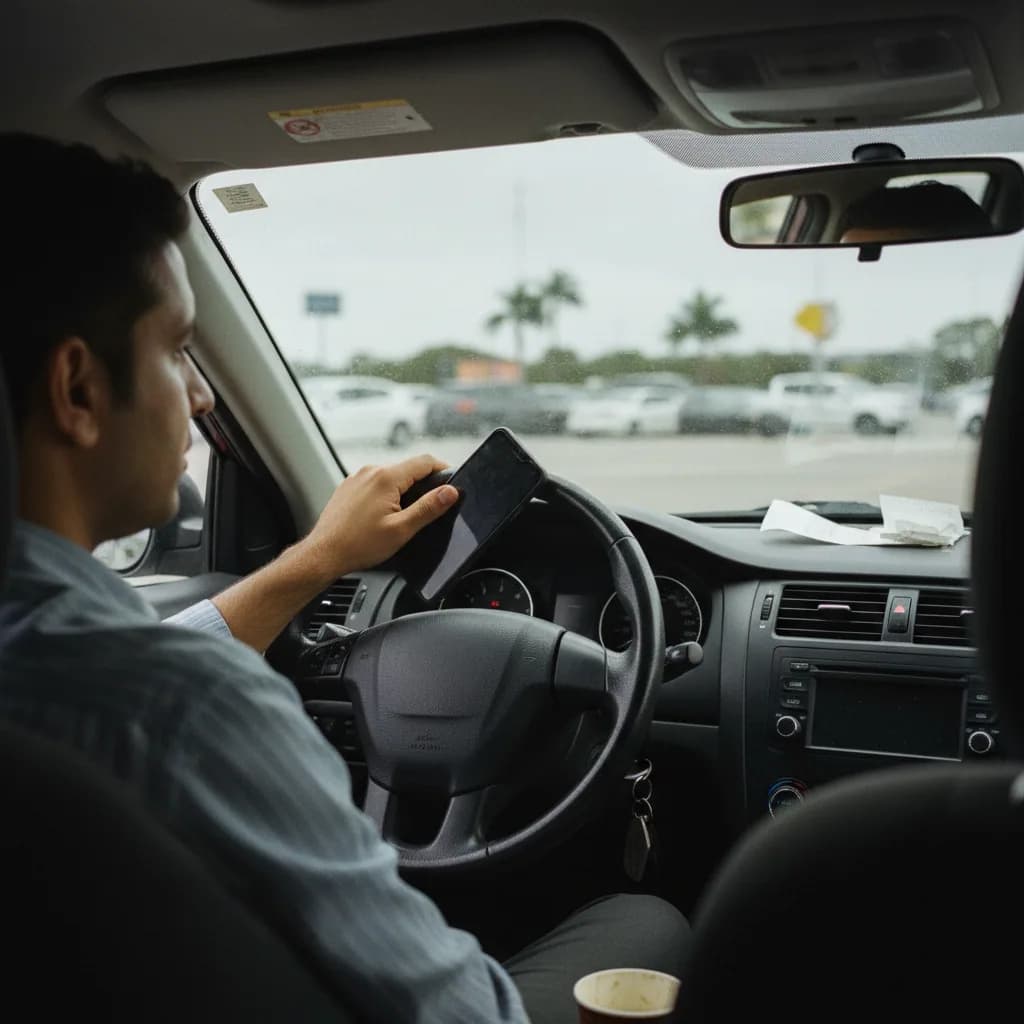
Rideshare and Food Delivery
Rideshare and food delivery are among the most common reasons visa holders get an ABN. If you're driving for Uber, delivering for DoorDash, or doing similar gig work:
- You must have an ABN
- You must register for GST (even if earning under $75,000)
- You're classified as a self-employed contractor, not an employee
- No employer pays your superannuation — you're responsible for your own retirement savings
- You must lodge quarterly BAS returns
- You can claim vehicle expenses, phone costs, and other business deductions
Freelancing and Consulting
Whether you're a graphic designer, web developer, writer, or management consultant:
- Apply for an ABN as a sole trader
- Issue invoices with your ABN (businesses may withhold 47% tax if you don't provide an ABN)
- Register for GST only if earning $75,000+ per year
- Consider professional indemnity insurance
- Check your visa conditions to ensure freelancing is permitted
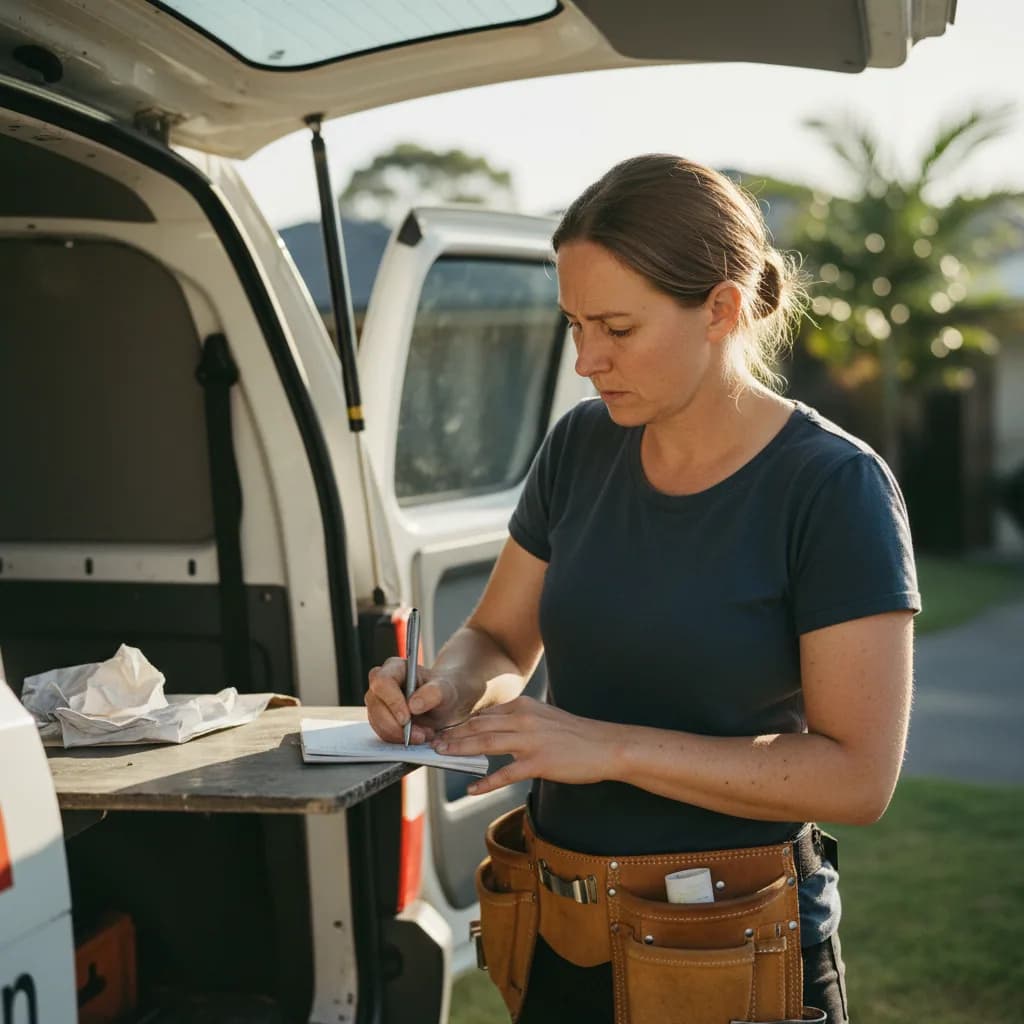
Tradespeople and Contractors
If you're a licensed tradie working as a contractor rather than an employee:
- ABN is essential — construction industry often won't engage you without one
- You may need a Taxable Payments Annual Report
- Ensure your trade qualifications are recognised in Australia
- Public liability insurance is virtually mandatory
- Many clients will ask for your ABN before engaging you
ABN and the Cost of Living
Running your own business through an ABN can be both a financial opportunity and a trap. Unlike employment, there's no guaranteed income, no employer-funded super, and no paid leave.
When calculating whether self-employment is viable, factor in:
- The cost of living in your city
- Superannuation you'll need to self-fund (aim for 11.5% of earnings)
- Income tax you'll need to set aside (30-40% of earnings as a rough guide)
- GST if registered (10% of revenue, offset by credits)
- No Centrelink safety net during the NARWP period
Golden rule: Set aside at least 30% of every dollar you earn through your ABN for tax. Put it in a separate bank account and don't touch it.
Cancelling Your ABN
If you stop operating a business, change visa status, or leave Australia, you should cancel your ABN.
How to cancel:
- Go to abr.gov.au
- Log in with your myGovID
- Select "Cancel ABN"
- Provide the cancellation date
- Lodge any outstanding BAS returns
- Lodge your final tax return including business income
If you're leaving Australia and want to claim your superannuation through DASP, make sure your tax affairs are in order first. Outstanding BAS debts can complicate your departure.
Frequently Asked Questions
Can I have an ABN and also work as an employee for someone else?
Yes, absolutely. Many people in Australia have both regular employment and an ABN for side income. Your employer handles your employment tax and super, while you manage your ABN income separately. Just be aware that your total income from both sources determines your tax bracket. Also verify that your visa conditions permit both activities.
What happens if I don't charge GST when I should?
If you're required to be registered for GST (turnover over $75,000 or providing rideshare/taxi services) and you fail to register, the ATO can backdate your registration and issue penalties. You'd owe 10% of all revenue earned since you should have registered, plus potential penalties and interest. It's not worth the risk — register proactively if you're approaching the threshold.
Can I use my ABN to sponsor a visa?
An ABN alone doesn't qualify you to sponsor a visa. Sponsoring a worker on a Subclass 482 requires an approved Standard Business Sponsorship (SBS), which has its own requirements around business size, turnover, and genuine need for the position. However, having a successful ABN-based business can demonstrate your establishment in Australia if you're applying for certain visas yourself.
Do I need to pay super if I'm self-employed with an ABN?
If you're a sole trader, you're not legally required to pay yourself super. However, it's strongly recommended. You can make personal contributions to a super fund and claim a tax deduction for them. If you don't contribute, you're essentially funding your current lifestyle at the expense of your retirement. If you later return home, you can claim your super through DASP. The current annual cap for deductible (concessional) contributions is $30,000.
How quickly can I get an ABN?
Most ABN applications are processed immediately, and you'll receive your ABN number within minutes of submitting the online form. Some applications require manual review and can take up to 28 days. If you need an ABN urgently (for example, to start a rideshare job), apply as early as possible. The application is free and there's no disadvantage to having an ABN you don't immediately use.