Technical Director Visa Pathway to Australia: Complete 2026 Guide
Updated: 16 August 2026
Australia classifies Technical Director under ANZSCO 212317, a Skill Level 1 occupation assessed by VETASSESS. The code appears on both the Core Skills Occupation List (CSOL) and the Short-term Skilled Occupation List (STSOL), opening subclass 190, 491, 482 and 186 visas. Typical 2026 salaries run AUD $130,000-$210,000, among the higher bands in the media-professional group. The role directs the technical production of broadcast and live media.
Quick Facts: Technical Director Migration Pathway
| Detail | Information |
|---|---|
| ANZSCO Code | 212317 (Technical Director) |
| Skill Level | 1 (Bachelor degree or higher, or five years of relevant experience) |
| Skills Assessment | VETASSESS (Vocational Education and Training Assessment Services) |
| Occupation List | CSOL and STSOL |
| Visa Options | 190, 491, 482, 186 |
| Demand Level | Moderate — niche but well-paid broadcast and media role |
| Salary Range | AUD $130,000-$210,000 (Indeed, PayScale, ERI, 2026) |
| Typical 189 Score | Not applicable — occupation is not on the 189 list |
| Key Challenge | A small specialist field; sponsorship often beats the points route |
What a Technical Director Does in Australia
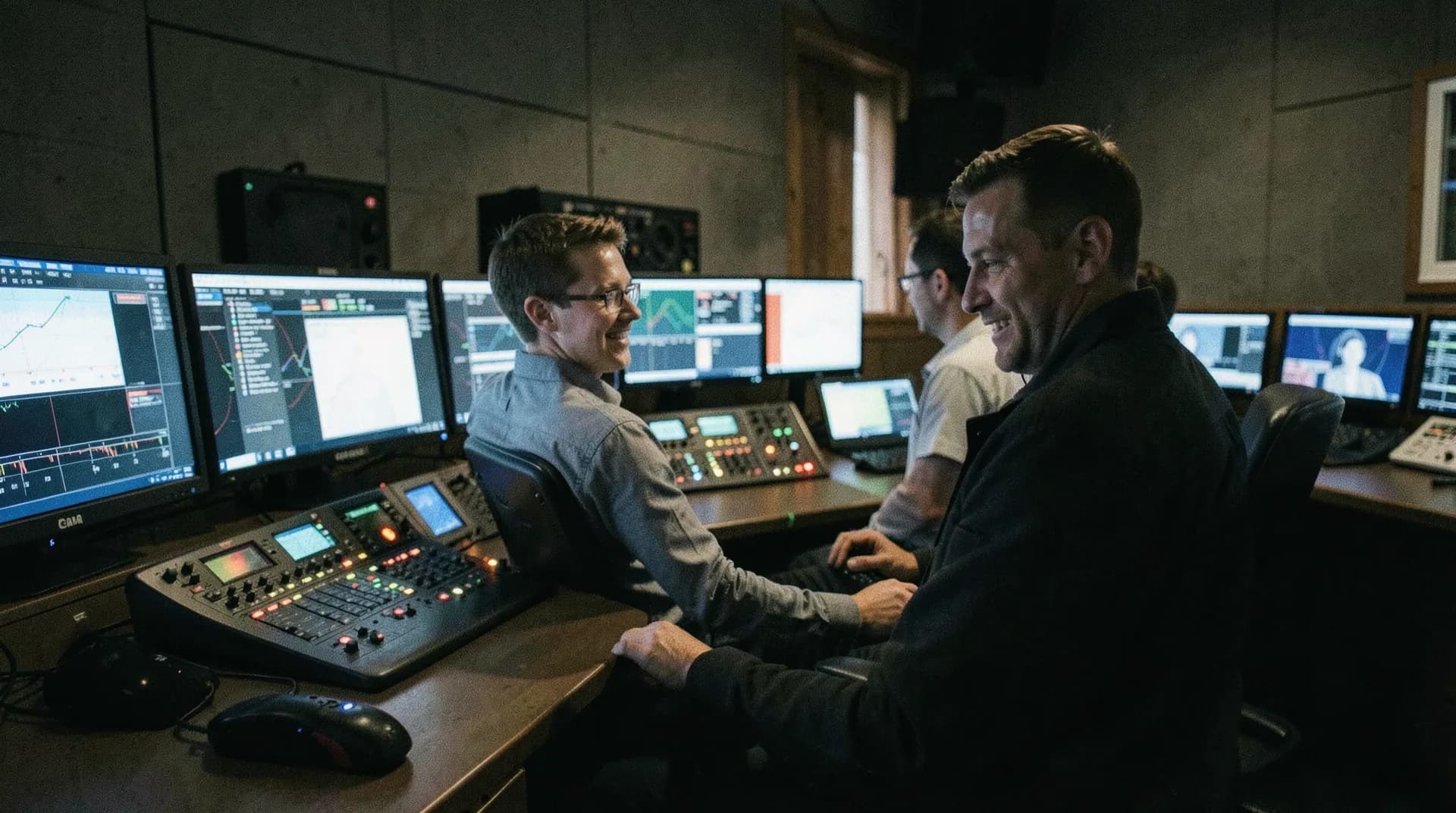
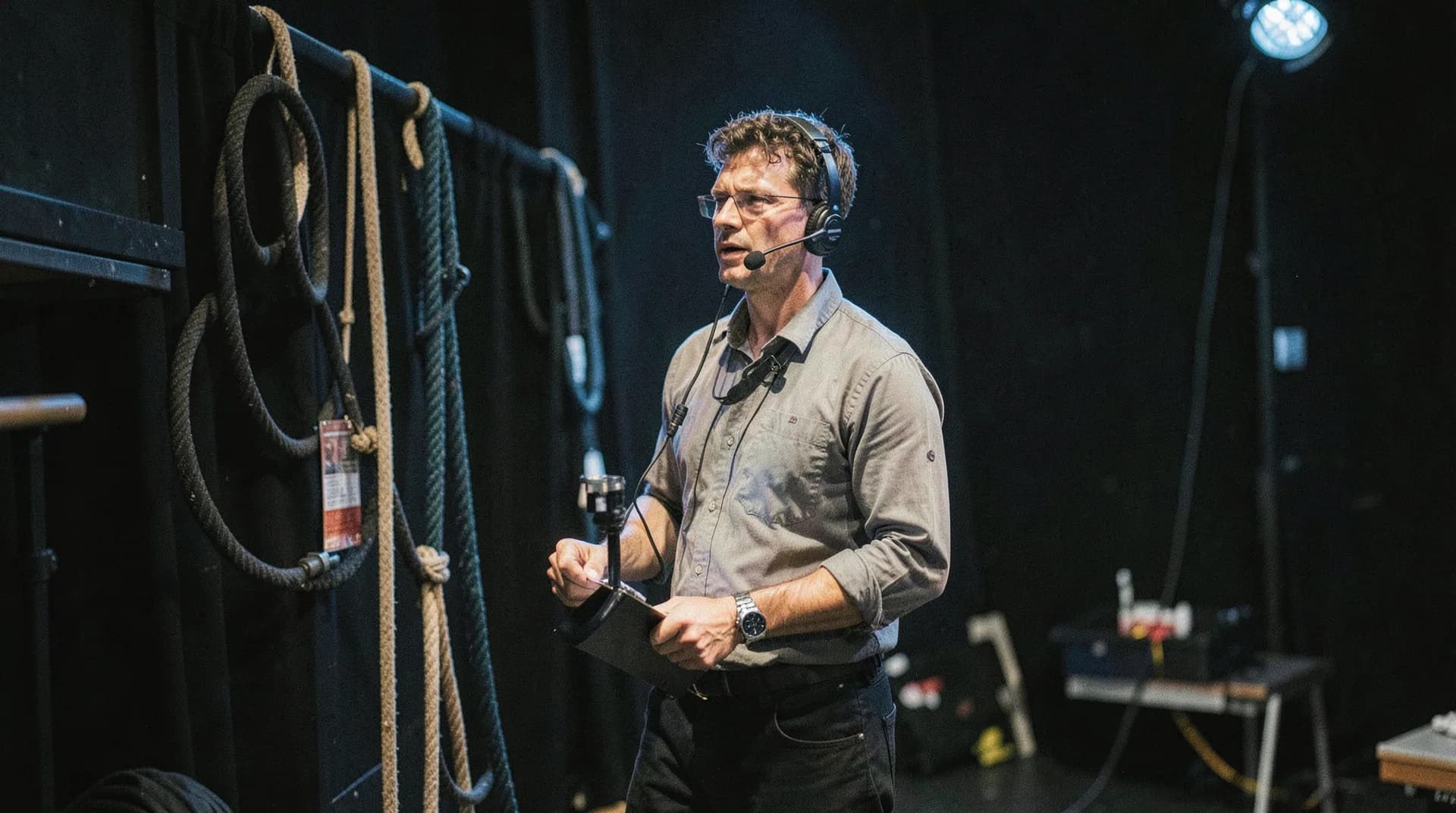
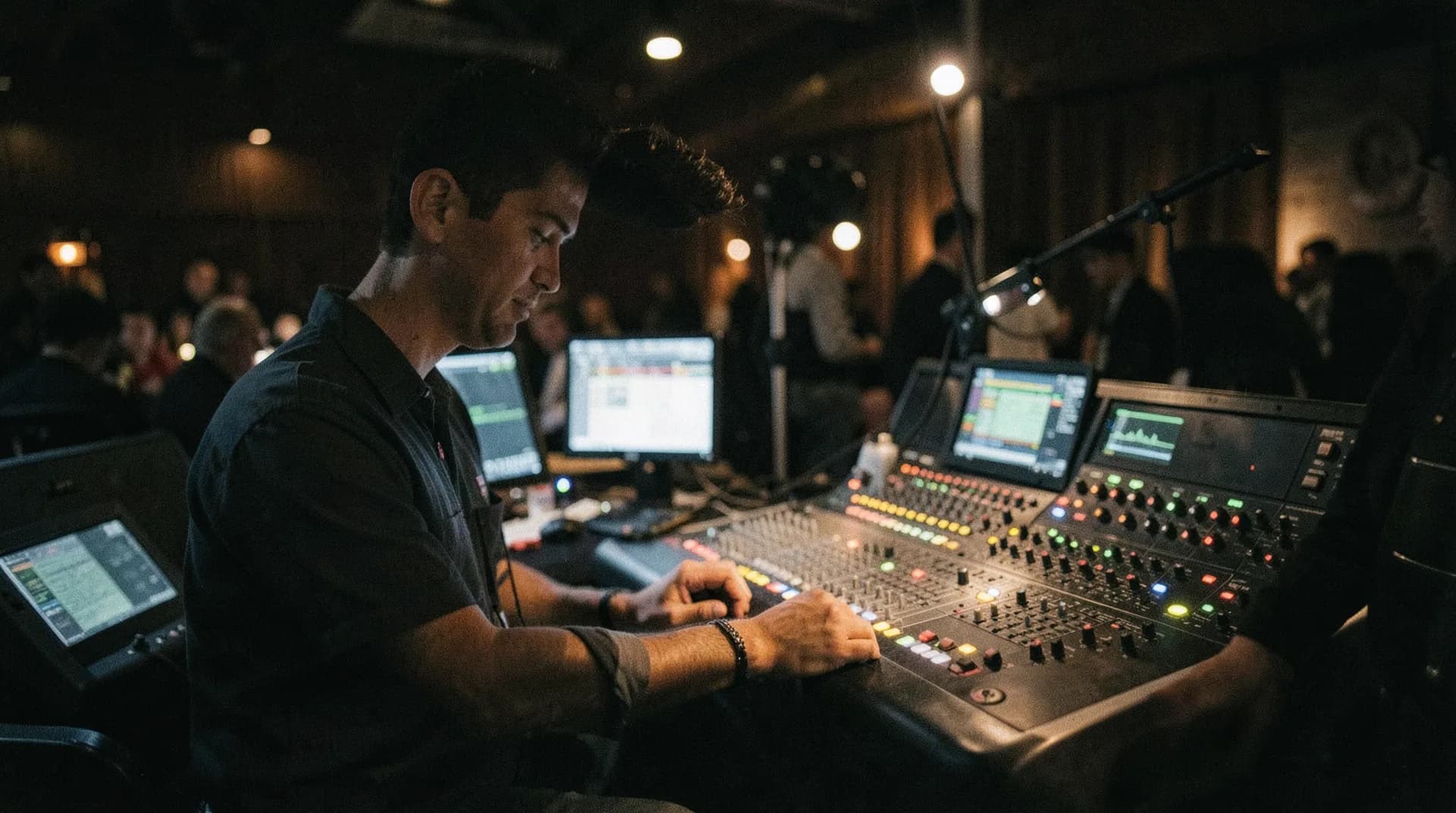
A Technical Director leads the technical side of media production. In broadcasting, the role directs the technical crew during a programme, assigns equipment operation, evaluates picture and sound quality, and works from the script to plan the technical requirements of each production. In live events and theatre, the technical director oversees the engineering of staging, rigging, lighting and audio-visual systems and signs off on their safe operation. The role sits between the creative vision and the equipment that delivers it.
The Australian market spans television and radio broadcasting, live events and touring, theatre, and increasingly streaming and digital production. The major employers include the national broadcasters ABC and SBS, the commercial networks, large production and outside-broadcast companies, the major state performing-arts companies, and the events and entertainment firms behind concerts and corporate productions. Sydney and Melbourne hold most senior roles, with the Gold Coast film and television precinct and major event hubs adding demand.
This is a small but well-paid field. Salaries sit at the top of the media-professional group because the role carries safety, budget and quality responsibility across complex technical systems. The points-tested independent visa is closed, so most applicants move through state nomination or, more often given the salary levels, employer sponsorship.
ANZSCO Code 212317 Explained
ANZSCO 212317 sits inside the 2123 "Media Professionals" minor group, alongside Program Director and related broadcast roles. The indicative tasks include directing the technical production team, assigning equipment operation, assessing broadcast picture and sound quality, analysing scripts to determine technical needs, and collaborating with creative staff.
Technical Director overlaps with engineering and production roles, so applicants should confirm their duties match the media-technical definition rather than a broadcast engineer or production manager code. Use the ANZSCO code finder to compare descriptions before lodging.
Skills Assessment: VETASSESS
VETASSESS assesses Technical Director as a Group B occupation, requiring a qualification comparable to an Australian bachelor degree or higher, plus relevant employment.
Highly relevant field of study: Radio and Television Broadcast Technology, which prepares individuals to apply technical knowledge to the production of radio and television programmes.
The four assessment pathways:
- A highly relevant bachelor degree, plus at least one year of post-qualification highly relevant employment in the last five years.
- A degree in any field, plus a highly relevant diploma, plus two years of post-qualification highly relevant employment.
- A degree without a highly relevant major, plus three years of post-qualification highly relevant employment.
- Any bachelor degree, plus six years of total employment, with at least one year of highly relevant employment in the last five years.
All pathways require at least 20 hours of paid work per week.
Assessment cost: AUD $1,096 plus GST for the standard skills assessment. Onshore applicants pay AUD $1,205.60 including GST (VETASSESS fee schedule, effective 22 October 2025).
Processing time: Around seven weeks for standard processing. Priority processing returns an outcome in roughly 10 business days for an extra AUD $825.
Common rejection reasons: The frequent failure is evidence that reads like a technician or operator role rather than a director. VETASSESS wants to see that you directed the technical team and held responsibility for technical quality, not that you operated a single piece of equipment.
Visa Pathways for Technical Directors
ANZSCO 212317 sits on the CSOL and the STSOL but not the MLTSSL, so the independent 189 visa is closed.
Subclass 482 — Skills in Demand Visa (Core Skills stream)
For a high-salary role like this, employer sponsorship is often the cleanest route, so it leads here.
- Visa fee: AUD $3,210 (primary applicant, Core Skills stream).
- Salary requirement: Must meet the Core Skills Income Threshold of AUD $76,515 or the market rate, whichever is higher. Technical director salaries clear this comfortably and often exceed the Specialist Skills Income Threshold of AUD $141,210.
- Quirk that matters: Where the offered salary exceeds AUD $141,210, the Specialist Skills stream of the 482 may apply, which can carry faster processing.
Subclass 190 — Skilled Nominated Visa
A state or territory nominates you, adding five points, for permanent residency.
- Visa fee: AUD $6,140 (primary applicant).
- Points boost: +5 from state nomination.
- Quirk that matters: Media-technical codes appear on state lists only at certain times. Confirm the current state list before lodging an expression of interest.
Subclass 491 — Skilled Work Regional (Provisional) Visa
A regional state or territory nominates you, adding 15 points. A five-year provisional visa with a path to permanent residency. Visa fee AUD $6,140.
Subclass 186 — Employer Nomination Scheme
Permanent residency through employer sponsorship, via Direct Entry or Temporary Residence Transition. Visa fee AUD $6,140. For a sponsored technical director, the 482 to 186 sequence is a common route to permanent residency.
Points Test Strategy
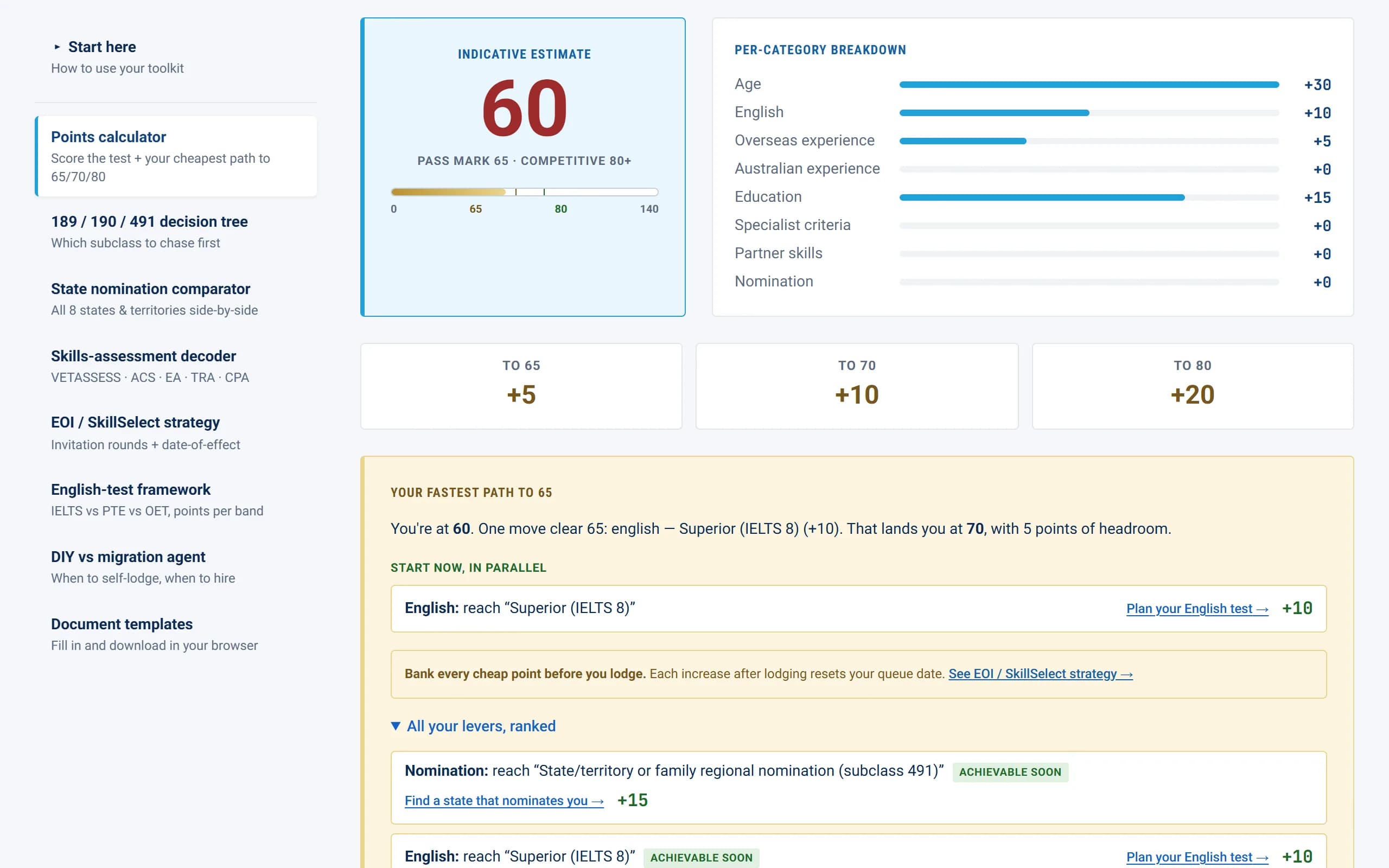
The 190 and 491 routes use the points test. A technical director draws points from age, qualifications, English and skilled employment, plus the nomination points.
| Points Factor | Points | Notes |
|---|---|---|
| Age (25-32) | 30 | Maximum bracket |
| Qualification (Bachelor) | 15 | Broadcast technology degree |
| Qualification (Master/PhD) | 15-20 | Higher degrees score more |
| English (Proficient — 7.0) | 10 | Realistic target |
| English (Superior — 8.0+) | 20 | Strong points lift |
| Skilled Employment (overseas, 8+ years) | 15 | Document directing duties |
| State Nomination (190) | 5 | If nominated |
| Regional Nomination (491) | 15 | If nominated |
| Partner Skills | 5-10 | If partner qualifies |
Realistic Score Scenarios
Scenario 1: A 31-year-old technical director with a relevant degree, Superior English and eight years of experience scores roughly 30 + 15 + 20 + 15 = 80 points. A 190 nomination lifts this to 85.
Scenario 2: A senior 36-year-old with a relevant degree and Proficient English may score around 25 + 15 + 10 + 15 = 65 points. Given the strong salaries in this field, employer sponsorship through the 482 is frequently the better route than chasing points.
State Nomination
Technical Director is a niche media code, and not every state lists it each year. Availability depends on the current state and territory occupation lists, which are reviewed annually. Check the relevant state page directly before committing to a 190 or 491 expression of interest. Broadcast and event-technical demand concentrates in New South Wales and Victoria, with the Queensland film and television precinct on the Gold Coast adding roles.
Salary and Employment Outlook
| Role | Typical Salary Range |
|---|---|
| Technical Director (broadcast/events, mid) | AUD $130,000-$160,000 |
| Senior Technical Director | AUD $160,000-$190,000 |
| Head of Technical / Lead TD (major production) | AUD $190,000-$210,000+ |
Salary sources for 2026 vary by methodology: Indeed reports an average near AUD $138,000, while PayScale and ERI place the figure above AUD $185,000, and Glassdoor higher still. Cross-checked, the working range sits at AUD $130,000-$210,000, with senior and head-of-technical roles at the top. The variation reflects the spread between broadcast staff roles and senior live-events positions.
Total packages add superannuation at 11.5 per cent, and senior roles in events and touring may include allowances. The highest pay sits with the commercial networks, large outside-broadcast and events companies, and major production houses. This is one of the better-paid media-professional codes, which makes the 482 Specialist Skills stream relevant for the top salary band.
Tips for a Successful Application
- Prove you directed, not operated. The most common assessment failure is evidence that reads like a technician role. Your references must show you led the technical team and owned technical quality and safety.
- Quantify the productions and crew. State the scale of the productions, the size of the technical team you directed, and the systems you were responsible for. Specifics outweigh titles.
- Lead with employer sponsorship. Given salaries that often exceed the Specialist Skills Income Threshold, the 482 is frequently faster and cleaner than the points route. Target networks, production houses and major event companies.
- Check whether the Specialist Skills stream applies. If your nominated salary exceeds AUD $141,210, the Specialist Skills stream of the 482 may be available, which can mean quicker processing.
- Maximise English points if pursuing 190 or 491. In a small occupation, Superior English can decide an invitation in a niche-code round.
Step-by-Step Migration Roadmap
- Confirm your role maps to ANZSCO 212317 using the ANZSCO code finder.
- Check the current STSOL and CSOL to confirm the listing.
- Gather your degree documents and detailed employment references describing directing duties.
- Sit an English test, aiming for Superior where possible.
- Lodge the VETASSESS skills assessment (AUD $1,096 plus GST).
- Secure an employer offer for the 482 or 186, or submit an expression of interest in SkillSelect for the 190 or 491.
- Apply for state or regional nomination where the code is available.
- Have the employer lodge the nomination if pursuing sponsorship.
- Receive your invitation or nomination and lodge the visa.
- Complete health and character checks.
- Receive the visa grant and relocate.
- If on a 482, work toward the 186 Temporary Residence Transition stream, or if on a 491, toward the subclass 191.
Frequently Asked Questions
Can a Technical Director apply for the subclass 189 visa?
No. ANZSCO 212317 is on the CSOL and the STSOL but not the Medium and Long-term Strategic Skills List, so the independent 189 visa is not available. The routes are the employer-sponsored 482 and 186 and the state-nominated 190 and 491.
Is the Specialist Skills stream of the 482 available for this role?
It can be. The Specialist Skills stream applies where the nominated salary meets the Specialist Skills Income Threshold of AUD $141,210 or the market rate, whichever is higher. Senior technical director salaries often exceed this, which can make the stream available and may mean faster processing. Confirm the threshold and current settings with Home Affairs before lodging.
How is a Technical Director different from a broadcast engineer?
A Technical Director directs the technical production team and owns technical quality, safety and planning across a production. A broadcast engineer focuses on the design and maintenance of equipment and systems. The duties in your references must match the directing role for a positive VETASSESS assessment under 212317.
Which states nominate Technical Directors in 2026?
This varies by program year, since the occupation is niche and state lists are reviewed annually. Check the current state nomination page before lodging an expression of interest. Demand concentrates in New South Wales and Victoria, with additional roles around the Queensland film and television precinct.
Do I need a broadcast technology degree to qualify?
A bachelor degree in Radio and Television Broadcast Technology is the cleanest pathway, but applicants with a degree in another field can still qualify through the additional experience pathways, including the three-years and six-years options. In every case, the references must show genuine technical directing duties.