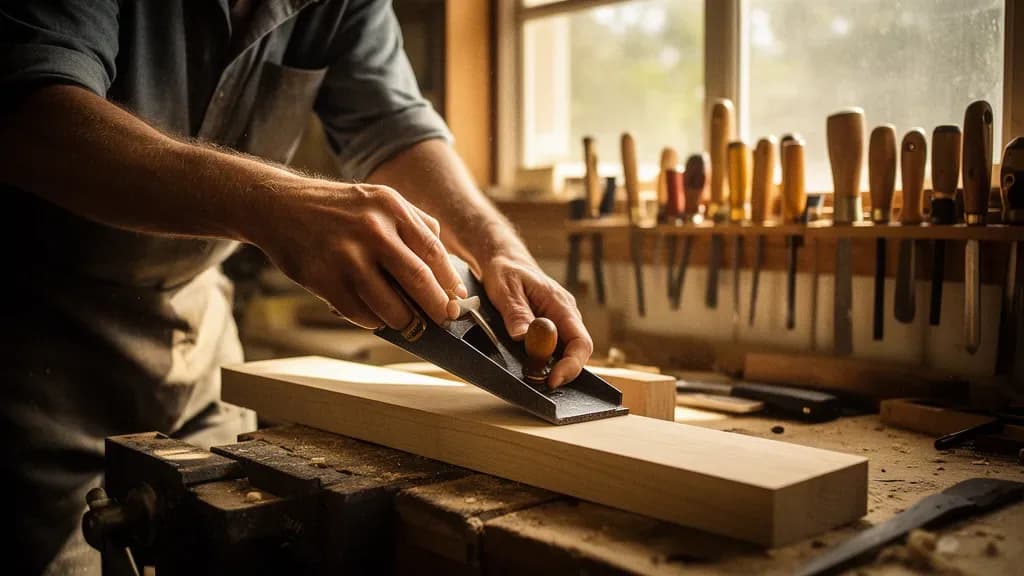
Wood Machinist Visa Pathway to Australia: Complete 2026 Guide
Updated: 16 August 2026
Australia classifies the Wood Machinist trade under ANZSCO 394213. Trades Recognition Australia (TRA) conducts the Migration Skills Assessment. The occupation sits on the Core Skills Occupation List and the STSOL, unlocking subclasses 190, 491, 482, and 186. Typical 2026 salaries range AUD $60,000-$90,000. Demand is strongest in cabinetry, furniture, and joinery manufacturing across NSW and Victoria.
Quick Facts: Wood Machinist Migration Pathway
| Detail | Information |
|---|---|
| ANZSCO Code | 394213 (Wood Machinist) |
| Skill Level | 3 (AQF Certificate III or IV, plus 2 years on-the-job training) |
| Skills Assessment | TRA (Trades Recognition Australia) |
| Occupation List | CSOL and STSOL |
| Visa Options | 190, 491, 482, 186 |
| Demand Level | High — Skill Level 3 trades have the lowest national fill rate (54%) |
| Salary Range | AUD $60,000-$90,000 (SEEK 2026, Jora 2026) |
| Typical 189 Score | Not applicable — 394213 is not on the MLTSSL |
| Key Challenge | TRA full MSA pathway requires both qualification recognition and demonstrated current industry experience |
What a Wood Machinist Actually Does in Australia
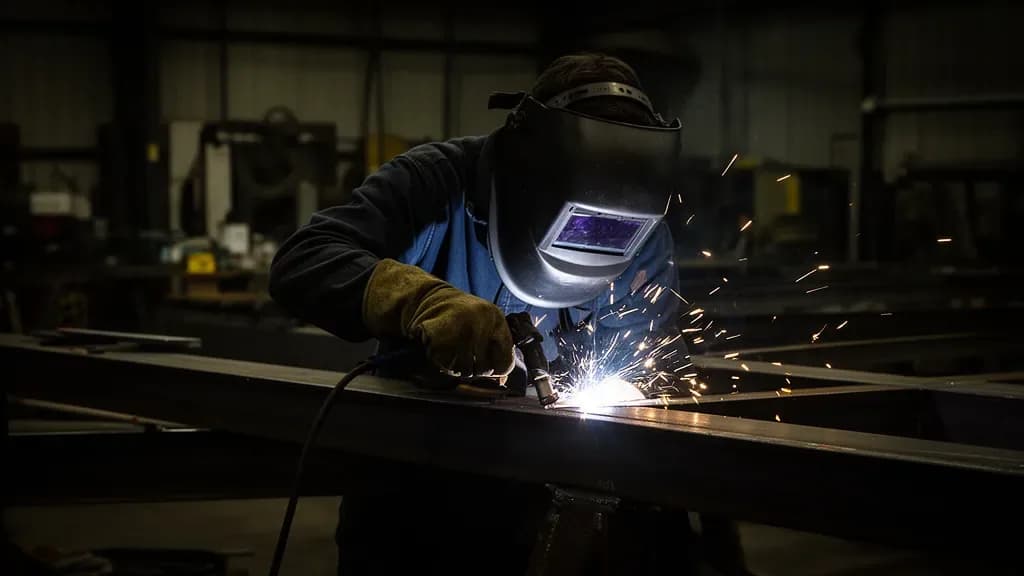
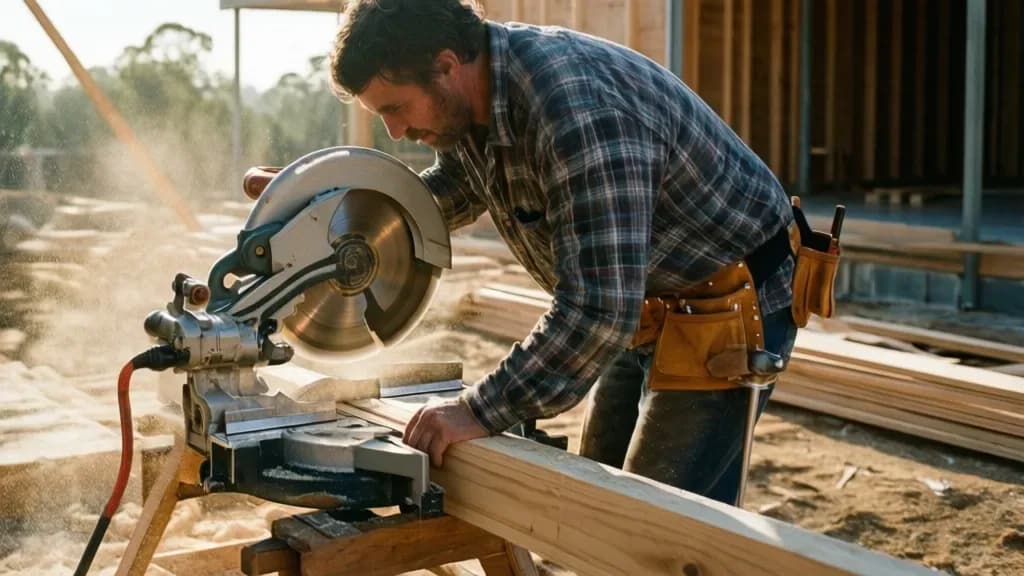
A Wood Machinist operates timber-cutting and shaping machinery to produce components for furniture, joinery, cabinetry, and structural timber products. The role covers spindle moulders, four-siders, CNC routers, edgebanders, panel saws, and tenoners. Employers expect the holder to read shop drawings, set tolerances, sharpen and change tooling, and run quality checks on finished components.
The work concentrates in three sectors. First, the furniture and cabinet-making industry, which is heavily based in Melbourne's outer south-east and Sydney's western suburbs. Second, prefabricated joinery for the residential construction pipeline — kitchens, wardrobes, staircases, architectural windows. Third, the engineered wood products sector (CLT, glulam, LVL) which is expanding as multi-storey timber building gains traction in Australia.
Wood Machinist sits inside ANZSCO Unit Group 3942 (Wood Machinists and Other Wood Trades Workers), alongside Cabinetmaker (394111) and Joiner (394212). Migrants whose duties straddle two of these codes should choose the one that matches the majority of their work — TRA assessors flag mismatched evidence.
ANZSCO Code Mapping
The official ANZSCO description for 394213 covers setting up and operating wood-working machines to dress, shape, and finish wood and wood-substitute products. Typical tasks include:
- Setting up and operating machines such as spindle moulders, planers, sanders, and CNC routers
- Selecting timber and timber substitutes for specific jobs
- Sharpening and replacing cutting blades, bits, and tooling
- Producing wood components to specifications using shop drawings
- Inspecting finished work for defects and dimensional accuracy
- Maintaining machines and recording production data
If your day-to-day is primarily hand-finishing custom furniture, Cabinetmaker (394111) is the better code. If you fit out staircases, doors, and windows on construction sites, Joiner (394212) applies. The 394213 code is for machinery-led production work — high-volume cutting, moulding, and shaping using fixed industrial wood-working equipment.
Skills Assessment — Trades Recognition Australia
TRA is the designated assessing authority for all 394xxx wood trades. For Wood Machinist (394213), most offshore migrants apply through the Migration Skills Assessment (MSA) pathway.
Migration Skills Assessment (MSA)
The MSA evaluates whether your overseas qualification and work experience match Australian Certificate III in Timber and Composites Machining (or equivalent training package outcome) and Australian industry standards.
Requirements:
- An AQF-comparable trade qualification (Certificate III or higher in wood-working, joinery, cabinet-making, or carpentry-related fields)
- Three years of paid full-time post-qualification employment as a Wood Machinist
- Current skills demonstrated through at least 12 months of employment in the role within the last three years
- Evidence: contracts, payslips, tax records, supervisor statements, photographs of work, machine logs
Assessment cost: TRA fees start from approximately AUD $300 for offshore MSA applications; the full MSA Applicant Guidelines specify the exact fee schedule for each program component. Applicants from countries without a strong AQF-equivalence pathway often need the Offshore Skills Assessment (additional cost) where a TRA assessor verifies skills in person or via video.
Processing time: TRA aims to finalise MSA applications within 120 days from online submission. Processing extends when external verification of training records is required.
Common rejection reasons: insufficient evidence of current skills (the 12-month rule trips up applicants who worked as a Wood Machinist five years ago but moved into supervision); employment references that describe carpentry or general site work rather than machine operation; qualifications from training providers that TRA cannot verify.
Visa Pathways for Wood Machinists
Subclass 482 — Skills in Demand Visa (Dominant Route)
Wood Machinist appears on the Core Skills Occupation List, which means employer-sponsored 482 visas are the most reliable pathway. Cabinet-making and joinery manufacturers regularly sponsor experienced overseas machinists when they cannot fill local vacancies.
- Visa fee: AUD $3,210 (primary applicant, Core Skills stream)
- Nomination fee paid by employer: AUD $330
- SAF levy: AUD $1,200 per year (small business) or AUD $1,800 per year (turnover above AUD $10 million)
- Salary threshold: Core Skills Income Threshold (currently AUD $76,515; rising to AUD $79,499 from 1 July 2026)
- Duration: Up to 4 years
- Processing: 1-3 months for the Core Skills stream when documents are complete
Most furniture and joinery employers slot Wood Machinist into the Core Skills stream rather than the Specialist Skills stream — base salaries do not typically reach the AUD $141,210 Specialist threshold.
Subclass 190 — Skilled Nominated Visa
Wood Machinist is on the STSOL, so the 190 is open through state nomination. NSW and Victoria are the realistic options given where wood-working industry sits.
- Visa fee: AUD $6,140
- Points boost: +5 from state nomination
- Processing: 6-12 months for most applications
- Obligation: Live and work in the nominating state for two years
- Quirk: NSW prioritises Construction-sector occupations for 2025-26, and wood machining feeds the construction supply chain — applicants tied to a NSW employer offer letter or family connection score higher in the NSW nomination matrix.
Subclass 491 — Skilled Work Regional Visa
Five-year provisional regional visa with a pathway to permanent residency through subclass 191.
- Visa fee: AUD $6,140
- Points boost: +15 from regional nomination
- Processing: 90% of applications decided within 15-28 months (Home Affairs, April 2026)
- Regional opportunity: Tasmania's expanded onshore list and South Australia's wood manufacturing cluster (Mt Gambier, Murray Bridge) make the 491 viable for Wood Machinists willing to commit to regional living
Subclass 186 — Employer Nomination Scheme
Permanent residency through employer sponsorship — either Direct Entry (for applicants outside Australia or with limited 482 service) or the Transition stream (after 2+ years on a 482 with the same employer).
- Visa fee: AUD $6,140
- Nomination fee paid by employer: AUD $540
- SAF levy paid by employer: AUD $3,000 (small business) or AUD $5,000 (turnover above AUD $10 million)
- Direct Entry requirement: Three years of post-qualification work experience plus successful TRA assessment
The 186 is the natural next step after a 482 — many cabinetry and joinery firms openly use the 482-then-186 sequence to retain trained machinists.
State Nomination for Wood Machinists
New South Wales
NSW has confirmed 2,100 subclass 190 places and 1,500 subclass 491 places for 2025-26. Construction is one of three priority sectors, alongside Care and Support and Digital and Cyber. Wood Machinists who can show direct supply-chain links to NSW construction projects (production for a Sydney commercial joinery firm, for example) are well-placed. The Sydney furniture cluster around Smithfield, Wetherill Park, and Penrith is the largest concentration of relevant employers.
Victoria
Victoria's 2025-26 program allocates 2,700 subclass 190 places and 700 subclass 491 places. The state has openly prioritised construction trades following invitation rounds in late 2025. Victoria does not publish its own occupation list — instead, it nominates from the national CSOL/SOL. Melbourne's south-east (Dandenong, Cranbourne) is dense with cabinet-making, furniture, and joinery factories.
Tasmania
Tasmania expanded its Onshore Skilled Occupation List for 2025-26, adding 17 occupation groups and 78 new occupations. The state has 1,200 subclass 190 places and 650 subclass 491 places. Wood Machinists with offers from Tasmanian timber and furniture employers (Britton Timbers, Tasmanian Special Timbers, smaller bespoke furniture houses) can use the regional pathway with a strong points boost.
South Australia
South Australia includes a broad set of trade and manufacturing occupations on its skilled lists. Mount Gambier is a hub for softwood processing and engineered timber, and Adelaide's manufacturing precincts have a steady demand for cabinet and joinery machinists.
Salary and Employment Outlook
What Wood Machinists Earn in 2026
| Role | Typical Salary Range (AUD) |
|---|---|
| Entry-level Wood Machinist (1-3 years) | $49,000-$55,000 |
| Experienced Wood Machinist (4-7 years) | $65,000-$80,000 |
| Senior / Lead Machinist | $80,000-$95,000 |
| CNC Wood Machinist (programming + operation) | $75,000-$100,000 |
| Production Supervisor | $95,000-$130,000 |
| Casual / hourly rate | $32-$48 per hour |
Source: SEEK Salary Hub 2026, Jora 2026, ERI SalaryExpert 2026. SEEK lists the national average for Wood Machinist roles at AUD $77,287. Sydney and Melbourne salaries sit roughly 6-10% above the national average; Perth and regional rates sit below.
Total packages typically add 11.5% superannuation, with overtime and weekend loadings common in production environments running multiple shifts.
Highest-Demand Sectors
- Custom kitchen and joinery manufacturing — the largest single employer category
- Furniture manufacturers producing for major retailers (Nick Scali, Freedom, IKEA local production)
- Engineered timber products — CLT, glulam, LVL producers servicing multi-storey timber construction
- Architectural millwork — high-end residential and commercial fit-out
- Caravan and recreational vehicle joinery — strong demand in QLD and VIC
Jobs and Skills Australia classes Skill Level 3 trades (which includes Wood Machinist) as the hardest single category to recruit, with a national fill rate of 54.3%. That is the demand context. The construction pipeline and the ongoing housing shortage are sustaining furniture and joinery output even as broader manufacturing flattens.
Tips for a Successful Application
1. Document Your Machine Hours
TRA assessors care about what machines you have run and for how long. A reference letter that simply says "operated wood-working machinery" is weak. A letter that itemises specific machines (Weinig moulder, Biesse CNC router, Altendorf panel saw), output volumes, and tooling responsibilities is strong. Ask your supervisor to be specific.
2. Show the Last 12 Months Clearly
The 12-month current-skills rule is the most common reason TRA queries Wood Machinist applications. If you have moved into supervision or quality control recently, your evidence must still show hands-on machine operation in the last three years. Production photographs, machine logs, and dated work samples help.
3. Map Your Code Before You Pay
Wood Machinist (394213), Cabinetmaker (394111), and Joiner (394212) all have different evidence expectations. Read each ANZSCO description before applying. If your career has been mainly bench joinery for staircases and doors, Joiner is the better code — applying as a Wood Machinist with joinery evidence will fail.
4. Plan Around the Salary Threshold
The Core Skills Income Threshold rises to AUD $79,499 from 1 July 2026. Wood Machinist base salaries can sit below that figure outside Sydney and Melbourne. If you are negotiating a 482 sponsorship offer, the gross base wage (excluding super, overtime, and allowances) must meet the threshold. Some employers structure offers as a base of $80,000-$82,000 to clear the line with room.
5. Use Regional Pathways
Wood manufacturing concentrates in regional Australia — Tasmania, South Australia's south-east, Victoria's Gippsland, NSW's Hunter and Riverina. The 491 with +15 points and Tasmania's expanded onshore list are realistic and underused options for Wood Machinists.
Step-by-Step Migration Roadmap
- Confirm your code is Wood Machinist (394213) — review the ANZSCO code finder carefully
- Check the current CSOL and SOL position to confirm 394213 visa eligibility
- Gather qualification documents — trade certificates, transcripts, apprenticeship records
- Gather employment evidence — references, payslips, tax records, machine logs, work photographs
- Prepare your TRA Migration Skills Assessment application — review the skills assessment guide
- Sit your English test (IELTS, PTE, or equivalent — Functional English minimum for trades visas)
- Lodge TRA MSA and wait for the 120-day decision
- If pursuing employer sponsorship — secure a 482 nomination from a CSOL-listed employer
- If pursuing state nomination — submit Expression of Interest in SkillSelect and apply to NSW, VIC, TAS, or SA
- Receive invitation and lodge the visa within 60 days
- Complete health and character checks
- Receive grant and relocate
Frequently Asked Questions
Is Wood Machinist on the MLTSSL or PR-direct list?
No. Wood Machinist (394213) sits on the Core Skills Occupation List and the STSOL, but it is not on the MLTSSL. This means the subclass 189 (Skilled Independent) visa is not available for this occupation. The available pathways are 190 (state-nominated PR), 491 (regional provisional), 482 (employer-sponsored temporary), and 186 (employer-sponsored PR).
How is Wood Machinist different from Cabinetmaker for migration purposes?
Both are assessed by TRA and both appear on the CSOL. The difference is in evidence. Cabinetmaker (394111) covers building custom cabinets, often with bench-work and hand-finishing. Wood Machinist (394213) is machine-led — production work using moulders, routers, CNC equipment, and panel saws. Choose the code that matches the majority of your duties, and make sure your reference letters describe those duties in the right language.
Can I get an Australian visa as a Wood Machinist without a formal trade qualification?
TRA's standard MSA pathway requires a qualification comparable to an AQF Certificate III. Applicants without formal qualifications can sometimes pursue the Offshore Skills Assessment, which evaluates skills through workplace assessment and portfolio review — but this is a longer and more costly route. Most successful Wood Machinist applicants hold a recognised national trade certificate from their home country.
Which states actually invite Wood Machinists?
NSW, Victoria, Tasmania, and South Australia have a track record of nominating wood trades under their 190/491 programs. Queensland and Western Australia run more selective nomination programs and have not consistently invited Wood Machinists. Tasmania's 2025-26 list expansion is the most permissive current pathway, particularly for the 491.
What is the demand outlook for Wood Machinists in 2026?
Strong. Jobs and Skills Australia ranks Technicians and Trades Workers as the category with the most persistent shortages — 51% of all shortage occupations sit in this group. Wood Machinist demand is driven by the construction pipeline (kitchens and joinery for new homes), the engineered timber building movement, and the steady replacement need as the existing workforce ages out. Australia is not training enough domestic Wood Machinists to meet either demand.
How do I get the most-in-demand occupations ranking advantage?
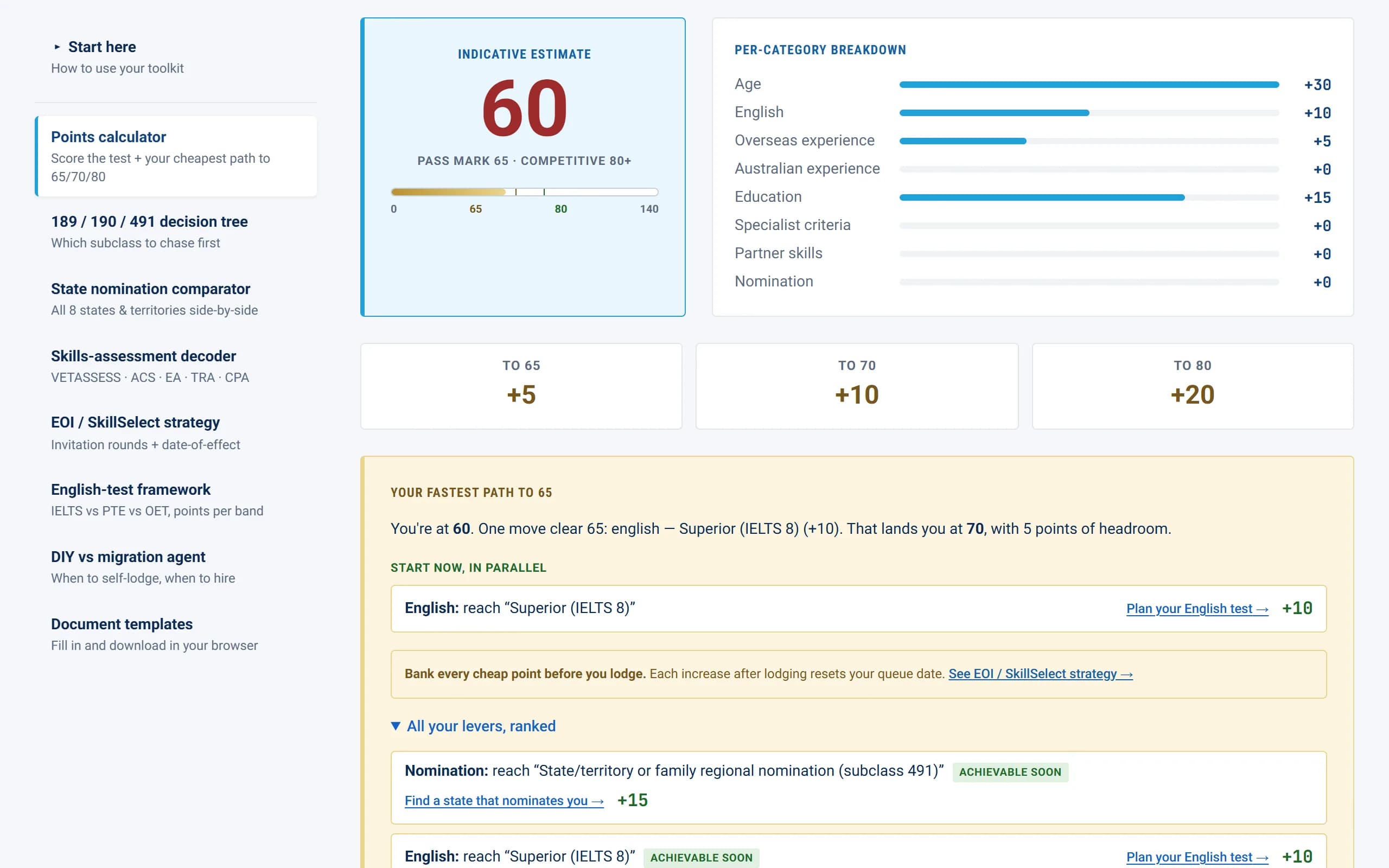
The CSOL inclusion is the main driver. Beyond that, having an offer in writing from a CSOL-listed sponsor, scoring Proficient or Superior English, and securing a regional location offer (491) all materially lift the practical chances of an invitation in 2026.