Working Holiday Visa Australia for US Citizens: 2026 Guide
Updated: 25 June 2026
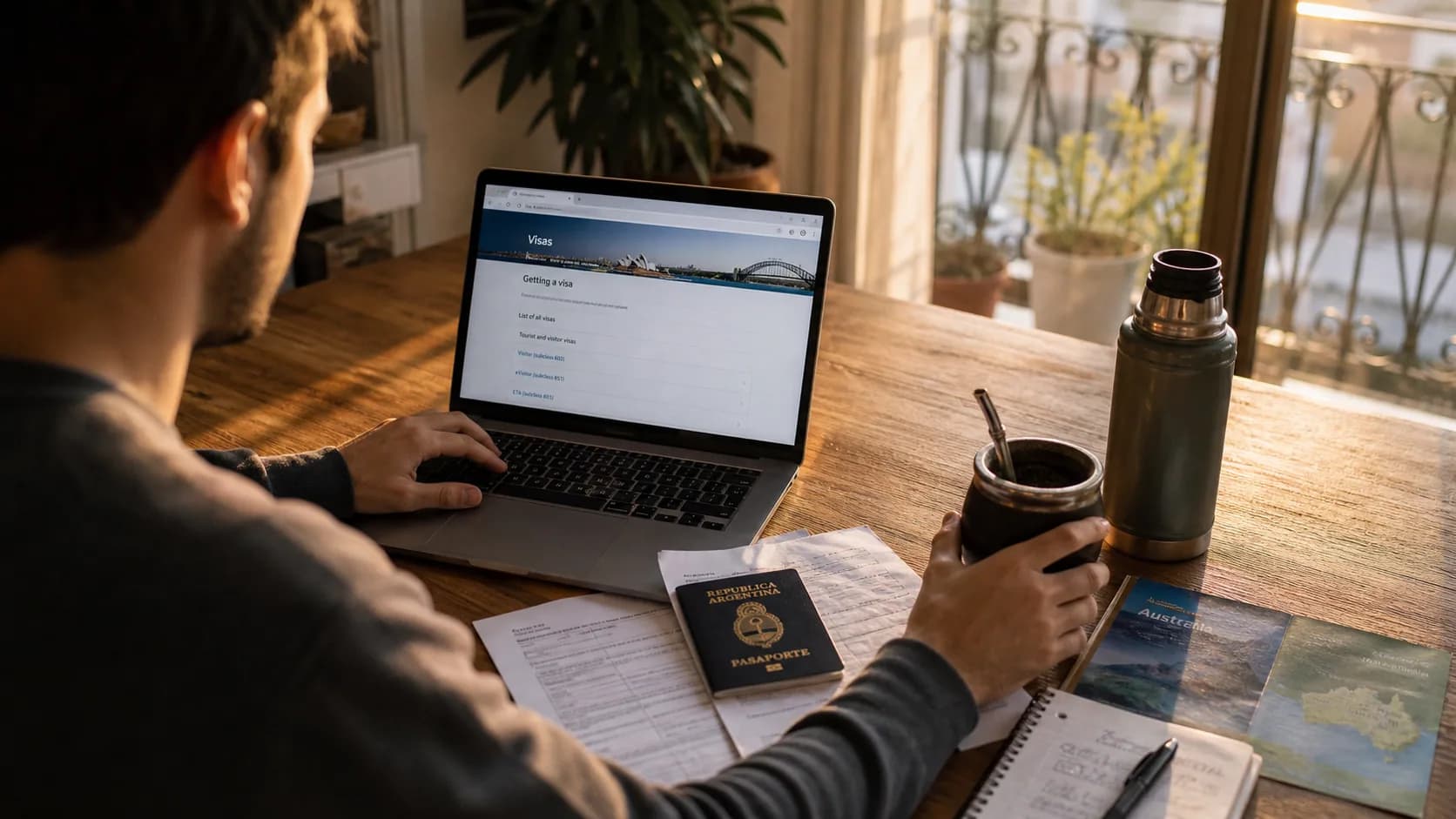
US passport holders apply for the Work and Holiday visa under subclass 462, not the 417. American applicants must meet a tertiary-study requirement and an age band, but face no English-test hurdle. The visa grants twelve months in Australia with full work rights, a six-month limit per employer, and second and third-year extensions through specified regional work.
Australian Visa Online is an independent guide, not a government service and not affiliated with the Department of Home Affairs. We explain the rules in plain English; you lodge through your own ImmiAccount.
Quick Facts: Working Holiday Visa for US Citizens
| Detail | Information |
|---|---|
| Visa subclass | 462 (Work and Holiday), not 417 |
| Programme name | Work and Holiday visa (the US is not on the Working Holiday 417) |
| Age limit | 18 to 30 inclusive at the time of application |
| Tertiary qualification | Required — evidence of post-secondary study |
| English requirement | None for US passport holders |
| Annual cap | A US-specific cap applies; see every country eligible for the WHV |
| Visa duration | 12 months from first entry |
| Second-year extension | Specified regional work in year one |
| Third-year extension | Further specified regional work in year two |
| Application channel | ImmiAccount, lodged from outside Australia |
| Visa charge & timing | See fees schedule and processing times |
Why US Citizens Are on the 462, Not the 417
Australia runs two parallel working-holiday programmes, and which one applies to you depends entirely on your passport. Understanding the split is the single most important thing for an American applicant, because almost every "working holiday Australia" article online describes the 417 — and that is not your visa.
- Subclass 417 (Working Holiday) covers countries with long-standing reciprocal arrangements: the UK, Ireland, Canada, several European nations, and others. These applicants face no tertiary-study requirement and, in many cases, no annual cap.
- Subclass 462 (Work and Holiday) covers a different list of partner countries — including the United States — and adds conditions the 417 doesn't have, most notably a tertiary-education requirement and, for some nationalities, English evidence or government support letters.
The United States has always sat on the 462 side of the split. The practical consequences for US citizens are:
- You need post-secondary study. This is the biggest difference from the 417 and the most common reason American applications stumble. You generally need to have completed, or be partway through, tertiary education. See the subclass 462 breakdown for what counts.
- No English test. Because English is the language of the United States, US passport holders are exempt from the IELTS-style evidence some other 462 nationalities must provide.
- A cap exists. The 462 programme allocates a set number of places per partner country each year. The US allocation has historically been generous and rarely the bottleneck, but it is not unlimited the way UK 417 grants are. Lodge early in the programme year if you can.
- No government support letter for the US. Some 462 countries require a letter of support from their own government. American applicants do not.
For a side-by-side, see subclass 417 vs 462: the difference explained.
Eligibility for US Citizens
To qualify for the subclass 462 Work and Holiday visa as an American, you'll generally need:
| Requirement | What it means for US applicants |
|---|---|
| US passport | The visa is for citizens. A US green-card holder who is not a US citizen does not qualify on the US allocation. |
| Age 18–30 | You must be at least 18 and not yet 31 at the time you apply. You can stay past your 31st birthday once granted. |
| Tertiary study | Evidence of completed post-secondary education, or successful completion of at least two years of an undergraduate degree. |
| No accompanying dependents | You can't bring dependent children. A partner may apply for their own visa separately. |
| Sufficient funds | Evidence you can support yourself on arrival, plus the means to buy an onward or return ticket. |
| Character & health | A clean character record; a police clearance may be requested. Health checks may apply depending on your circumstances. |
| First 462 only | Your first Work and Holiday visa is granted offshore. Don't attempt to lodge your first one from inside Australia. |
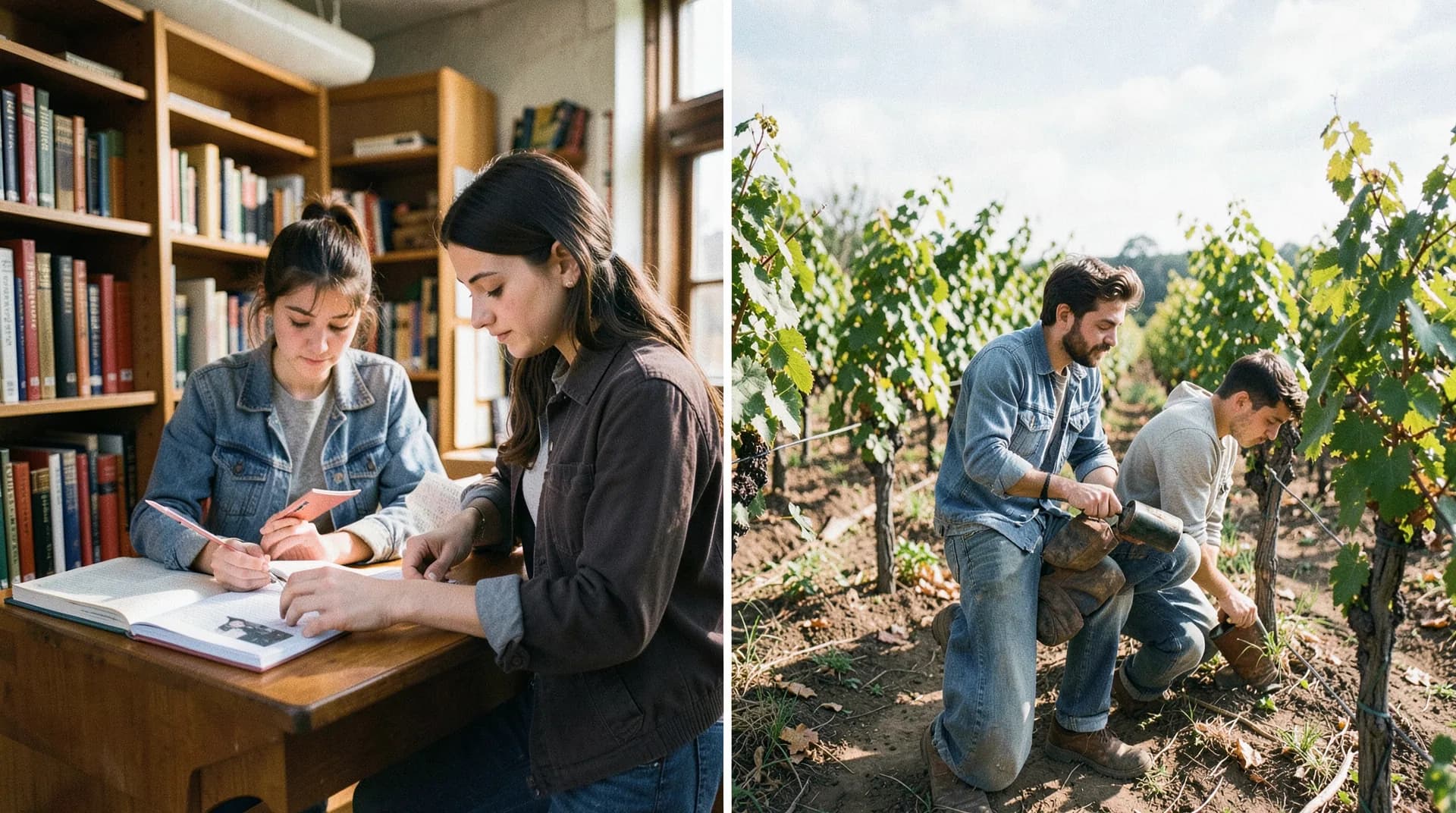
The tertiary-study condition trips up more US applicants than anything else. A high-school diploma alone is not enough for the 462. If you completed college, that's straightforward. If you're still studying, partial completion of an undergraduate degree can satisfy it — check the current wording on the 462 guide before you assume.
What the 462 Lets You Do
Once granted, the Work and Holiday visa gives American holders broad rights for twelve months:
- Work for any Australian employer, with a six-month limit per employer. The limit is per employer, not per job — and certain regional sectors carry exemptions.
- Study or train for a capped period over the life of the visa.
- Travel in and out of Australia as many times as you like during the twelve-month period.
- Apply for a second-year 462 from inside Australia after completing the required period of specified regional work during year one.
- Apply for a third-year 462 after a further period of specified work during year two.
The six-month-per-employer rule is the most misunderstood condition for Americans. It restricts how long you can work for the same employer, not how many different jobs you can take. Some sectors — including parts of aged care, healthcare, agriculture and tourism in northern and remote Australia — carry permanent or temporary exemptions. Always confirm the current exemption list before relying on one.
How to Apply (US Citizens)
- Confirm you meet the tertiary-study and age requirements. This is where US applications most often fall over, so verify it first.
- Gather your evidence: US passport, proof of post-secondary study (transcripts or a degree certificate), evidence of funds (recent bank statements), and a return-ticket plan.
- Create or sign in to your ImmiAccount.
- Lodge a new subclass 462 application from outside Australia. You can be anywhere in the world when you apply — just not physically in Australia — for your first grant.
- Pay the visa charge. Amounts change with fee-schedule reviews, so confirm the current figure on the complete fees schedule before paying.
- Complete any health or character steps if the Department requests them.
- Wait for the grant, then enter Australia within the validity window. The twelve-month stay clock starts on your first entry, not on the grant date. For current timing, see the processing times guide.
What American Applicants Need to Know
The 462 is flexible once you clear the tertiary-study gate. You don't need a job offer to apply, you don't need to know where you'll live, and you don't need a fixed route through the country. Many US holders fly into Sydney, Melbourne or Cairns, stay a couple of weeks, and sort out work and housing on the ground.
Sectors that reliably absorb American working-holiday workers:
- Hospitality: Bars, cafes and restaurants across every major city and tourist hub — Sydney, Melbourne, the Gold Coast, Byron Bay, Cairns, and the wine regions of South Australia and Victoria.
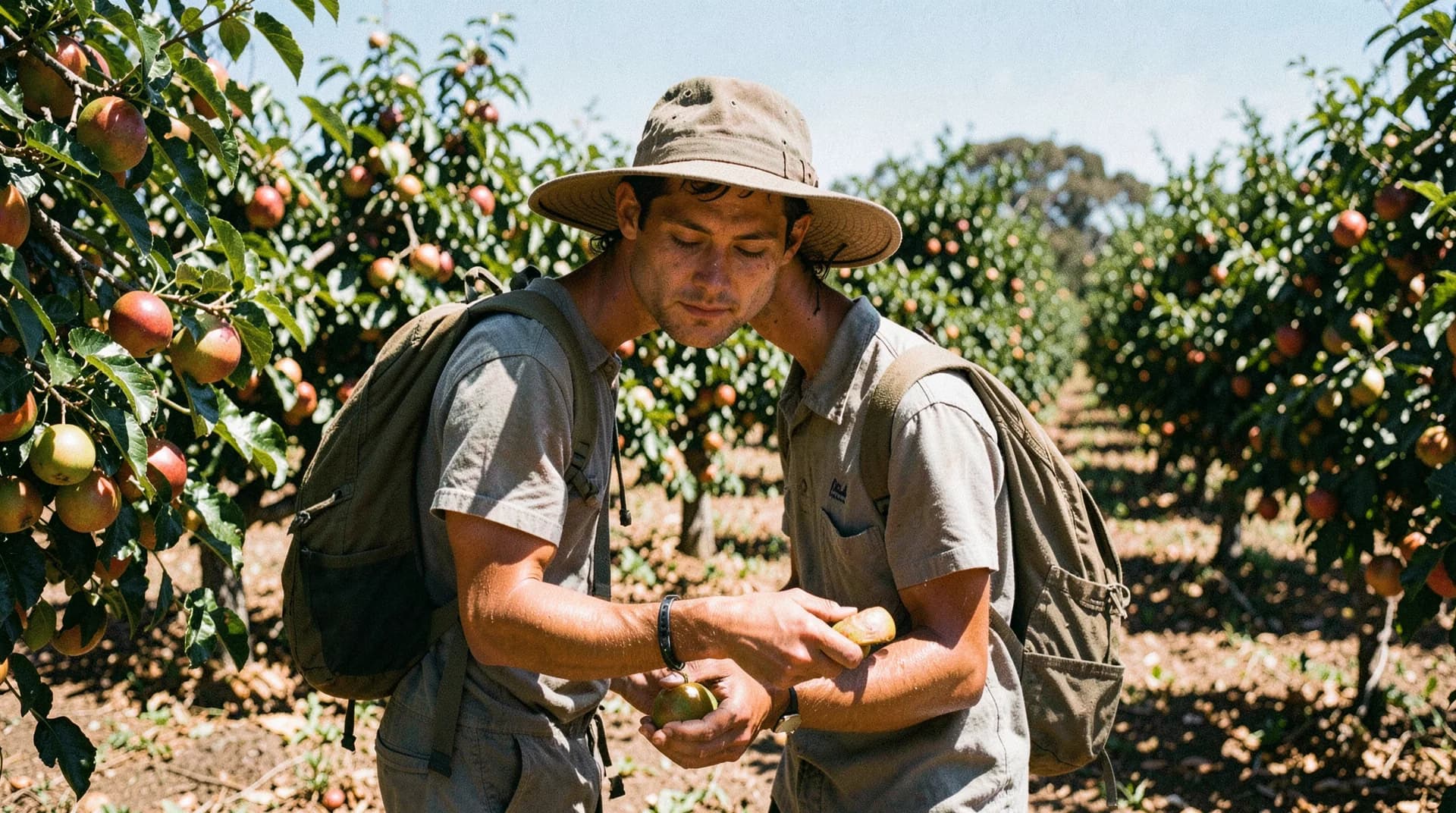
- Agriculture: Fruit picking, packing and harvest work. This is frequently the route Americans take for second-year eligibility, because much specified regional work sits in agriculture.
- Tourism and outdoor adventure: Dive instruction on the reef, ski-season work in the Victorian and NSW alps, hostel and tour-operator roles.
- Retail and customer service: Year-round demand in metropolitan areas.
- Construction and trades: Strong rates for ticketed and white-card-holding workers.
A few practical notes that catch US applicants out:
- You'll need an Australian tax file number (TFN) before you can be paid properly. Apply online once you have an Australian address.
- US citizens remain subject to US tax filing on worldwide income even while in Australia. Your Australian working-holiday earnings may need to be reported on your US return; the US–Australia tax treaty and foreign-earned-income rules can affect what you actually owe. This is unique to American applicants and worth a quick chat with a cross-border tax adviser.
- Travel insurance isn't a formal 462 condition, but the US has no reciprocal healthcare agreement with Australia the way the UK does — meaning Medicare won't cover you. Carry comprehensive insurance for the full stay.
- The specified work that unlocks a second year must be in eligible industries, in eligible regional postcodes, and paid at least at the legal minimum. Cash-in-hand arrangements don't count, even with proof you worked.
Common Pitfalls for US Applicants
Assuming you're on the 417. You're not. Almost every "working holiday Australia" guide describes the 417, which doesn't apply to Americans. Build your plan around the 462 from day one.
Skipping the tertiary-study requirement. A high-school diploma alone won't satisfy the 462. Confirm your post-secondary study qualifies before you lodge — this is the top refusal trigger for US applicants.
Applying onshore for the first 462. You can't. First-time applications must be lodged from outside Australia.
Working over six months for the same employer without an exemption. The condition sits on you, not your employer. Breaching it can put your second-year eligibility at risk.
Counting specified work that doesn't qualify. It must be in a specified industry, in an eligible postcode, paid at award minimums, and documented through payslips and a tax record. The Department audits this.
Ignoring US tax obligations. American citizens file US taxes on worldwide income. Don't discover this at filing season — plan for it before you go.
Letting the visa lapse without a transition plan. If you want to stay longer, your routes include a second-year 462, an employer-sponsored visa, a skilled visa, a student visa, or a partner visa. Plan the move at least three months before your 462 expires.
Frequently Asked Questions
Do US citizens use the 417 or the 462 Working Holiday visa?
US citizens apply for subclass 462, the Work and Holiday visa. The United States is not on the subclass 417 Working Holiday programme. The 462 adds a tertiary-study requirement that the 417 doesn't have, but US passport holders are exempt from any English-language test.
What is the age limit for US Work and Holiday visa applicants?
You must be at least 18 and not yet 31 — that is, 18 to 30 inclusive — at the time you apply. Unlike some 417 nationalities that negotiated an extended upper age, the US allocation uses the standard upper limit of 30. You can remain in Australia past your 31st birthday once the visa is granted.
Do American applicants need a college degree?
Not necessarily a completed degree, but you do need to meet the tertiary-study requirement. Completed post-secondary education qualifies, and successful completion of at least two years of an undergraduate degree can also satisfy it. A high-school diploma alone is not enough. See the subclass 462 guide for current wording.
Is there a cap on US Working Holiday visas?
Yes. The 462 programme allocates a set number of places per partner country each year, and the United States has an annual allocation. It has historically been generous and rarely the bottleneck, but it is not unlimited. Lodging early in the programme year is the safe move. See every country eligible for the WHV.
Can US citizens extend to a second or third year?
Yes. Complete the required period of specified regional work during year one to qualify for a second-year 462, then a further period of specified work during year two for a third year. The work must be in eligible industries and eligible regional postcodes, paid at minimum award rates, and properly documented.
How much does it cost and how long does it take?
The visa charge changes with fee-schedule reviews, so check the current figure on the complete fees schedule. Timing varies by case; the processing times guide has current expectations. Clean US applications are generally straightforward once the tertiary-study evidence is in order.