Airconditioning and Refrigeration Mechanic Visa Pathway to Australia: Complete 2026 Guide
Updated: 16 August 2026
Australia classifies Airconditioning and Refrigeration Mechanic under ANZSCO 342111. Trades Recognition Australia (TRA) conducts the skills assessment, and OSAP is mandatory for offshore applicants because this is a licensed trade. The occupation is on the MLTSSL and CSOL, unlocking subclasses 189, 190, 491, 482 and 186. Typical 2026 salaries range AUD $85,000-$130,000.
Quick Facts: Airconditioning and Refrigeration Mechanic Migration Pathway
| Detail | Information |
|---|---|
| ANZSCO Code | 342111 (Airconditioning and Refrigeration Mechanic) |
| Skill Level | 3 (AQF Certificate III with at least two years on-the-job training, or AQF Certificate IV) |
| Skills Assessment | TRA via OSAP (mandatory offshore) — licensed trade |
| Occupation List | MLTSSL and CSOL |
| Visa Options | 189, 190, 491, 482, 186, 494 |
| Demand Level | Critical — nationwide shortage; HVAC-R sector flagged as a priority trade by Jobs and Skills Australia for 2025 |
| Salary Range | AUD $85,000-$130,000 (SEEK Salary Hub, 2026) |
| Typical 189 Score | 70-80 (lower than ICT; trades clear regularly) |
| Key Challenge | Arctick refrigerant handling licence required to work after arrival — separate from TRA assessment |
What HVAC-R Mechanics Do in Australia
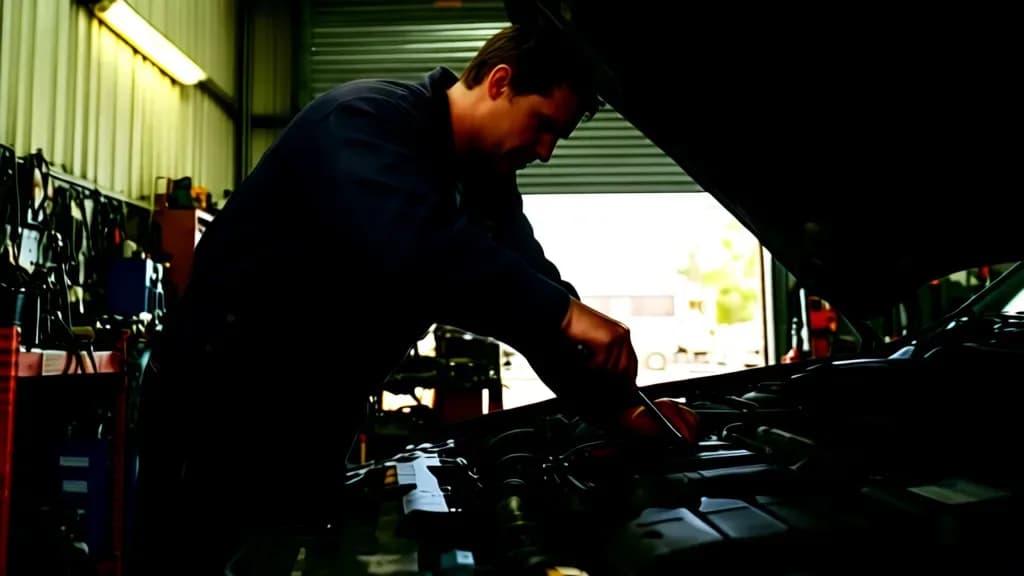
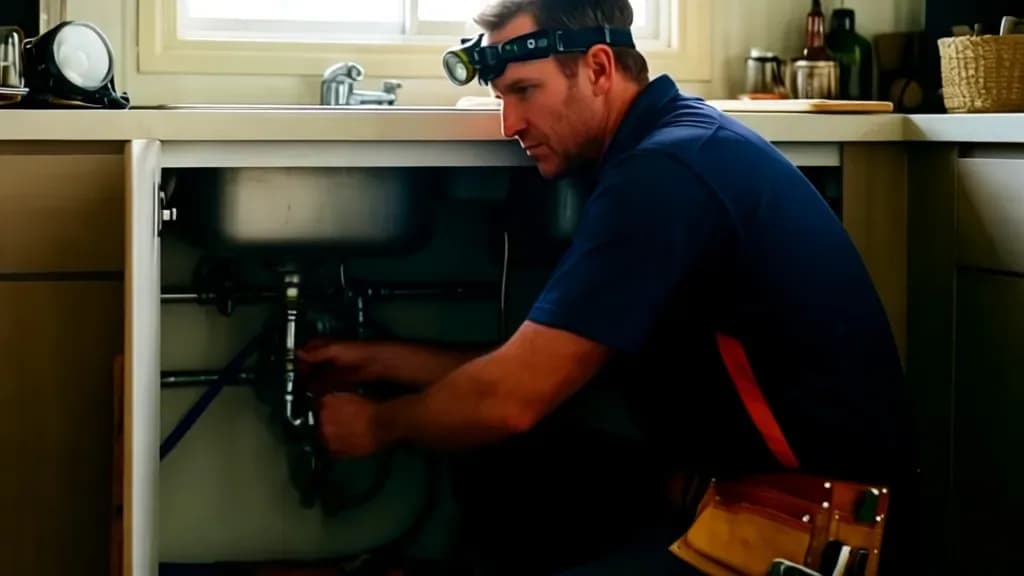
Airconditioning and Refrigeration Mechanics install, commission, maintain and repair systems ranging from domestic split-units to industrial cold-storage plants, supermarket refrigeration racks, hospital HVAC systems, and commercial chillers. The technical content has expanded sharply over the past decade: variable refrigerant flow (VRF), CO2 transcritical refrigeration, ammonia industrial plant, building management system (BMS) interfaces, and increasingly heat-pump-based HVAC for decarbonisation projects.
Demand is broad-based. Commercial construction in Sydney, Melbourne, Brisbane and Perth drives steady installation work. Supermarket and cold-chain logistics support a large base of refrigeration maintenance. Mining operations in Western Australia and Queensland require industrial-scale HVAC and process refrigeration. Healthcare construction — new hospitals in every capital — generates specialised clean-room and pharmaceutical-grade work. Climate-driven heat events have also lifted residential service volumes year over year. The 2025 Occupation Shortage List confirms HVAC-R trades remain in shortage across every state and territory.
ANZSCO 342111 — Code Mapping
ANZSCO 342111 covers mechanics who assemble, install, maintain and repair industrial, commercial and domestic airconditioning and refrigeration systems and equipment. Indicative tasks include reading and interpreting drawings, fabricating and installing pipework, recovering and charging refrigerants, commissioning systems, and fault-finding electrical and mechanical components.
The role sits inside ANZSCO Unit Group 3421 — Airconditioning and Refrigeration Mechanics. There is no separate code for HVAC technicians who only service split units, or for industrial-only refrigeration mechanics — both map to 342111. Adjacent codes include 342211 Electrical Linesworker and 341111 Electrician (General), which apply when the bulk of work is electrical rather than refrigeration. Review the ANZSCO code finder to confirm the right fit.
Skills Assessment with TRA
Airconditioning and Refrigeration Mechanic is a licensed trade in Australia. Offshore applicants must use TRA's Offshore Skills Assessment Program (OSAP). The documentary-only MSA pathway is not available for this occupation.
Offshore Skills Assessment Program (OSAP)
OSAP runs as three stages: documentary evidence assessment, technical interview, and practical demonstration through a TRA-approved Registered Training Organisation (RTO).
- Requirements: Recognised trade qualification equivalent to AQF Certificate III in Refrigeration and Air Conditioning (or AQF Certificate IV), plus three years of post-qualification employment. Six years of on-the-job training accepted in place of formal qualification.
- Assessment cost: Fees vary by RTO and stage. Total OSAP costs typically range AUD $2,500-$4,500 (Section 2.1 of OSAP Applicant Guidelines, 2025).
- Processing time: 12-18 months end to end, depending on RTO scheduling for the practical demonstration.
- Common rejection reasons: Employment references that describe general mechanical or electrical work rather than refrigeration-specific duties; insufficient evidence of refrigerant handling, commissioning and brazing competencies; practical demonstration failing on leak-testing or recovery procedures.
Post-Arrival Licensing — Arctick
In addition to TRA assessment, working with refrigerants in Australia requires an Australian Refrigeration Council (ARC) "Arctick" Refrigerant Handling Licence. This is mandatory federal licensing under the Ozone Protection and Synthetic Greenhouse Gas Management Act 1989. Apply through the ARC after arrival — the process typically takes 2-6 weeks and requires evidence of trade qualification recognised in Australia.
State-based plumbing or electrical licensing may also apply depending on the specific work performed and the state. NSW, Victoria and Queensland have varying rules on electrical and gas-related portions of HVAC-R work. Confirm with your destination state's regulator.
Visa Pathways for Airconditioning and Refrigeration Mechanics
Subclass 482 — Skills in Demand Visa (Core Skills stream)
The 482 is the most common pathway for offshore HVAC-R mechanics with an Australian sponsor.
- Visa fee: AUD $3,210 (primary applicant)
- Salary threshold: Core Skills Income Threshold (CSIT) AUD $76,515 until 30 June 2026, rising to AUD $79,499 from 1 July 2026
- Processing time: Median 2-3 months for Core Skills stream
- Quirk: Refrigeration-heavy roles in cold-chain logistics, supermarkets and mining sites typically clear CSIT comfortably. Confirm the gazetted salary the employer will nominate includes any shift loading.
Subclass 491 — Skilled Work Regional (Provisional)
Strong fit because much of the work — mining-region HVAC, supermarket refrigeration in regional centres, food-processing cold storage — is concentrated outside metro areas.
- Visa fee: AUD $6,140 (primary applicant)
- Points boost: +15 for regional nomination
- Processing time: 12-14 months
- Quirk: Tasmania, South Australia, regional Queensland and regional WA actively nominate HVAC-R mechanics under their 491 streams.
Subclass 190 — Skilled Nominated
Permanent residency via state nomination. ANZSCO 342111 has been consistently included on multiple state lists each program year.
- Visa fee: AUD $6,140 (primary applicant)
- Points boost: +5 from state nomination
- Processing time: 8-15 months
- Quirk: NSW and Victoria typically nominate HVAC-R applicants with three or more years' relevant experience. The Tasmanian Skilled Occupation List has historically prioritised this trade.
Subclass 189 — Skilled Independent
Permanent residency without state or employer sponsorship.
- Visa fee: AUD $6,135 (primary applicant)
- Minimum points: 65 (HVAC-R typically clears at 70-80)
- Processing time: 8-15 months
Subclass 186 — Employer Nomination Scheme
Permanent residency through employer sponsorship. Most reach 186 via the Temporary Residence Transition stream after working on a 482.
- Visa fee: AUD $6,140 (primary applicant)
- Streams: Direct Entry (with TRA assessment) or Temporary Residence Transition
Subclass 494 — Skilled Employer Sponsored Regional
For regional employers in mining, food processing, regional construction and remote infrastructure.
- Visa fee: AUD $4,910 (primary applicant)
- Processing time: 9-12 months
- Quirk: Clear PR pathway via subclass 191 after three years of regional work.
Points Test Strategy
ANZSCO 342111 sits on the MLTSSL and CSOL, so 189/190/491 are all open.
| Points Factor | Points | Notes |
|---|---|---|
| Age (25-32) | 30 | Maximum bracket |
| Age (33-39) | 25 | Strong |
| English (Superior — 8.0+) | 20 | Stretches for trades but worth aiming for |
| English (Proficient — 7.0) | 10 | More typical target |
| Qualification (Trade certificate/Diploma) | 10 | AQF Certificate III equivalent |
| Overseas Experience (5-7 years) | 10 | After deductions |
| Overseas Experience (8+ years) | 15 | Top bracket |
| Australian Experience | 5-20 | If you have local work history |
| State Nomination (190) | 5 | |
| Regional (491) | 15 | |
| Partner Skills | 5-10 | If partner has skilled occupation |
Realistic Score Scenarios
Scenario 1: Mid-Career HVAC Technician
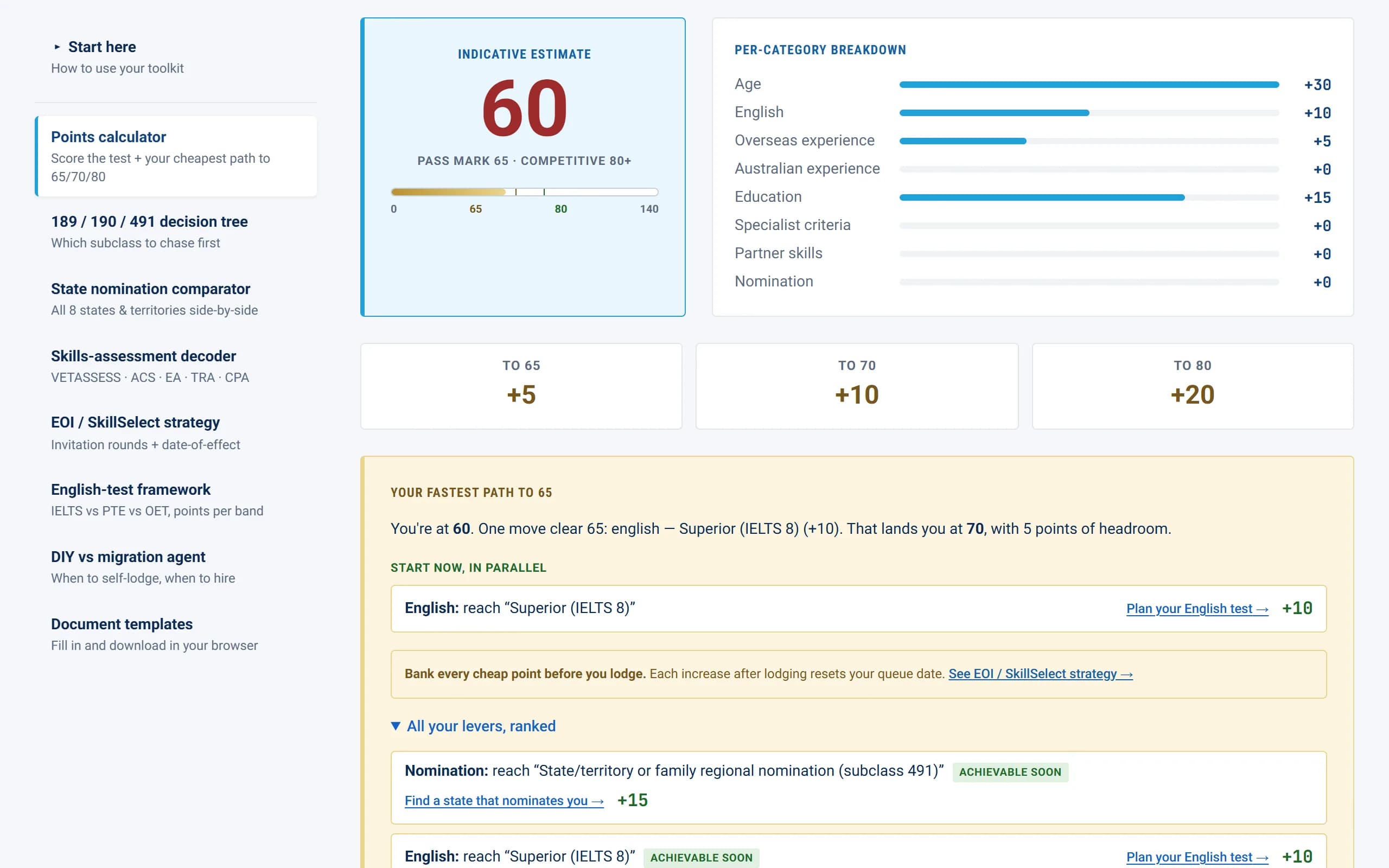
- Age 30 (30) + Trade qualification (10) + Proficient English (10) + 6 years overseas experience (10) = 60 points
- Add 491 nomination (+15) = 75 points — competitive in most rounds; consider higher English score to push to 80+.
Scenario 2: Senior Refrigeration Specialist
- Age 36 (25) + Trade qualification (10) + Proficient English (10) + 10 years overseas experience (15) = 60 points
- Add 190 nomination (+5) = 65 points — likely needs 491 (+15) for stronger competitive position, or pursue 482 sponsorship.
State Nomination for HVAC-R Mechanics
New South Wales
NSW typically includes ANZSCO 342111 under both 190 and 491 streams. The state's commercial construction pipeline and large cold-chain logistics base support steady demand. Newcastle, Wollongong and Central Coast qualify as regional NSW for 491 purposes.
Victoria
Victoria's state nomination program has consistently included Airconditioning and Refrigeration Mechanic. Melbourne's commercial and healthcare construction backlog drives demand; regional Victoria's food-processing sector adds 491 opportunity.
Queensland
Queensland's Skilled Migration program nominates HVAC-R for both 190 and 491, with regional Queensland (Townsville, Cairns, Mackay) prioritising trades for mining and tourism-driven hospitality refrigeration.
Western Australia
WA's mining and resource sector drives consistent HVAC-R nomination. Pilbara mining accommodation, processing plant cooling and remote-area infrastructure all sustain demand.
South Australia
South Australia nominates for 190 and 491. The defence build-out in Adelaide (Hunter-class, AUKUS) and food-processing regions (Riverland, Limestone Coast) anchor demand.
Tasmania
Tasmania nominates HVAC-R for 491 and onshore 190. Cold-storage and aquaculture employers in the north of the state regularly support nomination.
Northern Territory
The NT's DAMA covers HVAC-R trades, with salary and English concessions available for nominated regional employers. See the DAMA labour agreements glossary.
Salary and Employment Outlook
What Airconditioning and Refrigeration Mechanics Earn in Australia
| Role | Typical Salary Range |
|---|---|
| Apprentice / Trade Assistant | AUD $45,000-$60,000 |
| Qualified HVAC Mechanic (1-3 years) | AUD $80,000-$95,000 |
| Experienced HVAC-R Technician (5+ years) | AUD $95,000-$120,000 |
| Industrial Refrigeration Specialist | AUD $110,000-$140,000 |
| Service Manager / Foreman | AUD $120,000-$150,000 |
| FIFO Mining HVAC | AUD $130,000-$170,000+ |
| Project Commissioning Engineer | AUD $130,000-$170,000 |
SEEK Salary Hub 2026 reports an average band of AUD $85,000-$110,000 for full-time HVAC-R technicians. Total packages typically include superannuation at 11.5%, on-call and shift loadings, vehicle, and overtime.
Where the Money Is
- Mining and resources — Pilbara, Bowen Basin, Goldfields. FIFO premiums apply.
- Commercial construction and data centres — Sydney, Melbourne, Brisbane, Perth. Specialised commissioning roles pay above maintenance rates.
- Cold chain and supermarket — Woolworths, Coles, Aldi national refrigeration teams; cold-storage logistics in Melbourne and Sydney outer suburbs.
- Healthcare — new hospital builds across every state, with specialised pharmaceutical and clean-room HVAC work.
- Food processing — meat, dairy and seafood plants in regional Victoria, South Australia and Tasmania.
Tips for a Successful Application
1. Document Refrigerant Handling Hours Explicitly
TRA assessors look for clear evidence of refrigerant recovery, charging, brazing, leak-testing and commissioning. Generic "service air conditioning systems" descriptions are weak. Ask referees to specify refrigerant types handled (R410A, R32, R134a, R744, ammonia), brazing competency (silver vs phos-copper), and commissioning experience by system type.
2. Plan for Both TRA and Arctick
A successful TRA assessment is migration-side only. To work with refrigerants in Australia you need an ARC Arctick Refrigerant Handling Licence in parallel. Apply for Arctick immediately after arrival; the process runs in weeks, not months, but cannot start before you have Australian trade recognition.
3. Match Qualification to AQF Certificate III in Refrigeration and Air Conditioning
Send transcripts to TRA or a migration agent for preliminary mapping against UEE32220 (Certificate III in Air-Conditioning and Refrigeration). Missing competencies are usually in CO2/ammonia industrial refrigeration or in electrical safety units. Document equivalent on-the-job experience where formal training is short.
4. Target Where the Work Actually Is
Mining-region 491 nominations clear faster than metro 190. If your specialty is industrial refrigeration, a regional Queensland or WA pathway puts you in the highest-paying segment of the market on day one. Tasmania's onshore 491 has historically been the lowest-points entry point for HVAC-R.
5. Use 482 Sponsorship If Your Points Are Below 75
The 482 Skills in Demand visa does not require a points test. Many cold-chain logistics, supermarket and FIFO mining employers actively recruit offshore HVAC-R mechanics. The Core Skills stream processes in 2-3 months and salaries comfortably clear CSIT.
Step-by-Step Migration Roadmap
- Confirm ANZSCO 342111 fits your duties — review the ANZSCO code finder.
- Gather employment references documenting refrigerant handling, commissioning and brazing.
- Sit IELTS or PTE — Competent English (IELTS 6.0) minimum.
- Lodge TRA OSAP application through your country's approved RTO.
- Complete documentary evidence stage — qualifications, employment evidence, pay records.
- Attend technical interview and complete practical demonstration through the RTO.
- Receive successful TRA outcome — valid three years for migration.
- Submit EOI in SkillSelect for 189, 190 or 491.
- Apply for state nomination if pursuing 190 or 491.
- Receive invitation and lodge visa within 60 days via ImmiAccount.
- Complete health and character checks including AFP police check and HAP-ID medical.
- After grant, apply for Arctick licence and any state-specific electrical or plumbing endorsements before commencing work.
Frequently Asked Questions
Is Airconditioning and Refrigeration Mechanic on the MLTSSL in 2026?
Yes. ANZSCO 342111 remains on the Medium and Long-Term Strategic Skills List in 2026, keeping subclass 189 access open. It is also on the Core Skills Occupation List used by the 482 visa and on most state nomination programs.
Do I need an Arctick licence before I can work?
Yes. Anyone handling fluorinated or natural refrigerants in Australia must hold an Australian Refrigeration Council (ARC) Refrigerant Handling Licence — the Arctick licence. This is federal-level licensing required regardless of which state you work in. Apply after arrival; the process takes 2-6 weeks and requires Australian trade recognition.
Why is OSAP required when I have years of HVAC experience?
OSAP includes a practical demonstration because refrigerant systems involve regulated environmental gases and electrical safety considerations. TRA cannot fully verify offshore competency through documents alone. The practical, conducted by an approved RTO, confirms current skill against Australian standards. The MSA documentary-only pathway is not open for this occupation.
Which states currently nominate HVAC-R mechanics?
NSW, Victoria, Queensland, Western Australia, South Australia, Tasmania and the Northern Territory have all nominated ANZSCO 342111 in recent program years. State lists update annually in July, so verify the current program details on each state's website before lodging an EOI.
Can my domestic-only experience qualify me for migration?
Yes — provided your formal qualification covers the curriculum of Certificate III in Air-Conditioning and Refrigeration. Domestic split-system experience alone may be assessed positively where the qualification is sound, but commercial or industrial experience strengthens the file significantly and opens higher-paying employer sponsorship pathways.
What is the demand outlook for HVAC-R mechanics through 2030?
Strong and broadening. Climate-driven cooling demand, decarbonisation HVAC retrofits (electric heat pumps replacing gas), supermarket and cold-chain refrigeration expansion, healthcare construction, and mining-sector demand all point to sustained shortage. Jobs and Skills Australia confirmed HVAC-R trades in shortage in every state and territory in 2025.