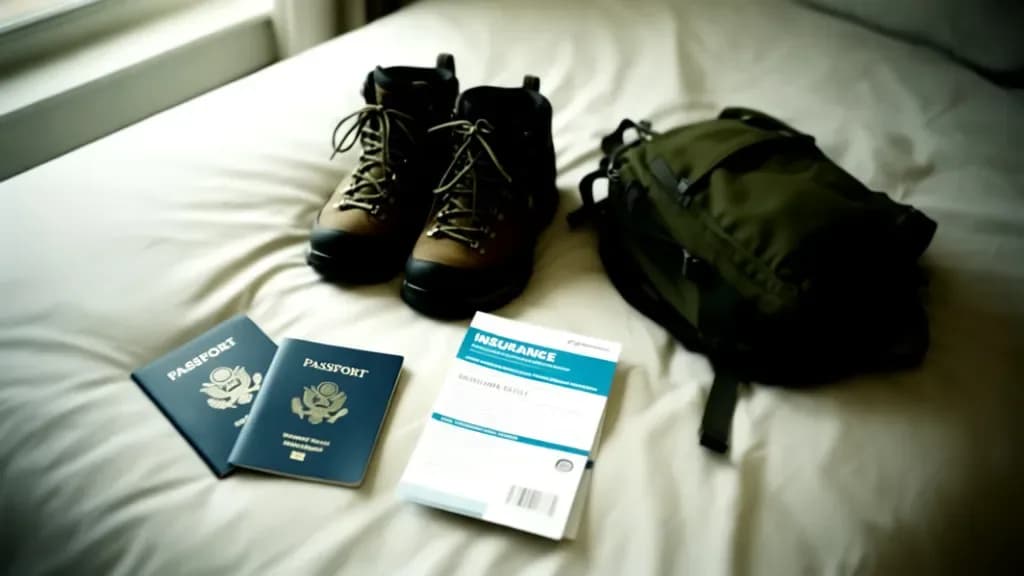
On 6 October 2026, the Department of Home Affairs updated its guidance on health insurance for visa applicants and visa holders and published a new factsheet. The core message: most temporary visa holders and visitors cannot use Medicare, so they pay their own medical bills unless they are insured.
What changed
Nothing in the visa rules changed. The department rewrote its guidance to explain more clearly what "adequate health insurance" means and what visitors have to pay for. The new material is the Adequate Health Insurance Factsheet and the updated page Adequate health insurance for visa holders.
Date: published 6 October 2026. Who it affects: anyone applying for or holding an Australian visa who is not eligible for Medicare, which includes most visitors and temporary visa holders.
The points that matter
- You pay your own health costs. Home Affairs says visitors are usually not eligible for Medicare and are "responsible for all costs incurred during their stay", in public and private hospitals.
- Unpaid health debts can count against you later. The department says it may consider outstanding health debts if you apply for another visa.
- Insurance is strongly recommended even when it isn't a visa condition. Home Affairs "strongly recommend[s]" private health insurance for every visitor who isn't eligible for Medicare.
- Condition 8501 is the one to check. If your visa has condition 8501, you must keep adequate health insurance for your whole stay.
- Some visas need proof before grant. For those visas you must provide a current policy from an Australian registered private health insurer, for you and anyone applying with you.
- Expect gaps. Private insurance is unlikely to cover everything. Ask for a cost estimate before treatment (the department calls this "informed financial consent").
Who can use Medicare
According to Home Affairs, Medicare covers Australian citizens and permanent residents, New Zealand citizens lawfully in Australia, Resident Return visa holders, some applicants for permanent residency, temporary visa holders covered by a Ministerial Order, and residents of Norfolk Island, the Cocos (Keeling) Islands, Christmas Island and Lord Howe Island. Visitors from a Reciprocal Health Care Agreement country may also be covered. Our Medicare guide for visa holders explains those agreements.
What the department suggests as minimum cover
The recommended minimum follows the rules for Overseas Student Health Cover. It should cover GP visits, hospital treatment in public or private hospitals, surgery, blood tests and x-rays, prescription medicines and ambulance services. The suggested maximum waiting periods are 12 months for pregnancy and for pre-existing conditions, and 2 months for psychiatric care, rehabilitation, palliative care and everything else. Insurance from Australian or overseas companies "may be acceptable", but check the policy against this list.
What to do now
- Check whether your visa carries condition 8501 in your grant letter or VEVO.
- If you're visiting, buy cover before you travel, even if your visa doesn't require it.
- Compare the policy with the minimum list above. Our OSHC and OVHC guide explains the two product types.
Official source: Health insurance requirements for Australian visa holders, Department of Home Affairs, 6 October 2026. Checked against the official pages on 8 October 2026.
FAQ
Do visitors to Australia need health insurance?
It depends on the visa. Some visas carry condition 8501, which makes adequate health insurance compulsory. For everyone else, Home Affairs strongly recommends private cover, because visitors usually can't use Medicare and must pay their own medical costs.
Can I use an overseas travel insurance policy?
Home Affairs says insurance from Australian or overseas companies may be acceptable. Visas that require evidence before grant need a policy from an Australian registered private health insurer. Compare any policy with the department's minimum cover list.
What happens if I leave Australia with an unpaid hospital bill?
Home Affairs says it may consider outstanding health debts when you apply for a visa in the future. Pay or arrange the debt before you apply again.