Cost of Living in Adelaide 2026: Australia's Most Affordable Capital City
Adelaide holds a distinction that no other Australian capital can claim in 2026: it's genuinely affordable. A single person can live reasonably well on $2,500-$3,500 AUD per month, making it anywhere from 20-40% cheaper than Sydney depending on lifestyle choices. For migrants — particularly those arriving on skilled visas or pursuing state nomination through South Australia — Adelaide offers a compelling combination of lower costs, accessible immigration pathways, and growing industries in defence, technology, and wine production. So why aren't more people talking about it?
Why Adelaide Is a Smart Choice for Migrants
Adelaide has traditionally been overshadowed by Sydney, Melbourne, and increasingly Brisbane. But the numbers tell a different story. South Australia's state nomination program is one of the most accessible in the country, with lower points thresholds and a broader occupation list than NSW or Victoria. The state actively wants skilled migrants, and it shows.
The economy has diversified substantially. The $90 billion Naval Shipbuilding Program based at Osborne is creating thousands of skilled jobs. The tech sector is expanding, with companies drawn to lower office rents and a growing talent pool. And South Australia's wine industry — centred on the Barossa Valley, McLaren Vale, and Adelaide Hills — continues to employ workers across viticulture, production, hospitality, and export logistics.
For a practical overview of which cities suit different visa types and occupations, check our dedicated guide.
Rent and Housing Costs
This is where Adelaide really shines. Rents are the lowest of any Australian mainland capital, and while they've risen since 2022, the gap between Adelaide and the eastern seaboard cities remains substantial.
Average Weekly Rent by Area (2026)
| Area | 1-Bed Apartment | 2-Bed Apartment | 3-Bed House |
|---|---|---|---|
| Adelaide CBD | $350-$450 | $450-$550 | $550-$700 |
| North Adelaide | $370-$470 | $470-$570 | $580-$730 |
| Glenelg / Brighton | $340-$430 | $430-$540 | $530-$680 |
| Norwood / Kensington | $350-$440 | $440-$550 | $550-$700 |
| Prospect / Walkerville | $330-$420 | $420-$520 | $500-$650 |
| Elizabeth / Salisbury (north) | $270-$340 | $330-$410 | $380-$500 |
| Marion / Hallett Cove (south) | $300-$380 | $370-$470 | $430-$570 |
Upfront costs when renting:
- Bond: 4 weeks' rent (6 weeks for furnished properties), held by the Tenancies Branch
- Rent in advance: up to 2 weeks
- No application fees in South Australia
- Moving costs: $200-$500 for professional movers locally
To put these numbers in perspective: a 1-bedroom apartment in Adelaide's CBD at $400/week means you're paying roughly $1,730 per month in rent. The same quality apartment in Sydney would cost $2,800-$3,400. That's a difference of over $1,000 per month — or $12,000+ per year.
Tips for new arrivals:
- Adelaide's vacancy rate sits around 0.8-1.2%, so while it's tighter than it used to be, it's still easier to find a rental than in Sydney or Melbourne.
- Read our comprehensive renting guide before you start applications — knowing the process saves time and frustration.
- Consider suburbs along the Seaford or Gawler train lines for affordable living with reliable transport to the CBD.
Groceries and Food
Adelaide's grocery costs are the lowest of any Australian capital, partly thanks to South Australia's strong local agricultural industry. Fresh produce, wine, and dairy are particularly affordable.
Average Weekly Grocery Costs
| Item | Approximate Cost |
|---|---|
| Milk (2L) | $2.90-$3.40 |
| Bread (loaf) | $3.00-$4.80 |
| Rice (1kg) | $2.70-$4.50 |
| Chicken breast (1kg) | $9.00-$12.50 |
| Eggs (dozen) | $4.80-$7.00 |
| Bananas (1kg) | $2.50-$3.80 |
| Apples (1kg) | $3.80-$5.50 |
| Bottle of wine (decent quality) | $8.00-$15.00 |
Weekly grocery totals:
| Household Type | Budget Range |
|---|---|
| Single person | $70-$100 |
| Couple | $130-$180 |
| Family of four | $220-$310 |
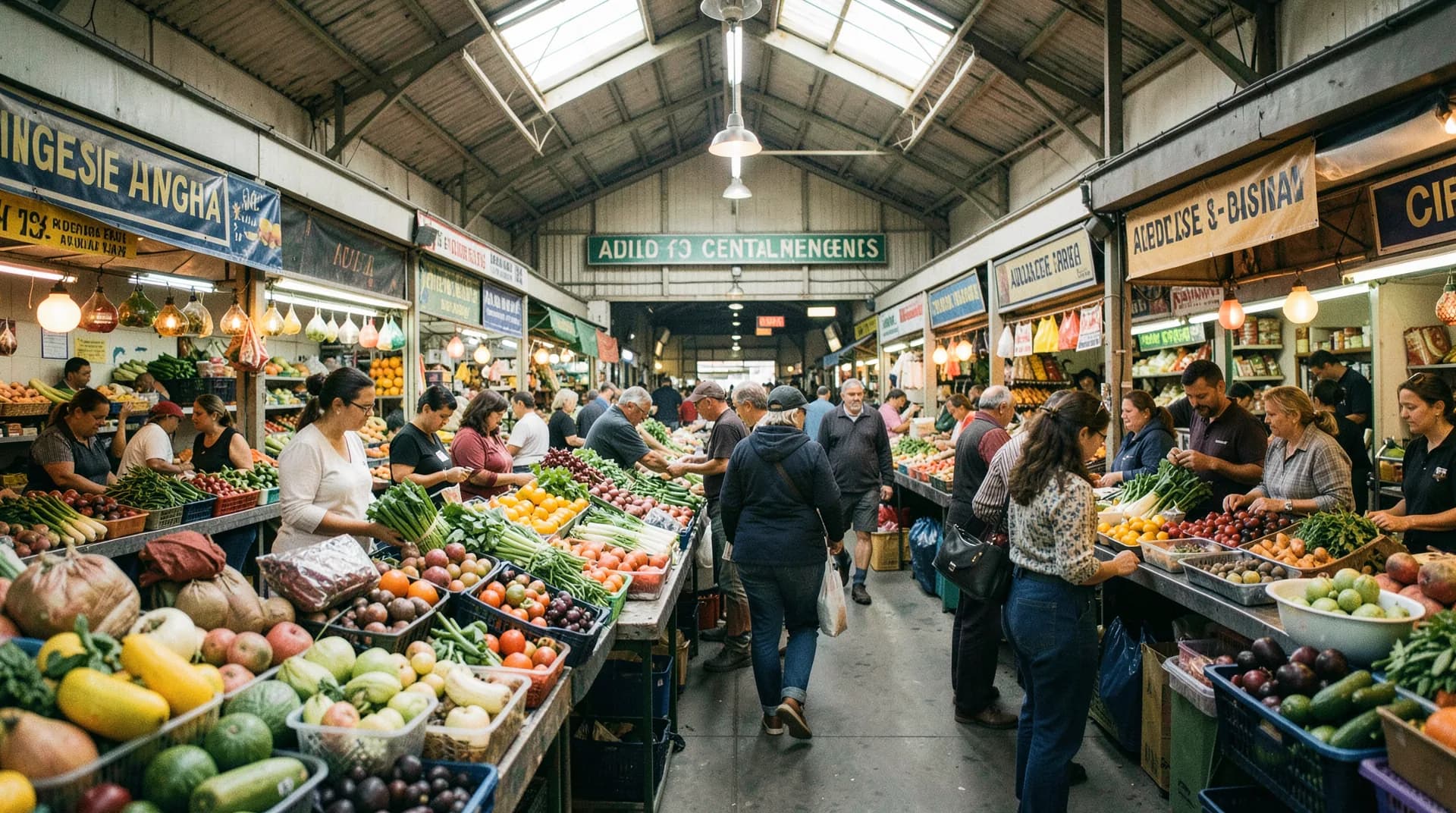
The Adelaide Central Market — one of the largest undercover fresh produce markets in the Southern Hemisphere — is a goldmine for affordable, high-quality groceries. Open Tuesday to Saturday, it's where locals buy meat, seafood, fruit, vegetables, cheese, and international foods at prices that undercut most supermarkets.
Dining Out
Adelaide punches well above its weight for food and wine. A meal at an inexpensive restaurant costs $16-$24, a mid-range dinner for two runs $80-$130, and a flat white costs $4.80-$5.30. The East End, Prospect Road, and Henley Beach are popular dining strips.
Transport
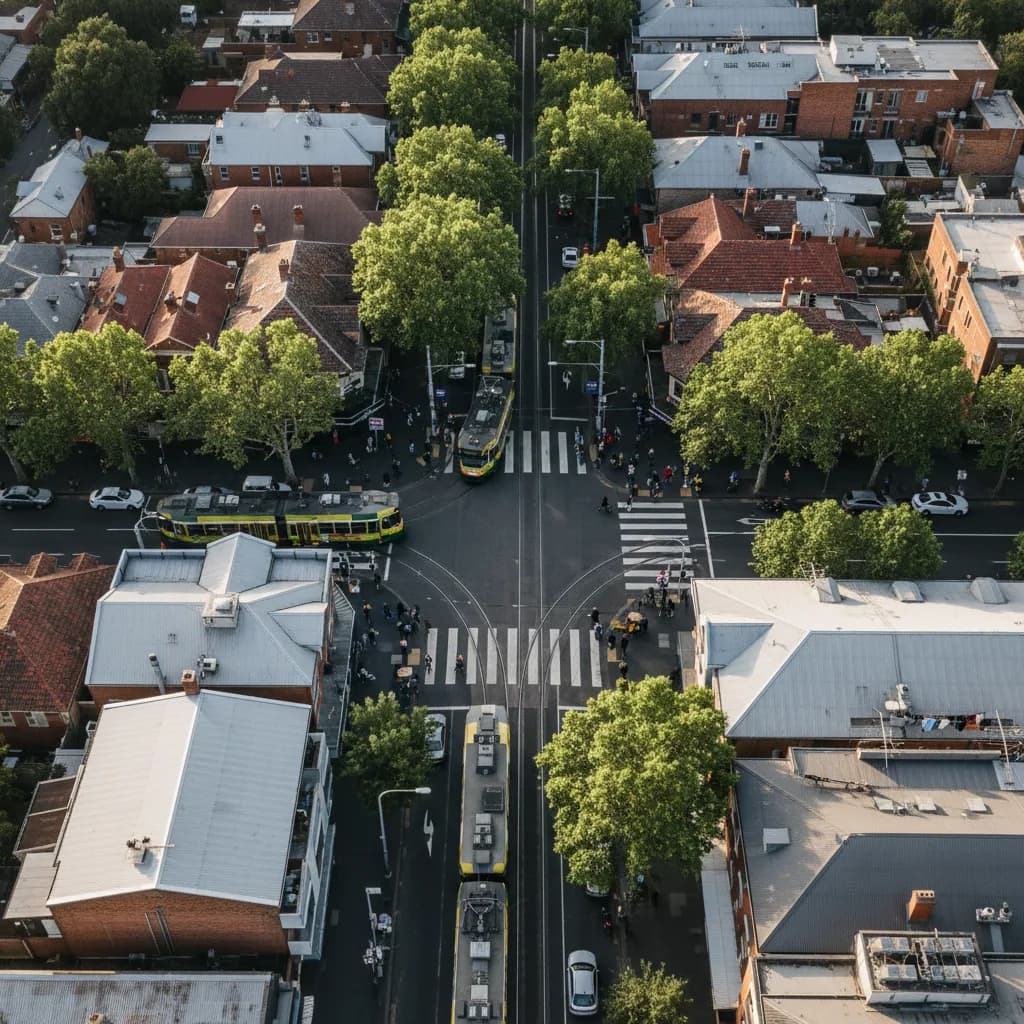
Adelaide Metro operates buses, trains, and trams across the metro area. The tram runs free within the city centre.
Transport Costs (2026)
| Mode | Cost |
|---|---|
| Monthly pass (metrocard, regular) | ~$115-$140 |
| Single trip (1-2 sections, metrocard) | $2.30 |
| Single trip (3+ sections, metrocard) | $4.10 |
| Free tram zone | Free (within CBD) |
| Free bus (City Connector) | Free |
Adelaide's transport costs are notably lower than other capitals. A monthly pass of around $115-$140 compares favourably to ~$170 in Brisbane and ~$200 in Sydney.
Getting around by car:
- Petrol: $1.70-$2.05 per litre
- Registration: approximately $500-$700 per year
- Tolls: no toll roads in Adelaide
- Insurance (comprehensive): $700-$1,300 per year
Adelaide is a manageable city to drive in — less congestion than the eastern capitals, no toll roads, and most destinations within 30 minutes. If you need to convert your licence, see our state-by-state driving guide. In SA, you have 3 months to convert after becoming a resident.
Utilities
Adelaide has hot, dry summers and cool (but not harsh) winters. Air conditioning is essential from December to February, and winter heating is used from June to August.
| Utility | Monthly Cost (1-Bed) | Monthly Cost (2-Bed) |
|---|---|---|
| Electricity | $80-$120 | $110-$170 |
| Gas | $25-$40 | $35-$55 |
| Water | $20-$35 | $30-$50 |
| Internet (NBN) | $65-$85 | $65-$85 |
| Mobile plan | $30-$55 | $30-$55 |
Total utilities (1-bed apartment): approximately $220-$335 per month.
South Australia has historically had some of the highest electricity prices in the country, though rooftop solar uptake has been massive — SA leads Australia in per capita solar generation. If you're renting a property with solar panels, your power bills can drop dramatically.
Healthcare
Medicare covers Australian citizens and permanent residents for GP visits, public hospital care, and subsidised medications. If you're from one of the 11 countries with reciprocal healthcare agreements, you may access limited Medicare services on a temporary visa.
Student visa holders must maintain OSHC insurance throughout their stay. Other temporary visa holders should consider OVHC.
GP visits without Medicare cost $55-$90 in Adelaide — cheaper than Sydney or Melbourne. The Royal Adelaide Hospital is a world-class public facility, and wait times for emergency care are generally shorter than in larger cities.
Monthly Budget Summary
Single Person
| Category | Budget ($AUD/month) |
|---|---|
| Rent (1-bed, inner suburb) | $1,430-$1,820 |
| Groceries | $305-$435 |
| Transport | $115-$140 |
| Utilities | $220-$335 |
| Dining/entertainment | $180-$350 |
| Health insurance/Medicare | $0-$55 |
| Phone + internet | $95-$140 |
| Total | $2,345-$3,275 |
Couple
| Category | Budget ($AUD/month) |
|---|---|
| Rent (2-bed, inner suburb) | $1,820-$2,220 |
| Groceries | $565-$780 |
| Transport | $230-$280 |
| Utilities | $240-$360 |
| Dining/entertainment | $300-$550 |
| Health insurance/Medicare | $0-$110 |
| Phone + internet | $125-$195 |
| Total | $3,280-$4,495 |
South Australia's State Nomination: An Accessible Pathway
One of Adelaide's biggest draws for migrants isn't the low cost of living — it's the immigration pathway. South Australia's state nomination program is widely considered one of the most accessible in Australia.
What makes it different?
- Broader occupation lists: SA nominates for occupations that other states don't, including some trades and niche professional roles
- Lower points thresholds: You may receive a nomination with fewer points than required by NSW or Victoria
- Work experience flexibility: SA sometimes accepts shorter work experience periods
- Pathway from study: International students who study in SA for at least one year can access specific nomination streams
- Commitment requirement: You'll need to commit to living and working in South Australia for a set period
For migrants weighing up the best cities for immigration purposes, Adelaide frequently comes out ahead purely on the strength of its nomination program combined with its affordability.
Growing Industries in Adelaide
Adelaide's economy isn't just about wine and universities anymore. Three sectors are driving significant growth:
Defence and Naval Shipbuilding
The $90 billion Australian Naval Shipbuilding Program is based at Osborne, just north of Adelaide. It's creating demand for engineers, project managers, welders, electricians, and cybersecurity professionals. Defence contracts are expected to sustain employment for decades.
Technology
Adelaide's tech sector is expanding rapidly. Lower commercial rents, government incentives, and the Adelaide-based Australian Institute for Machine Learning have attracted startups and established tech companies alike. Software developers, data analysts, and cybersecurity specialists are in demand.
Wine and Food Production
South Australia produces over 50% of Australia's wine. The Barossa Valley, McLaren Vale, Adelaide Hills, and Coonawarra are major production regions. Jobs span viticulture, winemaking, cellar door hospitality, export logistics, and marketing.
Adelaide vs. Other Capital Cities
| Expense | Adelaide | Brisbane | Melbourne | Sydney |
|---|---|---|---|---|
| 1-bed rent (city) | $350-$450/wk | $450-$550/wk | $450-$600/wk | $650-$850/wk |
| Groceries (single/wk) | $70-$100 | $80-$120 | $90-$130 | $120-$180 |
| Monthly transport | ~$128 | ~$170 | ~$170 | ~$200 |
| Median house price | ~$700K | ~$800K | ~$900K | ~$1.2M |
| Coffee (flat white) | $4.80-$5.30 | $5.00-$5.50 | $5.00-$5.50 | $5.50-$6.00 |
Adelaide is the clear winner on affordability across every category. The question isn't whether it's cheaper — it's whether the job market and lifestyle suit your needs.
Lifestyle and Climate
Adelaide's lifestyle is often described as relaxed and community-oriented. The city is compact — you can drive from the hills to the beach in about 30 minutes. Key lifestyle highlights include:
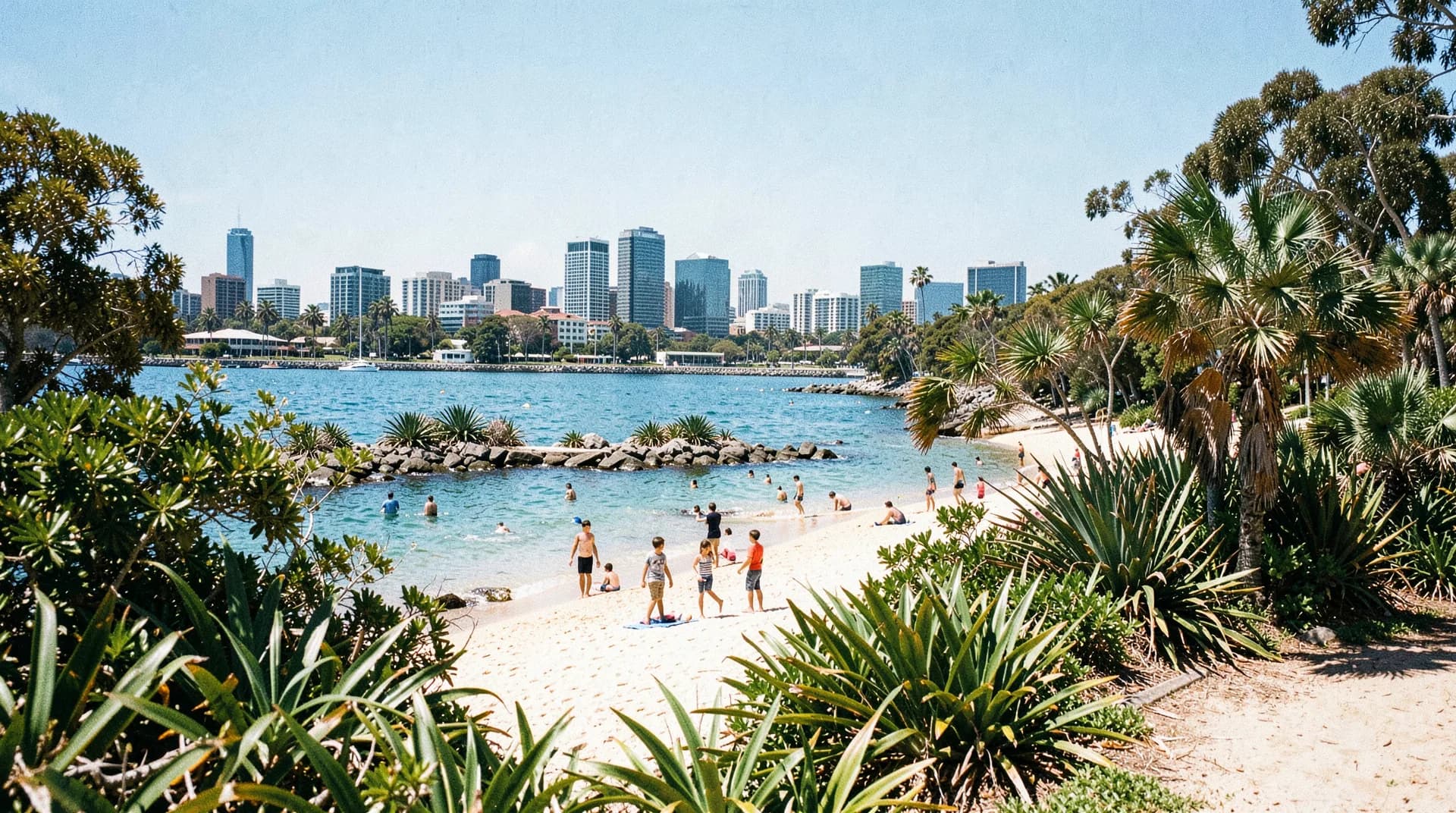
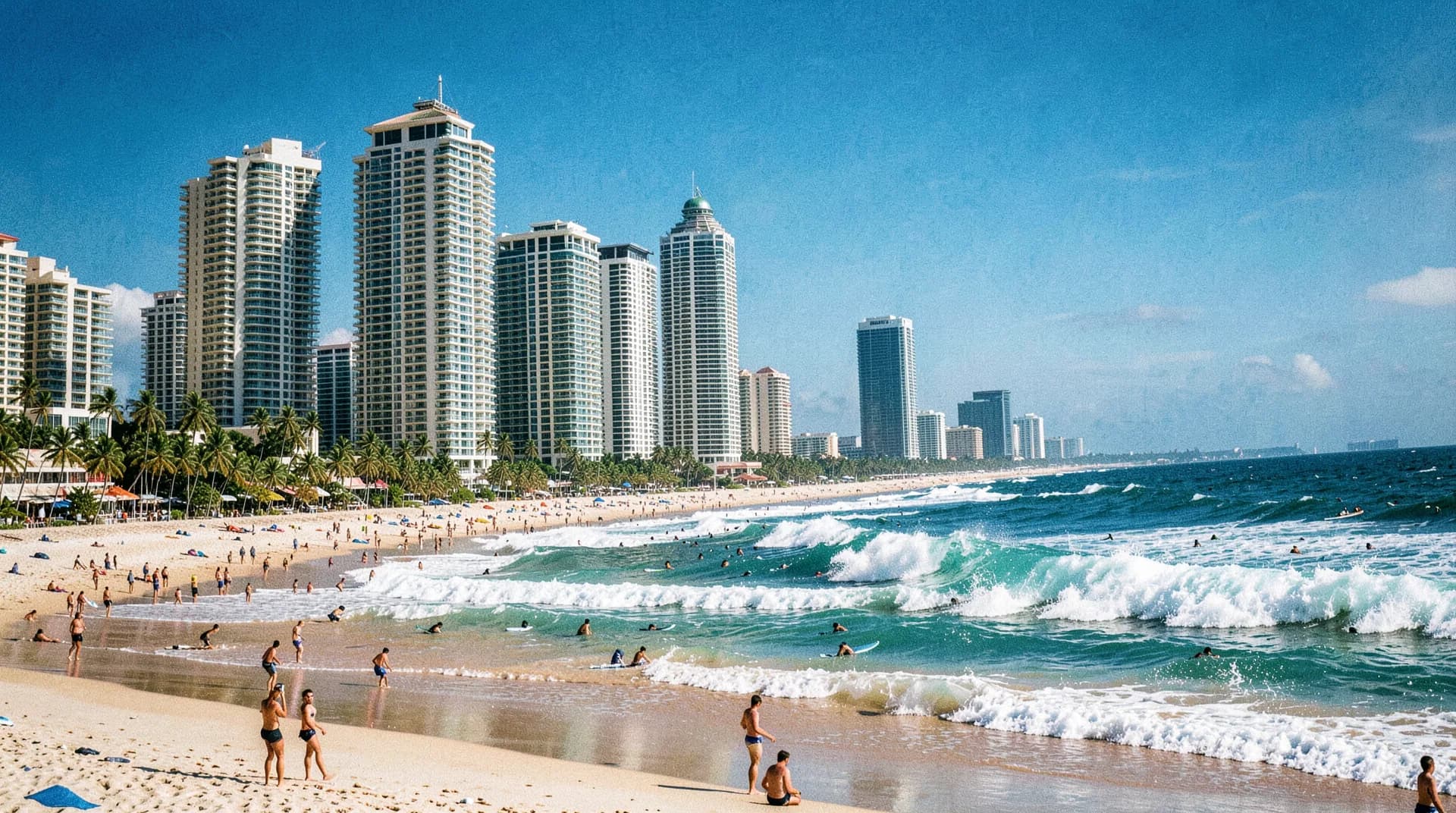
- Beaches: Glenelg, Henley Beach, and Semaphore are all easily accessible
- Wine regions: Barossa Valley is 60 minutes north, McLaren Vale is 40 minutes south
- Adelaide Hills: Bushwalking, small towns, and cooler temperatures just 20 minutes from the CBD
- Festivals: Adelaide hosts the Fringe (world's second-largest arts festival), WOMADelaide, and the Tour Down Under
- Climate: Hot summers (35-42°C in January/February), mild autumns, cool winters (8-15°C), pleasant springs
Winters are cooler than Brisbane or Perth but milder than Canberra or Melbourne. You'll want a heater, but you won't need heavy snow gear.
Tips for Keeping Costs Down in Adelaide
- Shop at the Central Market — fresh produce at wholesale-adjacent prices
- Use the free tram and City Connector bus — save on transport within the CBD
- Apply for your TFN immediately — without one, you'll be taxed at 45%
- Open a bank account within 6 weeks — you'll only need your passport
- Consider share housing first — rooms in shared houses go for $150-$250/week in Adelaide
- Explore regional SA — towns like Mount Gambier and Murray Bridge offer even lower costs with potential visa benefits
Frequently Asked Questions
Is Adelaide really the cheapest capital city in Australia?
Yes. Across rent, groceries, transport, and dining, Adelaide consistently ranks as the most affordable mainland capital. The only city that occasionally rivals Adelaide on specific costs is Hobart, but Hobart has a much smaller job market and fewer visa sponsorship opportunities.
How does South Australia's state nomination work?
South Australia's state nomination operates through a points-based system where the state assesses your skills, experience, and commitment to living in SA. If nominated, you receive additional points on your skilled visa application. SA tends to have broader occupation lists and lower thresholds than NSW or Victoria, making it more accessible for many skilled migrants.
What's the job market like in Adelaide for migrants?
The job market has improved markedly since 2020. Defence and naval shipbuilding are creating sustained demand for skilled workers. Healthcare, IT, education, and trades are also strong. Adelaide's unemployment rate is in line with the national average, and the smaller size of the city means less competition for certain roles compared to Sydney or Melbourne.
How cold does Adelaide get in winter?
Adelaide winters (June-August) see daytime temperatures of 12-16°C and overnight lows of 5-8°C. There's no snow, but it can feel chilly — especially compared to Brisbane or Perth. You'll want heating in your home and warm layers for morning commutes. By Australian standards, it's moderate; by global standards, it's mild.
Is Adelaide good for families?
Adelaide is considered one of Australia's best cities for families. Lower housing costs mean you're more likely to afford a house with a yard rather than an apartment. Schools are generally well-regarded, the city is safe, and the pace of life is noticeably less hectic than Sydney or Melbourne. The 20-minute-city concept — where most things are accessible within a short drive — is practically Adelaide's defining feature.