Australian Partner Visa for Vietnamese Citizens: 2026 Guide
Updated: 16 August 2026
Vietnamese partners of Australian citizens, permanent residents, or eligible New Zealand citizens apply for permanent residency through Subclass 309/100 offshore or Subclass 820/801 onshore. Both streams require evidence of a genuine and continuing relationship, are assessed in two stages roughly two years apart, and carry a combined application charge of AUD $11,710.
Quick Facts: Partner Visa for Vietnamese Citizens
| Detail | Information |
|---|---|
| Offshore stream | Subclass 309 (temporary) into 100 (permanent) |
| Onshore stream | Subclass 820 (temporary) into 801 (permanent) |
| Prospective marriage | Subclass 300, for engaged couples, granted offshore |
| Combined charge | AUD $11,710 (single fee covers both stages) |
| Sponsor | Australian citizen, permanent resident, or eligible NZ citizen |
| Sponsor assessment | Approved before the visa is decided |
| Relationship test | Genuine and continuing, across four evidentiary pillars |
| Stage 2 gap | Generally two years after stage 1 lodgement |
| Police clearance | Phiếu Lý Lịch Tư Pháp (Form No. 2), plus any country lived in 12+ months |
| Health exam | Yes, Bupa panel physician in Hanoi or Ho Chi Minh City |
Which Partner Visa for a Vietnamese Applicant
The right partner visa depends on where you are at lodgement and the legal status of the relationship.
Offshore 309/100. You're in Vietnam (or any country other than Australia) when you lodge. The 309 is granted offshore, you enter Australia on it, and the 100 follows after about two years. Most common route for Vietnamese partners who haven't yet lived in Australia. See the offshore partner visa pillar.
Onshore 820/801. You're in Australia on a substantive visa when you lodge, for example a 500, 482, or a 600 without the 8503 no-further-stay condition. The 820 grants a bridging visa while processed; the 801 follows after about two years. See the onshore partner visa pillar.
Prospective marriage 300. Engaged but not yet married or de facto. The 300 lets you enter Australia and marry within nine months, then transition to an 820. See Subclass 300 prospective marriage visa.
The onshore vs offshore comparison walks through the trade-offs.
Sponsor Eligibility
The sponsor must be:
- An Australian citizen, Australian permanent resident, or eligible New Zealand citizen
- At least 18 years old
- Not currently sponsoring another partner
- Not subject to a sponsorship limitation from a previous partner sponsorship
- Of good character; sponsors with significant criminal records, particularly involving violence or sexual offences, face additional checks
Sponsors are formally assessed and approved by the Department as part of the application. Approval can issue before the visa is decided, but in practice both files are usually processed together.
The Four Pillars of Relationship Evidence
The legal test is the same regardless of subclass: the relationship is genuine and continuing, the parties do not live separately and apart on a permanent basis, there is mutual commitment to a shared life, and the relationship is to the exclusion of others. The Department uses four evidentiary pillars; build across all four.
Financial. Joint bank accounts, joint loans, joint property, shared bills, transfers between you over time, beneficiary nominations on superannuation, joint tax documents. For Vietnamese applicants, remittance records (Vietcombank, Sacombank, Western Union, Wise) from the Australian partner to the Vietnamese partner over time count strongly.
Household. Shared address, shared lease or mortgage, shared utility accounts, joint household-goods purchases. If you have lived in Vietnam together, household-registration documents (hộ khẩu) and tenancy agreements help. If you haven't yet lived together, address it directly.
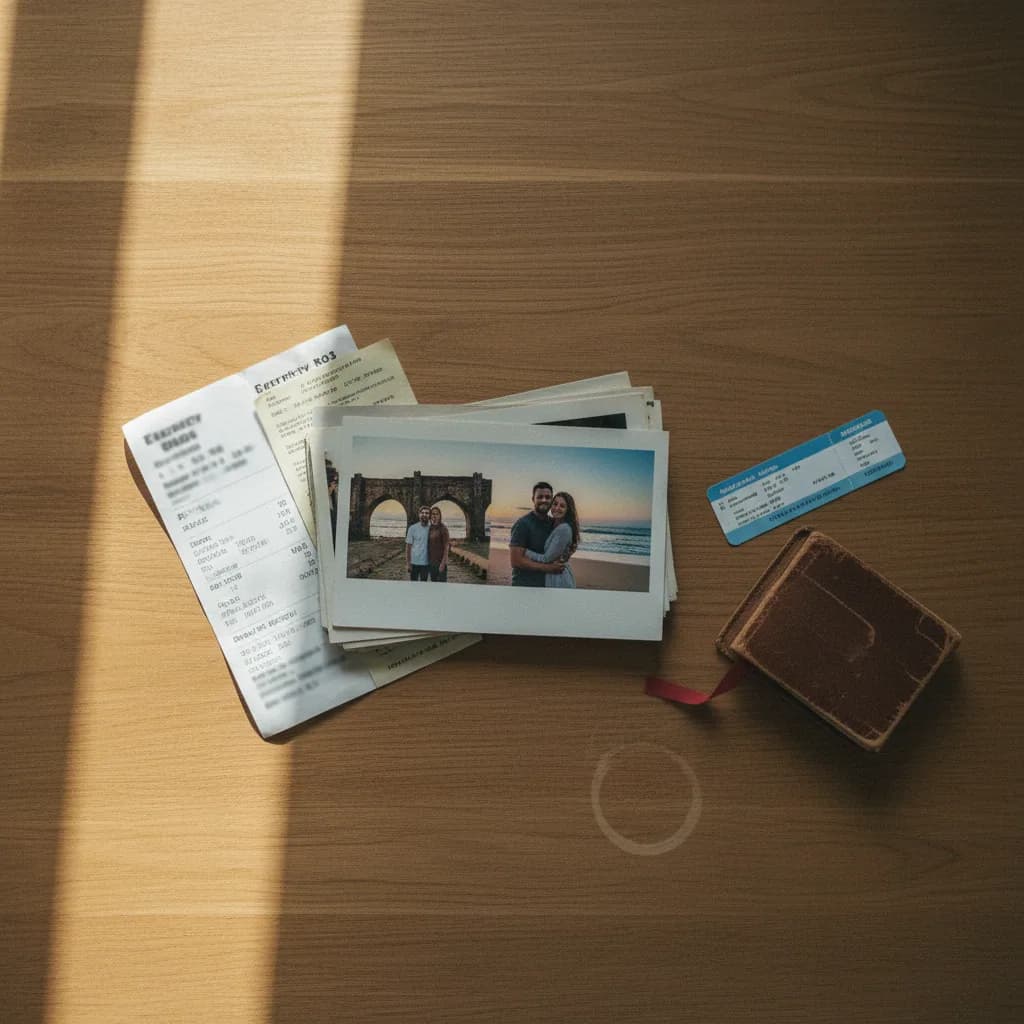
Social. Photos across the timeline with locations and dates. Statements from friends and family who know the relationship, ideally from both sides in Australia and Vietnam. Evidence of joint travel, weddings, and family events. Wedding photos and ceremony documents if married, including a Vietnamese marriage certificate registered at the People's Committee.
Commitment. A statement from each partner about how the relationship started, developed, key events, plans for the future, and how decisions get made jointly. Evidence of long-term commitment: engagement, marriage, joint plans for children, joint long-term financial commitments.
The evidence-of-relationship guide details documentation standards across all four pillars.
Vietnamese-Australian Specifics
Couples who met online or during short visits. Common, and not by itself a problem, but the file needs to show the relationship developed over time. Chat logs, video-call records, mobile bills showing international calls, and a clear narrative of visits in both directions are standard evidence.
Age-gap relationships. Significant age gaps draw closer attention, particularly when the older partner is the Australian sponsor. The relationship can succeed; the evidence needs to be deeper, and a candid joint statement that addresses the age gap directly is stronger than one that avoids it.
Marriages in Vietnam. Vietnamese weddings often involve a traditional family ceremony followed by registration at the People's Committee. The registered marriage certificate is legal proof; the traditional ceremony photos sit on the social pillar. Translate everything through a NAATI-credentialed translator (see the NAATI glossary entry).
Repeat sponsorships. Australian sponsors who have previously sponsored a Vietnamese partner face additional scrutiny. Sponsorship-limitation rules generally restrict a sponsor to one sponsorship in a five-year window and no more than two in a lifetime, with limited exceptions.
De facto and the 12-month rule. If you're not married, the test usually requires twelve months of de facto relationship before lodgement, unless registered under an Australian state or territory register or there are compelling-and-compassionate circumstances.
Application Process
The end-to-end sequence for an offshore 309/100:
- Confirm sponsor eligibility and prepare the sponsorship application
- Gather relationship evidence across all four pillars
- Obtain a Vietnamese marriage certificate (if applicable) with certified English translation
- Obtain a Phiếu Lý Lịch Tư Pháp (Form No. 2) plus clearances from any country lived in 12+ months since age 16
- Book the health examination at a Bupa panel clinic with HAP ID from ImmiAccount
- Lodge the 309 in ImmiAccount; the sponsor lodges Form 40SP
- Pay the combined application charge (single payment covers both stages)
- Attend biometrics at the VFS AVAC in Hanoi or Ho Chi Minh City
- Respond to any s56 information requests within the time given
- Receive the 309 grant and enter Australia
- Around two years after lodgement, provide updated relationship evidence for the 100 assessment
- Receive the Subclass 100 grant (permanent residency)
The onshore 820/801 sequence is similar; the 820 grants a bridging visa rather than requiring offshore entry. Lodgement steps are in how to apply, step by step.
Cost and Processing Times
The combined application charge is AUD $11,710 and covers both temporary and permanent stages in a single payment. Dependent children attract reduced charges. Other costs: Vietnamese marriage-certificate fees, police clearances, the health examination, document translation, the VFS service fee, and any migration agent's fee. Current figures are in the Australian visa fees schedule 2026.
Partner visas have some of the longest processing windows in the system. The partner visa processing time tracker holds current published ranges. Vietnamese applicants generally fall within those ranges. The two-year gap between stage 1 and stage 2 is a fixed waiting period from the date of original application.
What Vietnamese Applicants Need to Know
The application is a story, not a checklist. Case officers read partner files looking for a coherent narrative. A pile of disconnected receipts, photos, and statements without a clear story of how the relationship started, developed, and now continues is weaker than a smaller but better-organised file.
Both partners write a statement. Form 80 and the joint declarations are part of the file, but a substantive personal statement from each partner, three to six pages written individually, carries far more weight than a templated cover letter.
Family support letters from Vietnam matter. Statutory-style declarations from your Vietnamese family members, confirming they know the relationship, attended ceremonies, and recognise the Australian partner, sit on the social pillar alongside Australian-side declarations.
Bridging visa work rights are not automatic onshore. If you lodge on an 820, the bridging A or B that follows usually inherits work rights from the substantive visa you were on at lodgement. If the substantive visa had no work rights (for example a 600 visitor), the bridging visa won't either.
Children from previous relationships. Dependent children, whether in Vietnam or elsewhere, can be included as secondary applicants. Custody documentation from Vietnamese courts may be needed where the other biological parent isn't involved in the migration.
Common Pitfalls for Vietnamese Applicants
- Thin evidence for the period before living together. Couples who lived apart for two years before lodgement sometimes provide only photos from visits, with nothing in between. Chat-log exports, call history, and remittance evidence fill the gap.
- Marriage certificates without English translation. Untranslated Vietnamese civil documents are not assessed.
- Sponsor's character check. Sponsors who don't disclose prior offences, family-violence orders, or earlier partner sponsorships sometimes have those facts surface during the sponsorship assessment, damaging the credibility of the whole file.
- Visitor visa with 8503 condition. Vietnamese applicants on a 600 with the no-further-stay condition cannot lodge an onshore partner visa from Australia. The 8503 must be waived (in limited circumstances) or the applicant returns to Vietnam for the offshore 309.
- Stage 2 treated as automatic. It isn't. The Department asks for updated relationship evidence at the two-year mark, and a couple whose relationship has materially changed will be assessed on current circumstances. See what happens to a visa if separated or divorced.
- De facto claim without registration. Less than twelve months of relationship, no state-register entry, and no compelling-and-compassionate basis produces a refusal on a hard criterion.
Frequently Asked Questions
How long does a partner visa from Vietnam take?
Both 309 and 820 streams have published processing ranges tracked in the partner visa processing time guide. Vietnamese applicants generally fall within those ranges, with well-evidenced files at the faster end.
How much does the partner visa cost?
The combined charge is AUD $11,710 and covers both stages in a single payment. Current figures are in the fees schedule.
Do we need to be married?
No. Married, de facto, and state-registered couples are all eligible. The test is the same (a genuine and continuing relationship), but de facto couples generally need twelve months of relationship before lodgement.
Can I work on a bridging visa onshore?
Usually yes. The bridging A or B that follows an 820 lodgement inherits work rights from the substantive visa you held at lodgement. If that visa had no work rights, the bridging visa may not either.
What happens if we separate before stage 2?
The 100 or 801 grant is not automatic. Limited exceptions apply where the relationship ended due to family violence, where there are children of the relationship, or where the sponsor has died. See what happens if separated or divorced.
Do I need a Phiếu Lý Lịch Tư Pháp?
Yes. Form No. 2 is the version for visa purposes. Form No. 1 (for domestic Vietnamese employment) is not accepted. Clearances from any other country lived in for twelve months or more since age 16 are also required.
Related Guides
- Australian Visa for Vietnamese Citizens: full country overview
- Offshore partner visa, Subclass 309/100
- Onshore partner visa, Subclass 820/801
- Onshore vs offshore partner visa comparison
- Evidence of relationship for partner visa
- Partner visa processing time 2026
- Prospective marriage visa, Subclass 300
- Australian visa fees schedule 2026
- How to apply, step by step