Cost of Living in Brisbane 2026: Complete Guide for Migrants and New Arrivals
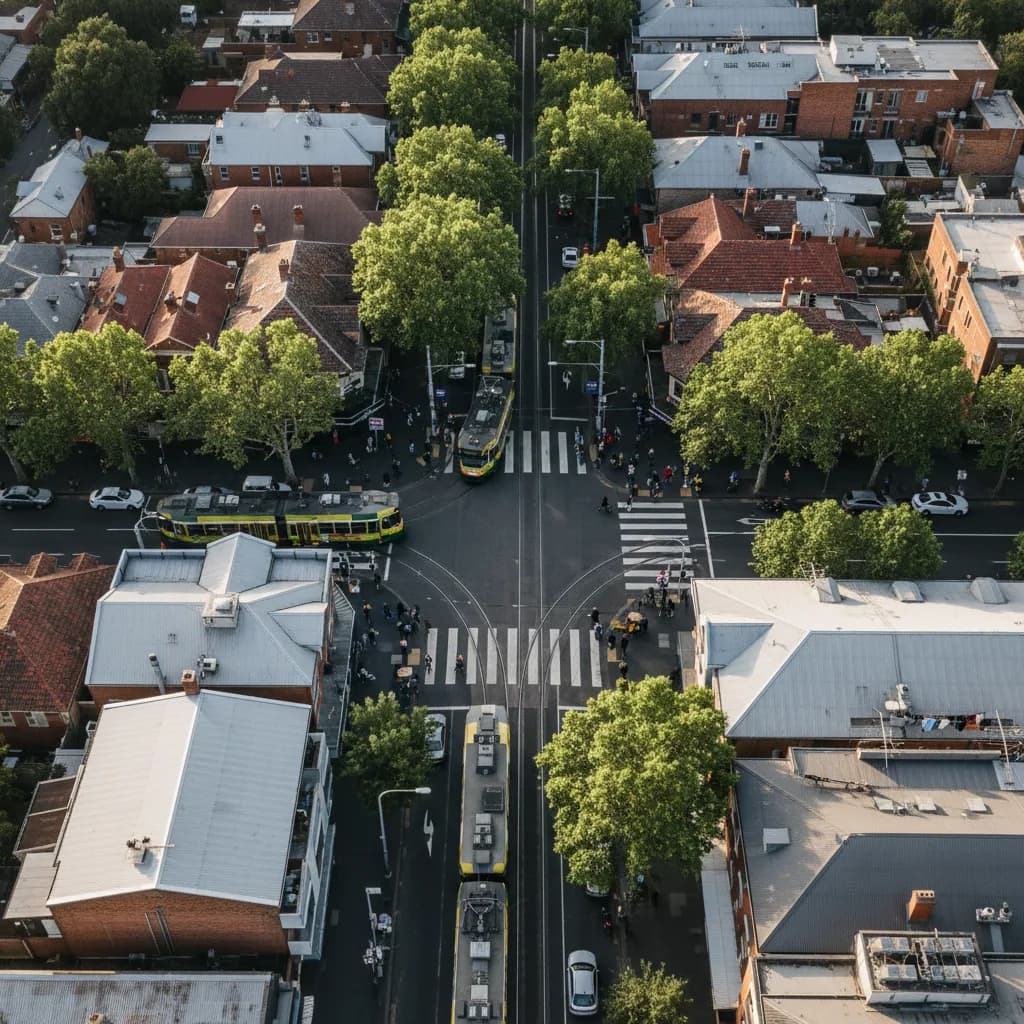
Brisbane has become one of Australia's most attractive cities for migrants, offering a cost of living that's noticeably lower than Sydney and Melbourne while still delivering world-class infrastructure and job opportunities. A single person can expect to spend roughly $2,800-$4,000 AUD per month in Brisbane, depending on lifestyle and suburb. With the 2032 Olympics on the horizon, Brisbane is transforming rapidly — and getting in now means you'll benefit from the city's growth without the price tags attached to Australia's two biggest cities.
Why Brisbane Is Drawing More Migrants in 2026
There's no mystery here. Brisbane delivers a rare combination: a subtropical climate, a growing economy, and housing costs that won't crush your budget. The city's population has surged past 2.6 million, and infrastructure projects linked to the Olympics are creating thousands of jobs in construction, transport, and hospitality.
For migrants arriving on skilled visas, Brisbane's job market is particularly strong in healthcare, engineering, IT, and education. Queensland's state nomination pathways also remain competitive, giving skilled workers another route to permanent residency.
Rent and Housing Costs
Housing is the single biggest expense for anyone living in Brisbane, but you'll find it considerably more affordable than what you'd pay in Sydney or Melbourne.
Average Weekly Rent by Area (2026)
| Area | 1-Bed Apartment | 2-Bed Apartment | 3-Bed House |
|---|---|---|---|
| CBD / South Brisbane | $450-$550 | $550-$700 | $700-$900 |
| Fortitude Valley / New Farm | $420-$530 | $520-$680 | $680-$880 |
| West End / South Bank | $430-$540 | $540-$690 | $690-$870 |
| Paddington / Milton | $400-$510 | $500-$650 | $650-$850 |
| Chermside / Kedron | $370-$450 | $450-$580 | $550-$720 |
| Logan / Springwood | $330-$420 | $400-$520 | $480-$630 |
| Ipswich | $300-$380 | $370-$470 | $420-$560 |
Upfront costs when renting:
- Bond (security deposit): 4 weeks' rent, held by the Residential Tenancies Authority (RTA)
- Rent in advance: typically 2 weeks
- Application fee: free in Queensland
- Moving costs: $250-$600 for professional movers within the metro area
Compared to Sydney, where a 1-bedroom apartment in the CBD can run $750-$950 per week, Brisbane's $450-$550 range for a similar property represents a saving of roughly $300-$400 per week — that's over $15,000 a year back in your pocket.
Tips for new arrivals:
- Start with short-term accommodation (Airbnb or a share house) while you search for a permanent rental. Check our renting guide for a step-by-step walkthrough.
- Look at suburbs along the train lines — areas like Indooroopilly, Toowong, and Yeronga offer decent rents with a 15-20 minute commute to the CBD.
- Vacancy rates in Brisbane sit around 1.2-1.5%, so expect competition. Come prepared with references, payslips, and photo ID.
Groceries and Food
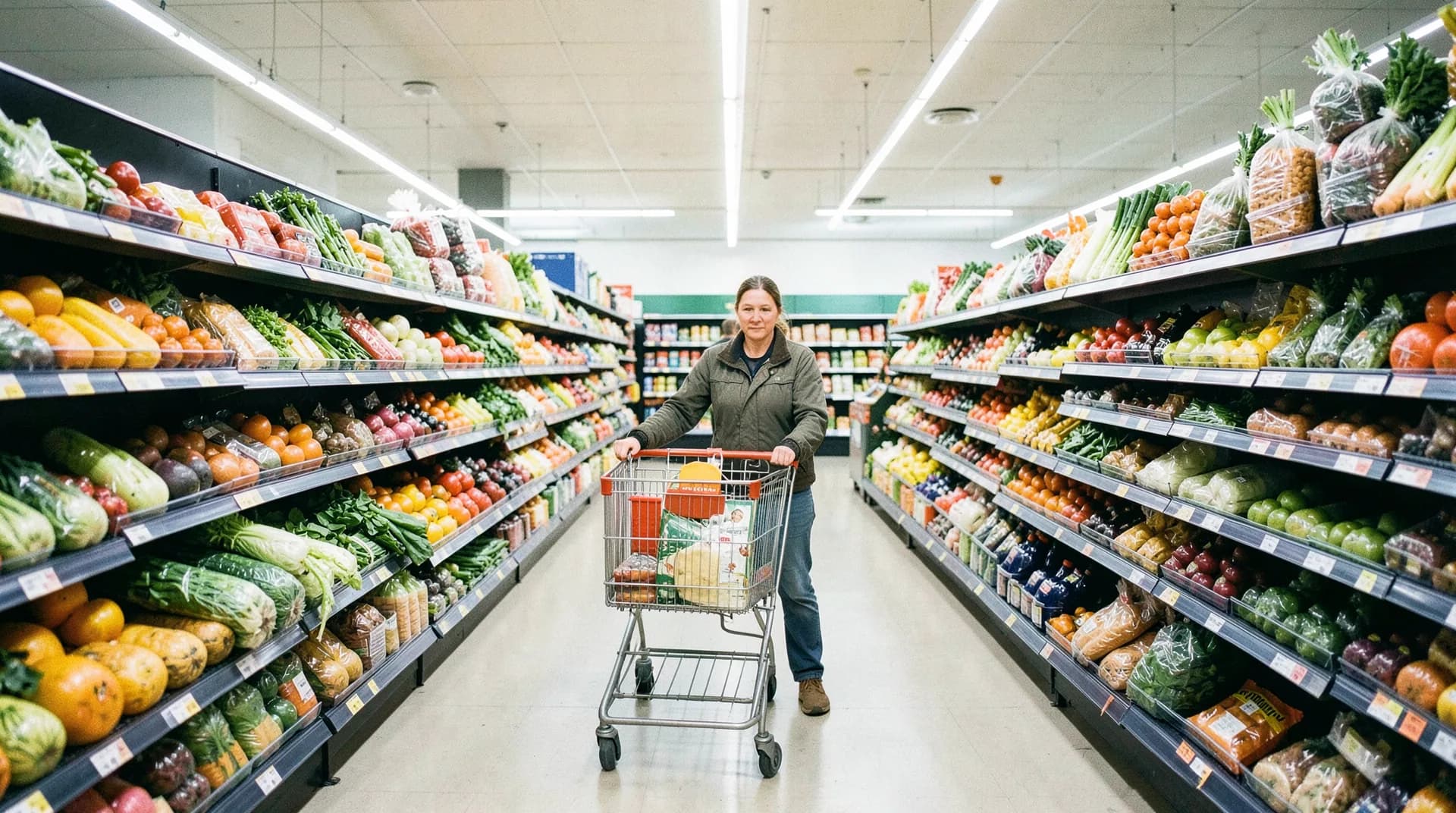
Brisbane's grocery costs sit slightly below the national average, and if you're strategic about where you shop, you can keep your food budget very reasonable.
Average Weekly Grocery Costs
| Item | Approximate Cost |
|---|---|
| Milk (2L) | $3.00-$3.50 |
| Bread (loaf) | $3.20-$5.00 |
| Rice (1kg) | $2.80-$4.50 |
| Chicken breast (1kg) | $9.50-$13.00 |
| Eggs (dozen) | $5.00-$7.50 |
| Bananas (1kg) | $2.50-$4.00 |
| Apples (1kg) | $4.00-$6.00 |
| Cheddar cheese (1kg) | $9.00-$13.00 |
Weekly grocery totals:
| Household Type | Budget Range |
|---|---|
| Single person | $80-$120 |
| Couple | $150-$200 |
| Family of four | $250-$350 |
Shopping at Aldi, Woolworths, or Coles will cover most needs. For cheaper produce, head to the Rocklea Markets on Saturday mornings — you'll get fresh fruit and vegetables at well below supermarket prices. South Bank also hosts weekend markets, though these tend to be pricier and more gourmet-oriented.
Dining Out
Eating out in Brisbane is cheaper than in Sydney, but it still adds up quickly. A meal at an inexpensive restaurant runs $18-$25, while a three-course dinner for two at a mid-range spot costs $90-$140. Coffee averages $5.00-$5.50 for a flat white.
Transport
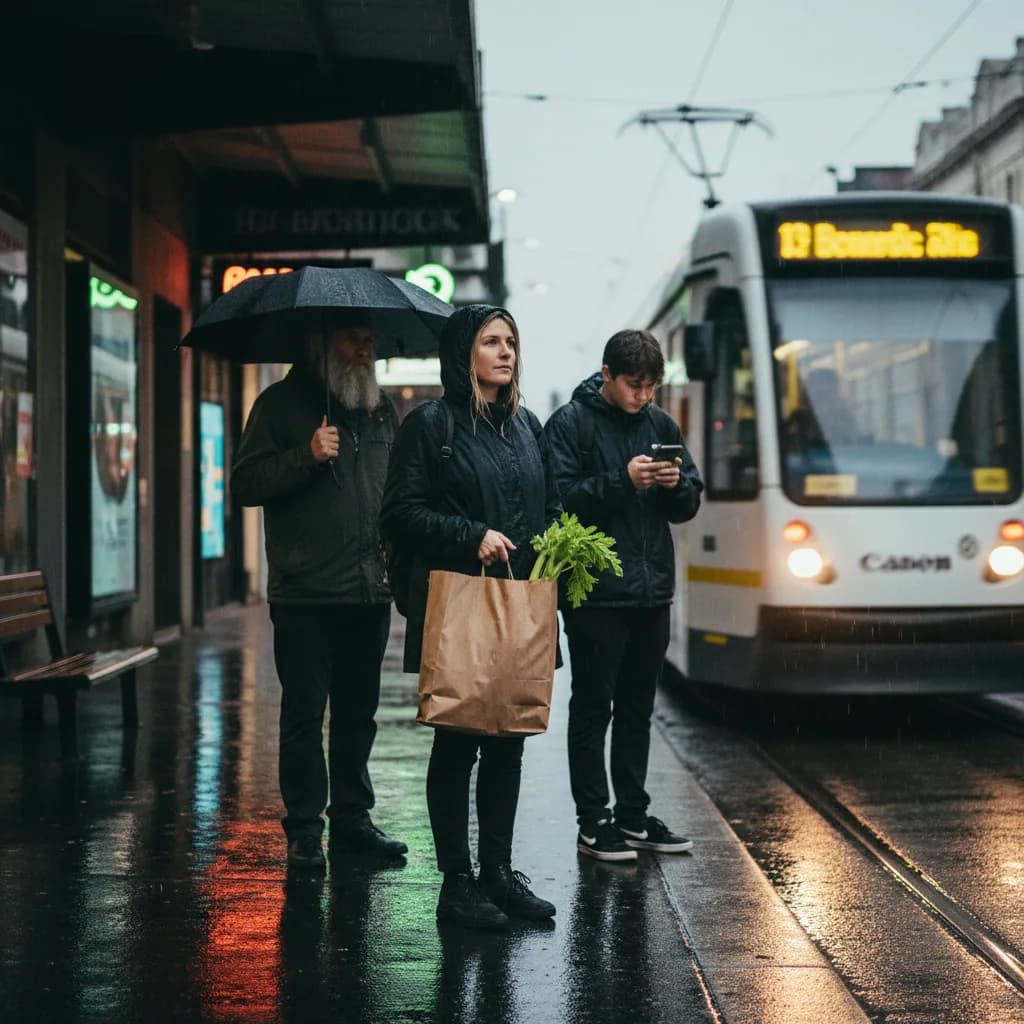
Brisbane's public transport system runs on the TransLink network, covering buses, trains, and ferries (including the free CityHopper ferry along the river).
Transport Costs (2026)
| Mode | Cost |
|---|---|
| Monthly pass (all zones) | ~$170 |
| Single trip (1 zone, go card) | $3.37 |
| Single trip (2 zones, go card) | $4.70 |
| Weekly cap | ~$42 |
| CityHopper ferry | Free |
The go card (Brisbane's smart card for public transport) offers a 30% discount over paper tickets. You can get one at most train stations, convenience stores, and online.
Getting around by car:
- Petrol: $1.80-$2.10 per litre
- Registration: approximately $750-$900 per year
- Tolls: Brisbane has several toll roads (Legacy Way, Airport Link, Go Between Bridge), costing $3-$6 per trip
Is Brisbane's transport system good enough to go car-free? For most inner-city residents, absolutely. The train and bus network covers the metro area well, and Brisbane's flat terrain makes cycling practical. The city has been expanding its bikeway network ahead of 2032, with protected lanes now connecting most inner suburbs.
Utilities
Brisbane's subtropical climate means you'll run air conditioning heavily in summer but save on heating in winter.
| Utility | Monthly Cost (1-Bed) | Monthly Cost (2-Bed) |
|---|---|---|
| Electricity | $80-$130 | $120-$180 |
| Gas (if connected) | $30-$50 | $40-$70 |
| Water | $25-$40 | $35-$55 |
| Internet (NBN) | $70-$90 | $70-$90 |
| Mobile plan | $30-$55 | $30-$55 |
Total utilities (1-bed apartment): approximately $235-$365 per month.
Queensland's electricity prices have been among the highest in the country, though solar panel adoption is widespread — roughly one in three Brisbane homes has rooftop solar, which can significantly cut power bills.
Healthcare
If you're an Australian citizen or permanent resident, you'll have access to Medicare, which covers GP visits, public hospital treatment, and subsidised prescriptions through the PBS.
Temporary visa holders generally aren't covered by Medicare (with exceptions for citizens of countries with reciprocal healthcare agreements). If you're on a student visa, you'll need OSHC insurance, which costs $500-$700 per year for a single person.
A standard GP visit without Medicare costs $60-$100. Private health insurance extras cover dental, optical, and physiotherapy.
Monthly Budget Summary
Here's what a realistic monthly budget looks like for different household types in Brisbane:
Single Person
| Category | Budget ($AUD/month) |
|---|---|
| Rent (1-bed, inner suburb) | $1,800-$2,200 |
| Groceries | $350-$520 |
| Transport | $170 |
| Utilities | $235-$365 |
| Dining/entertainment | $200-$400 |
| Health insurance/Medicare | $0-$60 |
| Phone + internet | $100-$145 |
| Total | $2,855-$3,860 |
Couple
| Category | Budget ($AUD/month) |
|---|---|
| Rent (2-bed, inner suburb) | $2,200-$2,800 |
| Groceries | $650-$870 |
| Transport | $340 |
| Utilities | $265-$395 |
| Dining/entertainment | $350-$600 |
| Health insurance/Medicare | $0-$120 |
| Phone + internet | $130-$200 |
| Total | $3,935-$5,325 |
Brisbane vs. Sydney and Melbourne
How does Brisbane actually stack up? Here's a direct comparison:
| Expense | Brisbane | Melbourne | Sydney |
|---|---|---|---|
| 1-bed rent (city) | $450-$550/wk | $450-$600/wk | $650-$850/wk |
| Groceries (single/wk) | $80-$120 | $90-$130 | $120-$180 |
| Monthly transport | ~$170 | ~$170 | ~$200 |
| Median house price | ~$800K | ~$900K | ~$1.2M |
| Coffee (flat white) | $5.00-$5.50 | $5.00-$5.50 | $5.50-$6.00 |
Brisbane is roughly 15-20% cheaper than Melbourne and 25-35% cheaper than Sydney for overall living costs. The gap narrows for groceries and widens significantly for rent and property prices.
The Olympics Effect: What's Changing
Brisbane 2032 isn't just a sporting event — it's reshaping the entire city. Billions of dollars in infrastructure spending are already underway:
- Cross River Rail — a new underground rail line through the CBD, opening soon
- Brisbane Metro — dedicated busway vehicles connecting key suburbs
- Gabba redevelopment — the main athletics stadium is getting a major overhaul
- Queens Wharf — a new entertainment and tourism precinct on the river
What does this mean for migrants? More jobs in construction, hospitality, event management, and professional services. It also means certain suburbs near Olympic venues are seeing property values climb faster than the city average. If you're thinking long-term, Brisbane's trajectory looks strong.
Regional Queensland: Even Cheaper
If Brisbane still feels expensive, regional Queensland offers dramatically lower costs. Cities like Toowoomba, Townsville, Cairns, and the Sunshine Coast have rents 20-40% below Brisbane, with most essential goods priced similarly.
Regional living also carries immigration benefits — certain visa pathways offer additional points or priority processing for applicants willing to live and work in regional areas. Queensland's regional centres qualify for these provisions.
| Regional City | 1-Bed Rent (wk) | 2-Bed Rent (wk) |
|---|---|---|
| Sunshine Coast | $380-$470 | $450-$580 |
| Gold Coast | $400-$500 | $480-$620 |
| Toowoomba | $280-$360 | $340-$440 |
| Townsville | $250-$340 | $320-$420 |
| Cairns | $270-$350 | $330-$430 |
Tips for Keeping Costs Down in Brisbane
- Use the go card — never pay cash fares on public transport, the difference is significant
- Shop at Aldi — consistently 15-20% cheaper than Coles and Woolworths for staples
- Take advantage of free entertainment — South Bank parklands, botanic gardens, river walks, and beach-style swimming are all free
- Consider house sharing — a room in a shared house costs $200-$300 per week, saving you $150+ compared to renting solo
- Get a TFN immediately — without a Tax File Number, you'll be taxed at 45% on any income
- Open a bank account early — within your first 6 weeks, you only need a passport. After that, ID requirements get stricter. Read our banking guide for details.
Frequently Asked Questions
Is Brisbane cheaper than Sydney and Melbourne?
Yes, significantly. Brisbane's overall cost of living is roughly 25-35% cheaper than Sydney and 15-20% cheaper than Melbourne. The biggest savings come from rent — a 1-bedroom apartment in Brisbane's CBD costs $450-$550 per week compared to $650-$850 in Sydney's CBD.
How much money do I need to move to Brisbane?
Plan for at least $5,000-$8,000 AUD in initial settlement costs. This covers bond and advance rent ($2,400-$4,400), temporary accommodation while searching ($500-$1,500), basic furniture and household items ($500-$1,000), and your first month's groceries and transport ($500-$700).
Will the 2032 Olympics make Brisbane more expensive?
Property prices and rents in Brisbane have been trending upward, partly due to Olympic-driven development. However, the increased investment is also creating jobs and improving infrastructure, which can offset higher costs through better employment opportunities and more efficient transport.
Is regional Queensland a good option for new migrants?
Regional Queensland offers rents 20-40% below Brisbane and can provide immigration advantages, including additional points for certain skilled visa applications. Cities like Toowoomba and Townsville have growing economies and lower living costs, making them worth considering — especially if your occupation is in demand in those regions.
What salary do I need to live comfortably in Brisbane?
A single person earning the minimum wage of $24.10/hr (around $50,000/year before tax) can cover basic expenses, but comfort starts at around $60,000-$70,000 per year. A couple with a combined income of $100,000-$120,000 will live comfortably in most suburbs. These figures assume renting, not buying property.