Video Producer Visa Pathway to Australia: Complete 2026 Guide
Updated: 16 August 2026
Australia classifies Video Producer under ANZSCO 212318, a Skill Level 1 occupation. VETASSESS conducts the skills assessment as a Group B occupation. The role is on the Core Skills Occupation List and the STSOL, opening subclasses 190, 491, 482 and 186. Typical 2026 salaries range AUD $75,000 to $95,000. The code is a relatively new addition under ANZSCO 2022, so older migration material often omits it.
Quick Facts: Video Producer Migration Pathway
| Detail | Information |
|---|---|
| ANZSCO Code | 212318 (Video Producer) |
| Skill Level | 1 (Bachelor degree or higher, or five years' relevant experience) |
| Skills Assessment | VETASSESS (Vocational Education and Training Assessment Services) |
| Occupation List | CSOL and STSOL — not on the MLTSSL |
| Visa Options | 190, 491, 482, 186 |
| Demand Level | Moderate — driven by digital content, advertising and corporate media |
| Salary Range | AUD $75,000-$95,000 (SEEK, 2026) |
| Typical 190/491 Score | 65-80 points plus state nomination, where a state nominates the code |
| Key Challenge | A newer code, so evidence must map duties precisely to 212318 |
What Video Producers Do in Australia
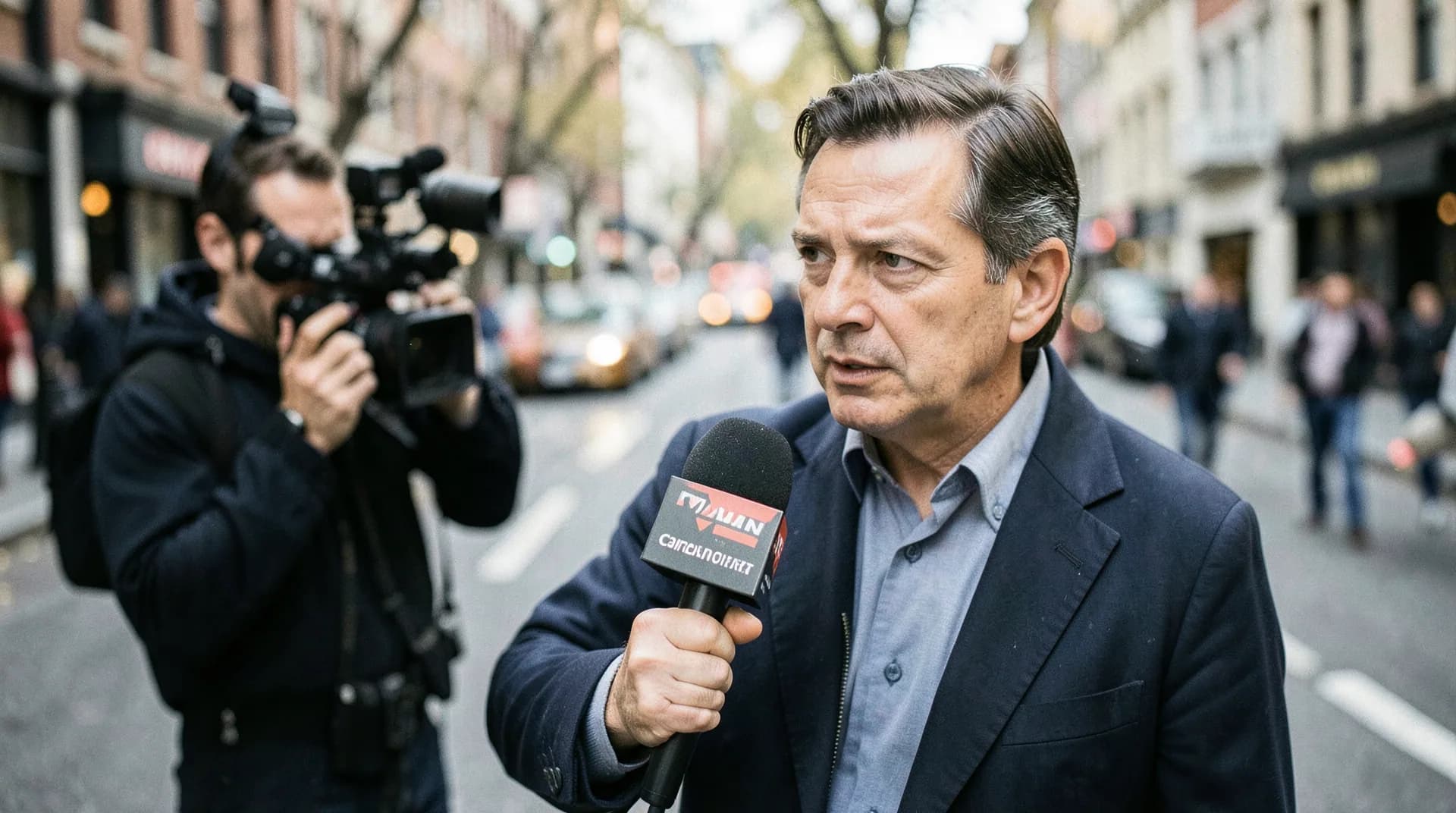
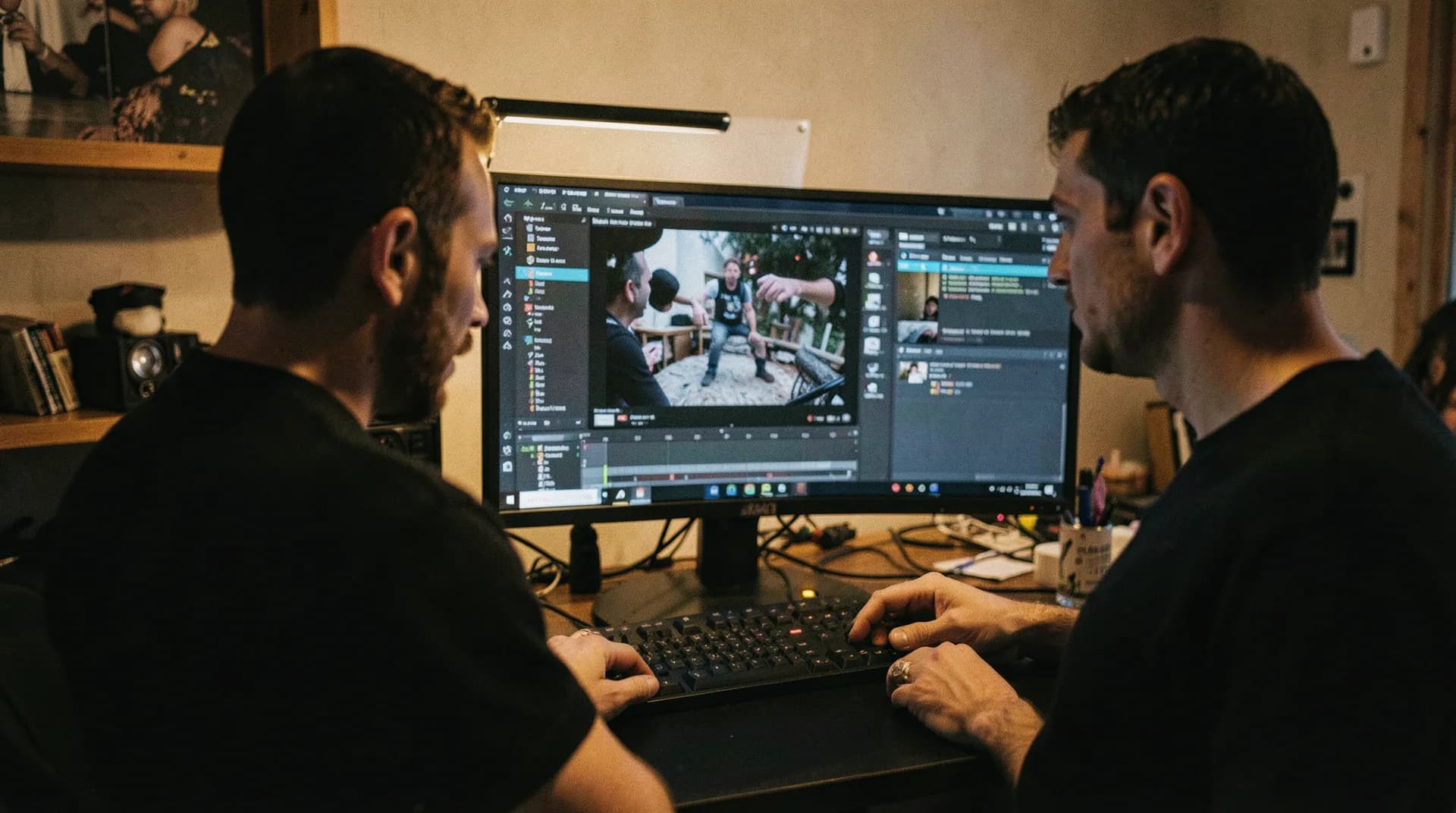
Video producers plan, organise and coordinate the production of film and video content. The role covers concept development, scripting, budgeting, scheduling, and managing the shoot and post-production. A producer works with directors, camera operators, editors and clients to deliver finished video to brief, on time and on budget. The job is part creative, part project management. In many Australian roles, especially in-house and agency positions, the producer also handles aspects of shooting and editing.
Demand has shifted from traditional broadcast toward digital and corporate content. Brands, agencies, streaming platforms, universities, government departments and large companies all produce video at volume now. Social video, explainer content, training material and branded series keep producers busy outside the traditional film and television sector. Freelance and contract work is common, though employer-sponsored migration needs an ongoing position rather than project-by-project freelancing.
The work concentrates in Sydney and Melbourne, the hubs of advertising, media and screen production. The Gold Coast and Brisbane host a significant screen industry supported by Queensland production incentives. Perth, Adelaide and Canberra add agency, corporate and government video work. Streaming investment and federal and state screen incentives have lifted overall production volume in recent years.
ANZSCO Code 212318: Video Producer
ANZSCO 212318 covers professionals who plan, organise and coordinate the production of film and video. The code is a newer entry, recognised under the ABS ANZSCO 2022 revision, which added and reorganised several arts and media occupations. The ABS places it in unit group 2123 (Film, Television, Radio and Stage Directors and related roles). The skill level matches a bachelor degree or higher, with five years of relevant experience sometimes substituting for the qualification.
Indicative tasks include developing concepts, preparing budgets and schedules, coordinating cast and crew, overseeing the production process and ensuring the finished video meets its objectives.
Because the code is recent, evidence matters more than usual. If your work is mostly interactive or web-based media rather than video production, look at Multimedia Specialist (261211). If you report and present for television, that is Television Journalist (212416). The ANZSCO code finder confirms the closest match.
Skills Assessment: VETASSESS
VETASSESS assesses Video Producer as a Group B professional occupation. Group B requires a qualification highly relevant to the occupation and employment at the appropriate skill level.
Required qualification: An AQF Bachelor degree or higher in a highly relevant field. For video production, relevant fields commonly include film and television production, media, screen production or communications.
Employment requirement: The standard pathway needs a highly relevant degree plus at least one year of post-qualification employment in the past five years. Less relevant qualifications require more experience, scaling up to six years where the degree is in an unrelated field. All pathways require at least 20 hours per week of paid, highly relevant work.
Assessment cost: AUD $1,205.60 from within Australia (GST inclusive), or AUD $1,096.00 from outside Australia. Priority processing adds AUD $825.
Processing time: A fixed seven-week target for professional occupations applies from 1 December 2025, or 10 business days with priority processing.
Common rejection reasons: Applicants who present themselves as producers but whose evidence shows mainly camera or editing work, which points to a different occupation. Freelance producers also find it harder to evidence continuous paid employment at 20 hours per week, so contracts and payment records need to be thorough.
See how VETASSESS sits among the assessing authorities on the skills assessment bodies list.
Visa Pathways for Video Producers
Video Producer is on the CSOL and STSOL but not the MLTSSL. The 189 independent visa is closed. The routes are employer sponsorship and, where a state lists the code, state nomination.
Subclass 482 — Skills in Demand Visa
A practical primary pathway, since agencies, broadcasters and large in-house media teams sponsor and the code qualifies for the Core Skills stream as a CSOL occupation.
- Base application charge: AUD $3,115 (primary applicant)
- Salary floor: The employer must pay at least the Core Skills Income Threshold of AUD $76,515 (from 1 July 2025), rising to AUD $79,499 from 1 July 2026, or the market rate if higher
- Duration: Up to four years
- Quirk: Mid-level and senior producer salaries clear the income threshold, but junior in-house roles can sit close to it. Confirm the offer clears the floor before lodging.
Subclass 186 — Employer Nomination Scheme
Permanent residency through an employer, available because the occupation is on the CSOL.
- Base application charge: AUD $3,520 (primary applicant)
- Streams: Direct Entry, or Temporary Residence Transition after a qualifying period on a 482
- Quirk: Direct Entry requires three years of relevant experience and a positive VETASSESS assessment. Established producers with steady employment can sometimes use Direct Entry; freelancers usually transition through a 482 with a single employer first.
Subclass 190 — State Nominated Visa
A permanent points-tested visa adding five points, possible because the occupation is on the CSOL. Usability depends on a state nominating the code in the program year.
- Base application charge: AUD $6,140 (primary applicant)
- Points boost: +5 for state nomination
- Obligation: Live and work in the nominating state, generally for two years
Subclass 491 — Skilled Work Regional (Provisional) Visa
A five-year provisional visa with a permanent pathway through subclass 191. Regional or family nomination adds 15 points.
- Base application charge: AUD $6,140 (primary applicant)
- Points boost: +15 for regional nomination
- Quirk: Queensland's screen sector, including the Gold Coast, sits partly in regional zones, which can align a production job with a 491 nomination.
Points Test Strategy
Video Producer is on the CSOL, not the MLTSSL, so the 189 is unavailable. The points test applies to the 190 and 491 only where a state nominates the code. Lodge an Expression of Interest through SkillSelect alongside a state nomination application.
| Points Factor | Points | Notes |
|---|---|---|
| Age (25-32) | 30 | Maximum bracket |
| Age (33-39) | 25 | Still competitive |
| English (Superior, IELTS 8/PTE 79) | 20 | Worth targeting for the points |
| English (Proficient, IELTS 7/PTE 65) | 10 | The common result |
| Bachelor degree | 15 | Skill Level 1 minimum |
| Skilled employment (8-10 years) | 15 | Overseas and Australian combined |
| State nomination (190) | 5 | Only where a state nominates 212318 |
| Regional nomination (491) | 15 | Only where a state nominates 212318 |
| Partner skills | 5-10 | If your partner has a skilled occupation |
Realistic Scenarios
Scenario 1: Senior producer, 30, Superior English, eight years' experience. Age 30 + English 20 + degree 15 + experience 15 = 80 points before nomination. A 491 nomination (+15) reaches 95. The constraint is whether a state lists 212318, not the score.
Scenario 2: Mid-career producer, 36, Proficient English, six years' experience. Age 25 + English 10 + degree 15 + experience 10 = 60 points. A 491 nomination (+15) lifts this to 75. Where state nomination is uncertain, an employer-sponsored 482 is the steadier route.
State Nomination
State nomination for Video Producer changes each program year. State and territory lists prioritise health, engineering, trades and core ICT, so creative occupations appear less often and with smaller allocations. Where a state with an active screen industry lists the code, the opportunity can align with local production demand.
Confirm the occupation on the current nominated occupation list of the state or territory you are targeting before planning around the 190 or 491. The employer-sponsored route is the more reliable foundation, with state nomination as a secondary option.
Salary and Employment Outlook
| Role | Typical Salary Range |
|---|---|
| Junior / Associate Producer | AUD $60,000-$78,000 |
| Video Producer (mid-level) | AUD $75,000-$95,000 |
| Senior Producer | AUD $95,000-$120,000 |
| Executive / Head of Content | AUD $120,000-$160,000+ |
| Freelance / Contract Producer | AUD $400-$800/day |
Figures reflect SEEK 2026 advertised salary data for producer roles, which sits around AUD $75,000 to $95,000, cross-checked against PayScale and Glassdoor video producer data in the low-to-mid $80,000s. Total packages add superannuation at 11.5 per cent. Senior agency and broadcast producers and those running large content teams earn at the upper end.
The strongest-paying employers are advertising agencies, broadcasters, streaming platforms and large corporates with in-house media teams. Sydney and Melbourne carry the most roles and the highest pay. Queensland's screen sector, supported by production incentives, adds film and series work, while government and university media units provide steadier, if lower-paid, positions.
Tips for a Successful Application
-
Show producing, not shooting or editing. The code is for coordinating productions. Evidence must emphasise concept development, budgeting, scheduling and managing crew, not camera or post-production work. Producers who present mostly hands-on craft work risk being assessed against a different occupation.
-
Document continuous paid employment. VETASSESS wants at least 20 hours per week of relevant work. Freelancers should assemble contracts, invoices and payment records that prove consistent producing work, not occasional projects.
-
Use the recency of the code to your advantage and check it carefully. Video Producer entered ANZSCO under the 2022 revision, so some older guides omit it. Confirm current list status on the Core Skills Occupation List before relying on out-of-date sources.
-
Confirm the salary clears the income threshold. A 482 needs the employer to pay at or above the Core Skills Income Threshold. Senior and agency roles clear it; junior in-house roles can be borderline.
-
Lead with employer sponsorship. With the 189 closed and state nomination uncertain for creative codes, a 482 followed by a 186 transition is usually the most dependable path. Treat state nomination as a bonus.
Step-by-Step Migration Roadmap
- Confirm your ANZSCO code using the ANZSCO code finder — verify your work is producing, not crewing.
- Check list status against the Core Skills Occupation List and the skilled occupation list.
- Gather employment evidence showing producing duties at 20+ hours per week.
- Sit an English test — aim for Superior for points-tested visas.
- Lodge a VETASSESS skills assessment (AUD $1,205.60 in Australia / $1,096 outside).
- Secure an employer sponsor for the 482, or check whether a state nominates 212318.
- Submit an Expression of Interest through SkillSelect for the 190 or 491.
- Apply for state nomination where the occupation is listed.
- Lodge the visa after invitation or employer nomination approval.
- Complete health and character checks.
- Receive the grant and relocate.
Frequently Asked Questions
Can a video producer get a 189 visa in Australia?
No. Video Producer (212318) is on the Core Skills Occupation List and the STSOL but not the MLTSSL, and the subclass 189 draws only from the MLTSSL. The available pathways are employer sponsorship (482 and 186) and, where a state nominates the code, the points-tested 190 and 491.
Why do some migration guides not list Video Producer?
The code was added under the ABS ANZSCO 2022 revision, which introduced and reorganised several arts and media occupations. Older migration material predates that change and may use a broader film or television code instead. Always check the current Core Skills Occupation List rather than older summaries.
How is Video Producer different from Multimedia Specialist for migration?
Video Producer (212318) coordinates film and video productions and is assessed by VETASSESS. Multimedia Specialist (261211) builds interactive and web-based digital media, is on the MLTSSL, is assessed by the ACS and has access to the 189. If your work is interactive media rather than video production, the multimedia code may give a stronger pathway.
Can a freelance video producer migrate on a skilled visa?
It is possible but harder. VETASSESS requires evidence of at least 20 hours per week of relevant paid work, which freelancers must document through contracts and payment records. Employer-sponsored visas need an ongoing position, so a freelancer usually has to secure a salaried role to access the 482.
What is the demand outlook for video producers in Australia in 2026?
Moderate and shifting toward digital. Traditional broadcast has flattened, but advertising, streaming, corporate and social content keep producers in demand, supported by federal and state screen incentives. Sydney, Melbourne and the Queensland screen sector carry most of the opportunities.