Animal Husbandry Technician Visa Pathway to Australia: Complete 2026 Guide
Updated: 16 August 2026
Australia classifies an Animal Husbandry Technician under ANZSCO 311113, a Skill Level 2 occupation. VETASSESS conducts the skills assessment. The occupation sits on the Core Skills Occupation List (CSOL) but not the MLTSSL, so the eligible visas are the employer-sponsored 482 and 186. Typical 2026 salaries run AUD $65,000 to $85,000. The role supports Australia's livestock and breeding industries through technical husbandry work.
Quick Facts: Animal Husbandry Technician Migration Pathway
| Detail | Information |
|---|---|
| ANZSCO Code | 311113 (Animal Husbandry Technician) |
| Skill Level | 2 (AQF Associate Degree, Advanced Diploma or Diploma; or three years' relevant experience) |
| Skills Assessment | VETASSESS (Vocational Education and Training Assessment Services) |
| Occupation List | CSOL |
| Visa Options | 482, 186 |
| Demand Level | Moderate — concentrated in livestock, dairy and animal breeding regions |
| Salary Range | AUD $65,000-$85,000 (Talent.com / SEEK, 2026) |
| Typical 189 Score | Not applicable — 311113 is not on the MLTSSL, so no subclass 189 |
| Key Challenge | Employer sponsorship is the only route, so a job offer comes before the visa |
What an Animal Husbandry Technician Does in Australia
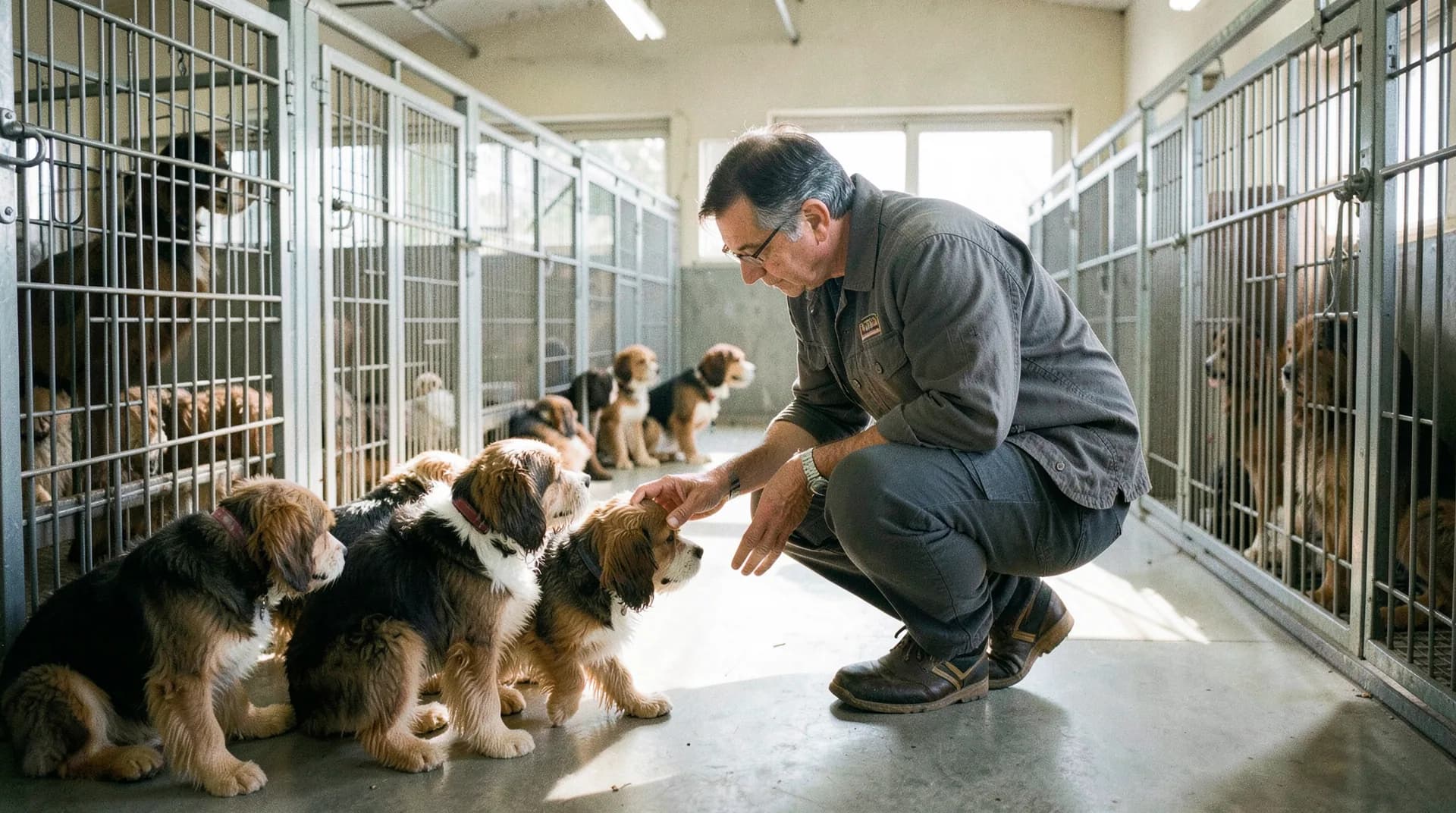
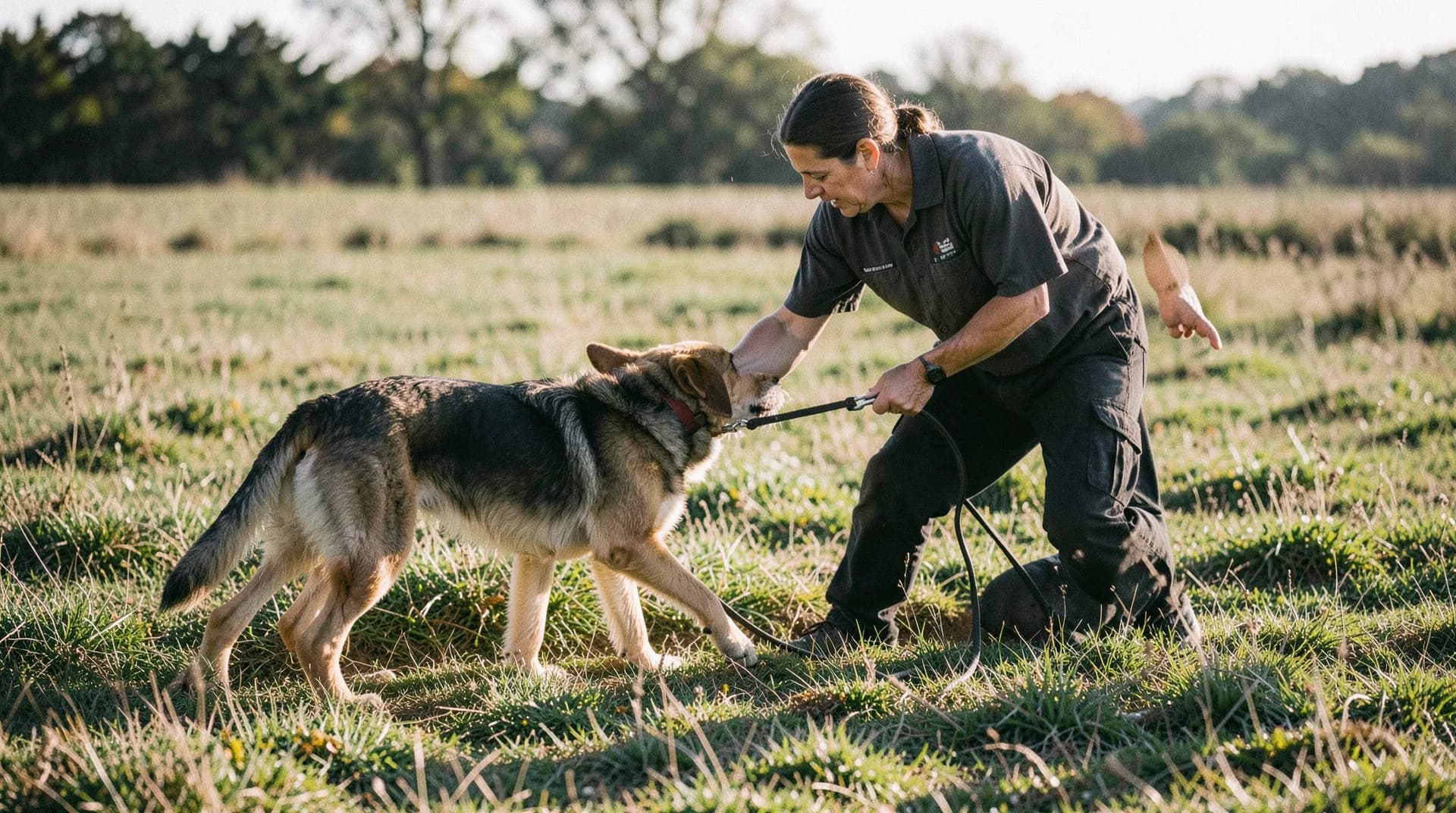
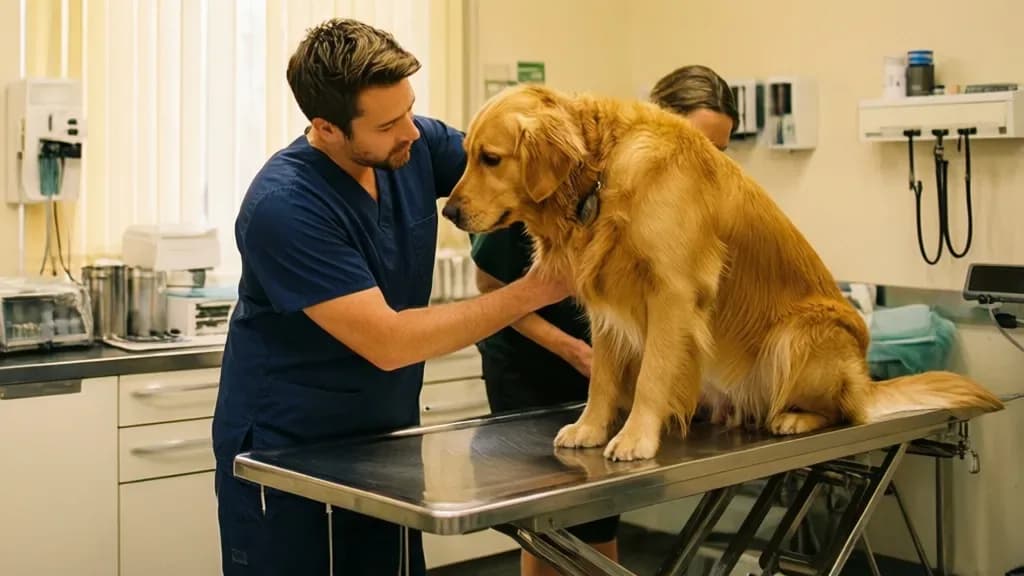
An Animal Husbandry Technician assists livestock farmers, farm managers and veterinary teams with technical breeding and management tasks. The work covers pregnancy testing, artificial insemination, lactation management, nutrition assessment, and monitoring animal health and behaviour. These are skilled hands-on duties that sit above general farm labour and below veterinary diagnosis.
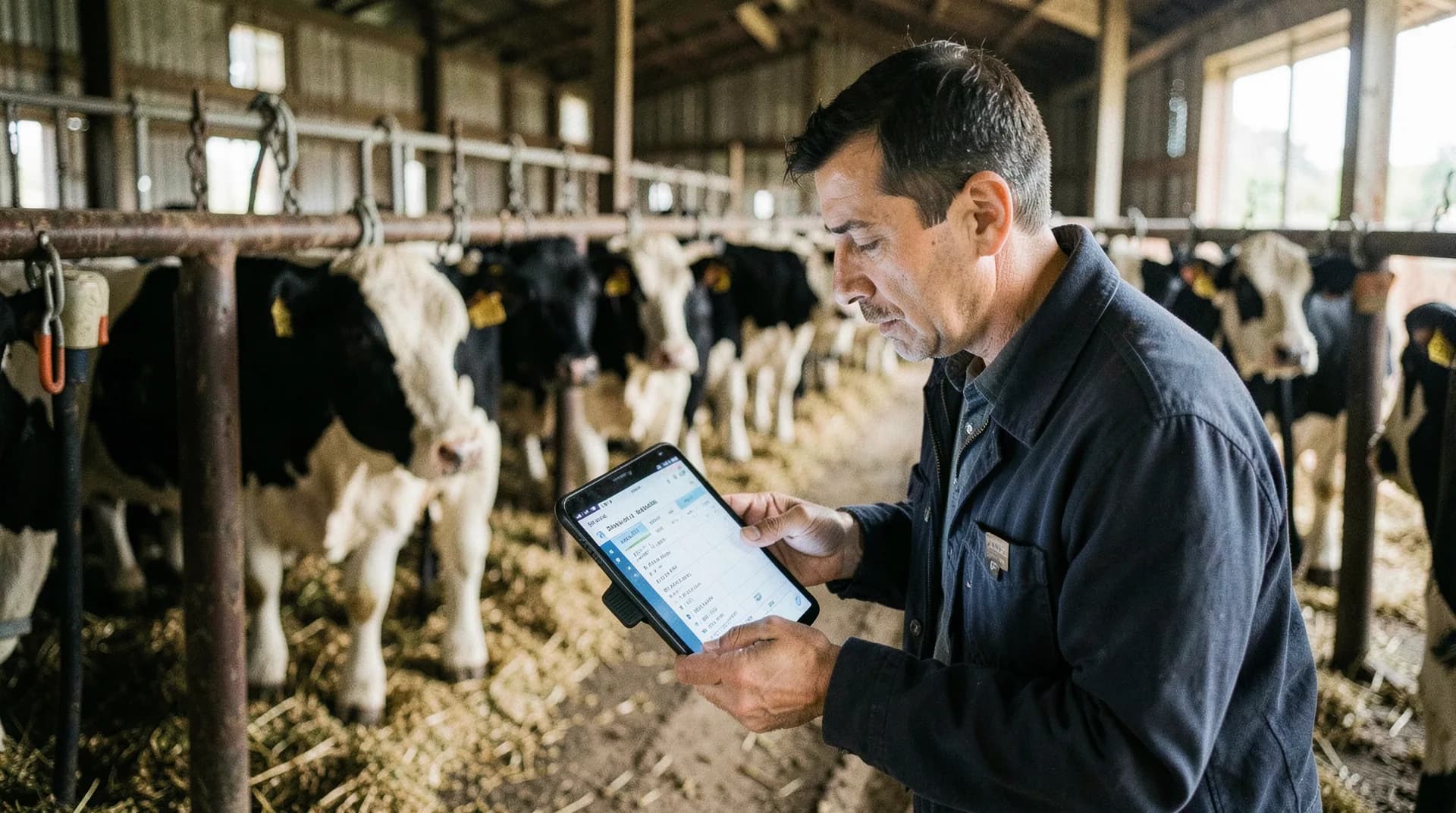
Australian demand follows the livestock map. Beef and dairy regions across Queensland, New South Wales, Victoria and the southern states employ technicians on cattle stations, dairy operations and stud breeding enterprises. Sheep and wool districts add further demand. The growth of genetics and reproduction services has lifted the value of technicians who can run an artificial insemination program or manage a breeding cycle without constant veterinary supervision.
The role is rural and physical. Most positions are based on or near production properties rather than in capital cities. That geography shapes the visa strategy, because regional employers are often the sponsors.
Australia's livestock industries place real value on reproductive technology. A technician who can carry out artificial insemination, run pregnancy testing across a herd, and manage a structured breeding program reduces a property's reliance on visiting veterinary services. That makes the role more skilled than the title suggests, and it is the reason 311113 carries a Skill Level 2 classification rather than sitting among general farm labouring roles. Properties running stud cattle or pedigree sheep lines, where genetic gain directly affects sale prices, are the operations most willing to invest in a qualified technician.
ANZSCO Code 311113 Explained
ANZSCO 311113 sits within Unit Group 3111, Agricultural, Agritech and Aquaculture Technicians. The official duties centre on assisting livestock farmers and farm managers by undertaking technical animal husbandry tasks: pregnancy testing, artificial insemination, lactation management, and nutrition assessment and advice.
The code is distinct from the broader Agricultural and Agritech Technician role (311111), which covers crop and general agricultural technical work, and from Veterinary Nurse roles. If your work focuses on plant or soil science you belong under a different code. Read the full task list on the ANZSCO code finder and match it honestly, because VETASSESS assesses your duties against this exact description.
Skills Assessment
VETASSESS (Group C Technical Occupation)
VETASSESS assesses Animal Husbandry Technician as a Skill Level 2 occupation. Confirm current requirements on the VETASSESS occupation page.
Requirements:
- A qualification assessed as comparable to an AQF Associate Degree, Advanced Diploma or Diploma in a highly relevant field such as animal science, agriculture or animal husbandry
- Post-qualification employment at an appropriate skill level, with more employment required where the qualification is less related
- Where you hold no formal qualification, at least three years of relevant experience may be considered, though a qualified pathway is stronger
Assessment cost: AUD $1,096 offshore or AUD $1,205.60 onshore, including GST (effective 22 October 2025).
Processing time: Around 7 weeks standard, or roughly 10 business days with Priority Processing for an additional AUD $825 offshore.
Common rejection reasons: The frequent failure is a general agriculture qualification with no clear animal husbandry specialisation, paired with references that describe routine stockwork rather than technical breeding tasks. References that show artificial insemination, pregnancy testing and reproduction management read far stronger.
Visa Pathways for Animal Husbandry Technicians
ANZSCO 311113 is on the CSOL but not the MLTSSL. The points-only 189, 190 and 491 visas are not available for this code. The realistic routes are employer-sponsored.
Subclass 482 — Skills in Demand Visa
This is the primary pathway. An approved employer sponsors you for a genuine technical position.
- Visa fee: AUD $1,895 (primary applicant, Core Skills stream, 2026)
- Constraint: The sponsoring property or company must be an accredited or approved sponsor and pay at or above the relevant income threshold
- Processing: Published Home Affairs timeframes vary by stream and sponsor accreditation status
- Quirk: Larger pastoral companies, dairy groups and breeding services are the realistic sponsors. Small family properties rarely hold sponsor approval, so target established agribusinesses.
Subclass 186 — Employer Nomination Scheme
Permanent residency through employer sponsorship, available through the Direct Entry stream or the Temporary Residence Transition stream after time on a 482.
- Visa fee: AUD $6,140 (primary applicant, 2026)
- Constraint: Direct Entry requires a positive skills assessment and at least three years of relevant experience
- Quirk: Many technicians reach the 186 by first working on a 482, building the local track record that employers value before nominating for permanent residency.
Because there is no points-tested pathway for this code, a points strategy section does not apply. Your effort goes into the skills assessment and securing a sponsoring employer rather than into building an expression of interest score.
State Nomination
State and territory nomination through subclasses 190 and 491 is not available for Animal Husbandry Technician, because the occupation is not on the MLTSSL and these visas require a points-tested occupation. Some regional workforce programs and designated area migration agreements support agricultural employers, and those arrangements can change. If you are aiming at a specific livestock region, ask prospective employers whether they participate in a designated area migration agreement, since those agreements sometimes cover occupations that the standard skilled program does not.
Salary and Employment Outlook
| Role | Typical Salary Range |
|---|---|
| Animal Husbandry Technician (entry) | AUD $65,000-$72,000 |
| Animal Husbandry Technician (experienced) | AUD $75,000-$82,000 |
| Senior / Breeding Program Technician | AUD $82,000-$90,000 |
Talent.com reports an Australian average near AUD $69,000 per year for animal technicians, with experienced workers reaching about $83,000. SEEK's 2026 range sits between roughly $65,000 and $85,000 depending on the source month. Salaries usually include compulsory superannuation at 11.5 per cent. Rural roles often add on-property accommodation or a vehicle, which lifts the effective package well above the headline figure.
The strongest employers are large pastoral companies, dairy enterprises, stud breeding operations, and livestock genetics and reproduction services. Pay is broadly consistent across regions, with remote-location allowances and accommodation making the most isolated postings competitive on total package.
Tips for a Successful Application
- Secure the employer first. With no points pathway, the job offer is the gateway. Focus your search on accredited-sponsor agribusinesses rather than small family properties that cannot sponsor.
- Build references around technical tasks. Pregnancy testing, artificial insemination and lactation management carry your assessment. References that only describe mustering and feeding read as general farm labour and risk a negative outcome.
- Hold a specialised qualification if you can. An animal science or animal husbandry Diploma or Associate Degree assesses more cleanly than a broad agriculture certificate. Where your qualification is general, lean on demonstrable specialised experience.
- Plan the 482-to-186 sequence. Many technicians treat the 482 as the entry visa and the 186 as the permanent goal. Document your work carefully from day one so the later nomination is straightforward.
- Check for designated area migration agreements. Some agricultural regions run agreements that broaden sponsorship options. Ask employers directly, because these arrangements are not always published prominently.
Step-by-Step Migration Roadmap
- Confirm your duties match ANZSCO 311113
- Check 311113 on the Core Skills Occupation List
- Confirm VETASSESS is your assessor on the skills assessment bodies list
- Gather qualification documents and technical employment references
- Lodge your VETASSESS skills assessment
- Search for an approved-sponsor agribusiness employer
- Have the employer nominate you for a subclass 482
- Sit an English test to meet the visa requirement
- Lodge the 482 visa application
- After qualifying time, pursue the subclass 186 for permanent residency
- Complete health and character checks
- Receive the grant and relocate
Frequently Asked Questions
Can an Animal Husbandry Technician get permanent residency directly?
Yes, through the employer-sponsored subclass 186. Because 311113 is on the CSOL rather than the MLTSSL, there is no points-only independent route. Most applicants either lodge a 186 Direct Entry with three years' experience or transition from a 482 after working in Australia. The Skilled Occupation List 2026 shows how list status controls which visas apply.
How is this role different from a veterinary nurse or a veterinarian?
An Animal Husbandry Technician handles breeding and management tasks such as artificial insemination and lactation management on production properties. A veterinary nurse supports clinical practice, and a veterinarian diagnoses and treats animals under registration. The codes, assessing bodies and visa pathways differ, so match your real duties before choosing.
Do I need a formal qualification or is experience enough?
A relevant Diploma or Associate Degree gives the cleanest assessment. VETASSESS can consider at least three years of relevant experience where you hold no formal qualification, but a qualified application is more reliable and avoids common rejection grounds.
Which regions hire the most Animal Husbandry Technicians?
Demand follows livestock production. Beef and dairy regions across Queensland, New South Wales, Victoria and the southern states are the main employers, with stud breeding and genetics services adding specialised roles. For the broader demand picture, see the most in-demand occupations list.
Is the 482 visa hard to obtain for this occupation?
The main hurdle is finding an accredited sponsor, not the visa itself. Established pastoral companies, dairy groups and breeding services do sponsor technicians. Once a genuine position and a compliant salary are in place, the 482 is a well-trodden path for this occupation.