Cost of Living in Perth 2026: Complete Guide for Migrants and New Arrivals
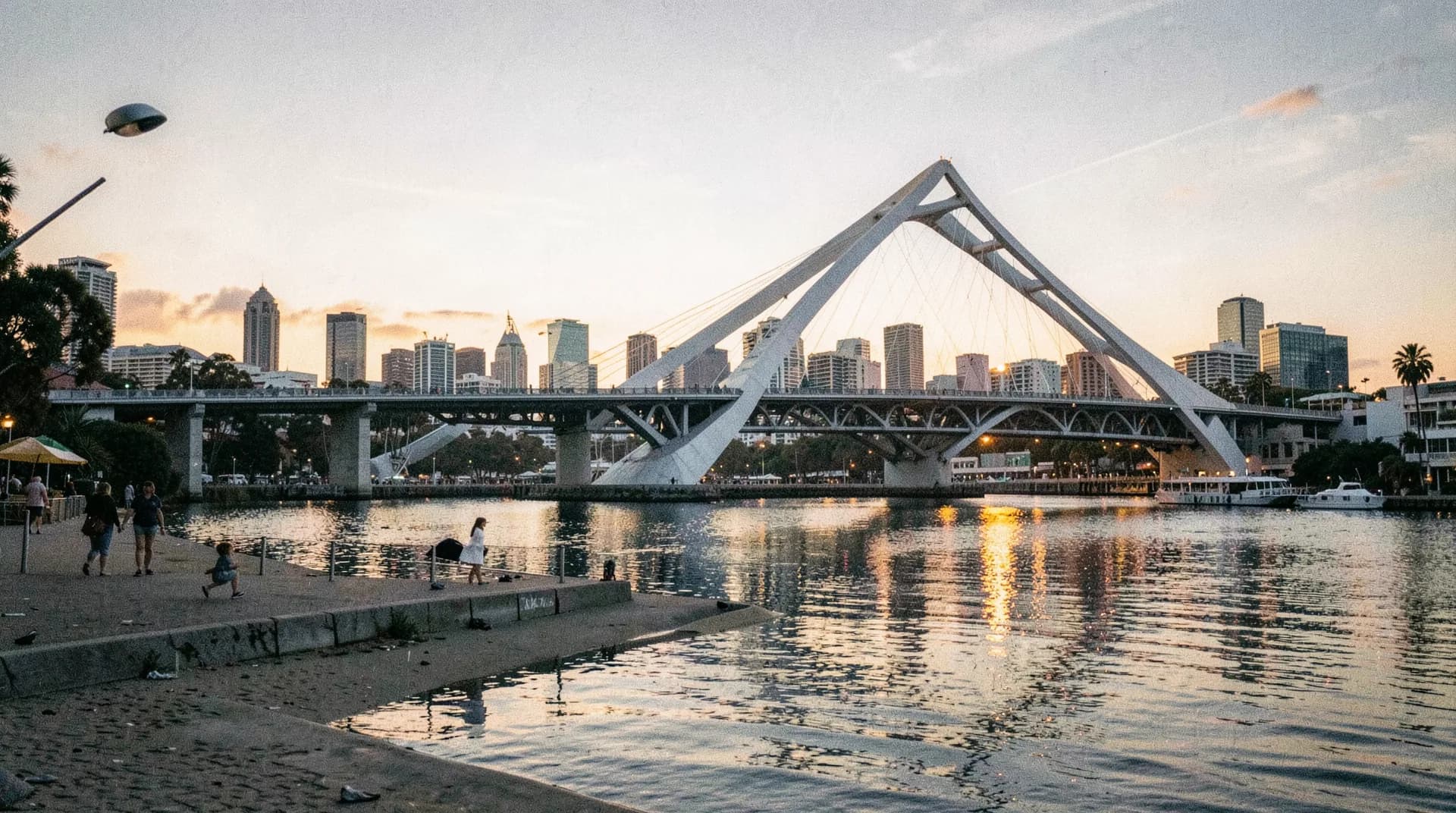
Perth sits on Australia's western coast as the country's most isolated major city — and that isolation comes with unique advantages for migrants. The cost of living in Perth is moderate compared to Sydney and Melbourne, with a single person spending approximately $2,900-$4,200 AUD per month. What makes Perth particularly interesting in 2026 is the combination of mining-sector salary premiums, a growing population, and its classification as a regional area for immigration purposes — a designation that opens up additional visa pathways not available in Australia's eastern capitals.
Perth's Economic Landscape in 2026
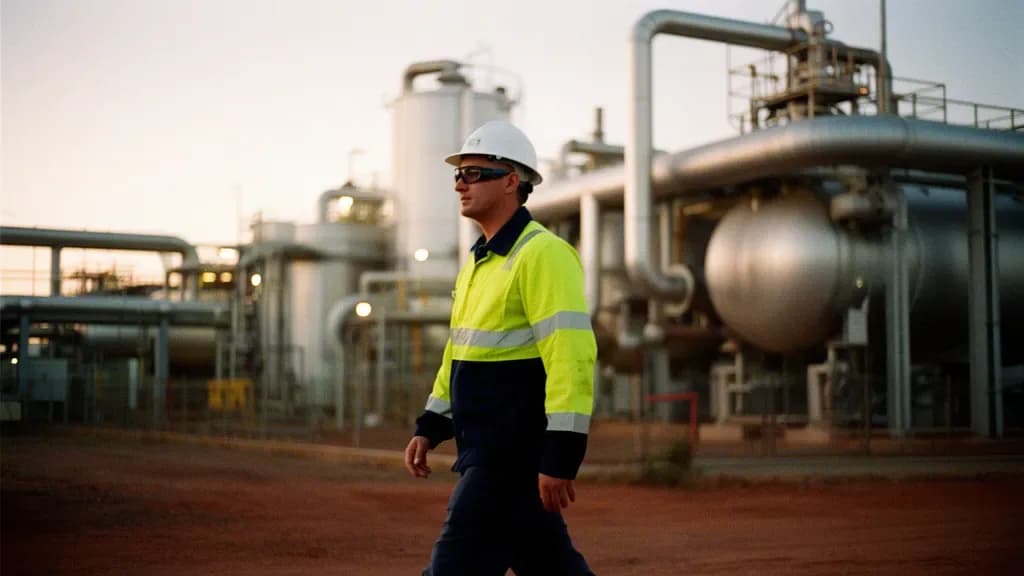
Western Australia's economy is driven by mining and resources, and that sector's influence flows through every part of Perth's economy. When iron ore and lithium prices are strong (and in 2026, they are), Perth benefits from higher wages across the board — not just in mining itself, but in supporting industries like engineering, logistics, construction, and professional services.
The average salary in Perth tends to run 10-15% higher than the national average, which helps offset living costs that might otherwise feel steep. If you're arriving on a skilled visa with qualifications in engineering, healthcare, IT, or trades, Perth's job market has consistent demand.
Rent and Housing Costs
Perth's rental market has tightened considerably since 2022, with vacancy rates hovering around 1-1.5%. Prices have climbed, but they remain well below Sydney and slightly below Melbourne for comparable properties.
Average Weekly Rent by Area (2026)
| Area | 1-Bed Apartment | 2-Bed Apartment | 3-Bed House |
|---|---|---|---|
| Perth CBD / Northbridge | $400-$550 | $500-$650 | $650-$850 |
| South Perth / Victoria Park | $380-$500 | $480-$620 | $600-$800 |
| Subiaco / Leederville | $390-$510 | $490-$630 | $620-$820 |
| Fremantle | $370-$480 | $470-$600 | $580-$780 |
| Joondalup / Wanneroo | $330-$430 | $410-$530 | $480-$650 |
| Armadale / Gosnells | $300-$390 | $380-$480 | $430-$580 |
| Rockingham / Mandurah | $310-$400 | $390-$500 | $450-$600 |
Upfront costs when renting:
- Bond: 4 weeks' rent, held by the Bond Administrator
- Rent in advance: 2 weeks
- Pet bond: up to $260 (if applicable)
- Application fee: free in Western Australia
- Moving costs: $250-$600 for local moves
Finding a rental in Perth: Perth's rental market is competitive but not as cutthroat as Sydney's. For detailed guidance on applications, bond rules, and tenant rights, see our renting guide.
Key platforms include Domain.com.au, Realestate.com.au, and Gumtree. Many Perth landlords also list through local agents like Realmark, Professionals, and Ray White WA.
New arrivals should consider starting in shared accommodation ($200-$320 per week for a room) while building up rental history and references. Flatmates.com.au is popular for finding share houses.
Groceries and Food
Perth's grocery costs are broadly in line with the national average. You won't find the dramatic markups that plague remote WA towns, and there's decent competition between major supermarket chains.
Average Weekly Grocery Costs
| Item | Approximate Cost |
|---|---|
| Milk (2L) | $3.10-$3.60 |
| Bread (loaf) | $3.30-$5.20 |
| Rice (1kg) | $2.90-$4.80 |
| Chicken breast (1kg) | $10.00-$13.50 |
| Eggs (dozen) | $5.20-$7.80 |
| Bananas (1kg) | $2.80-$4.50 |
| Apples (1kg) | $4.20-$6.00 |
| Cheddar cheese (1kg) | $9.50-$13.00 |
Weekly grocery totals:
| Household Type | Budget Range |
|---|---|
| Single person | $90-$130 |
| Couple | $160-$220 |
| Family of four | $270-$370 |
Shopping at Aldi, Woolworths, or Coles covers most needs. Spudshed is a WA-specific discount grocer worth checking out — their prices on fresh produce and bulk items are consistently lower than the big chains.
Dining Out
Perth's food scene has matured significantly. A meal at an inexpensive restaurant costs $18-$26, a mid-range dinner for two runs $95-$150, and a flat white costs $5.00-$5.50. Northbridge, Leederville, and Fremantle are the main dining hubs.
Transport
Perth's public transport is managed by Transperth, and you'll use a SmartRider card for buses, trains, and ferries.
Transport Costs (2026)
| Mode | Cost |
|---|---|
| SmartRider (monthly estimate, 2 zones) | ~$150-$170 |
| Single trip (1 zone, SmartRider) | $2.70 |
| Single trip (2 zones, SmartRider) | $4.20 |
| Daily cap | ~$11.00 |
| Free Transit Zone (FTZ) buses | Free |
Perth's Free Transit Zone covers the CBD area, including the CAT (Central Area Transit) buses that loop through the city centre — handy if you work in the CBD.
Getting around by car:
- Petrol: $1.75-$2.10 per litre
- Registration: approximately $700-$850 per year
- Insurance (comprehensive): $800-$1,500 per year
- Tolls: Perth has no toll roads — a welcome contrast to Sydney and Brisbane
Perth is more car-dependent than the eastern capitals. The train network covers key corridors (Joondalup, Midland, Fremantle, Armadale, Mandurah), but bus services thin out in outer suburbs. If you're settling beyond the inner ring, a car becomes practically essential.
Need to drive? Check our guides on converting your overseas licence and state-by-state driving rules. In WA, you can drive on an overseas licence for 3 months after becoming a resident.
Utilities
Perth has hot, dry summers and mild winters. Air conditioning is a necessity from November to March, which drives up electricity bills during those months.
| Utility | Monthly Cost (1-Bed) | Monthly Cost (2-Bed) |
|---|---|---|
| Electricity | $90-$140 | $130-$190 |
| Gas (if connected) | $25-$45 | $35-$60 |
| Water | $30-$50 | $40-$65 |
| Internet (NBN) | $70-$90 | $70-$90 |
| Mobile plan | $30-$55 | $30-$55 |
Total utilities (1-bed apartment): approximately $245-$380 per month.
Water is a significant concern in Perth — the city relies heavily on desalination plants. Water restrictions are common, and you'll see surcharges if usage exceeds set thresholds.
Healthcare
Citizens and permanent residents access Medicare for free GP visits and public hospital care. Temporary visa holders generally aren't eligible, unless they hold passports from one of the 11 countries with reciprocal healthcare agreements.
Student visa holders must maintain OSHC coverage, costing $500-$700 per year for a single person. Other temporary visa holders should consider OVHC (Overseas Visitors Health Cover).
A GP visit without Medicare costs $65-$110 in Perth. Private hospital cover is worth considering if you want shorter wait times for elective procedures.
Monthly Budget Summary
Single Person
| Category | Budget ($AUD/month) |
|---|---|
| Rent (1-bed, inner suburb) | $1,600-$2,200 |
| Groceries | $390-$565 |
| Transport | $150-$170 |
| Utilities | $245-$380 |
| Dining/entertainment | $200-$400 |
| Health insurance/Medicare | $0-$60 |
| Phone + internet | $100-$145 |
| Total | $2,685-$3,920 |
Couple
| Category | Budget ($AUD/month) |
|---|---|
| Rent (2-bed, inner suburb) | $2,000-$2,600 |
| Groceries | $695-$955 |
| Transport | $300-$340 |
| Utilities | $275-$405 |
| Dining/entertainment | $350-$600 |
| Health insurance/Medicare | $0-$120 |
| Phone + internet | $130-$200 |
| Total | $3,750-$5,220 |
Perth's Regional Classification: An Immigration Advantage
Here's something many migrants don't realise: Perth is now classified as a regional area for immigration purposes. This is a significant advantage that Sydney and Melbourne don't share. What does it mean in practice?
- Additional visa pathways: Access to regional-specific visas like the Subclass 491 (Skilled Work Regional) and Subclass 191 (Permanent Residence Regional)
- Extra points: 15 additional points on the skilled migration points test for living and working in a regional area
- Priority processing: Some regional visa applications receive faster processing times
- Lower thresholds: State nomination through Western Australia may have lower points requirements than NSW or Victoria
For skilled migrants weighing up where to settle, Perth's regional status can be the difference between receiving an invitation to apply and waiting indefinitely.
Mining Salary Premiums
Perth's connection to Western Australia's mining sector creates salary dynamics you won't find in other Australian cities. Even if you don't work directly in mining, the flow-on effect pushes wages higher across many industries.
| Occupation | Perth Average Salary | National Average |
|---|---|---|
| Mining engineer | $160,000-$220,000 | $130,000-$170,000 |
| Registered nurse | $80,000-$95,000 | $72,000-$88,000 |
| Software developer | $100,000-$130,000 | $95,000-$125,000 |
| Electrician (trade) | $90,000-$120,000 | $75,000-$100,000 |
| Project manager | $120,000-$160,000 | $110,000-$140,000 |
FIFO (Fly-In, Fly-Out) roles based out of Perth can push earnings even higher, with many FIFO workers earning $150,000-$250,000+ depending on the role and roster. The trade-off is time away from home — typically 2 weeks on, 1 week off, or similar rotations.
Perth vs. Other Major Cities
| Expense | Perth | Brisbane | Melbourne | Sydney |
|---|---|---|---|---|
| 1-bed rent (city) | $400-$550/wk | $450-$550/wk | $450-$600/wk | $650-$850/wk |
| Groceries (single/wk) | $90-$130 | $80-$120 | $90-$130 | $120-$180 |
| Monthly transport | ~$160 | ~$170 | ~$170 | ~$200 |
| Median house price | ~$720K | ~$800K | ~$900K | ~$1.2M |
| Regional visa benefits | Yes | Partial | No | No |
Growing Population: What to Expect
Perth's population has grown rapidly since 2022, driven by interstate migration and international arrivals. This growth has put pressure on the rental market and pushed prices up, but it's also created economic momentum. New housing developments in suburbs like Baldivis, Ellenbrook, and Byford are expanding the city's footprint.
For newcomers, this means: arrive prepared. Have your rental applications ready, your bank account set up (ideally before arrival), and your TFN application submitted as soon as you land. Perth rewards preparation.
Tips for Keeping Costs Down in Perth
- Use the SmartRider — cash fares are significantly more expensive
- Take advantage of no toll roads — driving is cheaper in Perth than in Sydney or Brisbane
- Explore Spudshed — this local discount grocer can save you 10-20% on groceries
- Consider northern suburbs — Joondalup and surrounds offer good infrastructure at lower rents
- Look into FIFO work — even short stints can boost your savings substantially
- Use the free CAT buses — if you work in the CBD, you may not need a transport pass at all
Frequently Asked Questions
Is Perth more expensive than Melbourne?
Perth is generally cheaper than Melbourne for rent and comparable for other living costs. A 1-bedroom apartment in Perth's CBD rents for $400-$550 per week versus $450-$600 in Melbourne. However, Perth can be more expensive for certain imported goods due to its geographic isolation. Higher average salaries in Perth typically more than compensate for any cost differences.
Does Perth's regional classification help with visa applications?
Yes, significantly. Perth's classification as a regional area means you can access regional visa pathways (Subclass 491/191), earn 15 extra points on the skilled migration points test, and potentially benefit from faster processing times and lower nomination thresholds through the WA state government.
What salary do I need to live comfortably in Perth?
A single person can manage on the minimum wage ($24.10/hr, approximately $50,000/year) but comfortable living starts around $65,000-$75,000 per year. Mining sector salaries often exceed this easily, which is why many Perth residents enjoy a higher standard of living relative to what you'd expect from the city's size.
Is Perth too isolated?
Perth is roughly 4 hours by flight from Sydney and Melbourne, and about 5 hours from Singapore and Bali. While it's geographically distant from other Australian cities, direct international flights connect Perth to Southeast Asia, the Middle East, and Europe. For migrants from the UK or South Africa, Perth can actually feel closer to home than the eastern capitals.
How is the job market in Perth for migrants?
Strong, particularly in mining and resources, healthcare, construction, engineering, and IT. Western Australia's economy is resource-driven, and when commodity prices are healthy, job opportunities follow. The state nomination program actively recruits skilled workers in shortage occupations.