Electronic Instrument Trades Worker (Special Class) Visa Pathway to Australia: Complete 2026 Guide
Updated: 16 August 2026
Australia classifies Electronic Instrument Trades Worker (Special Class) under ANZSCO 342315. Trades Recognition Australia (TRA) conducts the skills assessment, usually through the Job Ready Program. The occupation appears on both the MLTSSL and the Core Skills Occupation List, opening subclasses 189, 190, 491, 482 and 186. Typical 2026 salaries range AUD $85,000-$130,000 with FIFO mining and oil-and-gas roles substantially higher. Demand is concentrated in resources, defence, manufacturing and utilities.
Quick Facts: Electronic Instrument Trades Worker (Special Class) Migration Pathway
| Detail | Information |
|---|---|
| ANZSCO Code | 342315 (Electronic Instrument Trades Worker — Special Class) |
| Skill Level | 3 (AQF Certificate III with at least two years of on-the-job training, or AQF Certificate IV with three years of relevant experience) |
| Skills Assessment | TRA (Trades Recognition Australia) — Job Ready Program for offshore-trained applicants |
| Occupation List | MLTSSL and CSOL |
| Visa Options | 189, 190, 491, 482, 186 |
| Demand Level | High — mining, oil and gas, defence, utilities and manufacturing all hiring; "Special Class" denotes complex hybrid systems work |
| Salary Range | AUD $85,000-$130,000 (SEEK and PayScale 2026); FIFO mining and oil-and-gas roles AUD $130,000-$190,000+ |
| Typical 189 Score | 65-75 (low applicant volume gives modest invitation thresholds) |
| Key Challenge | The "Special Class" distinction requires hybrid system experience (electronic, electrical, mechanical, hydraulic, pneumatic) — references must demonstrate this breadth, not just electronics |
What Electronic Instrument Trades Workers (Special Class) Actually Do
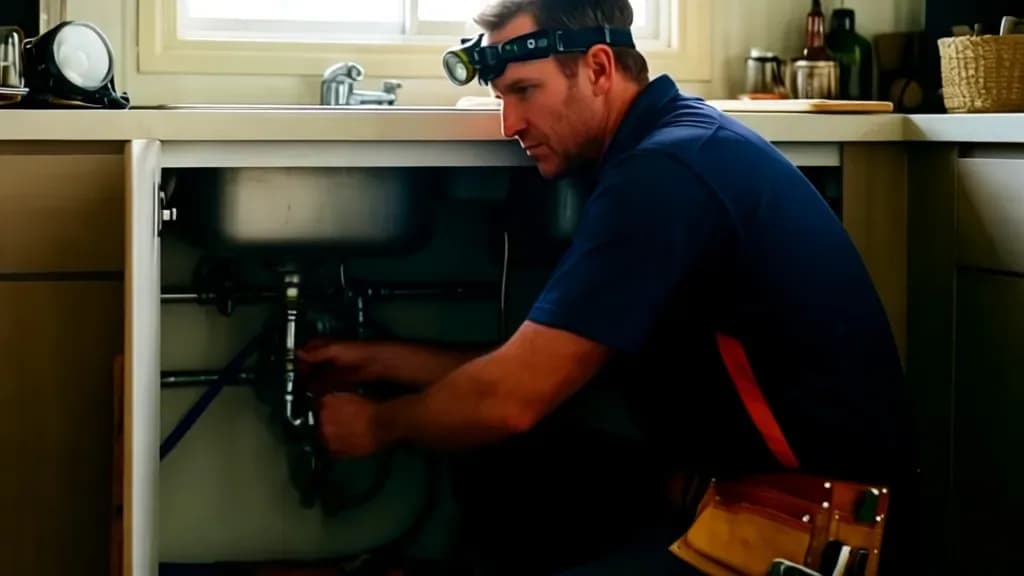
Electronic Instrument Trades Workers (Special Class) install, modify, maintain and repair complex industrial instruments and control systems that combine electronic, electrical, mechanical, hydraulic and pneumatic principles. This is the trade that keeps process plants running. Day-to-day work covers loop calibration, PLC and DCS troubleshooting, transmitter and final-element maintenance, control valve overhauls, fieldbus and HART system support, and the full instrumentation lifecycle on continuous and batch process plants.
The "Special Class" designation matters. ANZSCO separates Electronic Instrument Trades Workers (General) 342314 from Special Class 342315 because the Special Class workers handle more complex hybrid systems — typically heavy industrial process control involving multiple engineering disciplines. General class workers might service standalone instrument panels in lighter applications. Special Class workers run the instrumentation on LNG trains, alumina refineries, coal-fired and gas-fired power stations, water and wastewater treatment plants, and the complex control systems of major mineral processing facilities.
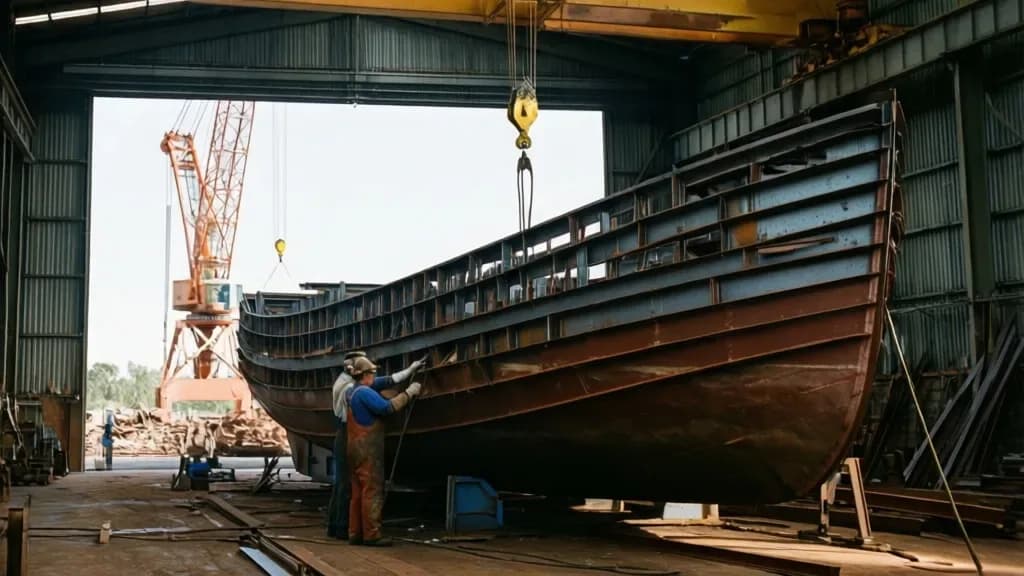
Geographic concentration follows Australia's resources and processing industries. Western Australia's Pilbara iron ore operations and North West Shelf LNG plants are the single largest demand centre. Queensland's Gladstone and Bowen Basin coal and alumina plants generate steady FIFO demand. Victoria's Latrobe Valley power generation, South Australia's Olympic Dam, and Tasmania's mineral processing and hydro generation all employ instrumentation specialists. Defence shipbuilding precincts at Henderson and Osborne also require instrumentation technicians for naval vessel systems. Major employers include Rio Tinto, BHP, Fortescue, Woodside, Chevron, Santos, Origin Energy, Alcoa, South32, Newmont and the engineering services contractors (Worley, Monadelphous, Civmec) that service them.
The ANZSCO 342315 Code: What It Covers
ANZSCO 342315 sits inside Unit Group 3423 Electronics Trades Workers. The unit group covers four codes: Communications Operator (342311), Electronic Equipment Trades Worker (342312), Electronic Instrument Trades Worker — General (342314), and the Special Class code 342315.
The official description for 342315 covers installation, modification, maintenance and repair of complex electronic instruments and control systems where the work requires combined competence across electrical, electronic, mechanical, hydraulic and pneumatic principles. The work commonly takes place on process plants, industrial control facilities, naval vessels, large-scale manufacturing operations and utility installations.
Skill level 3 applies. The qualification requirement is an AQF Certificate III plus at least two years of on-the-job training, or an AQF Certificate IV with at least three years of relevant experience. In practice, most successful applicants hold a Certificate IV in Instrumentation and Control or its international equivalent (UK BTEC Level 3, NZ Level 4, City & Guilds 2330, or Indian ITI-Instrumentation diploma plus relevant experience).
If your work is on simpler standalone instrument equipment rather than complex hybrid process control systems, you should map to 342314 General Class instead. The assessing body, list status and visa eligibility are identical, but TRA will reject a Special Class nomination supported by references that describe only general instrumentation work.
Skills Assessment Through Trades Recognition Australia
The Job Ready Program (Offshore Applicants)
TRA assesses offshore Electronic Instrument Trades Workers through the standard four-stage Job Ready Program. The workplace assessment is observed against the Special Class instrumentation competency standard, which requires evidence of hybrid-system work.
Stage 1 — Provisional Skills Assessment (PSA): TRA reviews your overseas qualification and at least three years of post-qualification instrumentation and control experience. Processing typically runs 12-16 weeks.
Stage 2 — Job Ready Employment (JRE): 1,725 hours (approximately 12 months full-time) of paid instrumentation work with a TRA-approved Australian employer. Evidence is submitted every three months.
Stage 3 — Job Ready Workplace Assessment (JRWA): An independent TRA-approved assessor observes you working against the relevant Australian competency standard. Common observation tasks cover instrument calibration, loop checking, PLC fault finding, control valve work, or DCS interface troubleshooting.
Stage 4 — Job Ready Final Assessment (JRFA): TRA finalises the assessment and issues the skills letter for visa lodgement.
Total program cost: Approximately AUD $3,250 across all four stages, paid in instalments.
Total program duration: 14-20 months from PSA through JRFA.
Common rejection reasons: Reference letters that describe pure electronics technician work (PCB-level repair, consumer electronics) rather than industrial instrumentation; absence of evidence covering the full hybrid skill set (electronic plus mechanical plus pneumatic/hydraulic); confusion with 342314 General Class when the actual work is Special Class, or vice versa.
Direct MSA Pathway for Australian-Trained Applicants
If you hold an Australian Certificate IV in Instrumentation and Control (UEE40411 or its current equivalent) plus at least one year of Australian post-qualification experience, you can apply for a direct MSA. Fee approximately AUD $1,250; processing approximately 120 days.
Visa Pathways for Electronic Instrument Trades Workers (Special Class)
Subclass 482 — Skills in Demand Visa
For most offshore applicants, 482 employer sponsorship is the dominant route. Resources employers across the Pilbara, the LNG operations of the North West Shelf, and the coal and alumina operations of Queensland are sponsoring instrument technicians at significant volume. Salaries comfortably clear both Core Skills and (for senior roles) Specialist Skills thresholds.
- Visa fee: AUD $3,210 (primary applicant, Core Skills stream)
- Salary threshold: Core Skills AUD $76,515 (rising to AUD $79,499 from 1 July 2026); Specialist Skills AUD $141,210 (rising to AUD $146,717)
- Processing time: Median 2-3 months for the Core Skills stream
- Quirk that matters: FIFO rosters and the project-based nature of resources work means many 482 sponsorships come through engineering services contractors rather than direct mine operators — Worley, Monadelphous, UGL and Civmec are all active sponsors
Subclass 186 — Employer Nomination Scheme
TRT stream is available after two years on a 482 with the same employer. Resources operators have well-organised TRT pipelines because of the workforce-retention challenges in remote operations.
- Visa fee: AUD $6,140 (primary applicant)
- Processing time: Currently extending to 19 months for metro applicants under Ministerial Direction 105; regional applications faster
- Quirk that matters: Most resources operations sit in regional or remote postcodes, giving 186 applications priority queue treatment under current direction
Subclass 491 — Skilled Work Regional Visa
The Pilbara, the Bowen Basin, the LNG hubs of Karratha and Gladstone, the Latrobe Valley and most other heavy-industry locations are regional under the postcode definitions. The 491 adds 15 points.
- Visa fee: AUD $6,140 (primary applicant)
- Processing time: 6-12 months following invitation
- Quirk that matters: Tasmania and most of regional WA, SA, QLD and NT qualify — the geographic flexibility is much greater than for office-based occupations
Subclass 190 — State Nominated Visa
WA, QLD, SA and TAS all currently nominate the broader Unit Group 3423. The 5-point boost is smaller than the 491's 15 points, but the upside is unrestricted permanent residency.
- Visa fee: AUD $6,140 (primary applicant)
- Processing time: 6-9 months
- Quirk that matters: WA's nomination program tightly aligns with resources sector demand and has been one of the more accessible programs for instrumentation specialists
Subclass 189 — Skilled Independent Visa
342315 sits on the MLTSSL, so 189 is available. Low applicant volume means invitation thresholds clear at 65-75 points.
- Visa fee: AUD $6,135 (primary applicant)
- Processing time: 6-12 months following invitation
- Quirk that matters: Many instrumentation specialists arrive on 482, then secure 186 directly without ever lodging a 189 EOI — the 482 pathway is simply faster
Points Test Strategy for Electronic Instrument Trades Workers
| Points Factor | Points | Notes |
|---|---|---|
| Age (25-32) | 30 | Maximum bracket |
| Age (33-39) | 25 | Strong score |
| English (Superior — IELTS 8/PTE 79) | 20 | Unlocks all states |
| English (Proficient — IELTS 7/PTE 65) | 10 | The realistic target |
| Qualification (AQF Certificate III/IV) | 10 | Trade qualification points |
| Overseas Experience (5-7 years) | 10 | After any TRA-recommended deduction |
| Australian Experience (3+ years) | 10 | Standard for JRP graduates |
| State Nomination (190) | 5 | WA, QLD, SA, TAS the strongest nominators |
| Regional Nomination (491) | 15 | Pilbara, Gladstone, Bowen Basin, Latrobe Valley all qualify |
| Partner Skills | 5-10 | If partner holds skilled occupation |
Realistic Score Scenarios
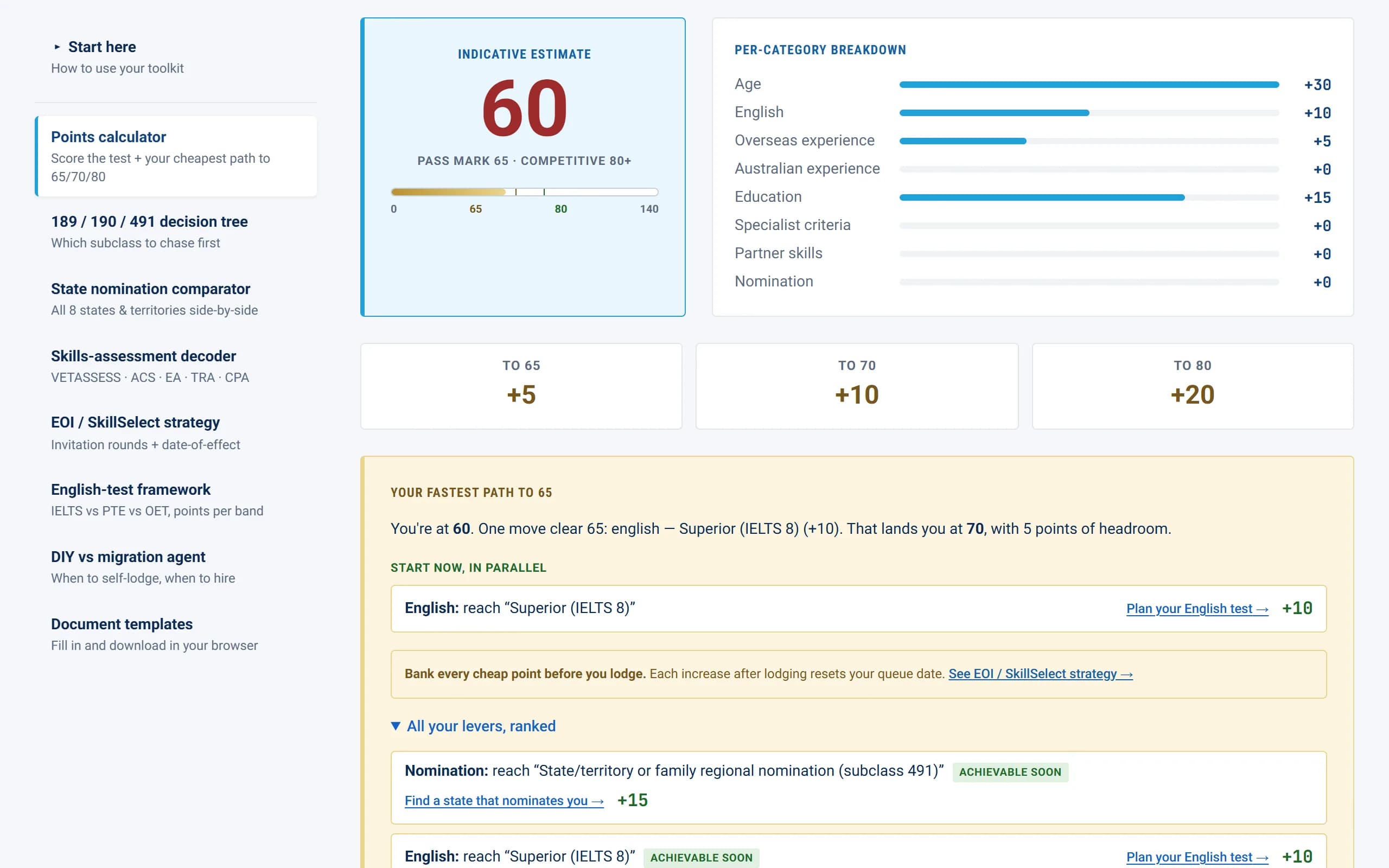
Scenario 1: 29-year-old Indian instrumentation tech, ITI plus diploma, IELTS 7.0, 6 years Reliance refinery experience Age 30 + English 10 + Qualification 10 + Experience 10 = 60 points With 491 WA regional nomination (+15) = 75 points — strongly competitive in current invitation rounds
Scenario 2: 35-year-old South African instrument tech, NQF Level 4, IELTS 6.5, 10 years platinum refinery experience Age 25 + English 0 + Qualification 10 + Experience 15 = 50 points With 491 (+15) and partner skills (+5) = 70 points — competitive once English is lifted to Proficient
State Nomination for Electronic Instrument Trades Workers
Western Australia
WA is the single largest market for instrumentation specialists in Australia. The Pilbara iron ore operations, the Karratha and Onslow LNG plants, the Kwinana refining and chemical strip, and the alumina operations of the south-west collectively employ thousands of instrument technicians. WA's WASMOL Schedule includes Unit Group 3423 and the state received 3,400 nomination places for 2025-26. Demand exceeds local supply by a wide margin.
Queensland
Gladstone's alumina refineries (QAL, Rio Tinto Yarwun), the LNG export operations on Curtis Island, the Bowen Basin coal operations, and the wider mineral processing industry all generate instrumentation demand. Queensland received 2,600 nomination places for 2025-26 — more than double the prior allocation — and prioritises trade occupations.
South Australia
SA's Olympic Dam (BHP), the Whyalla steelworks, the Adelaide refinery operations and the Osborne defence-precinct naval work all generate instrument tech demand. South Australia made all skilled occupations eligible for its 2025-26 program from 30 September 2025. The state has been more flexible on English thresholds than NSW or Victoria.
Tasmania
Tasmania's mineral processing (Bell Bay aluminium, Nyrstar Hobart zinc), hydroelectric generation, and the broader manufacturing base sustain steady instrumentation demand. The entire state qualifies as regional for the 491. Tasmania received 1,200 places for 190 and 650 for 491 in 2025-26.
Salary and Employment Outlook
What Electronic Instrument Trades Workers (Special Class) Earn in 2026
| Role | Typical Salary Range |
|---|---|
| Apprentice / Trade Assistant | AUD $48,000-$65,000 |
| Qualified Instrument Tech (urban / utility) | AUD $85,000-$110,000 |
| Senior Instrument Tech (mainstream industry) | AUD $105,000-$130,000 |
| FIFO Instrument Tech (Pilbara / LNG) | AUD $130,000-$170,000+ with allowances |
| E&I Supervisor / Lead Tech | AUD $140,000-$190,000+ |
| Specialist DCS / SIS Engineer | AUD $150,000-$220,000+ |
Source: PayScale 2026 Electronics Technician data (AUD $72,298 average for general roles), SEEK Career Advice and industry data from major resources contractors. Special Class instrumentation specialists earn substantially more than the general electronics technician average because of the hybrid skill premium and the FIFO and remote-location loadings.
Total package generally includes 11.5% superannuation, plus FIFO allowances (commonly AUD $200-$400 per day on site), remote-location loadings (sometimes 25-40% on top of base), and significant overtime. Defence-precinct work at Henderson and Osborne pays competitively but typically without the FIFO loadings that drive resources sector packages.
Highest-Demand Sectors
- Iron ore operations — Rio Tinto, BHP, Fortescue, Roy Hill (Pilbara WA)
- LNG and oil and gas — Woodside, Chevron, Santos, Inpex (Karratha, Onslow, Gladstone, Darwin)
- Engineering services contractors — Worley, Monadelphous, UGL, Civmec, Wood
- Power generation and utilities — AGL, Origin Energy, Stanwell, Snowy Hydro
- Defence shipbuilding — Henderson Precinct (WA), Osborne Naval Shipyard (SA)
- Mineral processing — Alcoa, South32, Newmont, BHP Olympic Dam
Skills Australia Outlook
Jobs and Skills Australia rates electronics trades broadly as in shortage, and the Special Class designation captures the most acute shortage category within the unit group because the hybrid skill set takes years to develop. Industry surveys describe time-to-fill for experienced Special Class instrument techs at 6-12 months in the resources sector. The combination of resources sector expansion, defence shipbuilding workforce growth, and the broader industrial automation trend has kept this trade structurally undersupplied.
Tips for a Successful Application
1. Document the hybrid skill set explicitly
The single biggest cause of TRA rejection for 342315 applications is reference letters that describe only the electronic side of instrumentation work. The Special Class designation requires evidence of competence across electronic, electrical, mechanical, hydraulic and pneumatic principles. Your references should describe loop checking, control valve work (mechanical and pneumatic), transmitter installation, calibration, and the integration of all those elements.
2. Choose 342315 over 342314 carefully
The two codes have different competency expectations. Special Class (342315) requires hybrid-system work on complex industrial process control. General Class (342314) suits standalone instrument equipment in lighter applications. Choosing the wrong code wastes a PSA cycle. If your work is on process plants, refineries, mineral processing or major utility operations, 342315 is almost certainly correct.
3. Target a resources sector employer for 482 sponsorship
WA Pilbara operations, Gladstone LNG, and the engineering services contractors that support them are sponsoring instrumentation specialists at scale. The pay is among the highest in any Australian trade, and the pathway from 482 to 186 PR is well-established. FIFO rosters take adjustment but become routine within a few cycles.
4. Get your English to Proficient
Most resources sector and defence employers prefer Proficient English because of the safety-critical nature of the work and the volume of technical documentation. Proficient English (IELTS 7.0 across the board, PTE 65) also unlocks 190 nomination in all the relevant states. PTE Academic is generally the easier of the accepted tests for hands-on trade applicants.
5. Build evidence of safety competencies before lodging
Australian resources, oil and gas, and defence employers expect specific safety competencies (Confined Space, Working at Heights, Gas Test Atmospheres, isolation and tagging procedures, hazardous area instrumentation). Documenting these in your reference portfolio significantly strengthens both the JRP application and subsequent job applications.
Step-by-Step Migration Roadmap
- Confirm 342315 is the right code — review the ANZSCO code finder and compare against 342314 General Class
- Gather qualification evidence and three years of post-qualification instrumentation experience — payslips, contracts, hybrid-system work portfolio
- Submit the TRA Provisional Skills Assessment — through TRA online services
- Sit your English test — aim for Proficient or higher to unlock state nomination
- Apply for a 485 graduate visa or 407 training visa — to enter Australia and start the JRE stage
- Complete 1,725 hours of paid Australian instrumentation work — with a TRA-approved employer
- Complete the Job Ready Workplace Assessment — observed competency assessment on-site
- Receive your Job Ready Final Assessment letter — the document you lodge with the visa
- Submit an Expression of Interest in SkillSelect — for 189, 190 or 491
- Apply for state nomination — target WA, QLD, SA or TAS based on preferred sector
- Alternatively, secure 482 employer sponsorship — Pilbara, LNG and engineering services contractors actively sponsoring
- Receive invitation and lodge your visa within 60 days — complete health and character checks
Frequently Asked Questions
What's the difference between 342314 General Class and 342315 Special Class?
ANZSCO 342314 General Class covers electronic instrument trades work on standalone or simpler equipment. 342315 Special Class covers complex hybrid systems integrating electronic, electrical, mechanical, hydraulic and pneumatic principles — typically the work done on industrial process plants, mineral processing, oil and gas operations, and complex utility installations. The assessing body and visa eligibility are identical for both codes, but the competency expectations differ. Choosing the wrong code commonly results in a TRA rejection.
Can I qualify as Special Class with experience from a refinery or LNG plant?
Yes, that is the prototypical Special Class background. Refineries, LNG plants, mineral processing facilities, alumina refineries and major chemical works all run the kind of hybrid process control systems that the Special Class designation captures. Your references need to describe the actual work — calibration, loop checking, PLC and DCS troubleshooting, control valve maintenance, instrument loop design support — using terminology that aligns with the ANZSCO 342315 task list.
How much does FIFO instrumentation work pay in WA?
Mainstream FIFO instrumentation roles in the Pilbara and on the LNG operations of the North West Shelf pay AUD $130,000-$170,000+ for qualified Special Class techs. Senior and supervisory roles run AUD $170,000-$220,000+. These figures include base salary, FIFO allowances (commonly AUD $200-$400 per day on-site), remote-location loadings, and routine overtime. Specialist DCS, SIS and HIPPS engineers command higher again. Total packages comfortably clear the Specialist Skills 482 threshold of AUD $141,210.
Will the AUKUS submarine programme need instrumentation specialists?
Yes. Naval vessels run complex hybrid control systems — propulsion, navigation, weapons handling, environmental and life-support — that all require instrumentation specialists. Both Henderson WA and Osborne SA defence precincts are recruiting instrumentation trade workers as part of the broader AUKUS workforce build. The pay is below FIFO mining levels but the career stability, the security clearance pathway, and the long-term technical depth are unusually strong.
How does this occupation compare to a standard electrician for Australian migration?
The two are separate ANZSCO codes with different assessing pathways. Electrician (341111) is assessed against electrical trade competency. Electronic Instrument Trades Worker (Special Class) (342315) is assessed against instrumentation and control competency. Both are on the MLTSSL and both are in shortage. Instrumentation specialists generally earn higher salaries because the hybrid skill set is rarer and the resources sector pays a premium. Review the electrician pathway, the fitter general pathway, the skills assessment process, the 2026 SOL, and the broader most in-demand occupations hub for context.