Fitter (General) Visa Pathway to Australia: Complete 2026 Guide
Updated: 16 August 2026
Australia classifies Fitter (General) under ANZSCO 323211. Trades Recognition Australia conducts the skills assessment, almost always through the Job Ready Program. The occupation sits on both the Core Skills Occupation List and the MLTSSL, unlocking subclasses 189, 190, 491, 482, and 186. Typical 2026 salaries run AUD $80,000-$125,000, with mining and resources pulling the upper end well past $150,000.
Quick Facts: Fitter (General) Migration Pathway
| Detail | Information |
|---|---|
| ANZSCO Code | 323211 (Fitter (General)) |
| Skill Level | 3 (AQF Certificate III or IV with on-the-job training) |
| Skills Assessment | TRA (Trades Recognition Australia) via Job Ready Program |
| Occupation List | CSOL and MLTSSL |
| Visa Options | 189, 190, 491, 482, 186 |
| Demand Level | Very high — flagged on the 2025 Occupation Shortage List with sub-55% trade fill rates |
| Salary Range | AUD $80,000-$125,000 (SEEK Salary Hub, 2026) |
| Typical 189 Score | 65-75 points (less competitive than ICT codes) |
| Key Challenge | Job Ready Program runs 12+ months and requires Australian employment |
What a Fitter (General) Actually Does in Australia
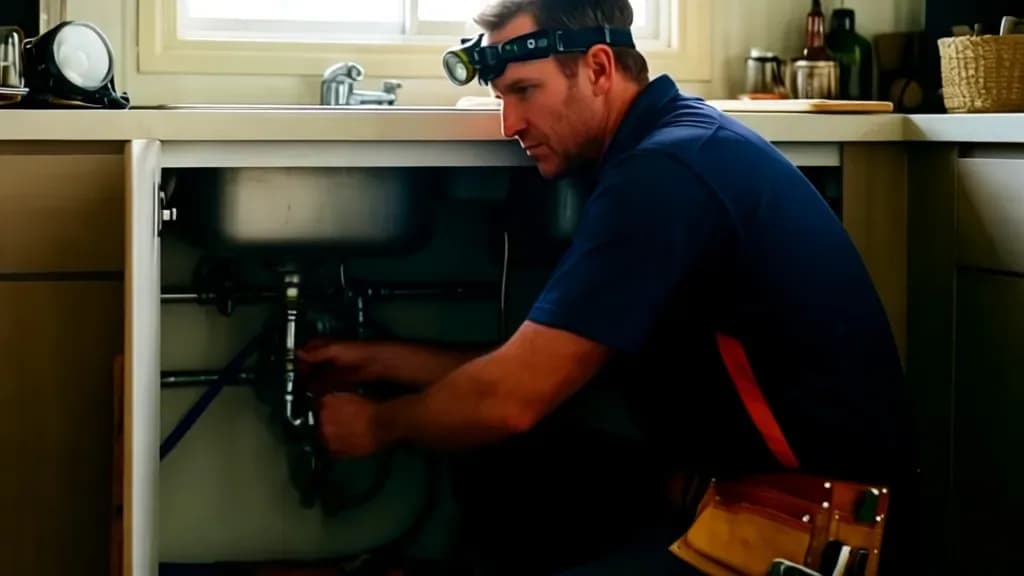
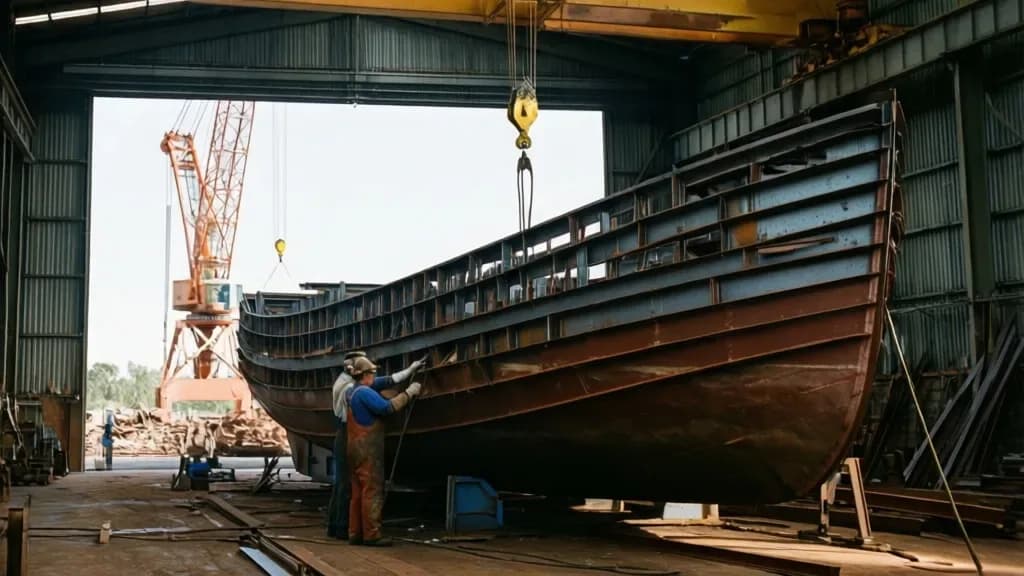
Fitters are the people who keep mechanical equipment alive in factories, mines, manufacturing plants, water utilities, food processing facilities, defence sites, and infrastructure projects. They read engineering drawings, fabricate components, assemble machinery, diagnose mechanical faults, and repair plant. Most work centres on heavy industry — fixed-plant fitters at the Pilbara iron ore operations, maintenance fitters at sugar mills in Mackay, machinery fitters at the Adelaide shipbuilding precinct, food-industry fitters at Murray-Goulburn dairy plants in Victoria.
The trade is unusually durable. Automation has reshaped many manual jobs, but skilled fitters who can troubleshoot complex mechanical systems remain consistently undersupplied. Jobs and Skills Australia placed the occupation on the Priority List in 2025, and Skill Level 3 trade fill rates across Australia dropped to 54.3% in the most recent assessment — meaning nearly half of advertised fitter roles go unfilled.
Demand concentrates in Western Australia (mining), Queensland (coal, gas, sugar), New South Wales (manufacturing, water), and South Australia (defence and shipbuilding). Regional Australia carries disproportionate need — most state nomination programs treat fitters as a priority occupation, and 491 regional visas are a realistic pathway.
ANZSCO Code 323211 — Fitter (General)
The 323211 code covers fitters whose work spans mechanical fitting and assembly without a specialist sub-trade focus. Core duties include studying drawings and specifications, marking off and shaping metal stock, fitting and assembling fabricated parts, setting up production machines, dismantling faulty plant, and performing maintenance overhauls.
A few sub-codes overlap and are worth understanding before nominating:
- 323212 Fitter and Turner — for fitters who routinely operate centre lathes and produce machined components. If turning is a primary daily task, the Fitter and Turner pathway is the correct match.
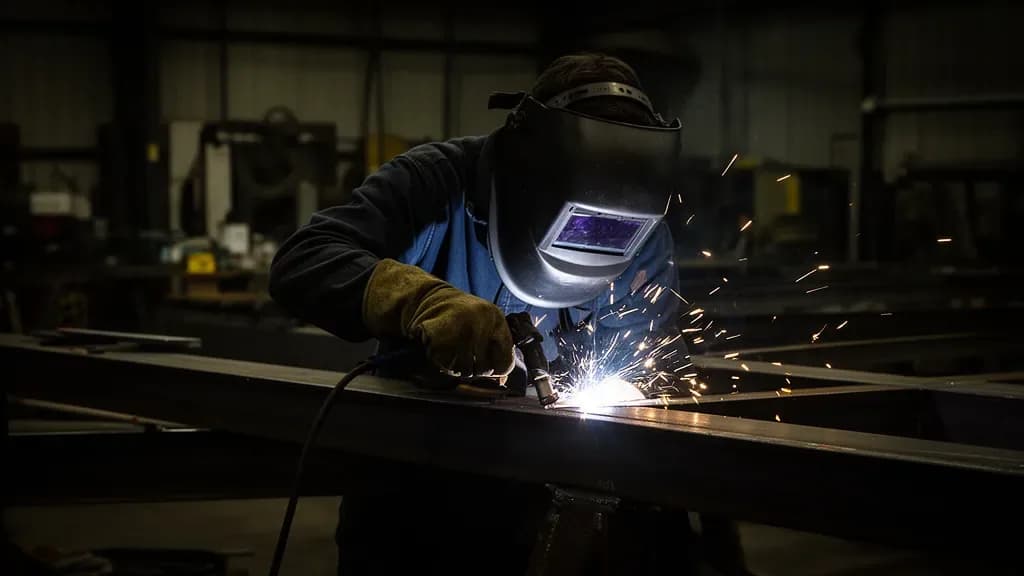
- 323213 Fitter-Welder — for fitters who weld as a core part of the role. If welding is more than incidental, see the Fitter-Welder pathway.
- 323214 Metal Machinist (First Class) — for those whose work is dominated by precision machining. See the Metal Machinist pathway.
Pick 323211 only if your work is genuinely general fitting — assembly, installation, mechanical maintenance, and fault diagnosis — without a single dominant specialist activity. If your employment references describe predominantly welding or turning, TRA will reject 323211 and direct you to the specialist code.
Skills Assessment — Trades Recognition Australia
TRA is the assessing authority for Fitter (General) and runs assessments through several programs depending on where you trained.
Job Ready Program (JRP) — the standard route
The JRP is mandatory for almost all offshore-trained fitters and runs as a four-step process:
- Provisional Skills Assessment (PSA) — document-based verification of qualification and 12 months recent employment
- Job Ready Employment (JRE) — register with TRA and complete 1,725 hours of paid Australian employment in the nominated occupation
- Job Ready Workplace Assessment (JRWA) — onsite assessment by a qualified TRA assessor
- Job Ready Final Assessment (JRFA) — the outcome document used for the visa application
Combined cost across all four steps: approximately AUD $3,000-$3,500 Total duration: 12-18 months minimum, including the 1,725-hour employment period Required qualification: AQF Certificate III in Engineering — Mechanical Trade (or comparable overseas qualification), or three years of full-time equivalent post-qualification experience
The JRP exists because Australia has been burnt by paper-only assessments for trades. The work-based step is non-negotiable for offshore fitters. The most common rejection reason at JRWA is duties that do not match 323211 — usually because the candidate was placed in a mostly-welding or mostly-machining role.
Migration Skills Assessment (MSA) — limited eligibility
The MSA is a faster, document-only pathway, but it is restricted to applicants who completed an Australian apprenticeship, hold an AQF Certificate III obtained in Australia, or hold a recognised overseas qualification under a specific bilateral arrangement. Most offshore fitters do not qualify for MSA.
Offshore Skills Assessment Program (OSAP) — pre-emigration option
OSAP is a paper assessment available offshore for certain countries with mutual recognition arrangements. It does not lead directly to a positive migration assessment but can validate qualifications before committing to relocation. Best used as a sanity check.
Visa Pathways for Fitters
Subclass 482 — Skills in Demand (often the first realistic step)
For most offshore fitters, the 482 is the practical entry point because it pairs with the JRP work hours. A sponsoring employer engages you on a 482, you accumulate the 1,725 paid hours, complete the JRWA, and then transition to permanent residency.
- Visa fee: AUD $3,210 (primary applicant)
- Core Skills Income Threshold (CSIT): AUD $76,515 (2025-26), rising to $79,499 from 1 July 2026
- Duration: Up to 4 years
- Quirk: Fitter (General) is on the Core Skills Occupation List, so the standard Core Skills stream applies. Mining and offshore-resources employers often pay well above CSIT.
Subclass 186 — Employer Nomination Scheme
The permanent residency endpoint for sponsored fitters. Available through the Direct Entry stream (if a positive TRA outcome is in hand) or the Temporary Residence Transition (TRT) stream after two years on a 482.
- Visa fee: AUD $6,140 (primary applicant)
- Streams: Direct Entry or TRT
- Reality: Most fitters who arrive on a 482 transition to 186 via TRT once they have two years of sponsored employment with the same employer.
Subclass 491 — Skilled Work Regional
A 5-year provisional visa requiring regional nomination from a state or designated regional authority. The 491 adds 15 points and is the dominant points-based pathway for trades in 2026.
- Visa fee: AUD $6,140 (primary applicant)
- Regional living obligation: 3 years before applying for 191 permanent residency
- Quirk: Most fitter roles in Western Australia, Queensland, and South Australia are already regionally located, making the 491 a natural fit
Subclass 190 — Skilled Nominated
State-sponsored permanent residency. NSW, Victoria, Queensland, and South Australia all nominate Fitter (General) in their 2025-26 programs.
- Visa fee: AUD $6,140 (primary applicant)
- Points boost: +5 from state nomination
- Live-in obligation: 2 years in the nominating state
Subclass 189 — Skilled Independent
Direct PR with no sponsor and no state tie. Trade occupations are far less competitive than ICT in the 189 pool, but invitation rounds remain irregular through 2026.
- Visa fee: AUD $6,135 (primary applicant)
- Minimum points: 65 (realistic invitations 75+ for trades)
- Reality check: Most fitters reach PR faster through 482 → 186 than through 189
Points Test Strategy
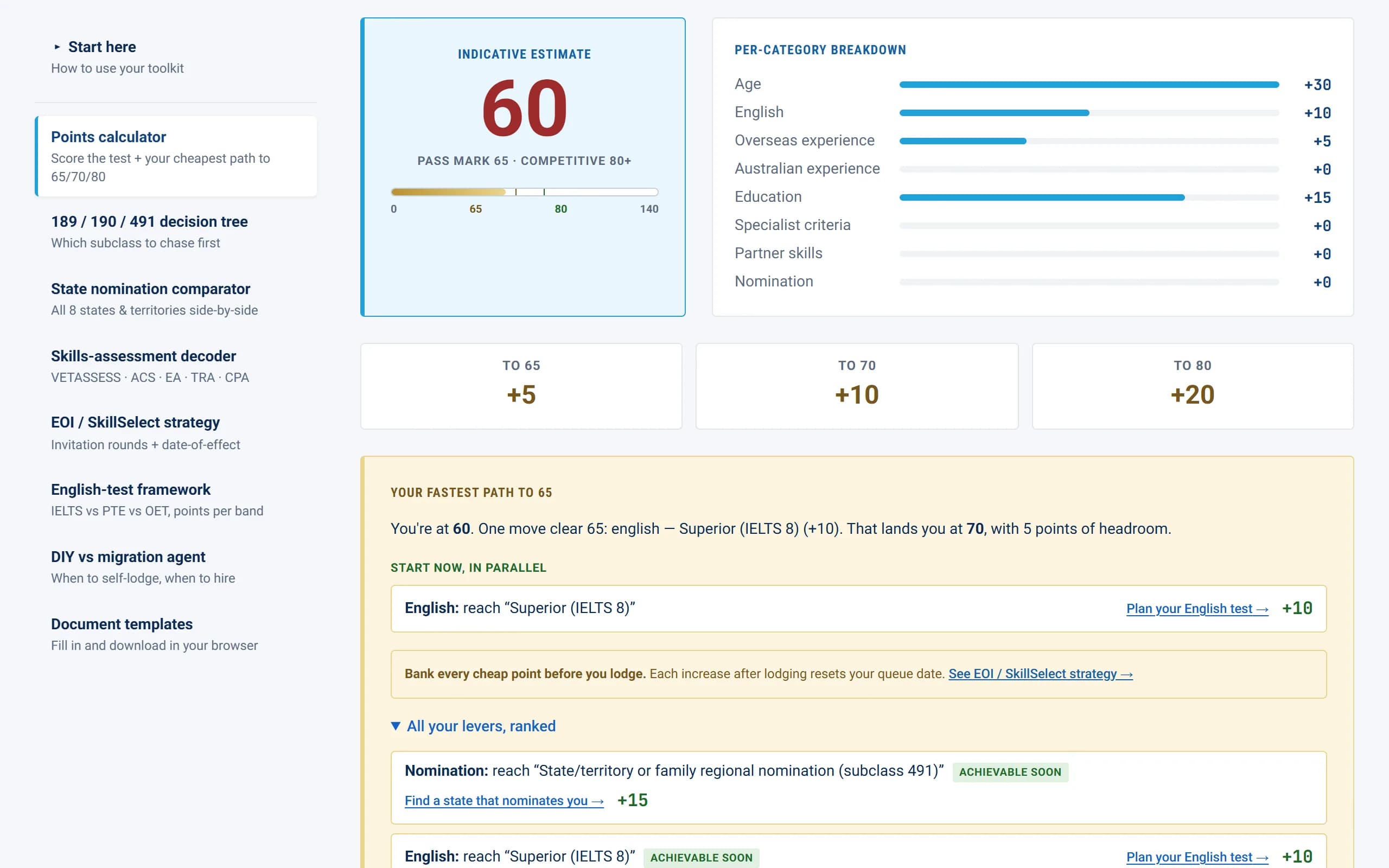
Fitter (General) is a more accessible code than ICT occupations because the supply of qualified candidates is smaller and the demand greater.
| Points Factor | Points | Notes |
|---|---|---|
| Age (25-32) | 30 | Maximum bracket |
| Age (33-39) | 25 | Still strong |
| English (Proficient — IELTS 7) | 10 | Reasonable target for trade applicants |
| English (Superior — IELTS 8) | 20 | Worth the effort if achievable |
| Skilled Employment (5-7 years overseas) | 10 | Realistic for experienced fitters |
| Skilled Employment (8+ years overseas) | 15 | Many trade applicants hit this |
| Australian Skilled Employment (1-2 yrs) | 5 | If on 482 already |
| Qualification (AQF Cert IV / Diploma equivalent) | 10 | Most TRA-eligible candidates |
| State Nomination (190) | 5 | NSW, VIC, QLD, SA all nominate |
| Regional Nomination (491) | 15 | The dominant trades booster |
| Partner Skills | 5-10 | If partner has CSOL occupation |
Realistic Scenarios
Scenario 1 — Offshore fitter, 30 years old, IELTS 6, 7 years experience, no nomination
Age 30 + English 0 + Experience 10 + Qualification 10 = 50 points. Below threshold. Either improve English to Proficient (+10) or pursue a 491 with regional nomination (+15) to reach 65-75.
Scenario 2 — Onshore fitter on 482, 32 years old, IELTS 7, 6 years overseas plus 18 months in Australia
Age 30 + English 10 + Overseas Experience 10 + Australian Experience 5 + Qualification 10 + 491 Regional 15 = 80 points. Highly competitive for invitation.
State Nomination
New South Wales
NSW nominates Fitter (General) under both 190 and 491 in the 2025-26 program. Demand is heaviest in Western Sydney manufacturing, the Hunter Valley energy sector, and the Illawarra industrial precinct. NSW requires evidence of three years of skilled employment in the nominated occupation. The state runs SkillSelect-only invitations — no direct application.
Victoria
Victoria's 2025-26 nomination program is allocating 2,700 places to subclass 190 and 700 to subclass 491. The state's published priority list includes Fitter (General), Fitter and Turner, and Fitter-Welder. Victoria favours candidates with three years of recent post-qualification experience and a current Victorian job offer or strong evidence of intent to settle.
Queensland
Migration Queensland prioritises trades on its 2025-26 lists, with fitters in heavy demand for resources work in the Bowen Basin and Surat Basin, plus regional manufacturing in Townsville and Rockhampton. Queensland requires evidence of either a current Queensland job offer or significant ties to the state for 190 nomination; the 491 pathway is more accessible for offshore candidates.
South Australia
South Australia allocates 3,000 places to 190 and 800 to 491 in 2025-26, with trades flagged as priority. Defence and shipbuilding demand at Osborne Naval Shipyard makes fitters particularly attractive. SA requires three years of skilled employment in the nominated occupation in the previous five years, but waives some English requirements for offshore healthcare and trades in shortage.
Salary and Employment Outlook
What Fitters Earn in Australia
| Role / Sector | Typical Salary Range (AUD) |
|---|---|
| Entry-level Fitter (Cert III, 0-2 years) | $70,000-$85,000 |
| Experienced Fitter (5+ years, general industry) | $85,000-$105,000 |
| Mechanical Fitter (general industry) | $95,000-$115,000 |
| Mining Fitter (FIFO, WA/QLD) | $130,000-$185,000 |
| Maintenance Fitter Supervisor | $120,000-$150,000 |
| Fitter (Government / Defence) | $80,000-$100,000 |
| Diesel Fitter (heavy plant) | $140,000-$160,000 |
Source: SEEK Salary Hub 2026, Hays Salary Guide 2026. Mining and resources is the highest-paying sector at an industry average of AUD $125,046; government and defence sits lowest at AUD $61,852. The top-paying location nationally is the Broome and Kimberley region at AUD $185,000 average — a function of FIFO mining premium.
Total packages typically include superannuation at 11.5%, FIFO travel allowances where applicable, site allowances, overtime, and sometimes housing in remote locations. Mining contractor fitters commonly clear AUD $200,000+ in good years.
Highest-Paying Sectors
- Mining and resources — Pilbara iron ore, Bowen Basin coal, Olympic Dam, North West Shelf LNG
- Defence and shipbuilding — BAE Hunter-class frigate program, Collins-class submarine sustainment
- Heavy manufacturing — automotive components, agricultural equipment, food processing
- Utilities — water authorities, power generation, gas distribution
- Aviation maintenance — Qantas Engineering, defence aviation
Tips for a Successful Application
1. Choose the right ANZSCO sub-code before lodging
Fitter (General) is the correct code only if your day-to-day work is genuinely general. If you spend 60% of your time welding, nominate Fitter-Welder. If you operate a lathe daily, nominate Fitter and Turner. TRA assessors review duties against the specific code description, and a mismatch is the single most common JRP rejection.
2. Build the JRP timeline into your migration plan from day one
The 1,725 paid hours of Australian employment take roughly 11-12 months on a standard 38-hour week. Combined with PSA, JRWA, and JRFA steps, allow 14-18 months from PSA application to a positive outcome. Start the PSA before applying for a 482 so that the JRP clock begins as soon as you start work.
3. Get employment references written in TRA-acceptable language
References must be on company letterhead, signed by a supervisor or HR officer, and describe duties using language that maps directly to the 323211 ANZSCO description. Vague phrases like "general mechanical work" fail. Specific phrases like "fitted and assembled fabricated metal parts to precision tolerances, dismantled faulty plant for overhaul, set up production machines" pass.
4. Target a sponsoring employer in a regional area
Regional employers face the worst fill rates in Australia, are most likely to sponsor offshore fitters, and most likely to nominate for 491. Mining contractors, regional councils, water utilities, and food processors are all worth approaching. Job boards alone are not enough — direct outreach via LinkedIn to engineering managers is more effective.
5. Sit IELTS or PTE before the skills assessment, not after
A Proficient English result (IELTS 7 / PTE 65) opens up state nomination options that are closed at Competent (IELTS 6). It also adds 10 points to the points test. Trade applicants often leave English until the end and lose months waiting for a re-sit.
Step-by-Step Migration Roadmap
- Confirm 323211 is the correct code — review the ANZSCO description against your actual duties using the ANZSCO code finder
- Check the occupation list — confirm 323211 on the Core Skills Occupation List and Skilled Occupation List 2026
- Sit IELTS or PTE — aim for Proficient (IELTS 7) minimum
- Lodge the TRA Provisional Skills Assessment — AUD $300, document-based
- Secure a sponsoring Australian employer — direct outreach to regional engineering firms is the most effective channel
- Apply for a subclass 482 visa — AUD $3,210, processing 1-4 months for Core Skills
- Register with TRA for Job Ready Employment (JRE) — AUD $490 registration
- Complete 1,725 paid hours of fitting work — approximately 12 months
- Sit the Job Ready Workplace Assessment (JRWA) — onsite assessment by TRA assessor
- Receive Job Ready Final Assessment (JRFA) — the positive outcome for visa purposes
- Apply for 186 (TRT stream) or 190 / 491 — AUD $6,140
- Receive PR grant — relocate or remain, depending on state obligations
Frequently Asked Questions
What is the difference between Fitter (General), Fitter and Turner, and Fitter-Welder for migration?
All three are on the MLTSSL and CSOL, all are assessed by TRA, and all give access to the same visas. The difference lies in TRA's verification of your duties. Fitter (General) covers broad mechanical fitting, Fitter and Turner adds significant lathe and turning work, and Fitter-Welder covers fitting plus welding as a core activity. Choose the code that genuinely matches your most recent employment, not the one that sounds most impressive.
Is the Job Ready Program really mandatory for offshore fitters?
For practical purposes, yes. The Migration Skills Assessment (MSA) pathway requires either an Australian AQF qualification or recognition under a narrow bilateral arrangement. Most offshore-trained fitters arrive without these and must complete the full JRP, which means an Australian employer, a 482 visa, and 12+ months of work hours before the assessment can be finalised.
How does state nomination differ between NSW, Victoria, Queensland, and South Australia for fitters?
NSW has the largest allocation but is the most competitive on points. Victoria favours candidates with a current Victorian job offer. Queensland prioritises regional and resources-sector roles. South Australia has the highest allocation per capita and the most accessible English requirements but expects you to settle long-term in Adelaide or regional SA. For most offshore fitters, the practical choice is whichever state your sponsoring employer operates in.
Can I get a 189 visa as a fitter without state nomination?
Technically yes — 323211 is on the MLTSSL, so it qualifies for 189. In practice, 189 invitation rounds since late 2024 have been heavily weighted toward healthcare, and trade invitations have been irregular. Most fitters reach PR faster through 482 sponsorship then 186, or through 491 regional nomination then 191. Plan for one of those rather than betting on 189.
What happens if I fail the Job Ready Workplace Assessment?
The JRWA can be re-sat. The most common failure reason is that the candidate's actual duties at the Australian workplace did not match 323211 — for example, the role drifted into mostly welding. The remedy is to either change roles to one that better matches the code, or change the nominated code to better match the actual work. TRA will provide written feedback on the failure points.
Does TRA accept European or UK qualifications without the full Job Ready Program?
UK NVQ Level 3, German Geselle qualifications, and some other European certifications are recognised, but the recognition route still typically requires demonstration of current skills through workplace assessment. The Offshore Skills Assessment Program (OSAP) is the closest to a documents-only pathway, but it is available only for specific qualification frameworks and certain occupations. Check with TRA directly before relying on OSAP for 323211.