Primary Products Assurance and Inspection Officers nec Visa Pathway to Australia: Complete 2026 Guide
Updated: 16 August 2026
Australia classifies Primary Products Assurance and Inspection Officers nec under ANZSCO 311399. VETASSESS conducts the skills assessment. The occupation sits on the Core Skills Occupation List (CSOL) and the STSOL, opening subclasses 190, 491, 482 and 186. Typical 2026 salaries range AUD $70,000-$95,000, with biosecurity and food-safety roles concentrated in regional Queensland, Victoria and Western Australia.
Quick Facts: Primary Products Inspection Officer Migration Pathway
| Detail | Information |
|---|---|
| ANZSCO Code | 311399 (Primary Products Assurance and Inspection Officers nec) |
| Skill Level | 2 (AQF Associate Degree, Advanced Diploma or Diploma) |
| Skills Assessment | VETASSESS (Vocational Education and Training Assessment Services) |
| Occupation List | CSOL + STSOL (no 189 access) |
| Visa Options | 190, 491, 482, 186 |
| Demand Level | Moderate — steady demand in biosecurity, agriculture exports and food safety |
| Salary Range | AUD $70,000-$95,000 (SEEK Salary Hub 2026) |
| Typical 190 Score | 65-75 points with state nomination |
| Key Challenge | "nec" category needs strong evidence the role fits no other 3113 code |
What Primary Products Inspection Officers Do in Australia
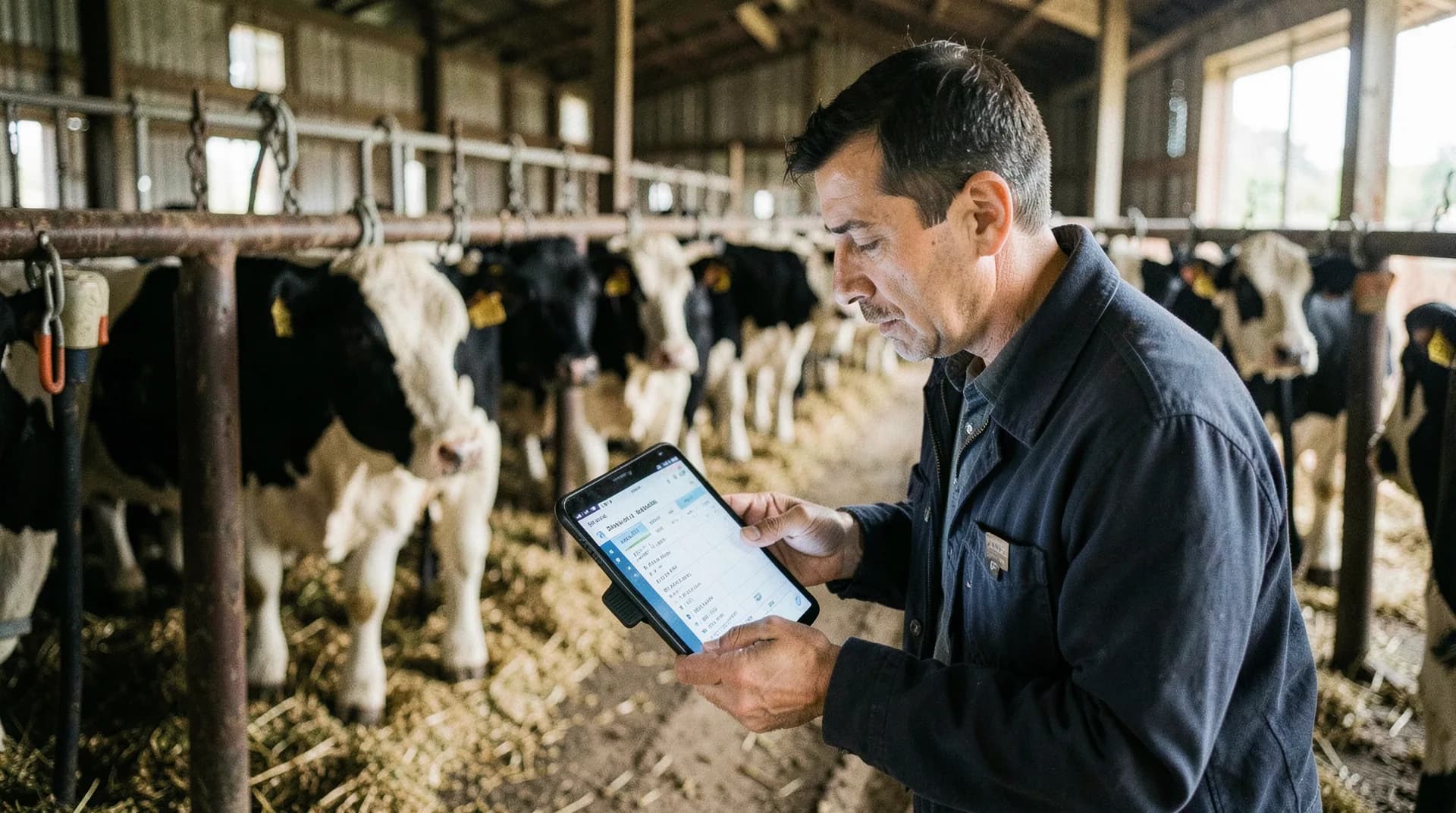
The role covers a defined gap in Australia's biosecurity, agriculture and food-export system. Officers inspect animals, plants, raw produce and processing facilities to verify compliance with quality, health and licensing standards. The "nec" (not elsewhere classified) suffix means the role does not fit the four named codes in unit group 3113 — meat inspector, fisheries officer, agricultural inspector, or quarantine officer — but performs comparable assurance work.
Work concentrates around export hubs and farming regions. Major employers include the Department of Agriculture, Fisheries and Forestry (DAFF), state primary-industries departments, abattoirs accredited for export, dairy and seafood processors, grain bulk handlers, and private certification bodies. Regional Queensland, the Murray-Darling basin, Tasmania and WA's south-west see consistent demand because that is where the inspected produce sits.
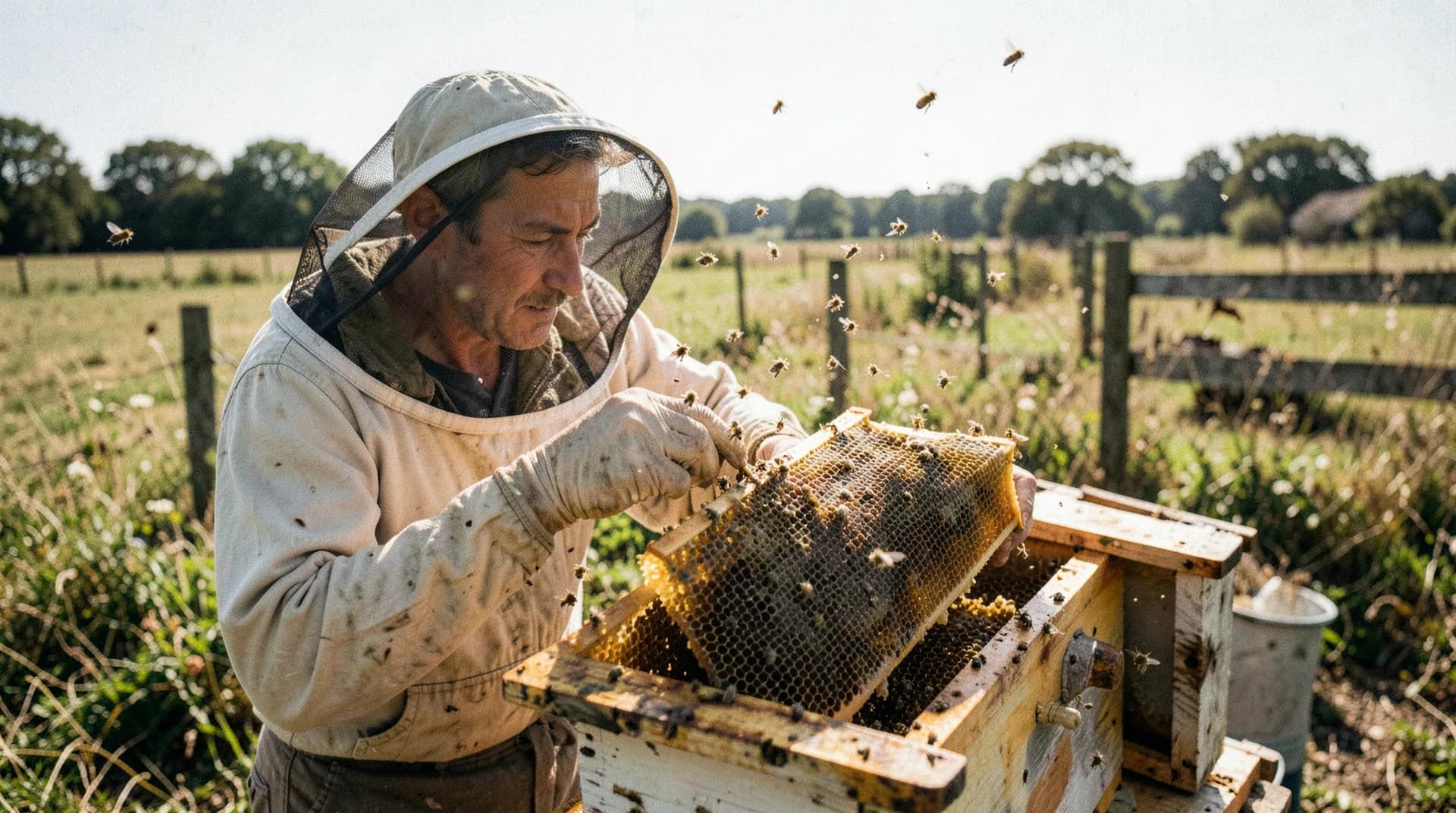
Australia's biosecurity workload has grown since the 2022 foot-and-mouth scare in Indonesia and the ongoing varroa mite incursion in NSW. Federal inspector roles attract the highest concentration of applicants, while abattoir and processing-plant assurance roles often go unfilled in regional towns.
ANZSCO 311399 Code Mapping
The full ANZSCO title is Primary Products Assurance and Inspection Officers nec and it sits inside unit group 3113. Officers typically:
- Inspect produce, livestock or facilities against published standards
- Sample materials for laboratory analysis
- Document non-compliance and issue corrective actions
- Liaise with producers, processors and regulatory bodies
- Maintain inspection records that withstand audit
If the work is dedicated to meat, fish or quarantine, use the named code instead — assessors reject "nec" applications when a precise code exists. Common borderline cases include cotton classers, wool classers, hide and skin classers and grain inspectors, which usually fit 311399 rather than the four named codes.
A cover letter justifying the "nec" choice is part of the VETASSESS submission. Skipping it is the single most common reason these applications stall.
Skills Assessment with VETASSESS
VETASSESS is the assessing authority for 311399. The body publishes its current fees and process at vetassess.com.au.
Requirements (Pathway 1 — qualification + experience):
- AQF Diploma or higher in a highly relevant field — agriculture, food science, biology, veterinary technology, environmental science
- At least one year of post-qualification employment at the appropriate skill level within the last five years
- Documented duties matching the ANZSCO description
Alternative pathways exist for applicants with Certificate IV qualifications or non-highly-relevant degrees, with higher experience thresholds.
Assessment cost: AUD $1,070 (Full Skills Assessment, current from 22 October 2025) Priority processing: AUD $825 extra, completed within 10 business days Processing time: 8-10 weeks standard
Common rejection reasons: Generic job descriptions that read as "quality control" rather than primary-products inspection; missing cover letter justifying the "nec" choice; employment evidence that fits a named code (e.g. obvious meat-inspector work routed through 311399).
Visa Pathways
Subclass 482 — Skills in Demand Visa
The dominant pathway for offshore applicants because biosecurity employers and meat processors actively sponsor.
- Visa fee: AUD $4,015 (primary applicant)
- Core Skills stream salary floor: AUD $79,423 + super
- Processing: Approximately 1-3 months for Core Skills nominations
- Quirk: Federal biosecurity roles often require Australian citizenship — restricts inspector work to state and private-sector sponsors
Subclass 190 — Skilled Nominated Visa
Permanent residency through state nomination. 311399 appears on selected state lists but not all.
- Visa fee: AUD $6,140 (primary applicant)
- Points boost: +5 from state nomination
- Two-year residency obligation in the nominating state
- Best states: Queensland and Victoria have indicated demand under their 2025-26 programs
Subclass 491 — Skilled Work Regional Visa
Five-year provisional visa, +15 points, regional residence required.
- Visa fee: AUD $6,140 (primary applicant)
- Points boost: +15
- Pathway to PR: Subclass 191 after 3 years of compliant regional work
- Reality: Most inspection work sits in regional Australia anyway, so this often fits the role
Subclass 186 — Employer Nomination Scheme
Direct PR through an employer sponsor.
- Visa fee: AUD $6,140 (primary applicant)
- Streams: Direct Entry (3 years experience) or TRT (after 2 years on 482)
- Used heavily by: Larger meat processors and exporters with established sponsorship programs
189 access is not available because 311399 is not on the MLTSSL.
Points Test Strategy
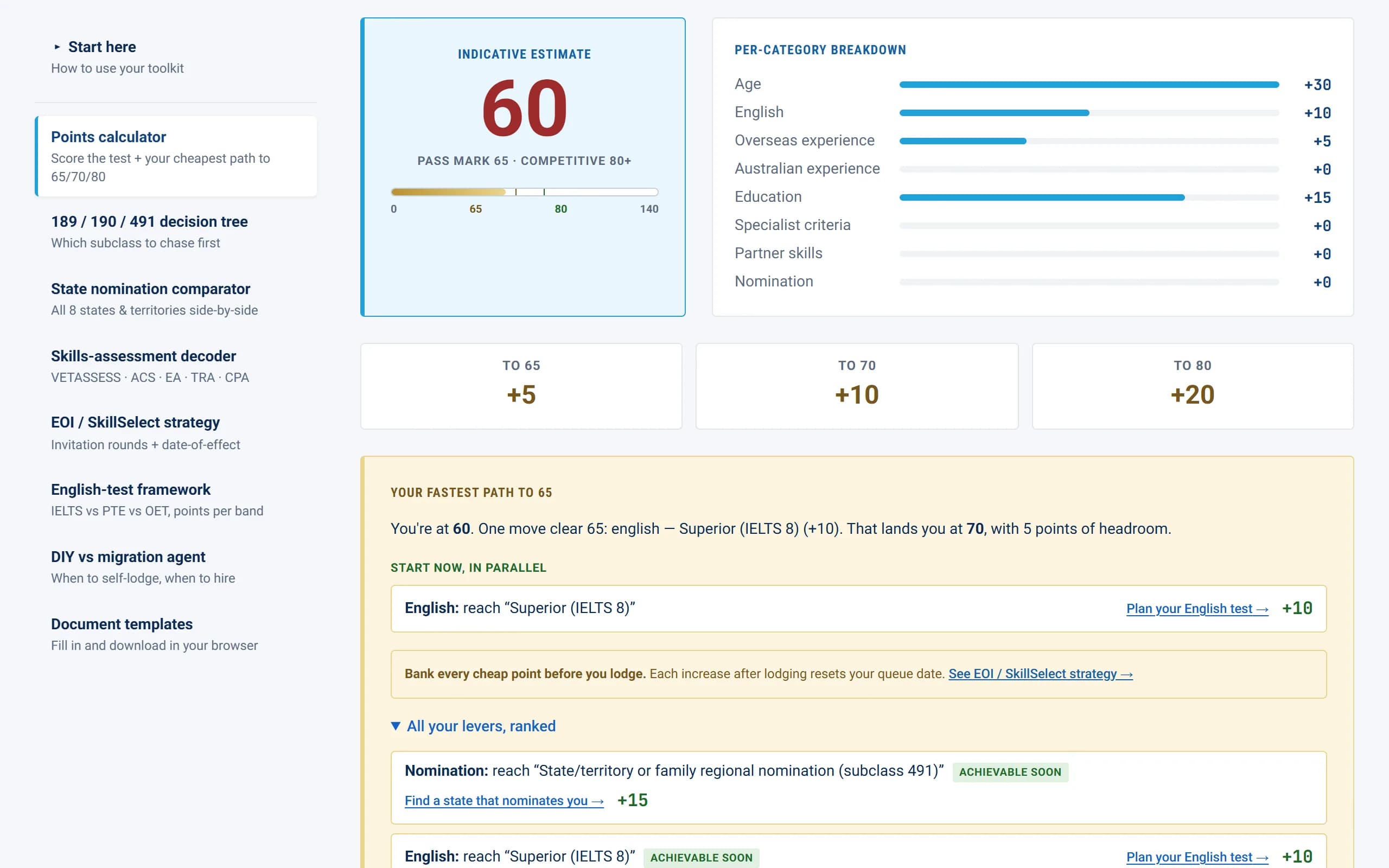
Because 311399 sits on the CSOL and STSOL only — not the MLTSSL — the 189 is off the table. Points still matter for 190 and 491 invitations.
| Points Factor | Points | Notes |
|---|---|---|
| Age (25-32) | 30 | Maximum bracket |
| Age (33-39) | 25 | Still strong |
| Bachelor degree | 15 | Common entry qualification |
| Diploma | 10 | The skill-level minimum |
| English (Proficient — 7.0) | 10 | Most realistic target |
| English (Superior — 8.0) | 20 | Worth the IELTS retake |
| Overseas experience (5-7 yrs) | 10 | Most applicants land here |
| State nomination (190) | 5 | Effectively mandatory for this code |
| Regional nomination (491) | 15 | The cleanest route |
| Partner skills | 5-10 | Worth assessing the partner |
Realistic scenario — Indian agronomist, age 31, Diploma, 6 years experience, IELTS 7:
Age 30 + Diploma 10 + English 10 + Experience 10 = 60 points, then +5 state nomination = 65 — competitive for QLD 190.
Realistic scenario — Filipino food-safety officer, age 28, Bachelor, 4 years experience, IELTS 7:
Age 30 + Bachelor 15 + English 10 + Experience 5 = 60, then +15 regional = 75 — strong for a 491 invitation.
State Nomination
Queensland
Queensland's 2025-26 program expanded significantly, with an allocation more than double the prior year tied to the 2032 Olympics workforce build. Agriculture, food processing and biosecurity occupations feature on the Queensland Skilled Occupation List for offshore and onshore streams. Applicants should hold the VETASSESS outcome before submitting an EOI to Migration Queensland.
Victoria
Victoria does not maintain a closed occupation list; nomination is targeted at priority sectors. Food and agribusiness fall under the state's advanced manufacturing and supply-chain focus. Regional Victoria (subclass 491) is the more accessible route for 311399 candidates.
Tasmania
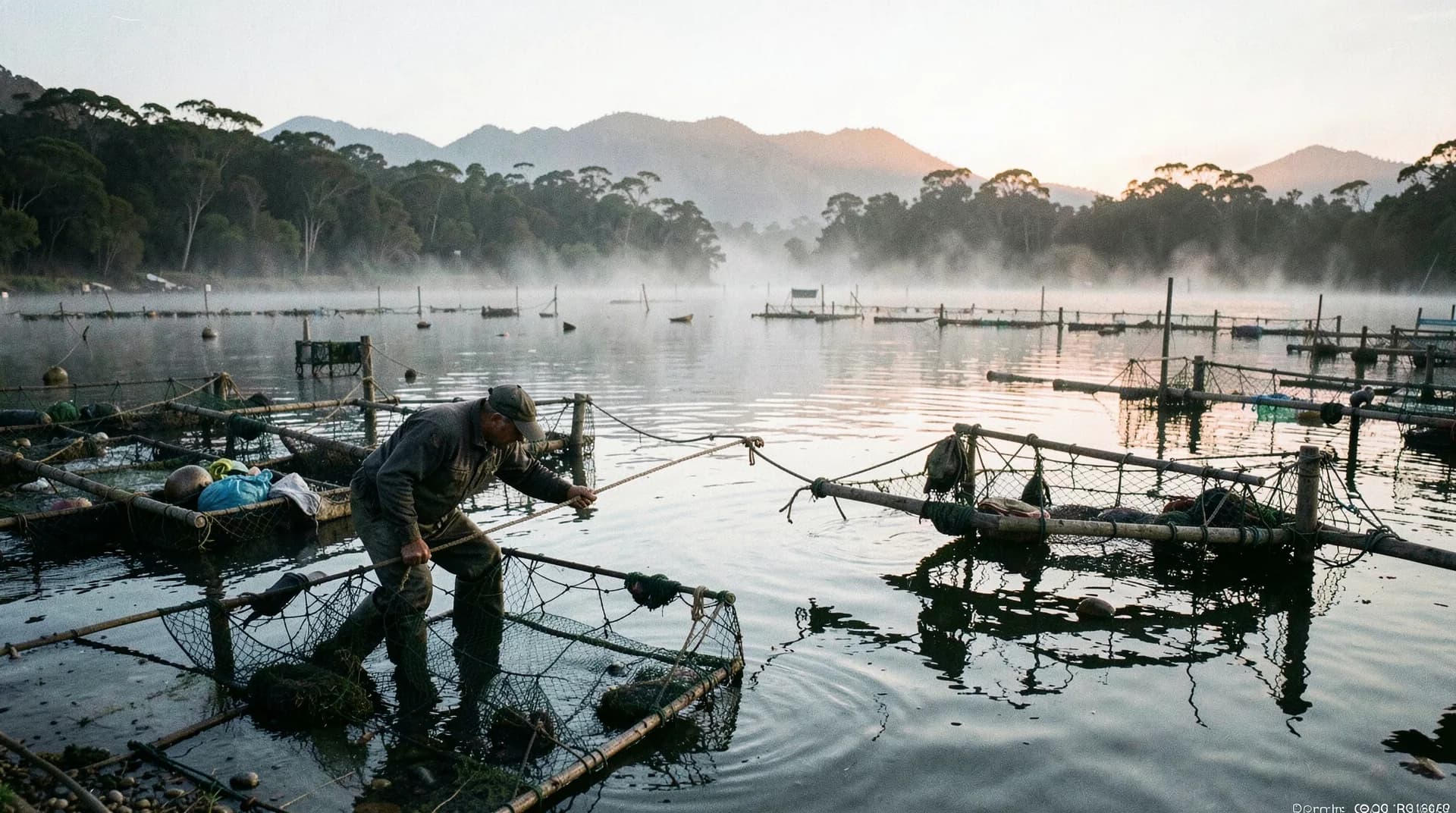
Tasmania consistently nominates agriculture, food-processing and aquaculture-adjacent roles via 491. The state's salmon, dairy and cherry industries create steady inspector demand. Living and working in Tasmania for the qualifying period is a hard requirement.
South Australia
South Australia's offshore stream has historically nominated agricultural-inspection roles in regions like the Barossa, Riverland and Eyre Peninsula. Confirm current status on the state's published list before lodging an EOI.
States without current nomination for 311399 (NSW, WA, ACT, NT) are not worth pursuing in 2026.
Salary and Employment Outlook
| Role | Typical Salary Range (AUD) |
|---|---|
| Entry inspector (regional) | $65,000-$78,000 |
| Mid-career inspector | $75,000-$92,000 |
| Senior compliance officer | $90,000-$110,000 |
| Export verification officer | $85,000-$105,000 |
| Federal biosecurity officer (citizen only) | $80,000-$115,000 |
| Abattoir/processor QA lead | $95,000-$125,000 |
Source: SEEK Salary Hub 2026 and Talent.com Australia, cross-referenced against ABS Employee Earnings and Hours, May 2025.
Total packages typically include superannuation at 11.5%, shift loadings for abattoir work, and regional living allowances for remote postings. Federal biosecurity roles include APS pay scales and overtime that can lift effective earnings by 15-25%.
Sectors and employers
- Meat and seafood export processors — Teys Australia, JBS Australia, Tassal, Huon
- Dairy and grain bulk handlers — Fonterra Australia, Saputo, GrainCorp, CBH Group
- Federal and state regulators — DAFF, NSW DPI, Agriculture Victoria, Biosecurity Queensland
- Private certification bodies — SAI Global, AsureQuality, NCSI
- Horticulture and wine — Hort Innovation member growers, Wine Australia accredited exporters
Tips for a Successful Application
1. Write the "nec" cover letter properly
VETASSESS requires applicants to explain why the role does not fit the four named 3113 codes. State explicitly what is and is not part of your duties. A one-page letter with clear reasoning is enough — assessors rarely query well-justified submissions but reject vague ones.
2. Get employment references in inspection language
References must describe inspection, sampling, compliance and reporting work — not generic "quality control". Ask referees to use verbs that match the ANZSCO description: inspect, sample, verify, certify, document, issue corrective actions.
3. Confirm your state's 2026 list before paying VETASSESS
The assessment costs over a thousand dollars. Confirm at least one state nominates 311399 for the visa stream you want before lodging. Lists change between financial years.
4. Consider Tasmania and regional QLD first
Both jurisdictions have a track record of inviting 311399 candidates under 491. NSW and WA are dead ends for this code in 2026.
5. Hold IELTS 7 or PTE 65 minimum
For 190 invitations in this code's points band, Proficient English is the realistic floor. Superior English (IELTS 8) lifts points by 10 and changes the invitation arithmetic.
Step-by-Step Migration Roadmap
- Map your duties carefully against ANZSCO 311399 versus named 3113 codes — see the ANZSCO code finder
- Confirm 311399 is on your target state's 2025-26 occupation list
- Sit IELTS or PTE — target 7 across all bands minimum
- Compile employment evidence: payslips, references, position descriptions
- Draft the "nec" cover letter justifying code choice
- Lodge VETASSESS Full Skills Assessment (AUD $1,070)
- Wait 8-10 weeks for outcome; consider priority processing if timelines are tight
- Submit EOI in SkillSelect with the positive assessment
- Apply for state nomination via the state's portal (Migration Queensland, Live in Tasmania, etc.)
- Receive invitation and lodge visa within 60 days
- Complete health checks, AFP and overseas police certificates
- Receive grant; satisfy regional or state residency obligations
For an end-to-end view of the system, see the Skills Assessment Bodies Complete List and the Core Skills Occupation List hub.
Frequently Asked Questions
Is Primary Products Inspector on the MLTSSL in 2026?
No. ANZSCO 311399 sits on the CSOL and STSOL but not the MLTSSL. That removes the 189 (Skilled Independent) as an option. State nomination via 190 or 491, or employer sponsorship via 482 or 186, are the available pathways. Confirm current list assignments on the 2026 SOL guide.
Can I migrate as a biosecurity officer with the federal government?
Federal Australian Public Service biosecurity officer roles generally require Australian citizenship. Sponsored migrants can still build a career through state regulators, private certification bodies, exporters and processors. Citizenship is achievable four years after permanent residency, at which point the APS opens up.
How is 311399 different from 311312 Meat Inspector or 311399 Quarantine Officer?
Meat Inspector (311311) and Quarantine Officer (311313) are named codes with specific scopes. 311399 covers inspection work that does not fit those named codes — grain assessors, wool classers, hide and skin classers, cotton classers, and similar. Choosing the named code where it fits avoids the "nec" justification hurdle.
What does VETASSESS look for in employment evidence?
VETASSESS expects payslips, tax records, employment contracts and references on company letterhead with verifiable signatories. Duties listed must match the ANZSCO 311399 task list. Vague position descriptions are the leading cause of negative outcomes. Pay the body's pre-assessment fee if uncertain — it costs less than a failed full assessment.
Which states actually nominate 311399 in 2026?
Confirmed state nominators for the 2025-26 program include Queensland (offshore and onshore), Tasmania (491 regional), and Victoria (case-by-case under priority sectors). South Australia includes the code on its offshore list for selected regions. NSW, ACT, NT and WA do not currently nominate 311399. Always verify against the state's own published list before lodging.
Can a non-highly-relevant degree still pass VETASSESS for this code?
Yes, via alternative pathways with higher experience thresholds — typically three years of relevant employment in the last five rather than one year. A non-relevant Bachelor or Diploma plus extensive on-the-job training in a primary-products setting can succeed if documented properly. The cover letter must explain the qualification-to-occupation link.