Sports Development Officer Visa Pathway to Australia: Complete 2026 Guide
Updated: 16 August 2026
Australia classifies Sports Development Officer under ANZSCO 452321, a Skill Level 2 occupation assessed by VETASSESS. The role sits on the Core Skills Occupation List and the Short-Term Skilled Occupation List, opening subclasses 190, 491, 482, and 186. Typical 2026 salaries run AUD $65,000 to $90,000. It is a higher-skilled, programme-focused role rather than a hands-on coaching position.
Quick Facts: Sports Development Officer Migration Pathway
| Detail | Information |
|---|---|
| ANZSCO Code | 452321 (Sports Development Officer) |
| Skill Level | 2 (AQF Associate Degree, Advanced Diploma, or Diploma) |
| Skills Assessment | VETASSESS (Vocational Education and Training Assessment Services) |
| Occupation List | CSOL and STSOL (Short-Term Skilled Occupation List) |
| Visa Options | 190 (state nominated), 491 (regional), 482 (Skills in Demand), 186 (ENS) |
| Demand Level | Moderate — driven by clubs, councils, and state sporting bodies |
| Salary Range | AUD $65,000-$90,000 (SEEK, Glassdoor, Jora, 2026) |
| Typical 189 Score | Not applicable — occupation is on the STSOL, not the 189 list |
| Key Challenge | Meeting the Diploma-level qualification benchmark for VETASSESS |
What a Sports Development Officer Does in Australia
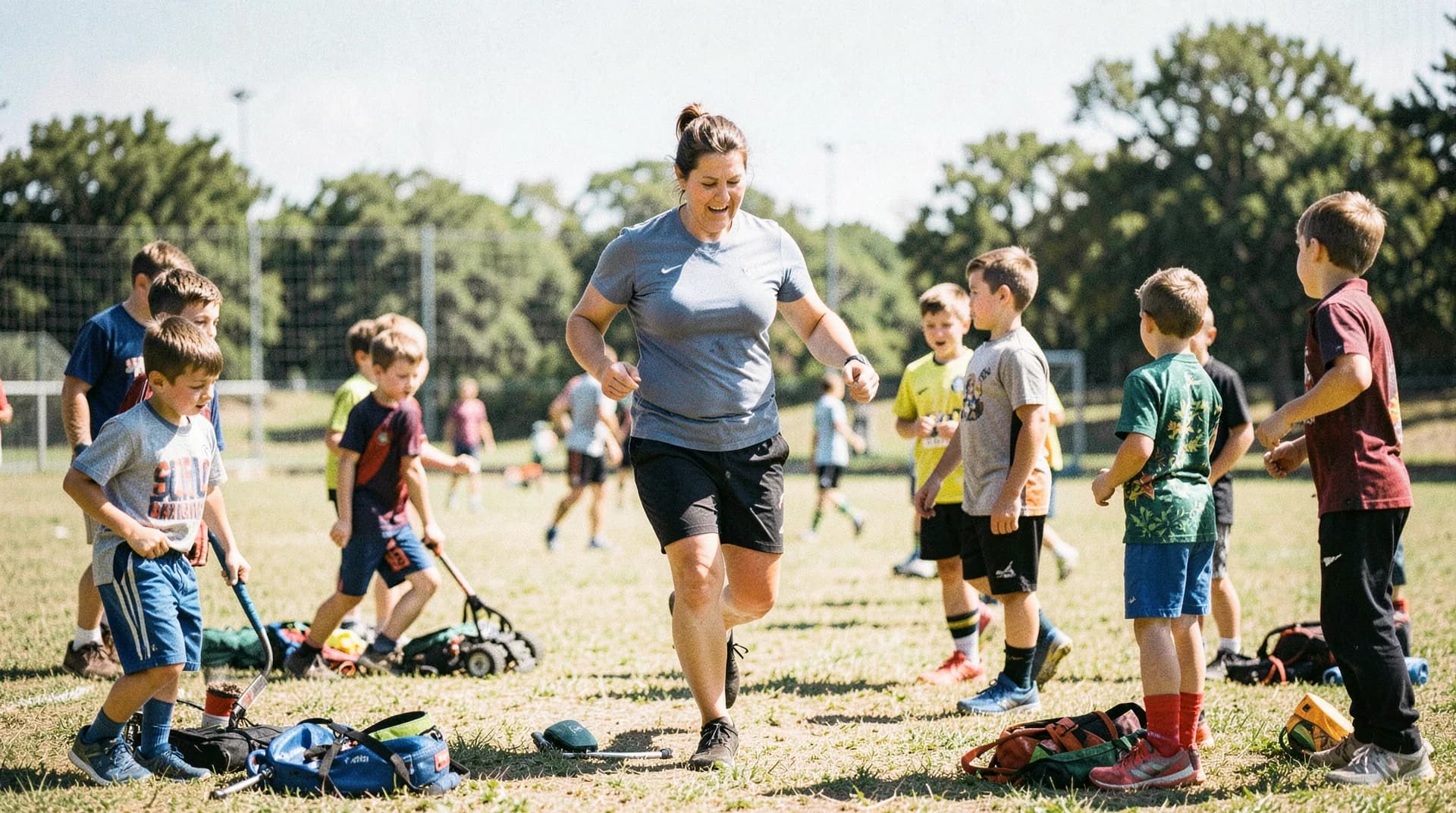
Sports development officers grow participation in sport and oversee the involvement of young people and other priority groups. The role is administrative and programme-focused rather than coaching-focused. Officers design participation programs, coordinate community events and competitions, recruit and support volunteers and coaches, manage funding and grant applications, and report on participation outcomes to clubs, councils, or peak bodies.
Employers are local councils, state sporting organisations, regional sports academies, and national peak bodies. Much of the demand comes from government-funded participation initiatives — programs aimed at children, women and girls, people with disability, and underrepresented communities. The role sits inside Australia's wider sport-participation policy framework, so officers often work to targets set by state departments of sport and recreation.
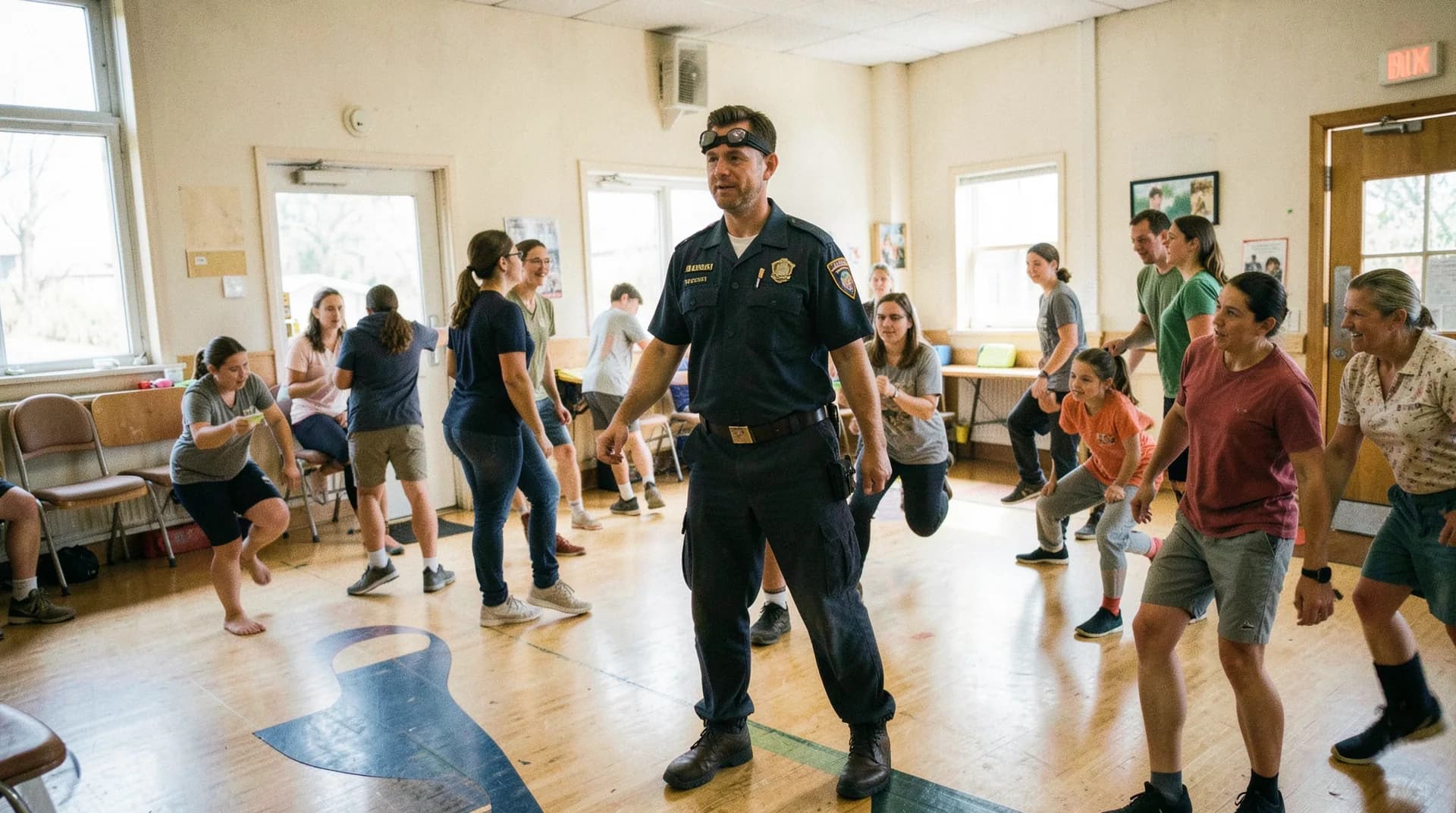
This is a desk-and-field hybrid. An officer might spend mornings on grant reporting and stakeholder meetings and afternoons running a school-holiday participation clinic. Because the role blends programme management with community engagement, employers want candidates who can both administer funded programs and work credibly with clubs and participants.
ANZSCO Code 452321 Explained
ANZSCO 452321 covers a Sports Development Officer who promotes sport and skills development and oversees the participation of young people and other special groups in sport. It sits in unit group 4523, Sports Coaches, Instructors and Officials, but is distinct from the hands-on coaching codes.
Core tasks summarised from the ANZSCO description include planning and coordinating sport and recreation programs, promoting participation, liaising with schools, clubs, and community groups, recruiting and supporting coaches and volunteers, managing budgets and funding, and monitoring and reporting on participation. Registration or licensing can be required depending on the role and the groups served, such as working-with-children clearances. If your work is direct coaching rather than programme development, the sports coach pathway is the better fit. Confirm the right code through the ANZSCO code finder.
Skills Assessment with VETASSESS
VETASSESS assesses Sports Development Officer. The benchmark is higher than for the coaching codes in the same unit group.
Requirements. A positive outcome generally needs:
- A qualification assessed at AQF Diploma level or higher in a highly relevant field, plus at least one year of post-qualification highly relevant employment at the appropriate skill level in the last five years
Where the qualification is not at the required level or field, VETASSESS may consider relevant pre-qualification employment, typically three years of relevant pre-qualification work plus one year of highly relevant employment within the last five years. Employment must be paid and at the appropriate skill level.
Assessment cost. AUD $1,096 for the standard offshore application. Priority processing adds AUD $825.
Processing time. Around 7 to 10 weeks for standard processing, with priority processing returning an outcome in about 10 business days.
Common rejection reasons. Two issues recur. First, applicants present a coaching background when the role demands programme development, so the employment is judged not highly relevant to a development officer. Second, the qualification falls short of the Diploma benchmark and the pre-qualification experience does not bridge the gap. References that describe programme design, funding management, and stakeholder coordination — rather than session coaching — give the strongest result. Compare VETASSESS with the other assessors in the skills assessment bodies list.
Visa Pathways for Sports Development Officers
Sports Development Officer is on the CSOL and the STSOL. STSOL placement keeps the points-tested options to the 190 and the regional 491.
Subclass 190 — Skilled Nominated Visa
A points-tested permanent visa requiring state or territory nomination, which adds 5 points.
- Visa fee: from AUD $6,140 (primary applicant)
- Eligibility note: the nominating state must list the occupation; you commit to living there for the nomination period
- Processing time: published Home Affairs times apply
- Quirk that matters: states with active participation-funding programs are the likeliest to nominate the role
Subclass 491 — Skilled Work Regional (Provisional)
A points-tested regional visa adding 15 points, with a pathway to permanent residency.
- Visa fee: from AUD $6,140 (primary applicant)
- Eligibility note: regional councils and academies often employ development officers, which suits this route
- Processing time: published Home Affairs times apply
- Quirk that matters: regional participation programs are a funding priority, so regional roles can be genuine and well supported
Subclass 482 — Skills in Demand Visa
Employer sponsorship through a council, sporting body, or club.
- Visa fee: from AUD $3,210 (Core Skills stream, primary applicant)
- Eligibility note: salary must meet the Core Skills Income Threshold and the market rate
- Processing time: faster for accredited sponsors
- Quirk that matters: government-funded employers can be cautious sponsors, so confirm the organisation's sponsorship status early
Subclass 186 — Employer Nomination Scheme
Permanent residency through an employer.
- Visa fee: from AUD $6,140 (primary applicant)
- Eligibility note: Direct Entry needs three years of relevant experience and a positive assessment
- Processing time: published Home Affairs times apply
For the points-tested 190 and 491, you lodge an Expression of Interest first. The mechanics are in the SkillSelect EOI guide.
Points Test Strategy
For the 190 and 491, the standard points factors apply.
| Points Factor | Points |
|---|---|
| Age (25-32) | 30 |
| Age (33-39) | 25 |
| English (Proficient — 7.0) | 10 |
| English (Superior — 8.0+) | 20 |
| Diploma / Associate Degree | 10 |
| Bachelor degree or higher | 15 |
| Skilled employment (overseas, 5-8 yrs) | 10 |
| State nomination (190) | 5 |
| Regional nomination (491) | 15 |
| Partner skills | 5-10 |
Realistic Scenarios
Scenario 1 — Diploma-qualified regional candidate. A 30-year-old with a relevant diploma, six years in sport development, and Proficient English: 30 (age) + 10 (English) + 10 (qualification) + 10 (experience) = 60, plus 15 for a 491 regional nomination = 75 points.
Scenario 2 — Degree-qualified candidate. A 28-year-old with a relevant bachelor degree, Superior English, and four years of experience: 30 (age) + 20 (English) + 15 (qualification) + 5 (experience) = 70, plus 5 for a 190 = 75 points, or plus 15 for a 491 = 85 points.
The 189 independent visa does not apply, because the occupation is on the STSOL rather than the points-tested independent list.
State Nomination
State and territory programs nominate Sports Development Officer where participation funding and community-sport priorities support the role, and the lists are reviewed each year. States with strong regional participation initiatives and well-funded peak bodies are the most likely candidates. Eligibility must be confirmed against each state's published nomination list at the time you apply, since these lists change year to year. Verify the current position with the relevant state before lodging an Expression of Interest.
Salary and Employment Outlook
Development-officer pay is steadier than coaching pay because much of it sits in salaried council and peak-body roles.
| Role | Typical Salary Range |
|---|---|
| Sports development officer (entry) | AUD $65,000-$72,000 |
| Experienced development officer | AUD $72,000-$82,000 |
| Senior officer / programme manager | AUD $82,000-$95,000+ |
Figures draw on SEEK, Glassdoor, and Jora data current to 2026, with regional averages running around AUD $74,000 in Melbourne and AUD $77,000 to $81,000 in South Australia and Western Australia. Some advertised salaries include superannuation, so confirm whether the 11.5% super sits inside or on top of a quoted figure. Council and state-body roles offer stable conditions and clear progression.
The higher-paying positions are programme manager and senior officer roles within larger councils, state sporting organisations, and national peak bodies. Demand tracks government participation funding, which has held up across community sport, women's and girls' programs, and inclusion initiatives. Compare against other roles in the salary expectations guide.
Tips for a Successful Application
- Frame your experience as programme development, not coaching. VETASSESS distinguishes this role from the coaching codes. References should describe designing and running participation programs, managing funding, and coordinating stakeholders.
- Meet the Diploma benchmark. The qualification bar is higher than for coaching. If your formal qualification falls short, document substantial relevant pre-qualification experience to bridge the gap.
- Highlight funding and grant work. Australian employers in this field manage government grants. Evidence that you have administered funded programs and reported on outcomes maps directly onto local expectations.
- Consider the regional route. Regional councils and academies frequently employ development officers, and regional participation is a funding priority, so the 491 can offer both a genuine role and a nomination.
- Sort out working-with-children clearances early. Much of the work involves young people, so the relevant state clearance is usually a condition of employment. Knowing the requirement in advance smooths the move.
Step-by-Step Migration Roadmap
- Confirm your ANZSCO code with the ANZSCO code finder — development officer, not coach.
- Check list status on the Core Skills Occupation List.
- Assess your qualification against the Diploma-level VETASSESS benchmark.
- Gather employer references describing programme development, funding, and stakeholder work.
- Lodge the VETASSESS skills assessment (AUD $1,096).
- Sit an English test, aiming for Superior for maximum points.
- For the 190 or 491, submit an Expression of Interest through SkillSelect.
- Apply for state or regional nomination, or secure a sponsoring employer for a 482 or 186.
- Receive the invitation or nomination approval.
- Lodge the visa application.
- Complete health, character, and any working-with-children checks.
- Receive the visa grant and relocate.
Frequently Asked Questions
How is a Sports Development Officer different from a sports coach?
A development officer designs and runs participation programs, manages funding, and coordinates clubs and volunteers, rather than coaching athletes directly. The two roles have separate ANZSCO codes, and VETASSESS assesses development work against a higher qualification benchmark than the coaching codes.
What qualification do I need for the VETASSESS assessment?
The benchmark is generally an AQF Diploma or higher in a highly relevant field, plus at least one year of post-qualification highly relevant employment in the last five years. Where the qualification falls short, VETASSESS may consider relevant pre-qualification experience to make up the difference.
Is Sports Development Officer eligible for the 189 visa?
No. The occupation is on the Short-Term Skilled Occupation List, not the points-tested independent list, so the subclass 189 does not apply. The points-tested options are the 190 and the regional 491, both requiring nomination.
Who employs sports development officers in Australia?
Local councils, state sporting organisations, regional sports academies, and national peak bodies are the main employers. Much of the work is tied to government participation funding aimed at young people, women and girls, and underrepresented communities.
How much do sports development officers earn in Australia?
Salaries generally run from about AUD $65,000 for entry-level roles to $95,000 or more for senior officers and programme managers. Council and peak-body positions offer steady conditions, and some advertised figures include superannuation, so check whether super is inside or on top of the quoted amount.