Hotel Service Manager Visa Pathway to Australia: Complete 2026 Guide
Updated: 16 August 2026
Australia classifies Hotel Service Manager under ANZSCO 431411. VETASSESS conducts the skills assessment as a Group C occupation. The role is on the Core Skills Occupation List, which unlocks employer-sponsored subclasses 482 and 186. Typical 2026 salaries range AUD $70,000-$110,000. The code covers managers of a single hotel department, not whole-property general managers.
Quick Facts: Hotel Service Manager Migration Pathway
| Detail | Information |
|---|---|
| ANZSCO Code | 431411 (Hotel Service Manager) |
| Skill Level | 2 (AQF Associate Degree, Advanced Diploma or Diploma, or three years relevant experience) |
| Skills Assessment | VETASSESS (Group C) |
| Occupation List | CSOL (Core Skills Occupation List) |
| Visa Options | 482 (Skills in Demand), 186 (Employer Nomination Scheme) |
| Demand Level | Moderate to high — sustained shortage of skilled hospitality supervisors |
| Salary Range | AUD $70,000-$110,000 (SEEK, 2026) |
| Typical 189 Score | Not applicable — no points-tested pathway (employer sponsorship only) |
| Key Challenge | Proving department-level management, not just supervisory or whole-hotel duties |
What a Hotel Service Manager Does in Australia
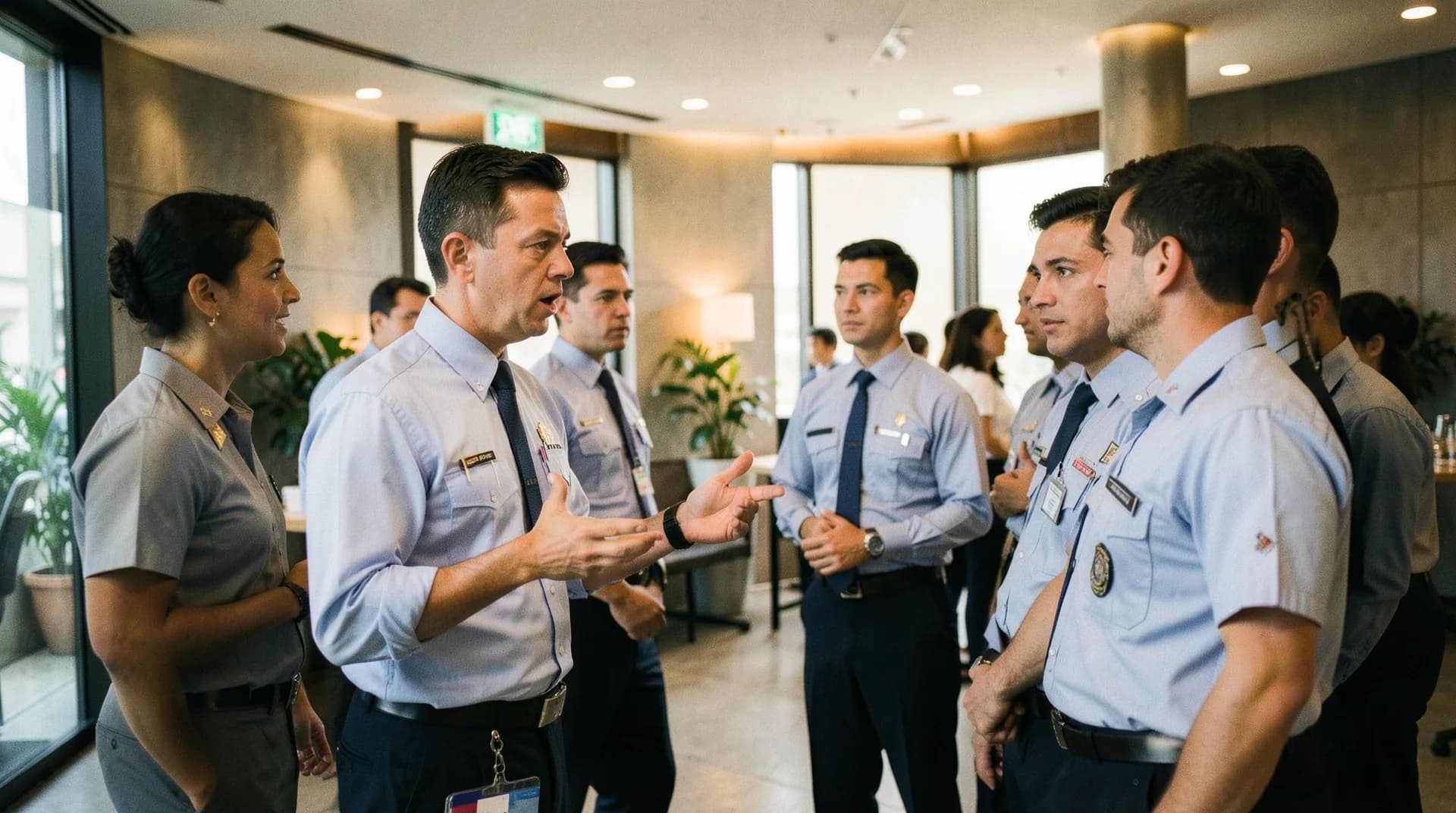
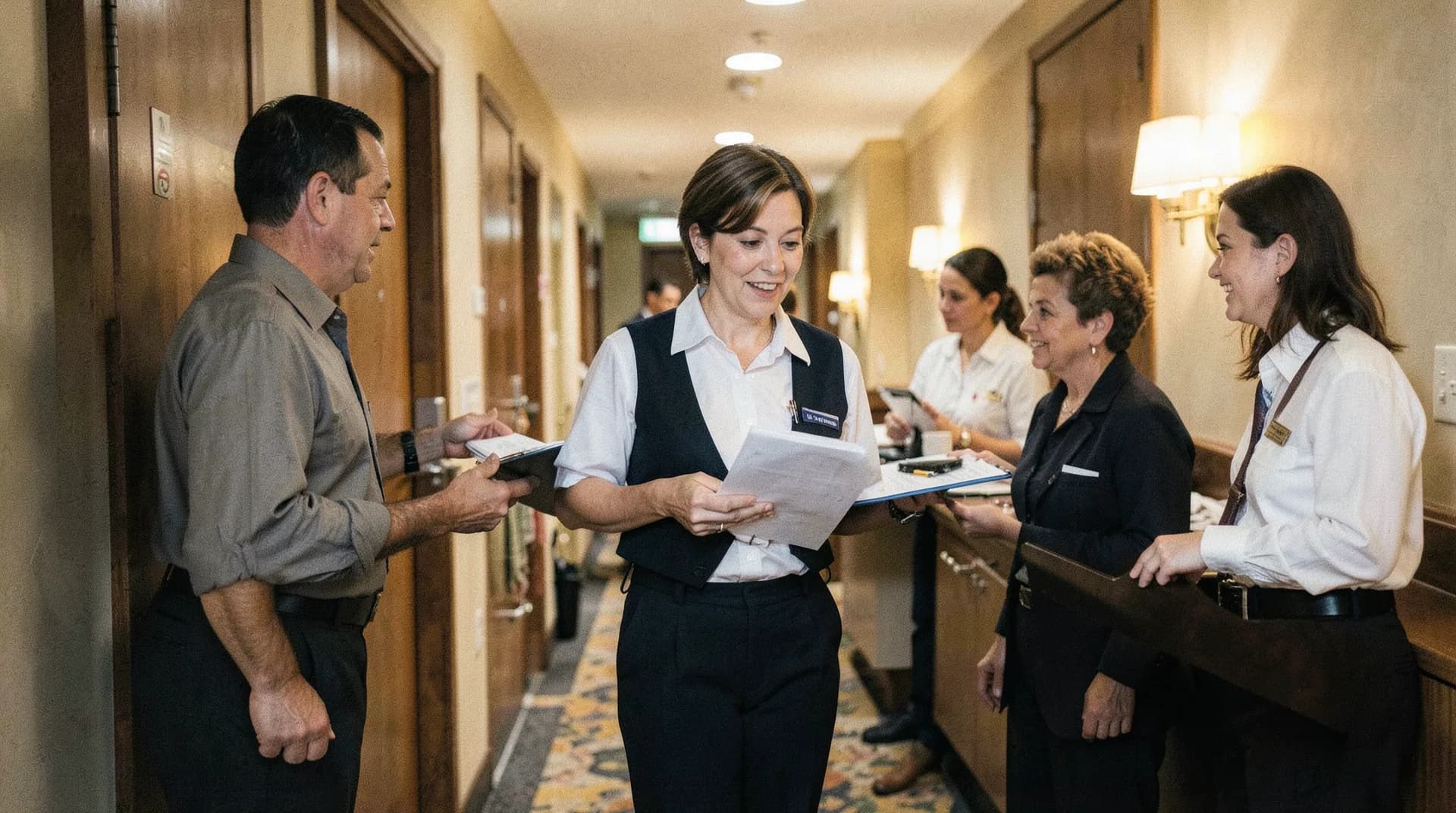
A Hotel Service Manager runs the service staff of a specific hotel department, such as front office, food and beverage, housekeeping, or guest services. The role plans rosters, sets service standards, handles guest issues, controls a departmental budget, and supervises and trains the team. It sits below the general manager and above frontline supervisors. The defining feature is responsibility for one operational division rather than the whole property.
Australia's accommodation sector rebuilt quickly after the pandemic, and skilled supervisory staff have been in short supply ever since. International tourism, domestic travel, and a steady pipeline of new hotels in the capital cities and resort regions have all lifted demand. The work concentrates where the rooms are: Sydney, Melbourne, Brisbane, the Gold Coast, Cairns, Perth, and major resort destinations. The occupation's place on the Core Skills Occupation List reflects employers' difficulty filling experienced departmental management roles.
Pay is reasonable for a CSOL occupation, which helps with the 482. A sponsoring employer must pay at least the Core Skills Income Threshold of AUD $76,515 or the market rate, whichever is higher. Departmental management salaries usually sit at or above that figure, so the threshold is less of an obstacle here than for frontline hospitality roles.
ANZSCO Code 431411 Explained
ANZSCO 431411 covers managers who organise and control the activities of a hotel's service staff within a particular department. The official tasks include directing and supervising service staff, planning work schedules, maintaining service and hygiene standards, handling guest complaints, and assisting with departmental budgeting. The crucial limit is scope: this code applies to a manager responsible for one area of operations, not the person running the entire establishment.
That distinction drives the assessment outcome. If you manage the whole hotel — all departments, the overall budget, and the property's commercial performance — your role maps to Hotel or Motel Manager (ANZSCO 141311), not to 431411. If you manage a broader hospitality operation that does not fit either, Hospitality, Retail and Service Managers nec may apply. Use the ANZSCO code finder to confirm the right code, because VETASSESS rejects applications where the claimed code does not match the scope of the duties.
Skills Assessment with VETASSESS
VETASSESS assesses Hotel Service Manager as a Group C occupation. The assessment checks both your qualification and your employment history, and confirms that your duties are genuinely at departmental management level.
VETASSESS (Vocational Education and Training Assessment Services)
- Canonical site: vetassess.com.au
- Qualification requirement: a qualification assessed as comparable to an AQF Diploma or higher. Group C pathways also allow for combinations of lower qualifications with additional relevant employment.
- Experience requirement: post-qualification employment at the appropriate skill level, highly relevant to the occupation, within the last five years, working at least 20 hours a week. The exact duration depends on the qualification pathway.
- Assessment cost: AUD $1,096 for a full skills assessment (effective 22 October 2025). Priority processing adds AUD $825.
- Processing time: standard processing averages around 7 weeks; priority processing returns an outcome in about 10 business days.
- Common rejection reasons: duties that describe a frontline supervisor rather than a department manager; references that suggest whole-hotel responsibility (which belongs under 141311); employment that cannot be verified through payslips and organisational charts.
VETASSESS updated its assessment criteria for hospitality manager occupations, so check the current information sheet for 431411 before lodging. An organisational chart showing where your role sits is one of the most persuasive documents you can include.
Visa Pathways for Hotel Service Managers
Hotel Service Manager is on the Core Skills Occupation List but not on the points-tested lists, so subclasses 189, 190, and 491 are unavailable. Both routes are employer-sponsored.
Subclass 482 — Skills in Demand Visa
The primary pathway. An approved hotel or accommodation provider sponsors you into a nominated departmental management role.
- Visa fee: from AUD $3,210 (primary applicant, Core Skills stream).
- Salary constraint: the role must pay at least the Core Skills Income Threshold of AUD $76,515 or the market rate, whichever is higher. Departmental management pay usually clears this comfortably.
- Experience: at least one year of relevant full-time equivalent work in the last five years.
- Quirk: large hotel groups and international chains are experienced sponsors and often recruit departmental managers internationally, which makes this one of the more accessible CSOL hospitality routes.
Subclass 186 — Employer Nomination Scheme
The permanent residency pathway, usually reached after time on a 482.
- Visa fee: from AUD $6,140 (primary applicant).
- Streams: Temporary Residence Transition (after qualifying time with the sponsoring employer) or Direct Entry.
- Quirk: the Direct Entry stream requires three years of relevant experience, so many managers transition through a 482 first.
State and Regional Nomination
Hotel Service Manager is not on the points-tested lists, so the standard subclass 190 and 491 state nomination programs do not apply. The relevant lever is the Designated Area Migration Agreement system. Tourism-heavy regions, including parts of Far North Queensland and other resort destinations, run DAMAs that include hospitality management roles, sometimes with salary or experience concessions. If your sponsoring employer operates in a DAMA region, confirm the current occupation list and any concession with the designated area representative before relying on it.
Salary and Employment Outlook
| Role | Typical Salary Range |
|---|---|
| Department Supervisor (entry to management) | AUD $65,000-$78,000 |
| Hotel Service Manager (department) | AUD $75,000-$100,000 |
| Senior or Multi-Department Manager | AUD $95,000-$120,000 |
| Hotel General Manager | AUD $120,000-$180,000+ |
Source: SEEK, 2026, drawing on hotel manager benchmarks. Departmental management salaries vary with property size, brand, and location. Superannuation of 11.5 per cent applies on top of base pay, and many roles add performance bonuses and accommodation or meal allowances. Five-star city hotels and international resort brands pay at the higher end.
The outlook is positive. The accommodation sector continues to expand with new builds in the capital cities and resort regions, and experienced departmental managers remain hard to recruit locally. For migrants, the combination of solid pay and active sponsorship by hotel groups makes this a comparatively smooth CSOL pathway.
Tips for a Successful Application
-
Prove department-level scope, not supervision. VETASSESS needs to see that you manage a department — its staff, standards, and budget — rather than supervise a shift. Spell out the rostering, budgeting, and management duties in your references.
-
Do not claim whole-hotel responsibility under this code. If your references describe running the entire property, VETASSESS will point you to Hotel or Motel Manager (141311). Match the code to the genuine scope of your role.
-
Include an organisational chart. Showing where your role sits, who reports to you, and who you report to is one of the strongest pieces of evidence for a Group C management assessment.
-
Target hotel groups and international brands. Large operators sponsor regularly, pay above the salary threshold, and understand the 482 process, which makes them the most reliable sponsors.
-
Plan the 482 to 186 sequence. Direct Entry to the 186 needs three years of experience. Most managers build that on a 482, then transition to permanent residency.
Step-by-Step Migration Roadmap
- Confirm your role maps to ANZSCO 431411 and not to Hotel or Motel Manager.
- Check the occupation remains on the Core Skills Occupation List.
- Confirm your qualification meets the VETASSESS Group C pathway.
- Gather references, payslips, and an organisational chart establishing departmental management.
- Lodge the VETASSESS skills assessment (AUD $1,096), with priority processing if needed.
- Sit an English test that meets the 482 requirement.
- Find a sponsoring hotel or accommodation provider.
- Have the employer lodge the nomination for the role.
- Lodge the subclass 482 visa application.
- Work in the sponsored role and build toward the three-year experience mark.
- Apply for subclass 186 through the Temporary Residence Transition or Direct Entry stream.
- Complete health and character checks and receive the grant.
For the full assessing-authority list, see the skills assessment bodies list, and for how employer sponsorship sits alongside the points system, see the SkillSelect EOI overview.
Frequently Asked Questions
What's the difference between Hotel Service Manager and Hotel or Motel Manager?
Scope. Hotel Service Manager (431411) manages a single department, such as front office or food and beverage. Hotel or Motel Manager (141311) runs the whole property, including all departments and the overall commercial result. Choose the code that matches your actual responsibility, because VETASSESS rejects claims where the duties do not fit the code.
Can I get permanent residency as a hotel service manager?
Yes, through subclass 186. The occupation is not on the points-tested lists, so subclasses 189 and 190 are unavailable, but the Employer Nomination Scheme leads to permanent residency. Most managers work on a 482 first and transition once they meet the experience requirement.
Is the salary threshold a problem for this occupation?
Less so than for frontline hospitality roles. The 482 requires AUD $76,515 or the market rate, whichever is higher, and departmental management salaries usually sit at or above that. The threshold is more of an issue if you are stepping up from a supervisor role at the lower end of the pay band.
What qualification do I need for the VETASSESS assessment?
Group C generally requires a qualification comparable to an AQF Diploma or higher, with relevant management experience. Pathways also exist that combine a lower qualification with additional employment. VETASSESS updated its hospitality manager criteria, so check the current 431411 information sheet for the exact combinations accepted.
Which employers are most likely to sponsor a hotel service manager?
Large hotel groups and international chains. They recruit departmental managers internationally as a matter of course, pay above the salary threshold, and have the experience and accreditation to act as approved sponsors. Independent and smaller properties sponsor less often, partly because of the cost and process involved.