Agricultural Consultant Visa Pathway to Australia: Complete 2026 Guide
Updated: 16 August 2026
Australia classifies Agricultural Consultants under ANZSCO 234111. VETASSESS conducts the skills assessment. The occupation sits on both the Core Skills Occupation List (CSOL) and the MLTSSL, unlocking subclasses 189, 190, 491, 482, and 186. Typical 2026 salaries range AUD $75,000-$130,000. Regional Australia carries most of the demand.
Quick Facts: Agricultural Consultant Migration Pathway
| Detail | Information |
|---|---|
| ANZSCO Code | 234111 (Agricultural Consultant) |
| Skill Level | 1 (Bachelor degree or higher in a highly relevant agricultural field) |
| Skills Assessment | VETASSESS (Vocational Education and Training Assessment Services) |
| Occupation List | MLTSSL and CSOL |
| Visa Options | 189, 190, 491, 482, 186 |
| Demand Level | High — rural employers report sustained difficulty filling specialist advisory roles |
| Salary Range | AUD $75,000-$130,000 (SEEK, Talent.com, PayScale 2026 cross-reference) |
| Typical 189 Score | 75-85 points (less competitive than ICT but rounds are smaller) |
| Key Challenge | Demonstrating "highly relevant" post-qualification experience for VETASSESS in the form of advisory work, not pure farm operations |
What an Agricultural Consultant Does in Australia
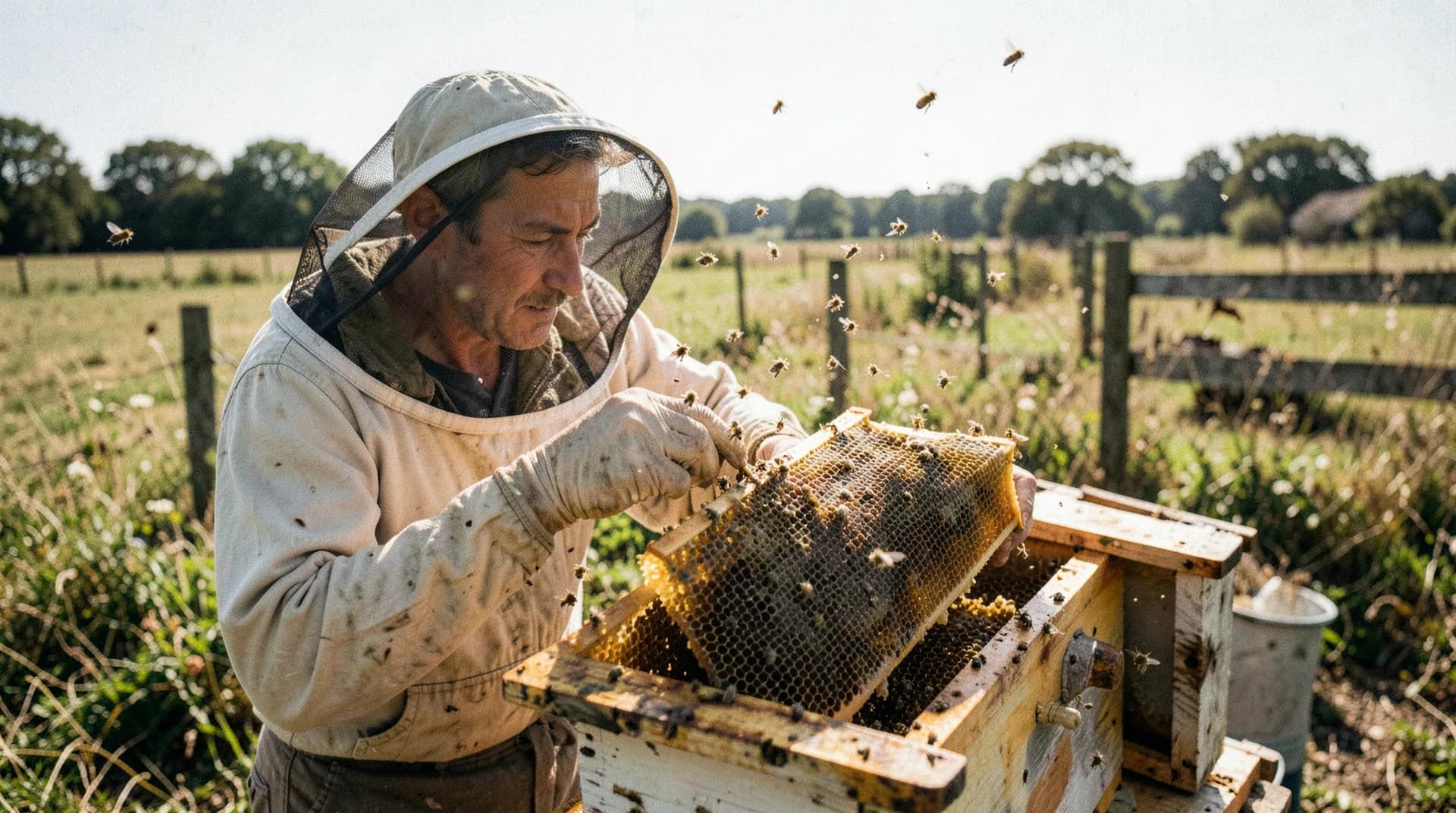
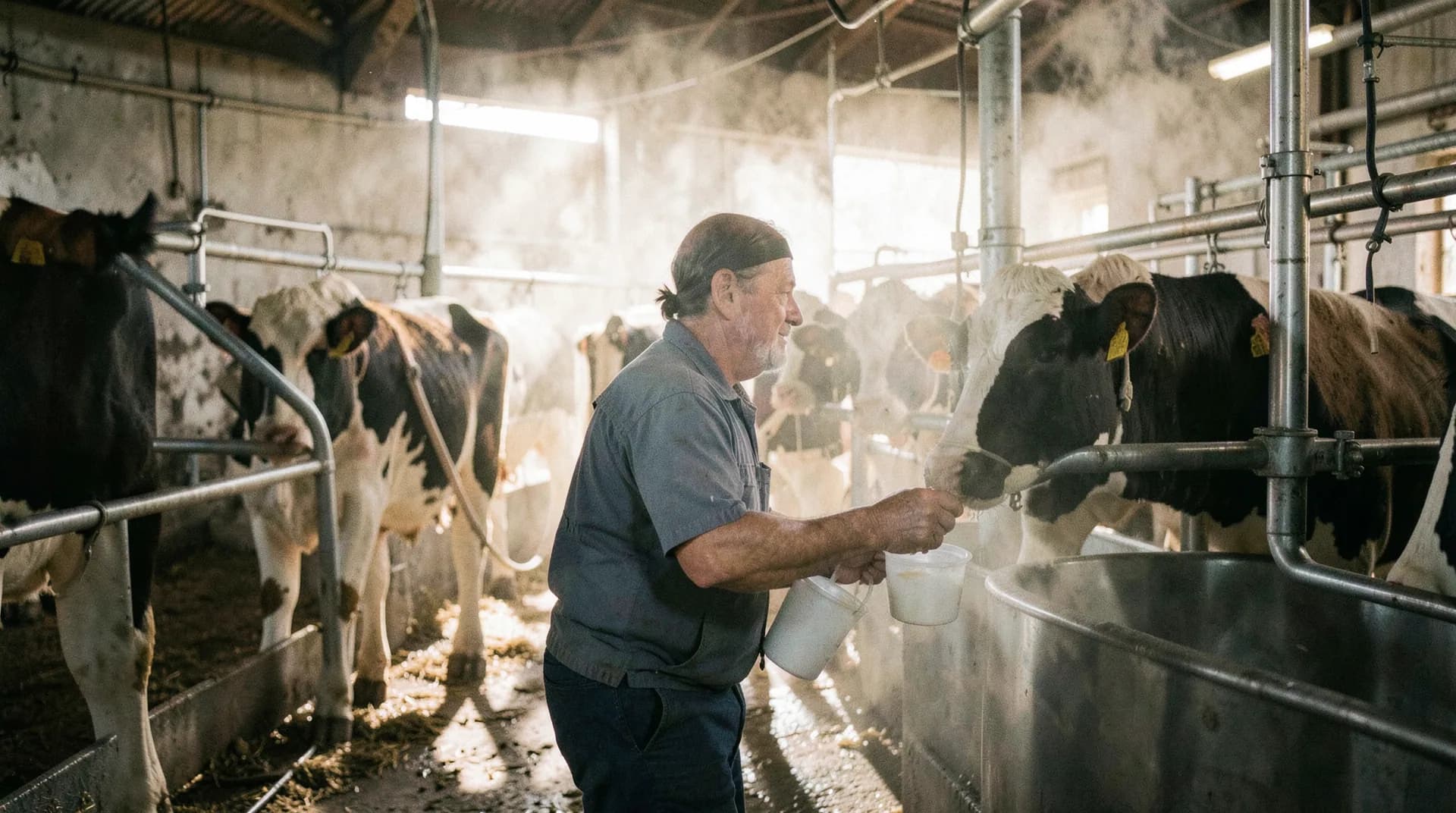
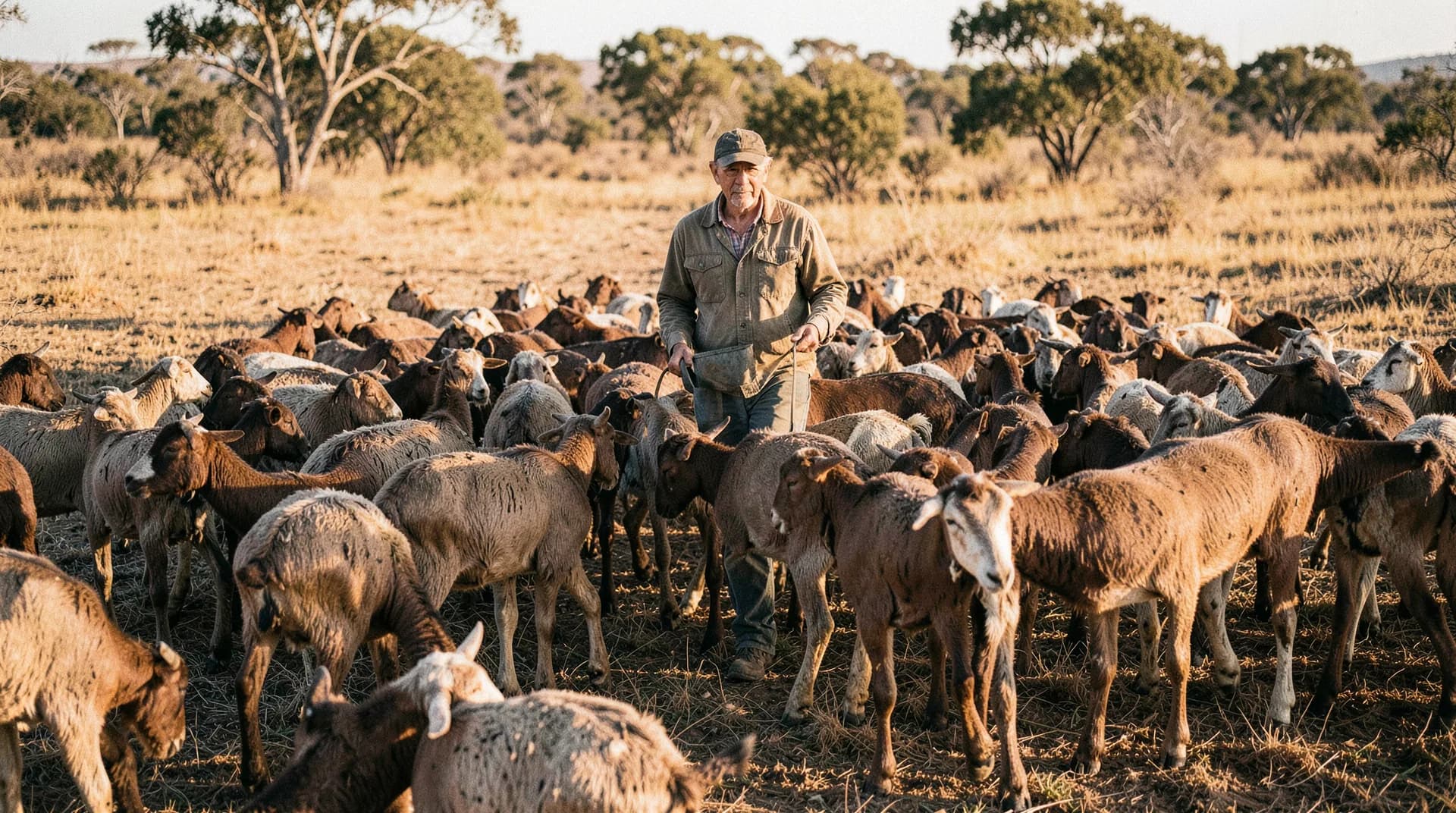
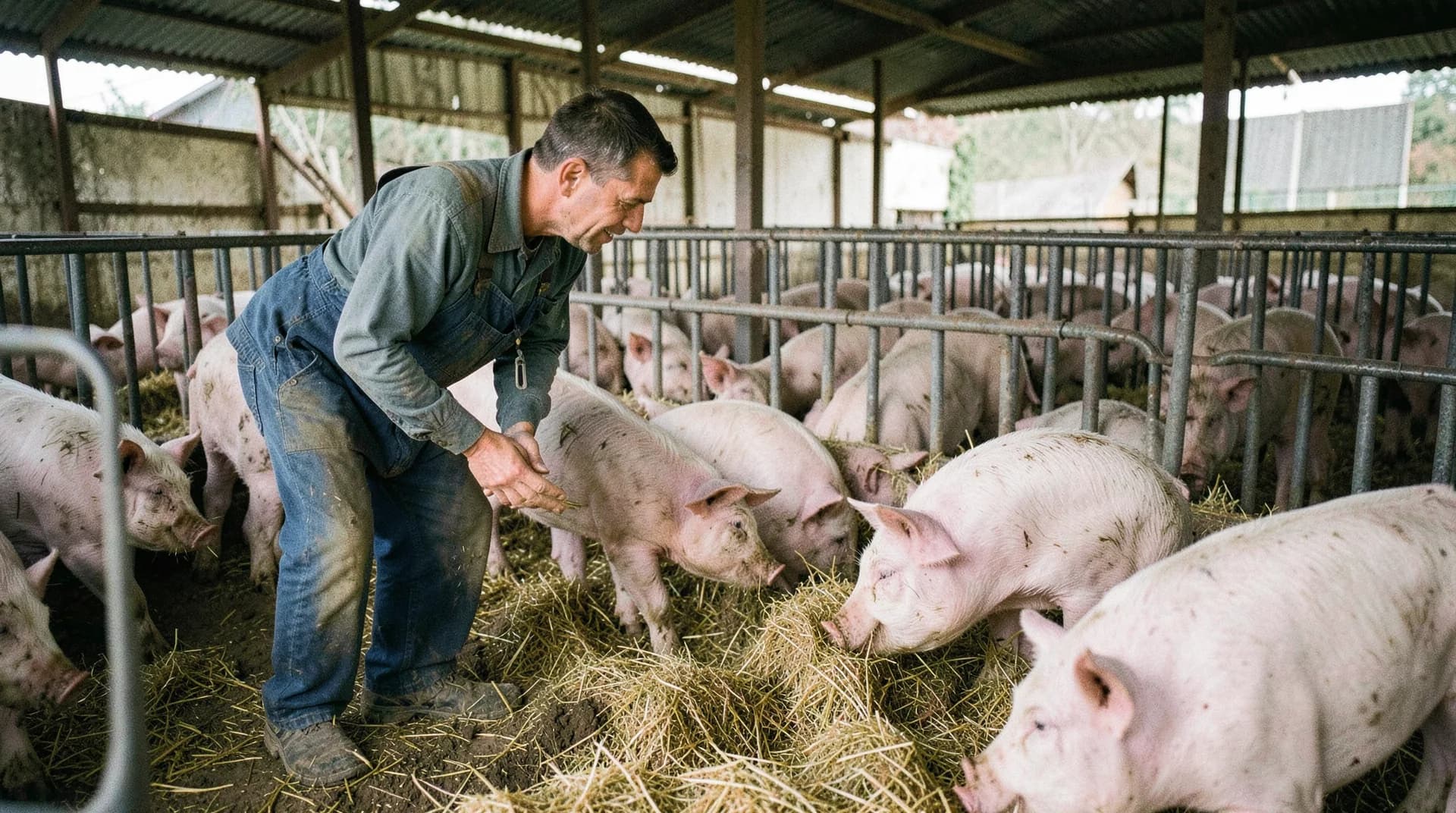
Agricultural Consultants advise farmers, agribusinesses, rural service companies, government departments, and research institutions on production systems, soil and crop management, livestock husbandry, irrigation, and farm financial planning. The role sits between applied science and commercial advisory: the work is technical, but the deliverable is usually a recommendation that changes how a farm operates.
Most positions in Australia are concentrated in regional centres rather than capital cities. Wagga Wagga, Toowoomba, Tamworth, Bendigo, Mildura, Bunbury, and Launceston are common bases. Employers include state Departments of Primary Industries, CSIRO, Elders, Nutrien Ag Solutions, Rural Funds Management, and a long tail of independent consultancies servicing broadacre cropping, viticulture, horticulture, and livestock operations. The 491 regional pathway is well suited to this profile because the work is, in practice, regional.
Demand drivers in 2026 include the federal carbon farming and biodiversity stewardship programmes, ongoing drought-resilience funding through the Future Drought Fund, and a generational shift as the existing consultant base retires. Jobs and Skills Australia lists Agricultural Consultants in the wider science-shortage group.
ANZSCO Code 234111
The ANZSCO description for Agricultural Consultant covers advice on production methods, soil and pasture management, animal husbandry, plant disease control, and the economics of farm management. Typical tasks include collecting and analysing data on crops, livestock, and farm practices; preparing reports for clients; advising on chemical and biological inputs; and interpreting research outcomes for commercial application.
A related code is 234112 Agricultural Scientist, which suits researchers in universities or institutes who design experiments and publish findings rather than advise clients directly. If a candidate spends most days on field walks and grower meetings, 234111 is the correct fit. If most days are spent on research design and publication, 234112 fits better. VETASSESS will not accept a mismatch between job duties and the nominated code.
Skills Assessment — VETASSESS
VETASSESS is the sole assessing authority for ANZSCO 234111. The assessment is a paper-based review of qualifications and employment evidence — there is no exam.
Qualification requirement. A qualification assessed as comparable to an Australian Qualifications Framework (AQF) Bachelor degree or higher, in a field highly relevant to the nominated occupation. VETASSESS accepts Agricultural Science, Animal Science, Crop Science, Agronomy, Viticulture, and Plant or Animal Production as directly relevant. Adjacent fields — Horticulture, Soil Science, Biotechnology, Environmental Science, Veterinary Science — are assessed case by case and only succeed when the transcript contains enough agronomy and plant or animal production subjects.
Employment requirement. At least one year of post-qualification employment, at the appropriate skill level, completed in the last five years, working at least 20 hours per week. The duties must be advisory — VETASSESS rejects applicants whose references describe pure farm-hand or labourer work even where the title is "consultant".
Cost. AUD $1,205.60 for an online application from outside Australia (excludes GST). Priority processing adds approximately AUD $825-$907.50. Fees rose with VETASSESS's October 2025 indexation; check the current schedule before lodging.
Processing time. 12-14 weeks standard. Priority processing returns results within 10 business days.
Common rejection reasons. Two recur. The first is generic employment references — a one-page letter from a farm manager confirming dates but not duties. The second is using a non-agricultural science degree without enough agronomy subjects on the transcript. Both are fixable before lodgement; neither is fixable after a negative outcome.
Visa Pathways
Subclass 189 — Skilled Independent
Permanent residency through the points-tested SkillSelect system. Available because 234111 is on the MLTSSL.
- Visa fee: AUD $6,135 primary applicant (Home Affairs, indexed July 2025; subject to further annual increase)
- Realistic points: 80-85 for an invitation in 2026 rounds
- Processing time: approximately 8-14 months on the published global processing-times page
- Quirk: Agricultural Consultant rounds clear at lower scores than ICT or accounting because the EOI pool is much smaller
Subclass 190 — Skilled Nominated
State nomination adds 5 points and grants permanent residency directly. Apply if the nominating state lists 234111 — South Australia, Tasmania, and Victoria are the consistent options for this code, with NSW periodically opening for applicants with rural employer commitments.
- Visa fee: AUD $6,140 primary applicant
- Obligation: live and work in the nominating state for two years
- Processing time: approximately 9-15 months
Subclass 491 — Skilled Work Regional (Provisional)
The dominant pathway for this occupation. Adds 15 points. Five-year provisional visa with a transition to permanent residency via the 191 once the regional income and residence requirements are met.
- Visa fee: AUD $6,140 primary applicant
- Quirk: virtually all Agricultural Consultant work in Australia is regional under the Home Affairs postcode definition. The 491 fits the lifestyle, not just the immigration arithmetic.
Subclass 482 — Skills in Demand
Employer-sponsored temporary visa. Used by larger agribusinesses and the major consultancies when hiring offshore.
- Visa fee: AUD $3,210 primary applicant
- Sponsor requirements: approved sponsor status, labour market testing, and a salary at or above the TSMIT
- Processing time: typically 1-3 months for standard processing, faster for accredited sponsors
Subclass 186 — Employer Nomination Scheme
Permanent residency via employer sponsorship, through either the Direct Entry stream (offshore) or the Temporary Residence Transition stream (after time on a 482).
- Visa fee: AUD $6,140 primary applicant
- Quirk: the Direct Entry stream requires a positive VETASSESS assessment plus three years of relevant experience, which most experienced consultants already hold
Points Test Strategy
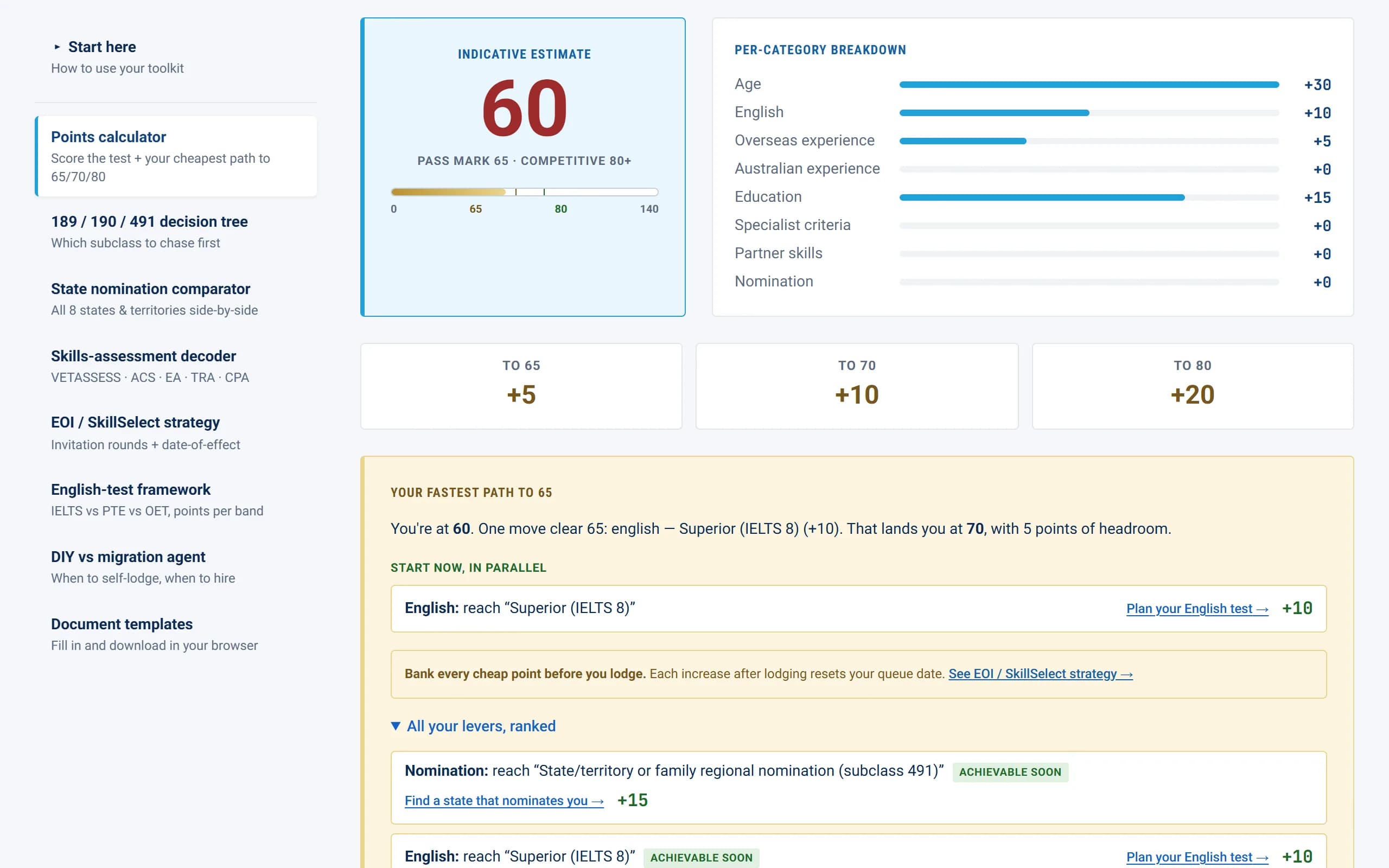
| Points Factor | Points | Notes |
|---|---|---|
| Age (25-32) | 30 | Maximum bracket |
| Age (33-39) | 25 | Common for established consultants |
| English (Superior 8.0+) | 20 | Worth pursuing for native speakers |
| English (Proficient 7.0) | 10 | Most applicants land here |
| PhD | 20 | Common among research-leaning consultants |
| Bachelor or Master's | 15 | Standard for the occupation |
| Overseas experience (8+ yrs) | 15 | Many candidates have this |
| State Nomination (190) | 5 | Apply if listed |
| Regional (491) | 15 | Best leverage for this occupation |
| Partner skills | 5-10 | If partner has a skilled occupation |
Scenario 1: 32-year-old agronomist from India
PhD in Crop Science, 7 years post-PhD experience advising broadacre growers, Proficient English. Age 30 + PhD 20 + English 10 + Experience 15 = 75 points. Add 491 nomination = 90 points — invitation-grade in any 2026 round.
Scenario 2: 38-year-old livestock consultant from Argentina
Bachelor in Animal Science, 12 years experience, Proficient English. Age 25 + Degree 15 + English 10 + Experience 15 = 65 points. Needs 491 (+15) or a strong 190 state pitch to reach a competitive 80-85 range.
State Nomination for Agricultural Consultants
South Australia
South Australia lists 234111 on its 190 and 491 streams and runs targeted rounds for rural advisory roles tied to the Riverland, Yorke Peninsula, and Adelaide Hills agribusiness sectors. The state's offshore Skilled Visitor Stream waives the offer-of-employment rule for shortage occupations in regional zones.
Tasmania
Tasmania nominates agricultural occupations under both 190 and 491 where the applicant can demonstrate genuine commitment to the state — typically through a job offer with a Tasmanian agribusiness or a tertiary qualification completed in Tasmania. Dairy, horticulture, and viticulture are the strongest sub-sectors.
Victoria
Victoria lists Agricultural Consultant on its target lists for skilled migration and prioritises applicants with regional employment commitments outside Greater Melbourne. The Gippsland, Murray, and Wimmera regions are the main hiring corridors.
New South Wales
NSW is more selective for this code. Recent rounds have favoured applicants with a confirmed NSW job offer in regional postcodes and at least 12 months of relevant work in NSW. Consultancies with offices in Wagga, Dubbo, and Orange occasionally sponsor through the 491 stream.
Western Australia and Queensland list adjacent agricultural codes but treat 234111 as case by case — confirm against the current published list before building a strategy.
Salary and Employment Outlook
| Role | Typical Salary Range (AUD, 2026) |
|---|---|
| Junior Agricultural Consultant (0-3 yrs) | $75,000-$95,000 |
| Mid-level Consultant | $95,000-$120,000 |
| Senior Consultant | $115,000-$145,000 |
| Principal Consultant / Partner | $140,000-$180,000+ |
| Independent Contractor (day rate) | $800-$1,200/day |
Sources: SEEK Salary Hub 2026, Talent.com Australia, PayScale 2026. Talent.com reports an average around AUD $85,000; senior advisory roles in viticulture, pastoral livestock, and broadacre cropping push above $130,000. Add 11.5% superannuation and, for partner-track roles, profit-share.
Highest-paying sub-sectors:
- Viticulture (premium wine regions)
- Cotton and broadacre cropping in northern NSW and southern Queensland
- Pastoral livestock advisory in the rangelands
- Carbon and biodiversity project advisory (a fast-growing niche in 2026)
- Banking and finance — major banks employ agribusiness advisors
Tips for a Successful Application
- Get employment references rewritten as advisory references. A reference that lists "managed 200 cattle" is a farm-worker reference. A reference that lists "advised on stocking rate, animal health protocols, and pasture rotation across three properties" is a consultant reference. VETASSESS reads the duties, not the title.
- Confirm your degree subjects map to "highly relevant" before paying VETASSESS. If the transcript is thin on agronomy or animal production, request a transcript review from a registered migration agent before lodging. A negative outcome is rarely reversed on review.
- Pursue the 491 first, then convert. Agricultural Consultant work is regional in practice. Going directly to 491 adds 15 points, and the transition to the permanent 191 only requires modest income evidence over three years.
- Document continuing professional development. Membership of the Ag Institute Australia, Australian Society of Agronomy, or the Australian Association of Agricultural Consultants strengthens the employment narrative even though VETASSESS does not require it.
- Time your English test to maximise points, not just pass them. The difference between Proficient (10 points) and Superior (20 points) is often the difference between a 75-point profile and a 90-point profile. Worth two months of preparation.
Step-by-Step Migration Roadmap
- Confirm your day-to-day duties match the ANZSCO 234111 description — review the ANZSCO code finder.
- Verify 234111 on the current Skilled Occupation List 2026 and the CSOL.
- Gather qualification documents, including detailed transcripts.
- Prepare advisory-focused employment references covering the last five years.
- Sit IELTS, PTE, TOEFL, or OET to target at least Proficient English.
- Lodge the VETASSESS Full Skills Assessment.
- While VETASSESS is processing, research state nomination requirements on each shortlisted state's published list.
- Submit an Expression of Interest in SkillSelect for 189/190/491.
- Lodge state nomination application if pursuing 190 or 491.
- Receive invitation and lodge the visa within 60 days.
- Complete health and character checks.
- Receive visa grant and relocate. See the Skills Assessment Bodies Complete List for any post-arrival registration considerations.
Frequently Asked Questions
Why does VETASSESS reject Agricultural Consultant applications so often?
The two recurring reasons are mismatched qualifications and weak employment references. Applicants with Horticulture, Environmental Science, or Veterinary Science degrees often expect VETASSESS to treat their qualification as "highly relevant" without checking the subject breakdown. Applicants whose references describe production tasks rather than advisory tasks fail the skill-level test. Both issues are fixable before lodgement.
Is the 491 visa better than the 190 for an Agricultural Consultant?
For most candidates, yes. The work is regional in practice, the 491 adds 15 points instead of 5, and the transition to the permanent 191 is well established. Choose 190 only when the nominating state is paying for relocation, the job is in a metropolitan area, or the salary is significantly higher than equivalent regional roles.
Can a New Zealand or UK agricultural science degree be recognised?
Yes. VETASSESS routinely assesses NZ and UK Bachelor and Master's degrees in Agricultural Science as comparable to AQF level 7 or 9. Provide certified transcripts and a degree certificate. NZ citizens may have a different pathway via the SCV-stream, which sits outside the skills assessment process.
How is demand for Agricultural Consultants in 2026?
Demand is steady-to-strong rather than booming. Jobs and Skills Australia identifies persistent shortages in regional advisory roles. The main drivers in 2026 are the federal carbon farming programmes, ongoing drought-resilience funding, and the retirement of the existing consultant base. See the most in-demand occupations page for the wider context.
Do I need to be a member of an Australian professional body?
No. There is no legal licensing or registration requirement for Agricultural Consultants in Australia. Voluntary membership of the Ag Institute Australia, Certified Practising Agriculturalist scheme, or the Australian Association of Agricultural Consultants strengthens an employer's confidence but is not required for the visa.